
Traditional Malay Cooking
Pajeri Nenas
An old family recipe, tips for a thick gravy and side dish pairings
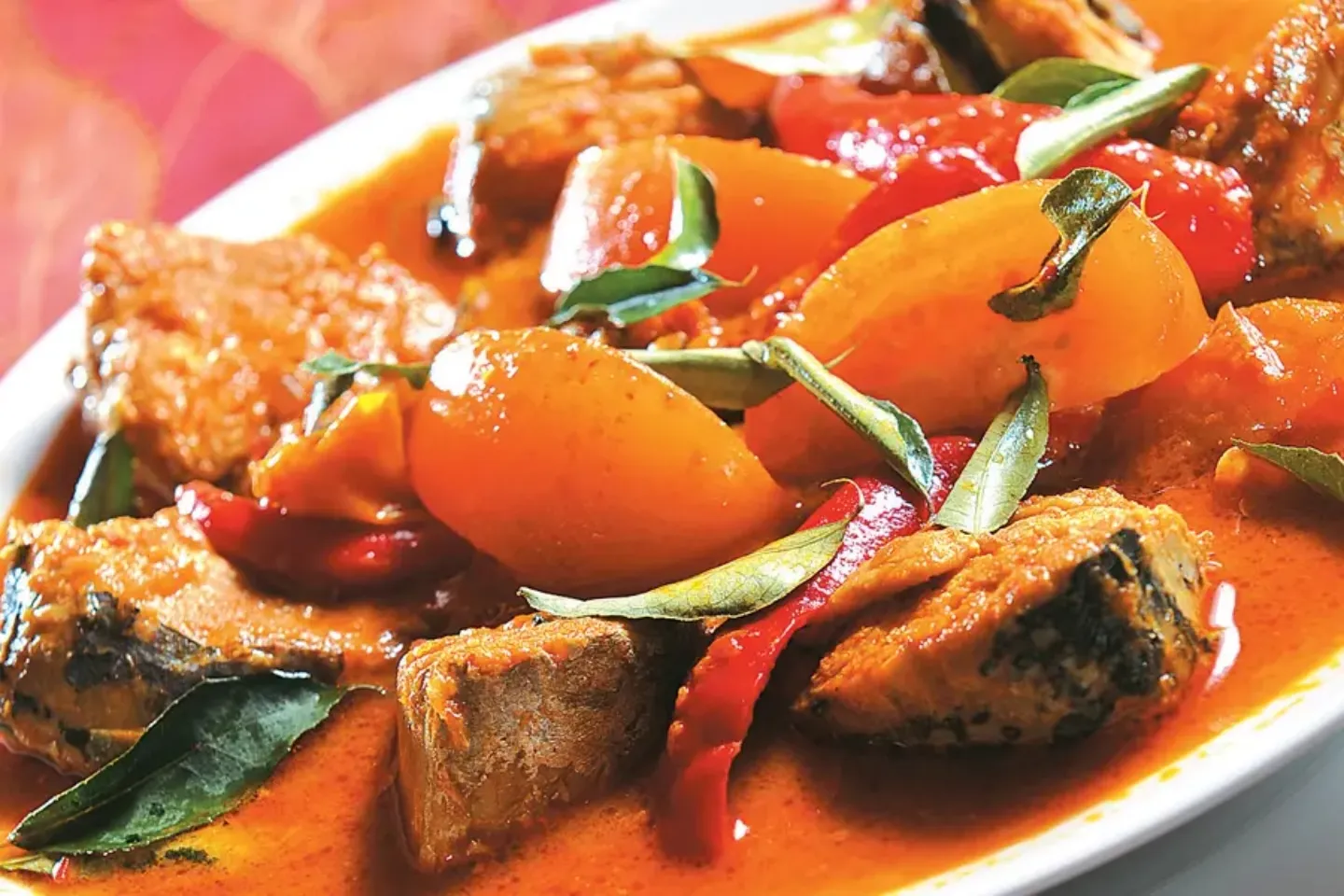
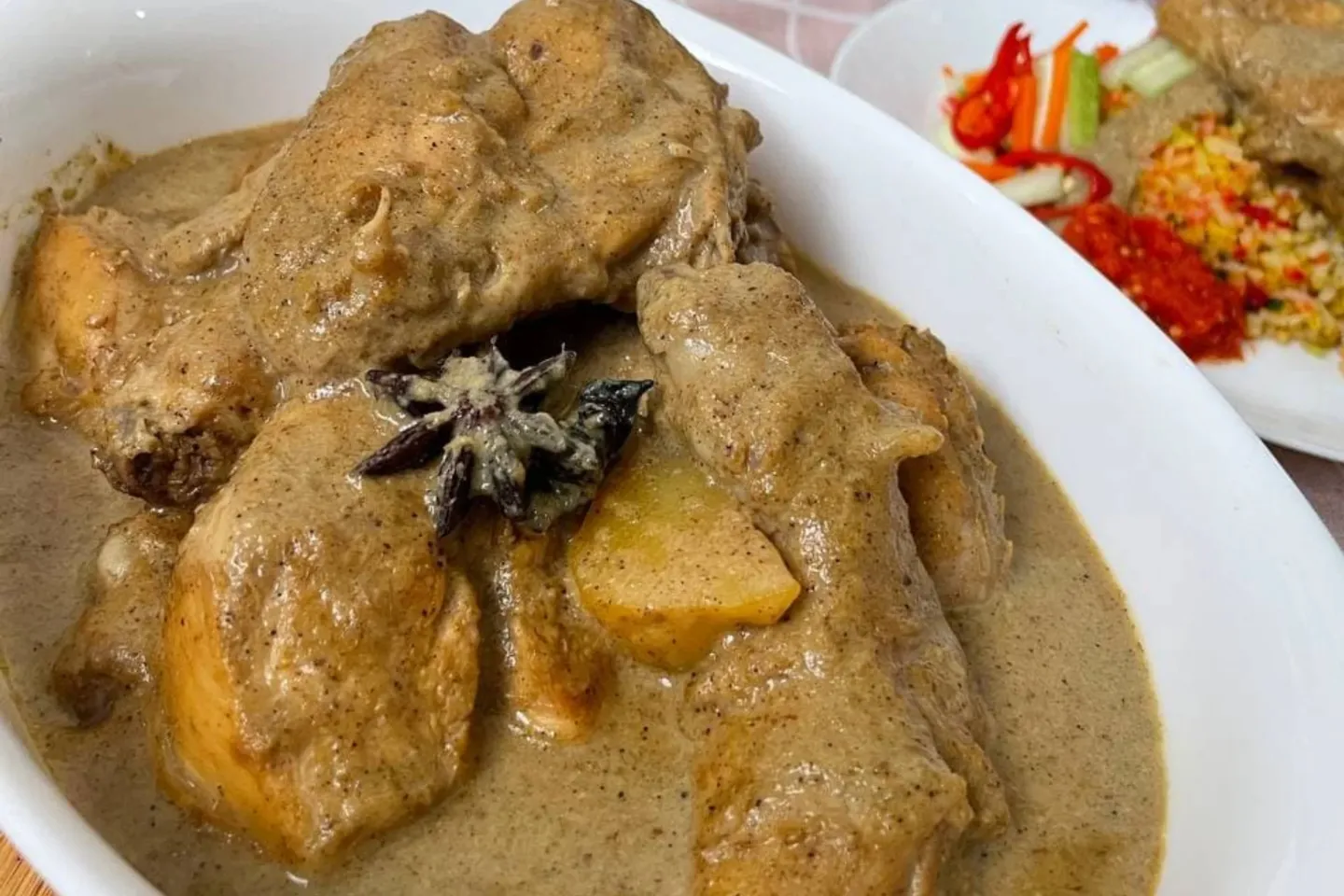
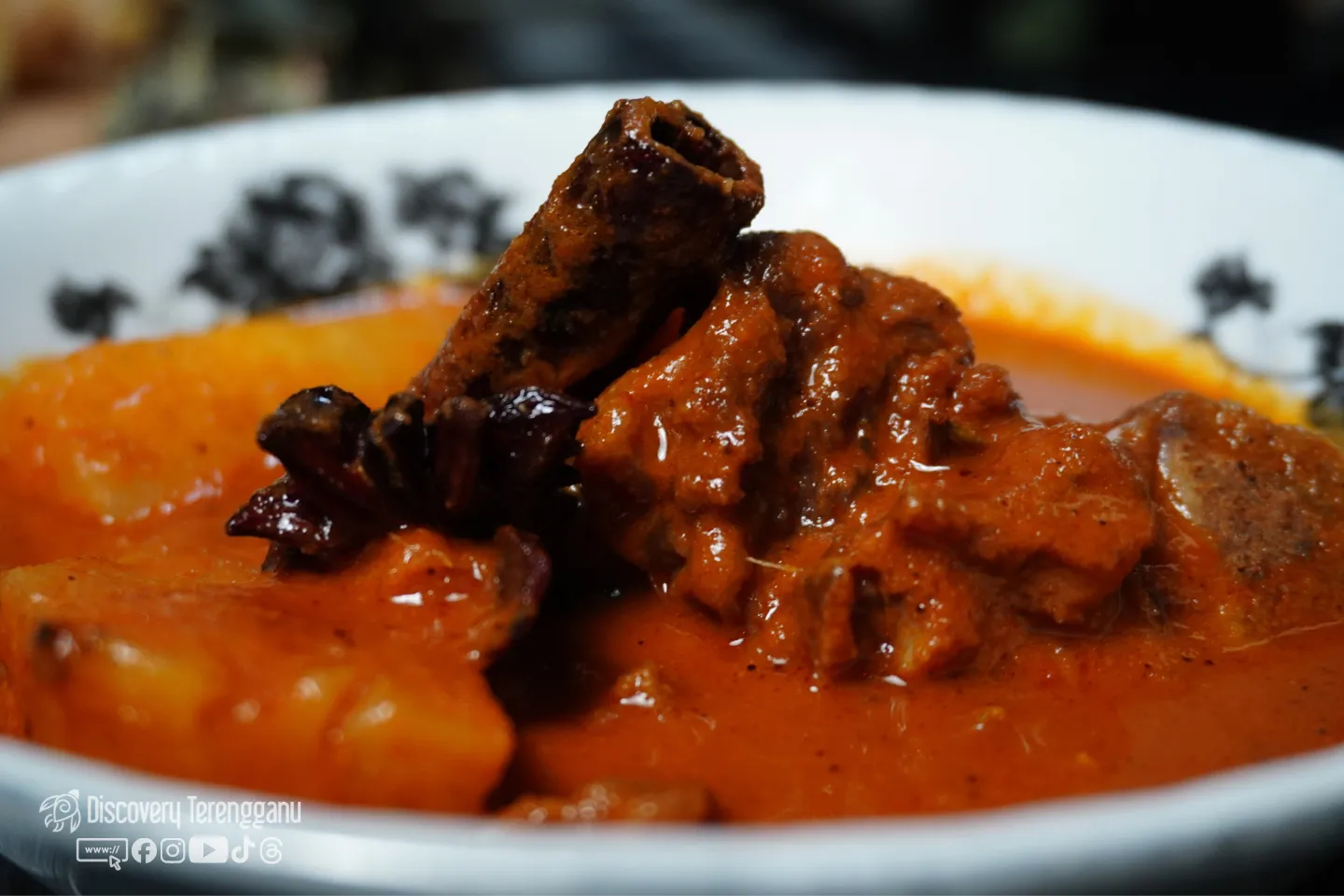
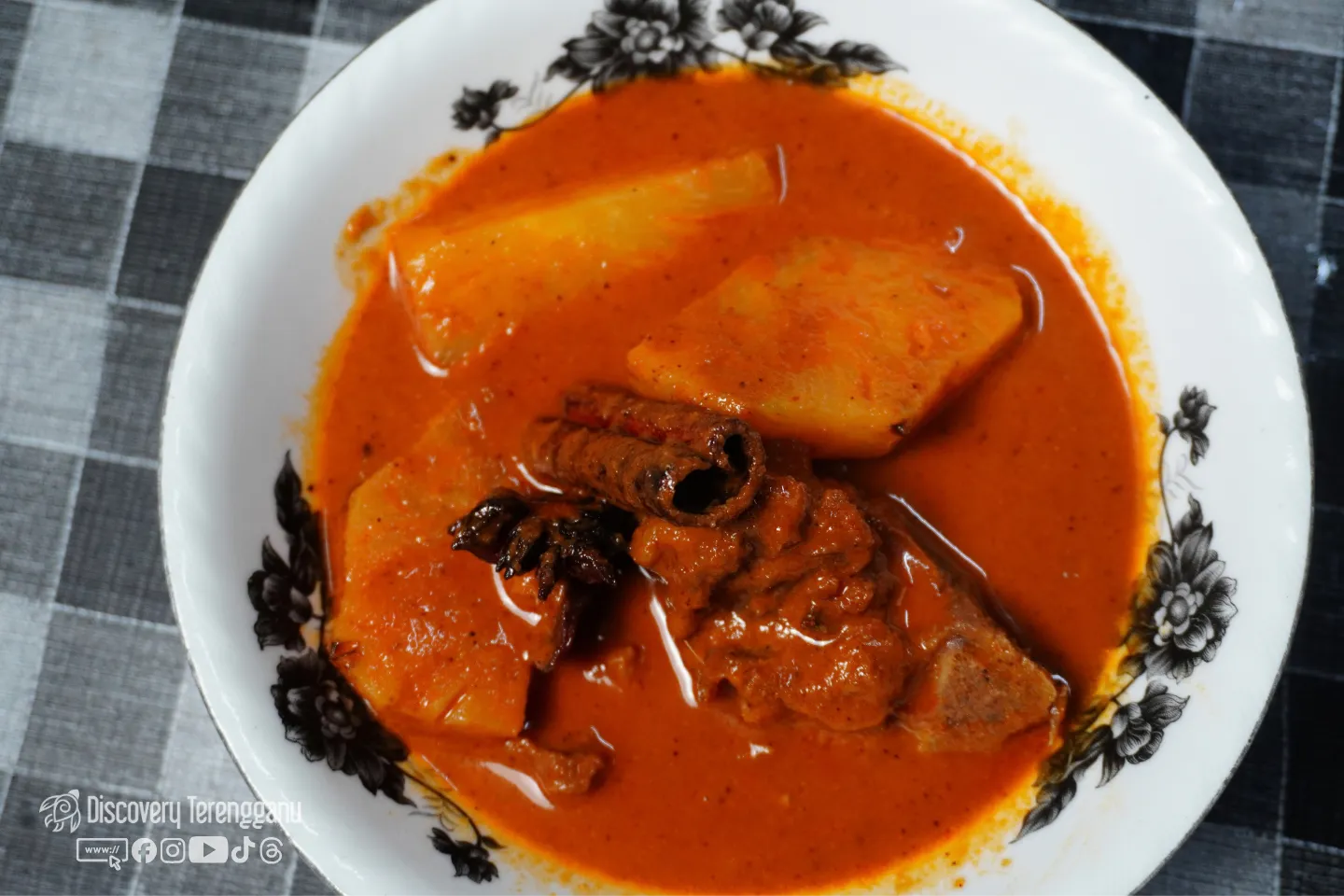
Who doesn't know pajeri nenas? The sweet and sour pineapple, the heat of Cili Boh and the spiced gravy thickened with santan (coconut milk) and kerisik. It looks like a simple dish, but once it meets hot white rice, the bowl of pajeri is usually the first to be emptied on the table.
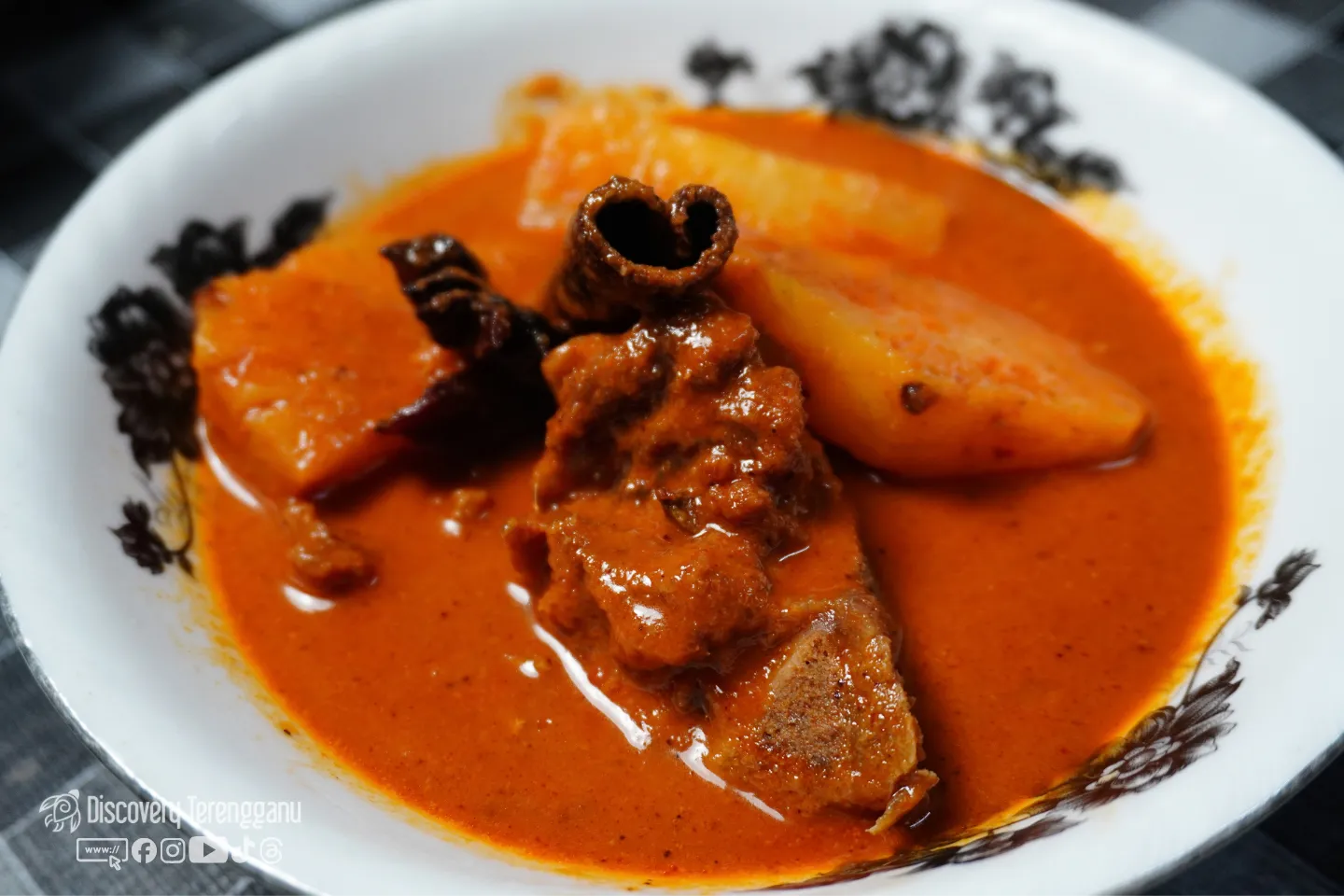

Pineapple takes centre stage
Pineapple pieces are simmered in the gravy until soft, yet still keep their shape.

Sweet, sour, spicy
The sweet and sour fruit meets the heat of Cili Boh and curry spices in one gravy.

Thick, rich gravy
Coconut milk and kerisik thicken the gravy until it clings to every piece.

Perfect with rice
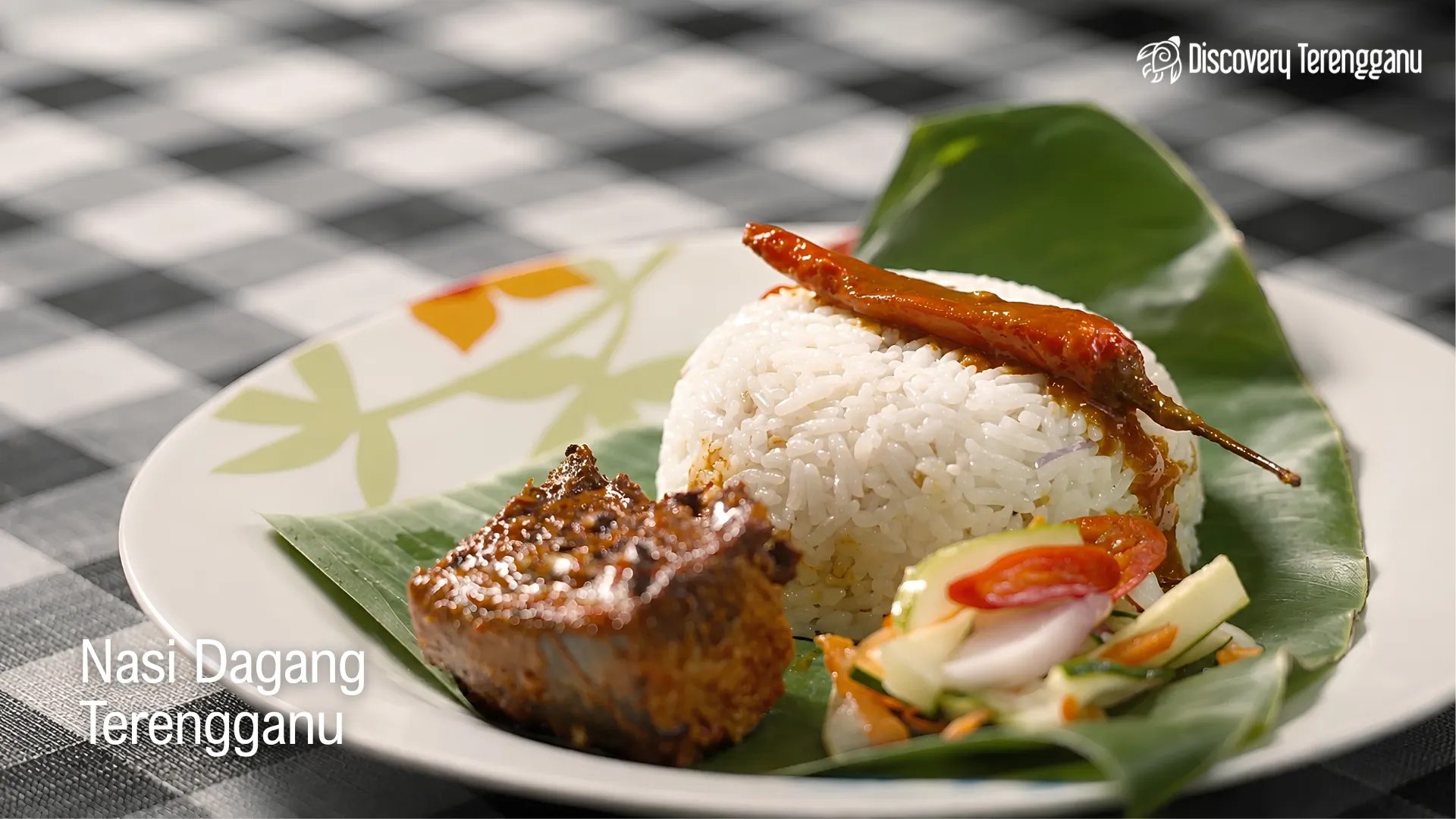
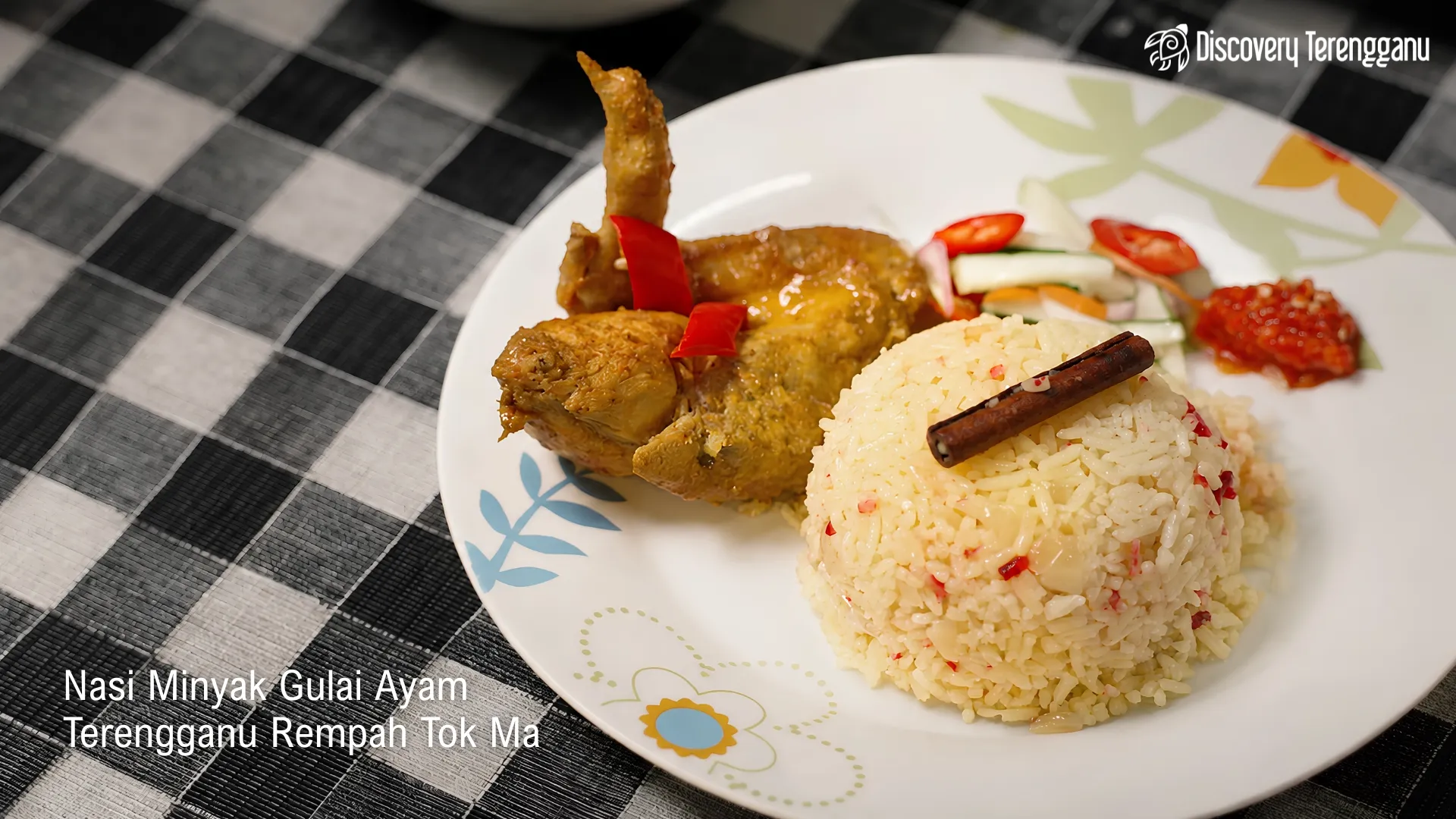
Goes well with white rice, nasi minyak, nasi beriani or dipped with lempeng.
What is Pajeri Nenas?
Pajeri Nenas is a dish in gravy that uses pineapple as its main ingredient. The pineapple is cooked in a spiced gravy until its sweet and sour flavour blends with the heat of chilli and the fragrance of the spices.
It is usually served as a side dish with rice and other dishes. The ingredients and thickness of the gravy vary according to family recipes. Chef Dean Podeh's version in the video below uses coconut milk and kerisik and is cooked with a little meat, so the gravy is thick and rich.
Basic ingredients in the video version
- Pineapple as the main ingredient.
- Onions, garlic and mature ginger, finely blended.
- Rempah 4 sekawan (four whole spices) for the initial aroma of the sauté.
- Cili Boh Muslim for the red colour and heat.
- Tok Ma Rempah Kari Ayam / Daging (chicken / meat curry spice) with a little meat.
- Kerisik, a little asam and coconut milk for a thick gravy.
Pajeri Nenas and dining table memories
For many people, pajeri nenas is a dish that brings back memories of the home kitchen. It is rarely the main dish, but when it is on the table, its gravy is the first to be scooped.
There is no single correct version. Some families prefer it sweeter, some want it spicier, and some cook it until the gravy is thick and clinging. The recipe on this page follows Chef Dean Podeh's method.
Why it stays on the dining table
A simple dish that completes the meal
A spoonful of pajeri gravy is enough to make a plate of white rice more appetising.
Every family has its own way
The sweetness, spice and thickness of the gravy can be adjusted to suit every household's taste.
Share your family's way
At your home, what dishes is pajeri nenas usually eaten with?
Answer in the comments sectionWhat makes Pajeri Nenas special?
Sweet and sour fruit
Pineapple adds a sweet and sour flavour that cuts through the richness of the other coconut milk dishes on the table.
Layered spice aroma
Rempah 4 sekawan is sautéed first, followed by the curry spices. The result is a gravy that is fragrant from start to finish.
A thick gravy that coats the fruit
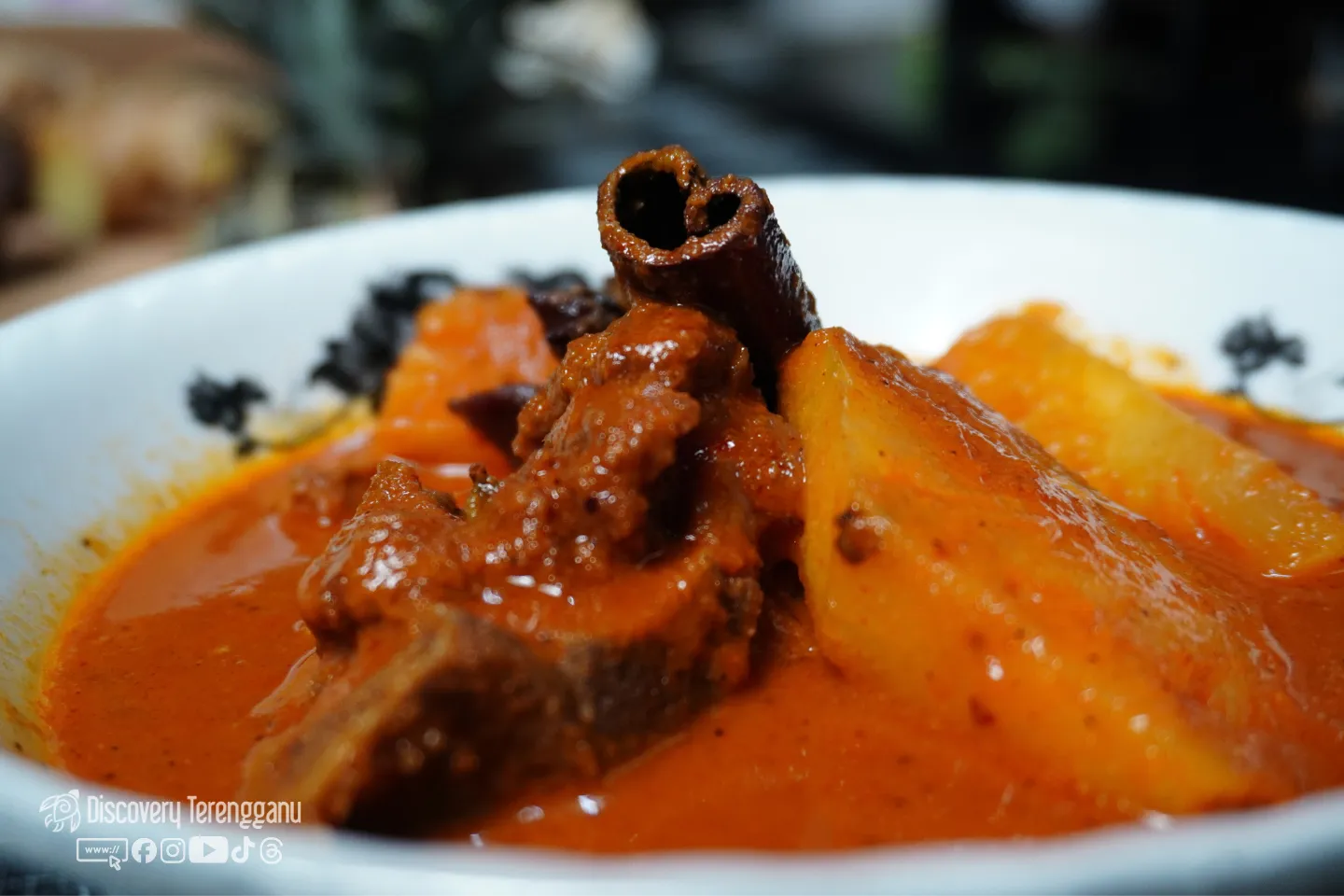
Kerisik and coconut milk thicken the gravy until it clings to every piece of pineapple and meat.
Easy to pair
It can be eaten with white rice, nasi minyak or nasi beriani. In the video, Chef Dean also suggests dipping lempeng into the pajeri.
How to choose and prepare the pineapple
The video does not show how the pineapple is chosen and cut, so the guide below is general kitchen advice. Go by the texture you prefer.
Choosing the pineapple
- Choose a pineapple that smells fragrant at the base.
- A yellowish skin is usually sweeter. One that is still greenish is more sour.
- Fruit that feels heavy for its size is usually juicier.
- Avoid fruit that is soft, wet at the base or smells too sour.
Preparing the pineapple
- Remove the skin and dig out all the pineapple eyes cleanly.
- Cut into medium chunks so they do not fall apart while simmering.
- Taste a piece first. If the pineapple is already sweet, reduce the sugar when sautéing the chilli.
- Add the pineapple once the beef is almost tender, as in the video.
Discovery Terengganu · Traditional Food
Chef Dean Podeh's Pajeri Nenas Recipe
The order of ingredients and steps follows the video. The video does not give exact measurements, so adjust the quantities to the size of your pot and your family's taste.
Blended ingredients
Sautéed ingredients
Main ingredients
Cooking method
- 1
Blend the base ingredients
Peel the onion or shallots, garlic and mature ginger. Blend until completely smooth.
Tips from the video
Blending the ingredients until smooth gives the pajeri gravy a smoother, nicer finish.
- 2
Sauté the 4 whole spices
Heat the oil. Add the 4 whole spices and sauté until fragrant.
- 3
Add the Cili Boh
Add the Cili Boh Muslim. Sauté until the oil separates from the chilli.
Signs the chilli paste is cooked
The oil starts to separate and rise at the edges of the paste.
Don't rush
Chilli that has not been cooked until the oil separates leaves a raw taste in the gravy.
- 4
Add sugar
Add a little sugar straight into the sautéed chilli.
- 5
Add the blended ingredients
Add the blended ingredients, then simmer briefly.
- 6
Add the beef and curry spice
Add a little beef, followed by Rempah Kari Ayam / Daging Tok Ma. Stir until the aroma of the spices rises.
Second tip from the video
A little beef cooked with the curry spice adds flavour to the pineapple pajeri gravy.
- 7
Add the kerisik and asam
Add the kerisik and a little asam, then stir until well combined.
- 8
Pour in the coconut milk
Add the coconut milk and cook until the beef is almost tender.
- 9
Add the pineapple and season
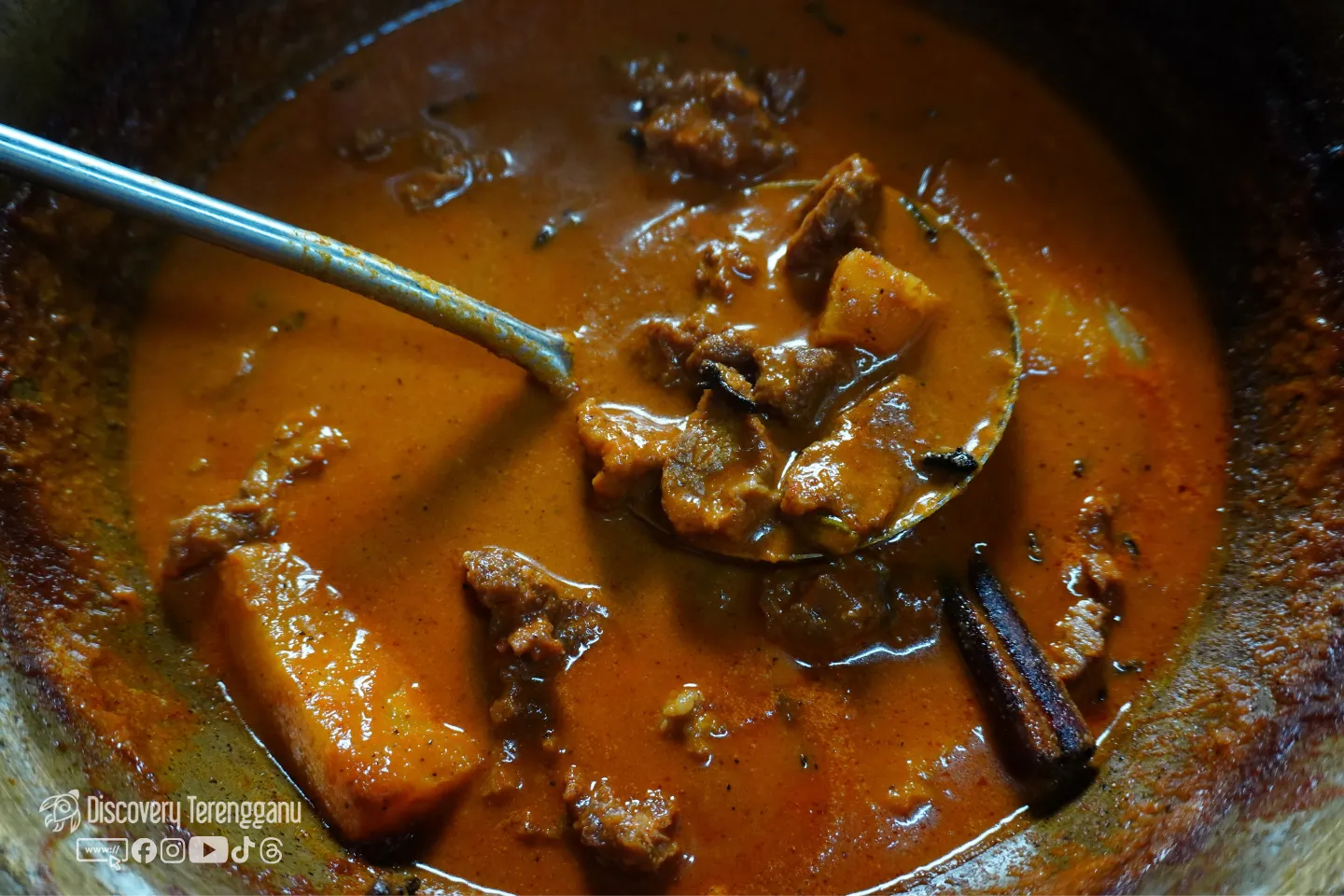
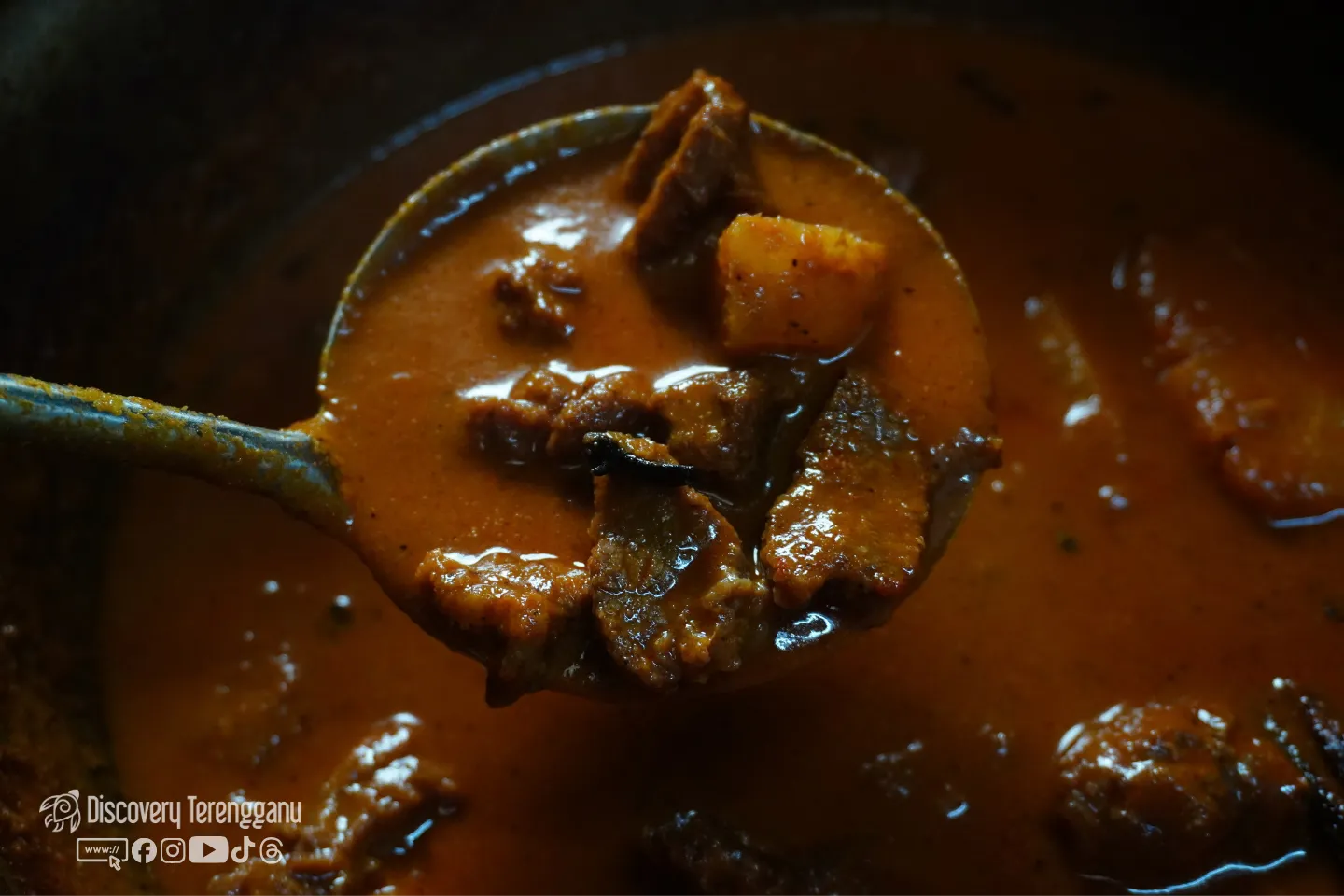
Add the pineapple and season. Keep cooking until the beef is tender and the gravy thickens.
Signs the pajeri is done
Tender beef and a thick gravy coating the pineapple, as at the end of the video.
- 10
Serve
Serve in a bowl. Delicious with white rice or with lempeng for dipping.
Tips from the video
- Blend the onion and ginger until completely smooth.
- Sauté the 4 whole spices until fragrant before adding the chilli.
- Sauté the Cili Boh until the oil separates.
- Add a little beef for a tastier gravy.
- Add the pineapple once the beef is almost tender.
- Cook until the gravy is thick before turning off the heat.
Delicious served with
discoveryterengganu.com/pajeri-nenas Steps follow the video, quantities to taste
Tips for a tasty gravy and common problems
This table is general kitchen advice, not tips mentioned in the video. Refer to it if your first attempt does not turn out as you wanted.
| Problem | Cause | What to do |
|---|---|---|
| Gravy too thin | Too much coconut milk, or the pineapple released its juice | Simmer longer over a low heat, or add a little kerisik |
| Too sweet | The pineapple was already sweet, and sugar was added when sautéing | Use less sugar next time and taste the pineapple before cooking |
| Pineapple too soft | The pineapple was overripe or added too early | Cut larger pieces and add them once the beef is almost tender |
| Gravy tastes raw | The chilli or spices were not cooked enough | Sauté the Cili Boh until the oil separates before adding other ingredients |
| Gravy too thick | The liquid dried up from simmering too long | Add a little thin coconut milk or water, stir and taste again |
What kerisik does in pajeri
Kerisik thickens the gravy and adds richness and the aroma of toasted coconut. In the video, the kerisik goes in after the curry spice and before the coconut milk.
Why add a little asam
Pineapple is already sour, but a little asam helps balance the richness of the coconut milk and kerisik so the gravy does not feel too heavy.
What Goes Well with Pajeri Nenas?
Our menu suggestions. Pajeri nenas is easy to adapt, so put a meal together from whatever is in your kitchen.
Three suggested meal sets
Lunch at home
Hot white rice, fried fish and pajeri nenas. Crispy sides meet a spiced gravy.
Weekend spread
Nasi minyak or nasi beriani, ayam masak merah and pajeri nenas for a more festive menu.
Afternoon tea
Lempeng dipped in pajeri gravy, as suggested by Chef Dean in the video.
Pajeri variations to explore
The variations below are only an overview. The measurements and cooking times for each version differ from the main recipe above.
The version in the video
Made with coconut milk and kerisik, and cooked with a little beef and Rempah Kari Tok Ma. The gravy is thick, rich and spiced.
A lighter version
Some families cook pajeri without beef or with less coconut milk. The gravy is lighter and the pineapple flavour stands out more.
The pajeri cooking method is also used for other ingredients such as aubergine. The main ingredient differs, so the cooking time is not the same either.
Product picks · Promotional content
Cili Boh Muslim Food Industries
Cili Boh is the key product in this recipe. It gives the pajeri gravy its bright red colour and a heat that balances the sweetness of the pineapple.
Ready-blended chilli saves the time spent soaking and blending dried chillies. Sauté it straight after the 4 whole spices turn fragrant, until the oil separates.
Muslim Food Industries, a Bumiputera halal food producer in Terengganu since 1986, makes everything from yellow noodles to hill salt.

How to use Cili Boh and Rempah Tok Ma in this recipe
Once the 4 whole spices are fragrant, add the Cili Boh Muslim and sauté until the oil separates. Add a little sugar, then the blended ingredients.
Once the beef is in, sprinkle in the Rempah Kari Ayam / Daging Tok Ma and stir until fragrant. The other steps stay the same as in the recipe above.
Product picks · Promotional content
Rempah Kari Ayam / Daging Tok Ma
In the video, Rempah Kari Tok Ma goes in right after the beef. This spice mix gives the pajeri gravy its deep curry aroma, without having to mix many separate spices.
One pack can be used for today's pajeri, and for chicken or beef curry on another day.
Made with no colouring, no MSG and no preservatives. Ideal for anyone who wants a consistent curry flavour every time they cook.

Soalan lazim
What Is Pajeri Nenas?
Pajeri Nenas is a pineapple-based dish in gravy, cooked with spices, chilli and usually coconut milk. It is sweet, sour, spicy and rich all in one mouthful.
What are the main ingredients in this recipe?
Pineapple, Cili Boh, Rempah Kari Ayam / Daging Tok Ma, the 4 whole spices, kerisik, coconut milk and a little beef. The blended ingredients are onion, garlic and mature ginger.
What kind of pineapple should I use?
Choose a pineapple that is fragrant and feels heavy for its size. A pineapple that is already sweet needs less sugar, while a more sour one gives the gravy a fresher taste. Cut into medium chunks so they do not fall apart.
Does the pineapple need to be boiled first?
Not in this video. The pineapple goes straight into the gravy once the beef is almost tender, then everything is cooked together until the gravy thickens.
Do I need to use kerisik?
The recipe in the video uses kerisik to thicken the gravy and add richness. Without kerisik, the gravy will be thinner and lighter.
Why does the pineapple pajeri gravy turn thin?
Usually because there is too much coconut milk, the pineapple has released its juice, or the gravy has not been simmered long enough. Keep cooking over a low heat until the gravy thickens as in the video.
Can the sweetness be reduced?
Yes. Taste the pineapple before cooking. If the fruit is already sweet, reduce or skip the sugar added when sautéing the chilli.
What dishes go well with Pajeri Nenas?
The simplest pairing is white rice and fried fish. For a more festive menu, pair it with nasi minyak or nasi beriani and ayam masak merah. Chef Dean also suggests dipping lempeng into the pajeri.
Conclusion
Pajeri Nenas is an example of a simple dish that can become the centrepiece of the dining table. The sweet and sour pineapple, the heat of the Cili Boh and the thick kerisik gravy complement each other in one pot.
The key to Chef Dean's version is easy to remember. Blend the ingredients until smooth, sauté the chilli until the oil separates, add the pineapple once the beef is almost tender, and cook until the gravy is thick.
Food blog
Keep exploring other Terengganu heritage dishes.