




Tapai daun getah is one of the traditional foods that is the pride of the people of Terengganu. This food not only stirs nostalgia but is also a symbol of the state's unique cuisine. Terengganu, with its rich history and diverse culture, has long practised the art of making tapai as part of a food heritage handed down from generation to generation.
Origins, History Tapai Daun Getah
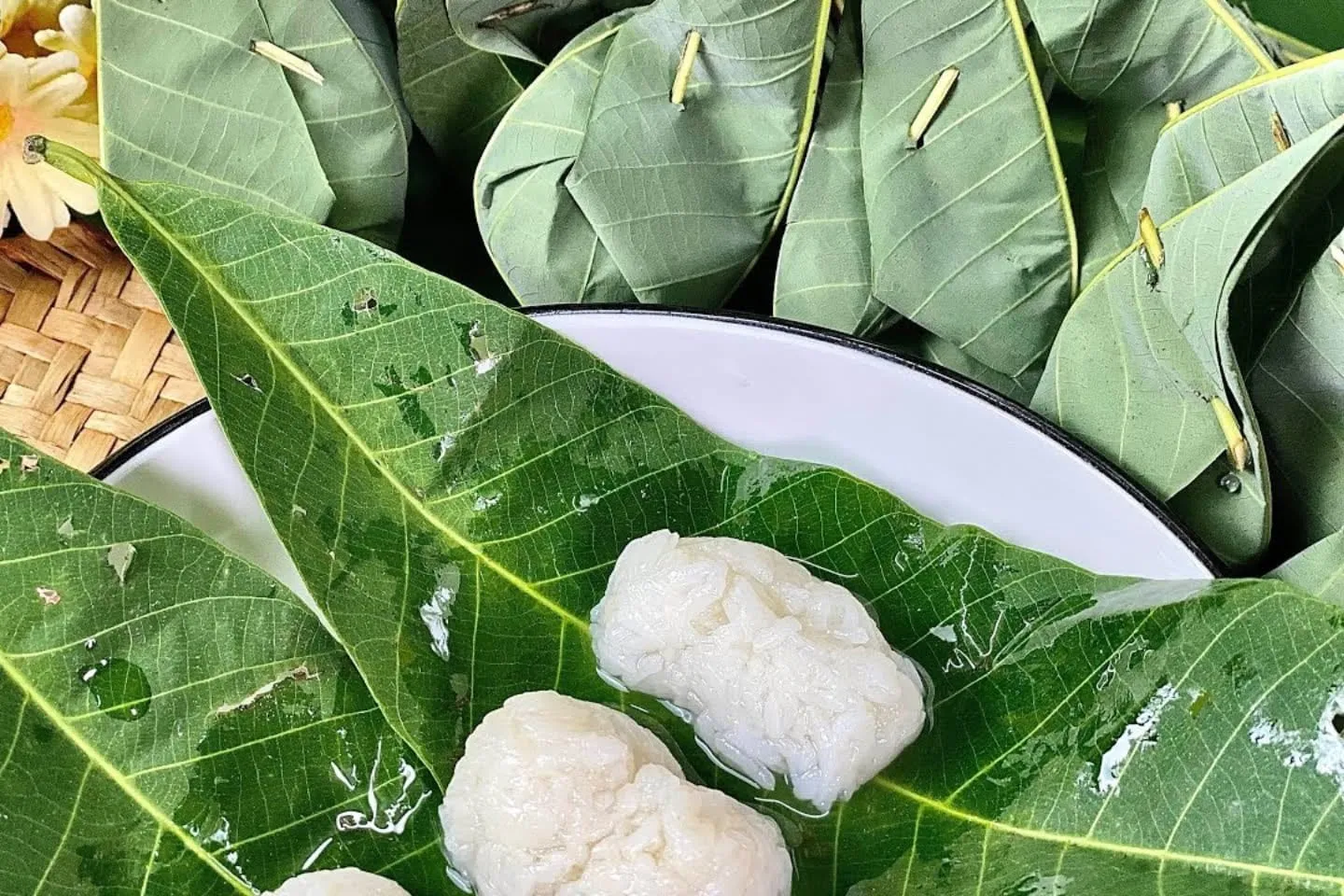
Tapai has existed in Malay culture since ancient times and is regarded as one of the important traditional foods in Malay society, including in Terengganu. The presence of tapai daun getah in Terengganu is closely linked to farming and to village communities, many of whom planted rubber trees. Using rubber leaves as wrapping is a local adaptation that makes use of a natural resource found in abundance nearby.
Community Tradition
Community Tradition
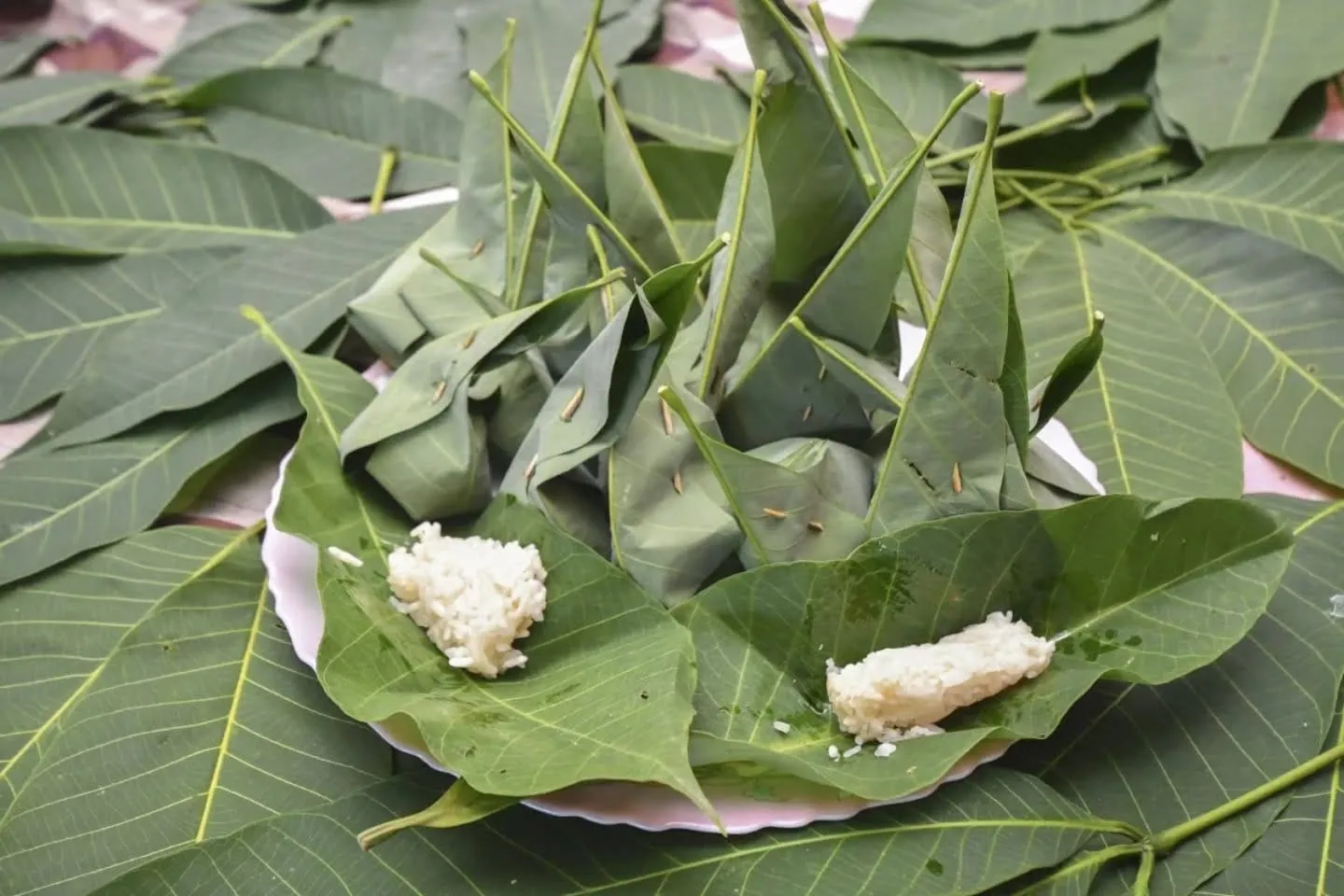
Tapai daun getah in Terengganu is often associated with local social and cultural activities. At weddings, kenduri doa selamat or Hari Raya, tapai is one of the must-have dishes served to guests. Tapai is usually prepared through gotong-royong by the villagers, strengthening family and neighbourly bonds. This makes tapai not just food but also a symbol of unity and cooperation within the community.
A Unique Taste
A Unique Taste
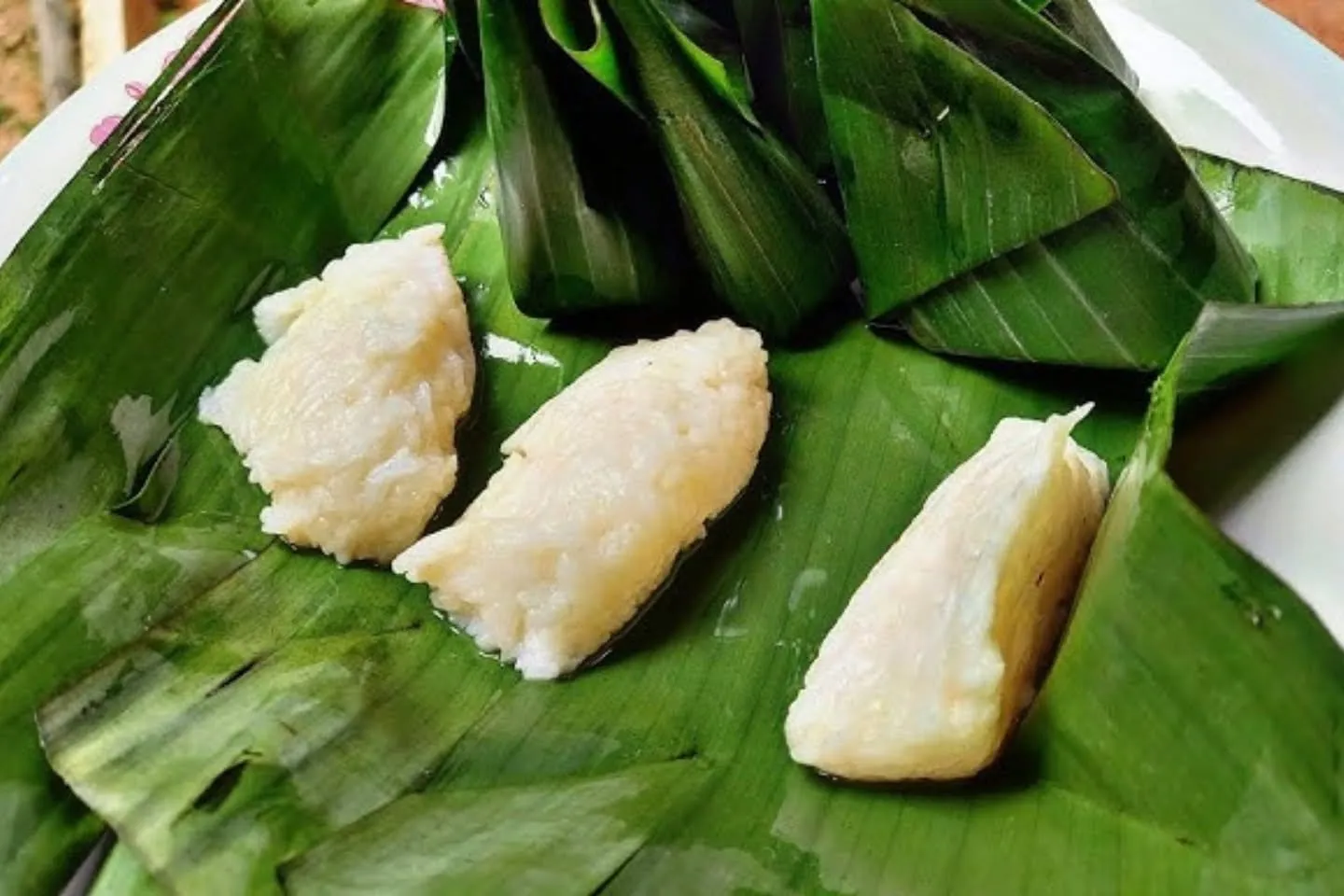
What makes Terengganu's tapai daun getah special is its authentic taste and its wrapping of rubber leaves. The rubber leaves give the tapai a distinctive aroma that cannot be replicated by other leaf wrappings such as banana or pandan leaves. The sweet and slightly sour taste of the tapai, together with the aroma of the rubber leaves, makes for a unique gastronomic experience.
How to Prepare
How to Prepare
- 1 kilo glutinous rice: wash and soak the rice for 4 hours or overnight, then drain and steam.
- Steam for 30 minutes, open the lid, stir the glutinous rice and sprinkle it with 3/4 cup of plain water, pouring it over all the rice and mixing evenly, then steam again for 10 minutes.
- Remove and let the glutinous rice cool, then mix in the ragi (yeast). 1 ragi ball. Wrap using rubber leaves or banana leaves, or use small plastic containers.
Making Process
Making Process
- Preparing the Glutinous Rice: The glutinous rice must be washed thoroughly and soaked for a few hours before being steamed until cooked. If using cassava, it should be cut into small pieces and boiled until soft.
- Cooling and Adding the Ragi: Once the main ingredient (glutinous rice or cassava) is cooked, it must be left to cool to room temperature before being sprinkled with ragi. The ragi must be sprinkled evenly so that fermentation takes place uniformly.
- Wrapping in Rubber Leaves: After being sprinkled with ragi, the mixture is wrapped in rubber leaves. The rubber leaves chosen should be clean and fresh so that the tapai is not contaminated and keeps its original taste.
- The Fermentation Process: The wrapped tapai is then kept in a fairly warm place to ferment for 2 to 3 days. This process produces the sweet, slightly sour taste and distinctive aroma that are the hallmarks of tapai daun getah.
Conclusion
Conclusion
Terengganu's tapai daun getah is more than just a traditional food; it is a cultural heritage that reflects the history, traditions and values of the people of Terengganu. Even as the world becomes more modern and many traditional foods may be neglected, tapai daun getah remains an important part of the state's culinary identity. By introducing this tapai to young people and tourists, we can ensure that this heritage lives on and is enjoyed by generations to come.
Photo Credits
Media Sources for the Kuih Tok Aji Serban Listing
Photos
- Terengganu Day 2020
- Aida Mustapha
- Harian Metro
- Cik Linda Potpet
Video
- Youtube Aida Mustapha
Disclaimer: We are not responsible for any unintentional copyright infringement. All images are used in good faith for educational and research purposes only.