




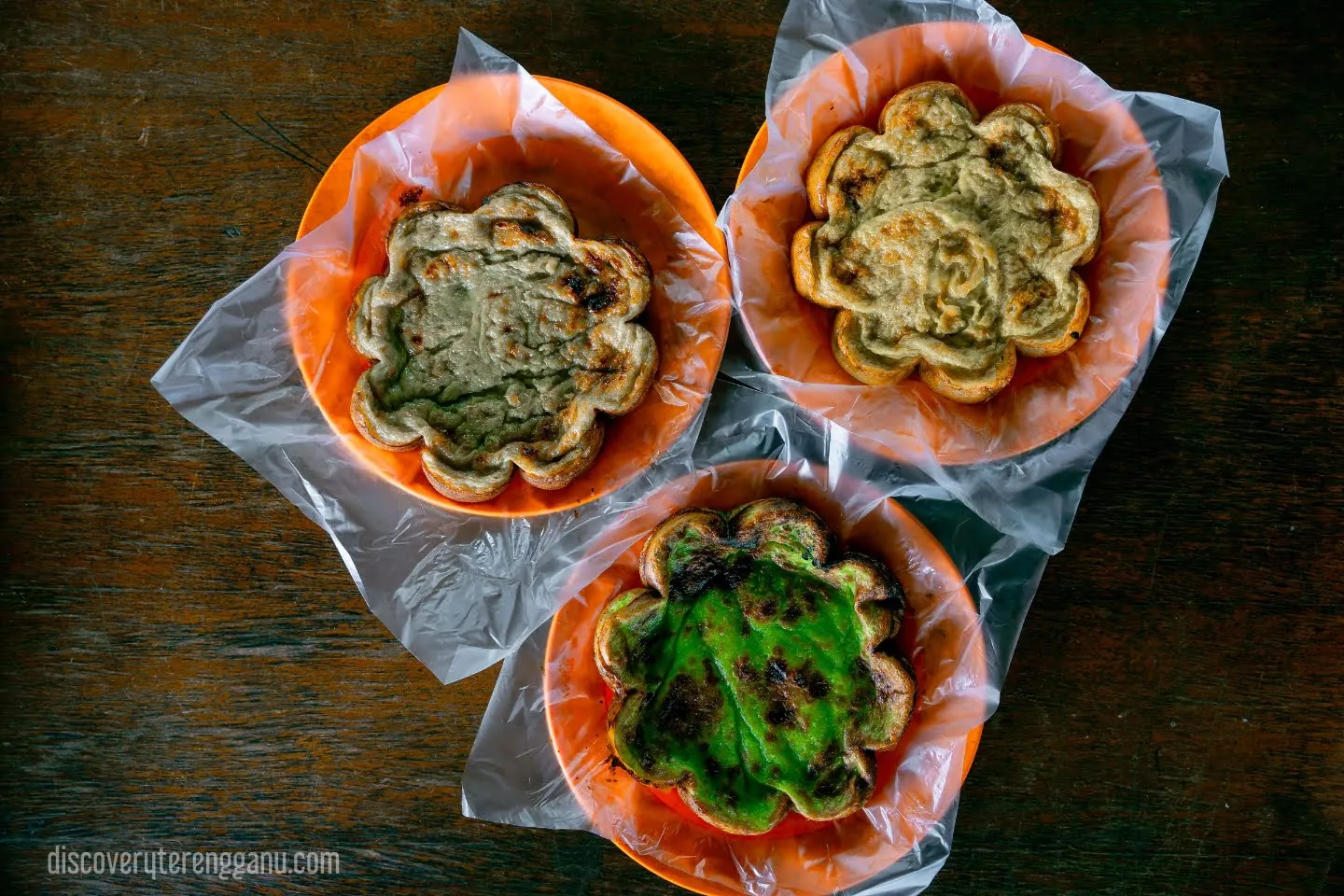
Kuih Akok is one of the most famous traditional Malay kuih, especially in the East Coast states of Malaysia such as Kelantan and Terengganu. This kuih is known for its sweet, rich flavour and its soft, slightly chewy texture.
Akok
Terengganu
The Deliciousness of Akok Terengganu
Origins, History Akok Terengganu
Akok is believed to have originated in Kelantan, but it is also a favourite in Terengganu. This kuih is often served during Ramadan as a dish for breaking the fast, but it can also be found all year round at markets and traditional kuih shops.
Main Ingredients
Main Ingredients
Kuih Akok is made from basic ingredients that are easy to find, namely:
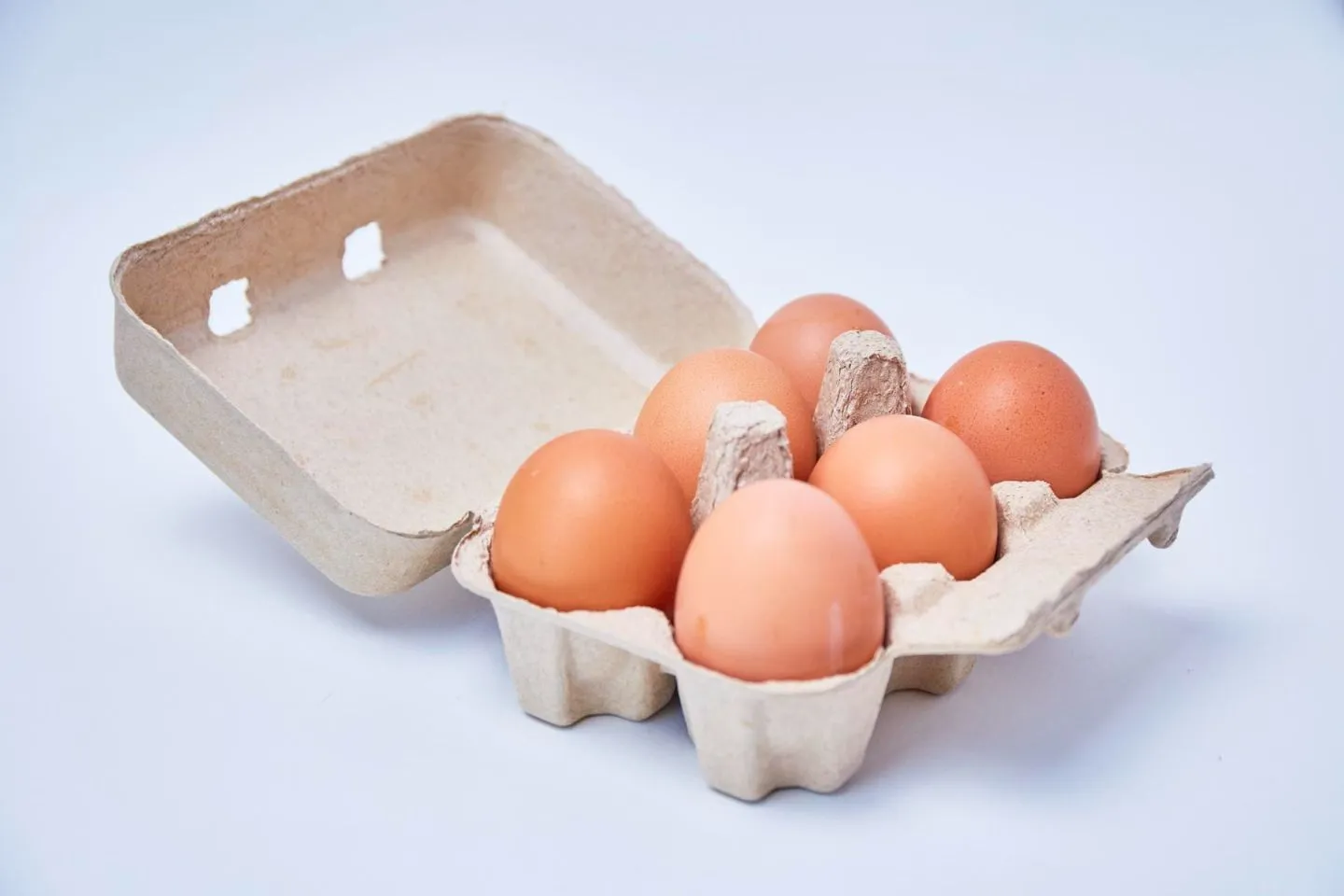
- Eggs: The main ingredient that gives this kuih its soft, fluffy texture. Usually, more eggs are used in akok recipes than in other kuih.
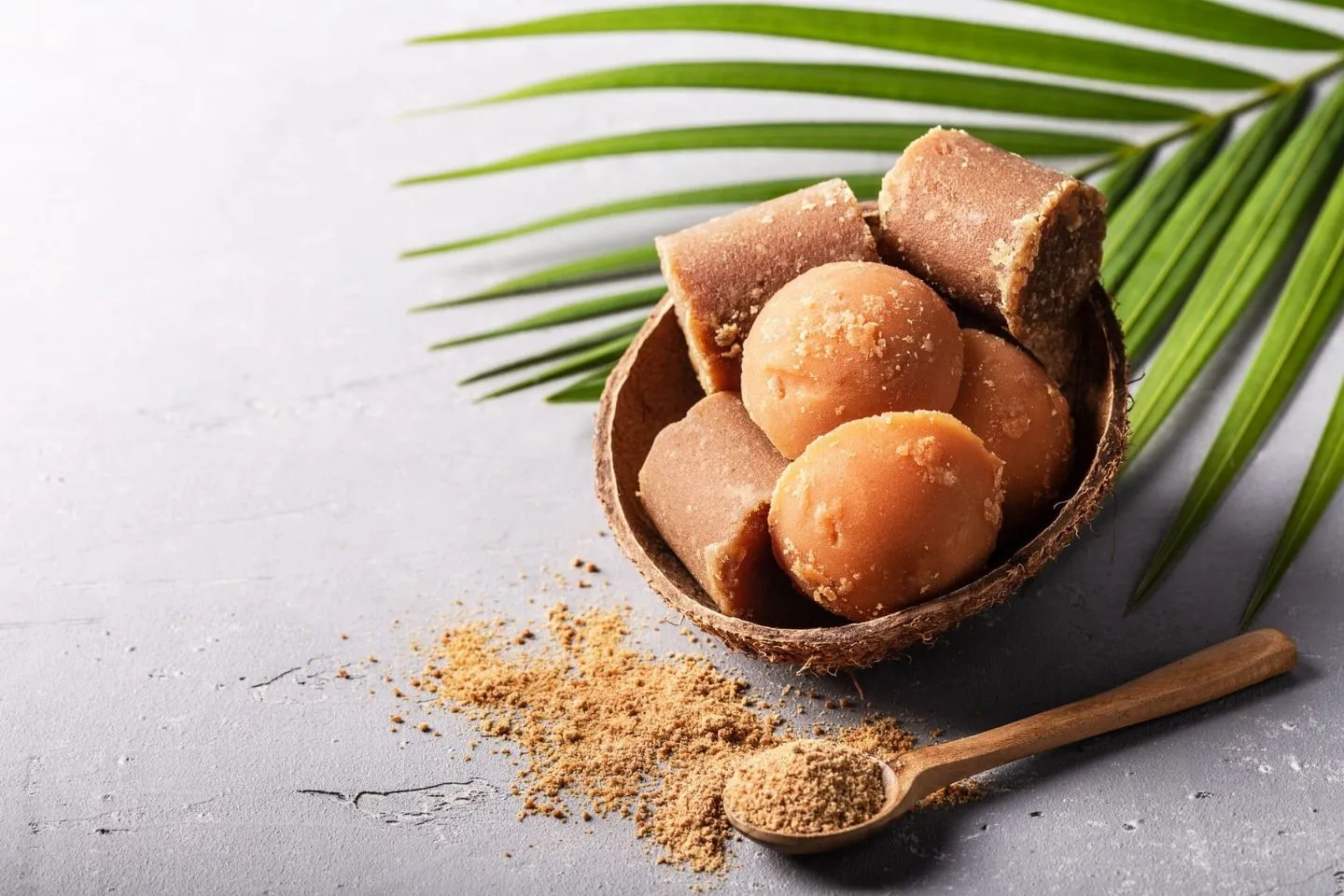
- Gula Melaka or Brown Sugar: Gives a rich sweetness and a slightly brownish colour.
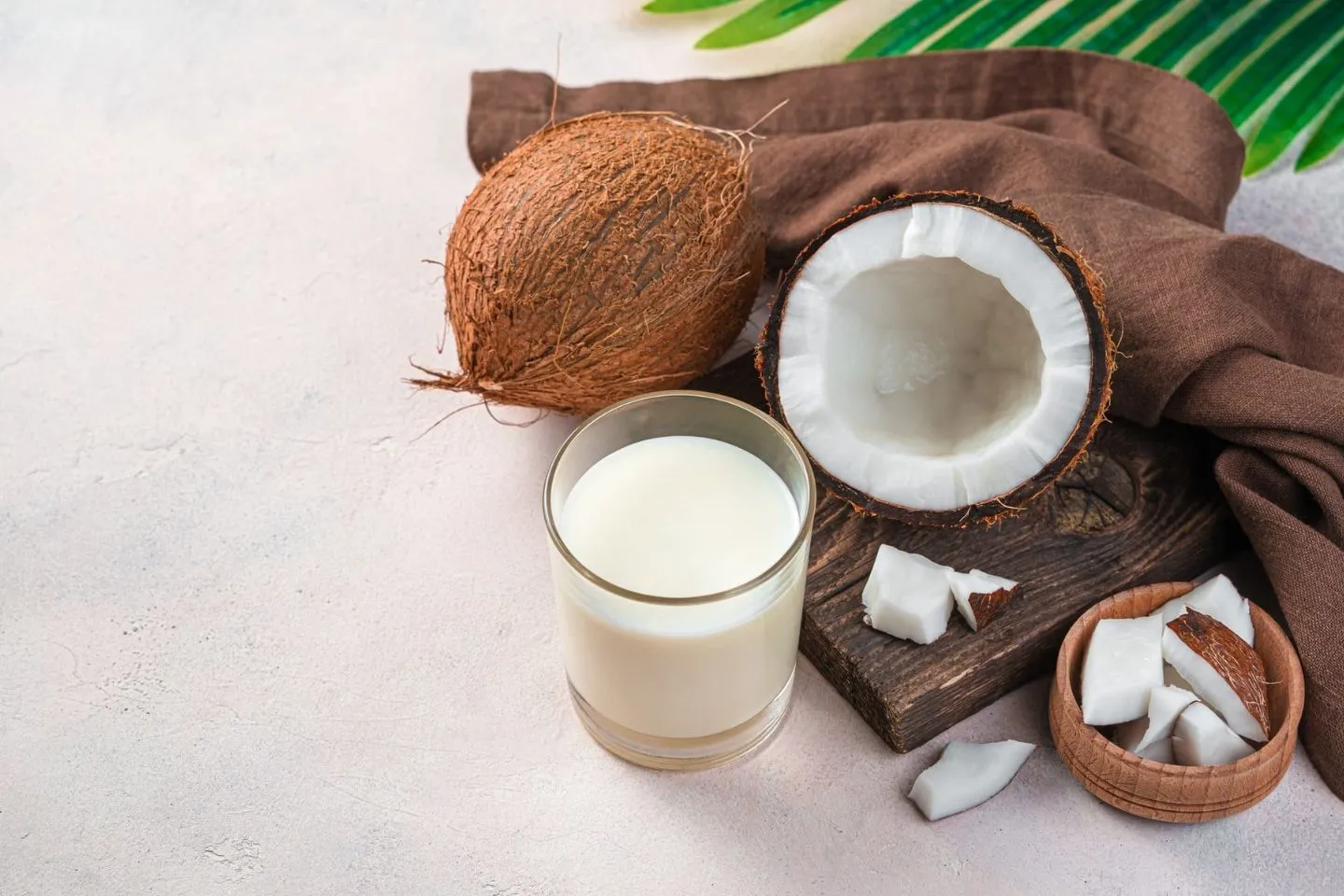
- Coconut milk: Gives this kuih its distinctive richness.
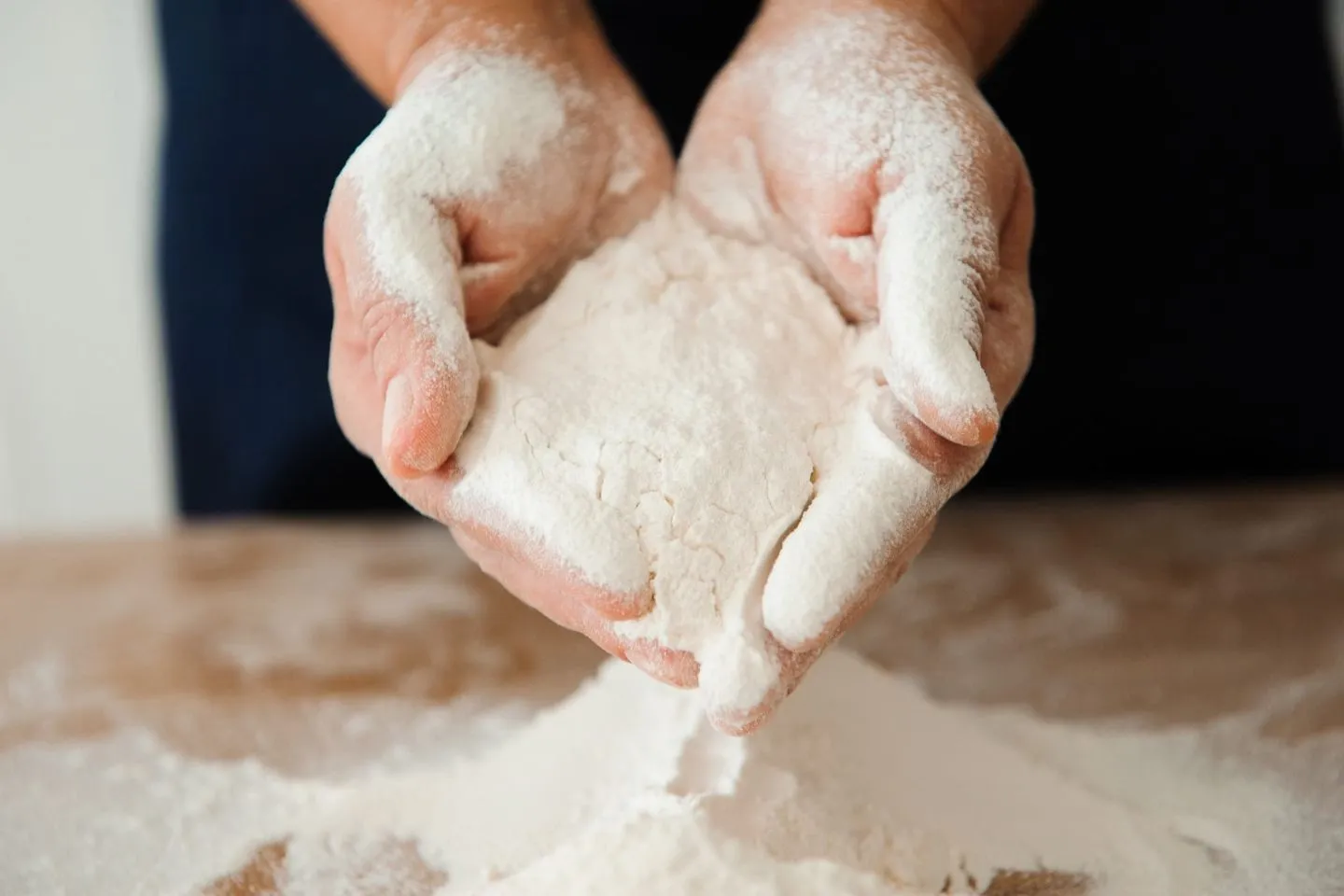
- Wheat Flour: Used in small amounts to thicken the batter.
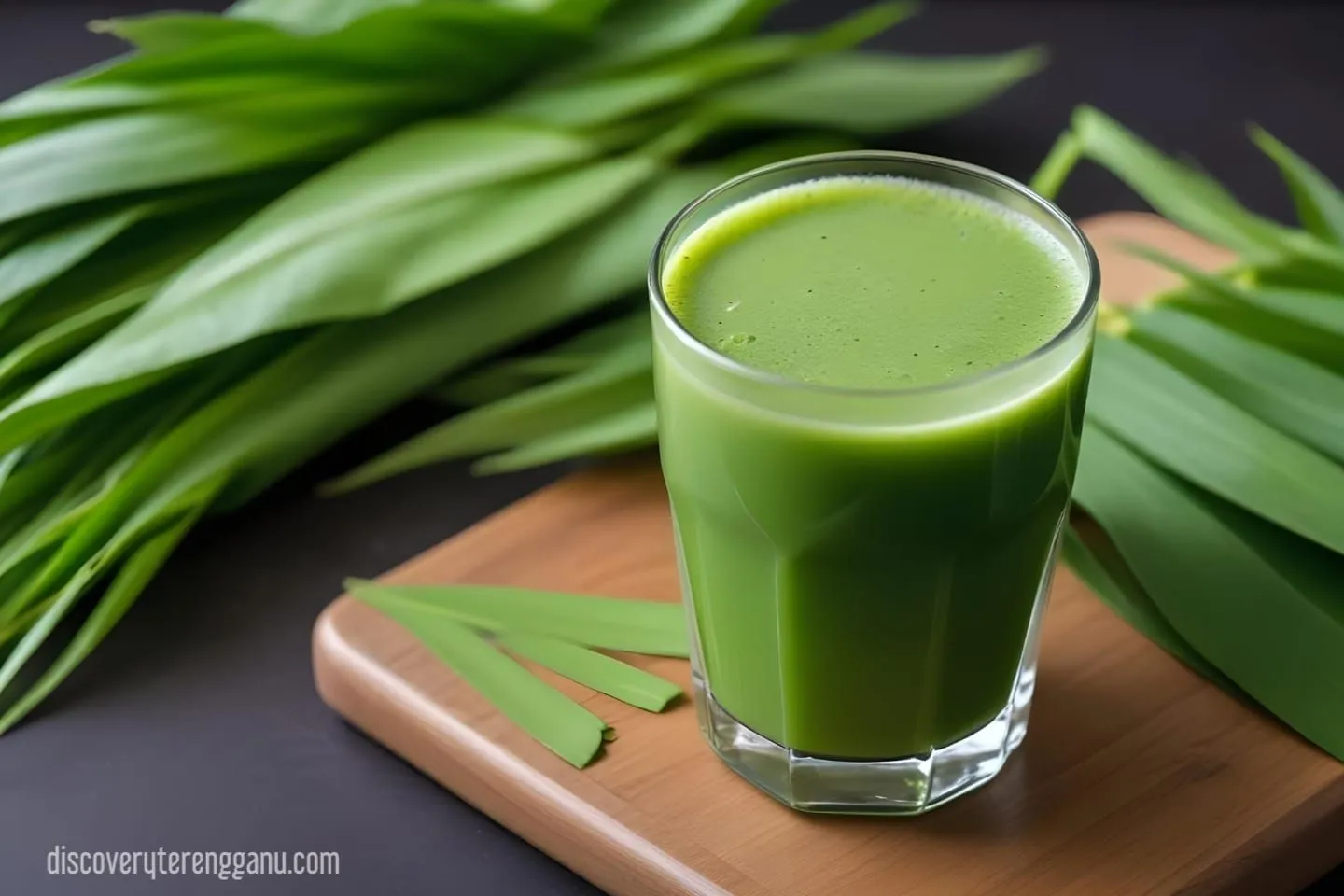
- Pandan Leaves (optional): Sometimes used to add a fragrant aroma to this kuih.
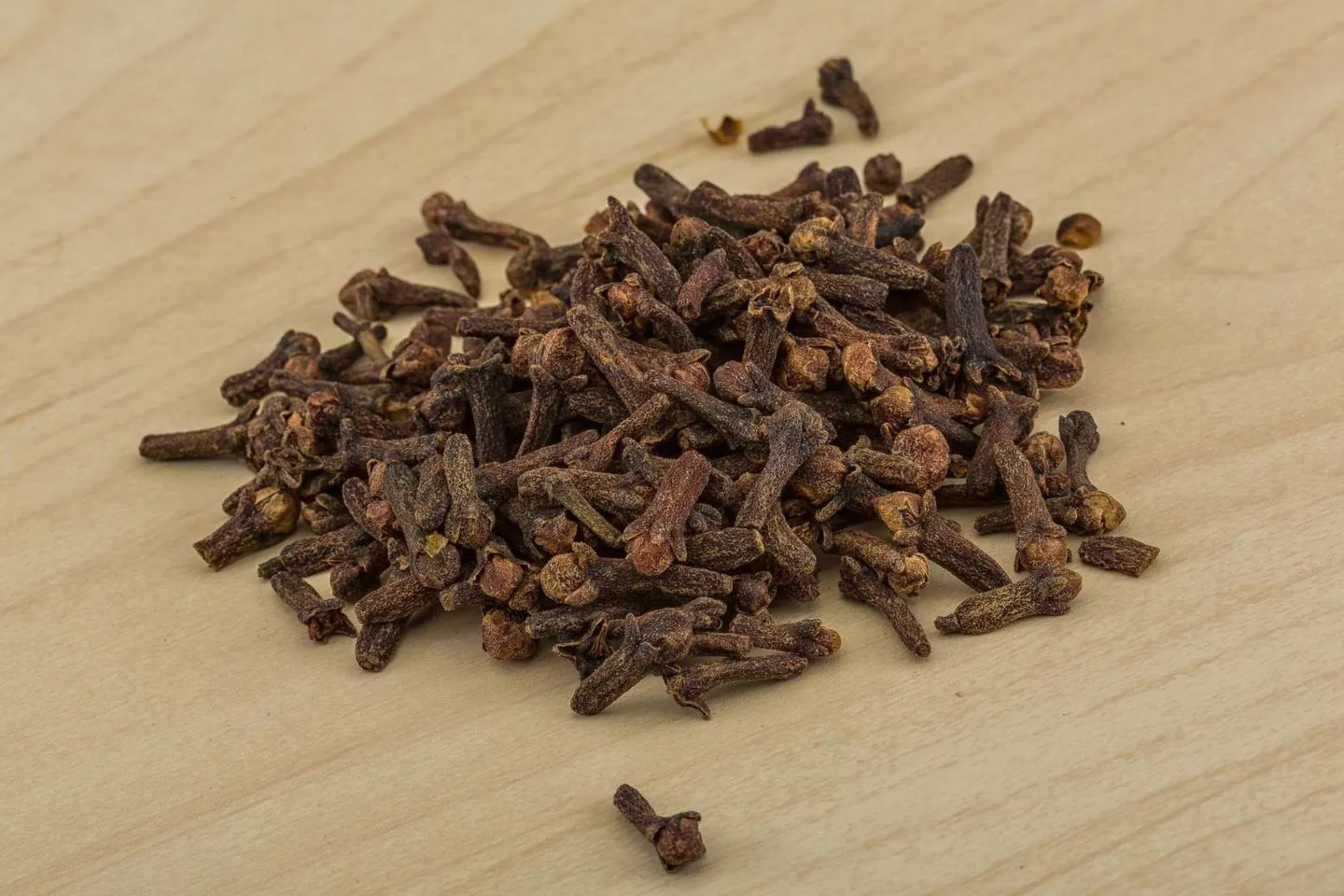
- Cloves: To reduce the eggy smell of the kuih.
How to Make Akok Terengganu
How to Make Akok Terengganu
Preparing the Batter: The gula Melaka is first melted and then mixed with coconut milk. The mixture is then left to cool. The eggs are then lightly beaten before being mixed with the coconut milk and melted sugar. Wheat flour is added a little at a time to keep the batter from going lumpy.
Cooking the Kuih: The batter is then poured into special moulds, usually oval or round. Traditionally, kuih akok is baked using hot charcoal placed above and below the mould so that the kuih cooks evenly. Today, however, it can also be baked in an oven.
Baking Process: Kuih Akok is usually baked until the surface looks brown and slightly crusty, while the inside remains soft and slightly moist. Baking time depends on the size and type of mould used.
Qualities of a Good Kuih Akok
Qualities of a Good Kuih Akok
A good Kuih Akok should have the following qualities:
- Texture: Soft and slightly chewy on the inside, with a slightly crusty outside.
- Taste: Sweet with a well-balanced richness, never overpowering.
- Aroma: Fragrant, especially when pandan leaves are used.
Variations of Kuih Akok
Variations of Kuih Akok
There are several variations of Kuih Akok to be found, including:
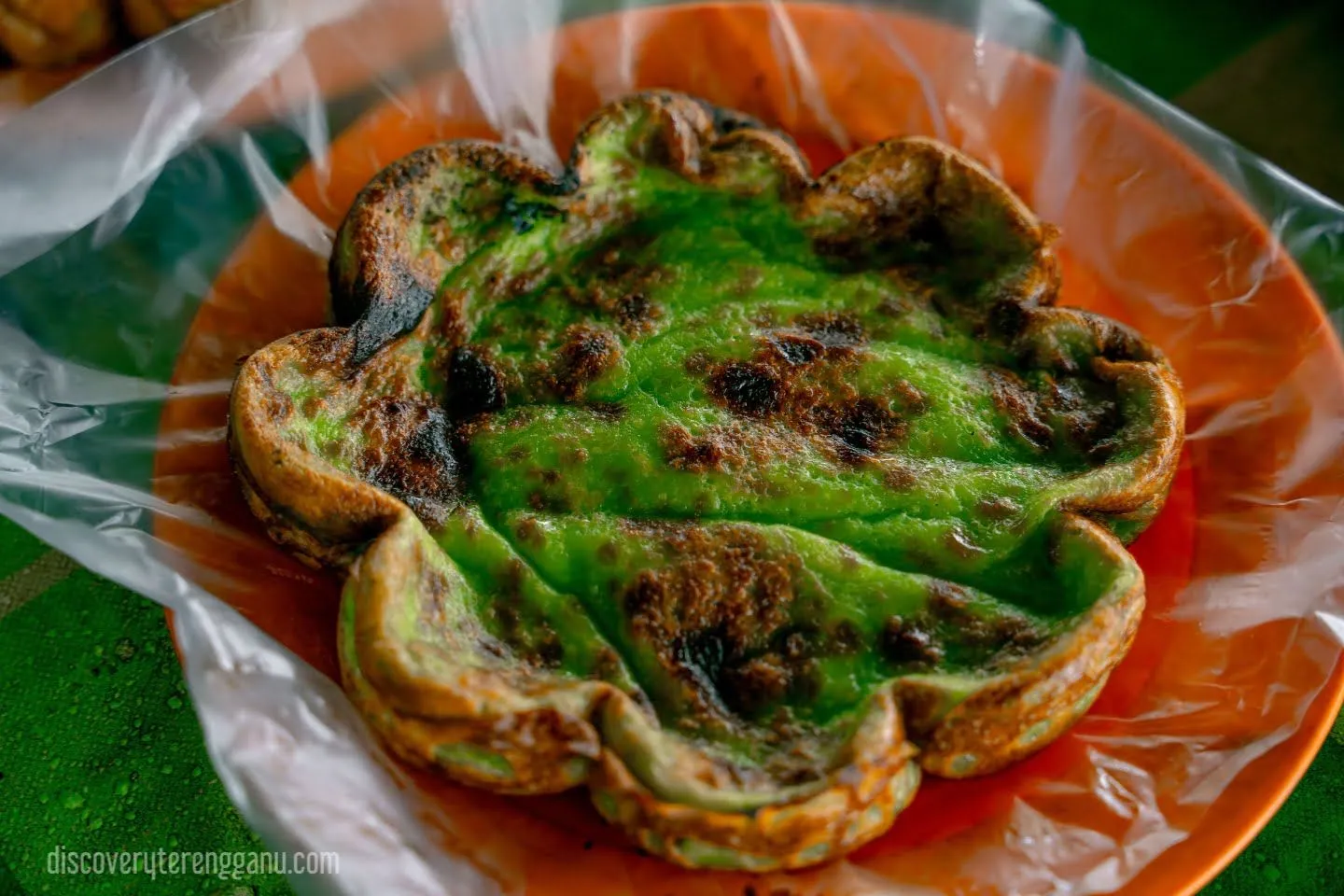
- Akok Daun Pandan: Uses pandan leaves for a more fragrant aroma.
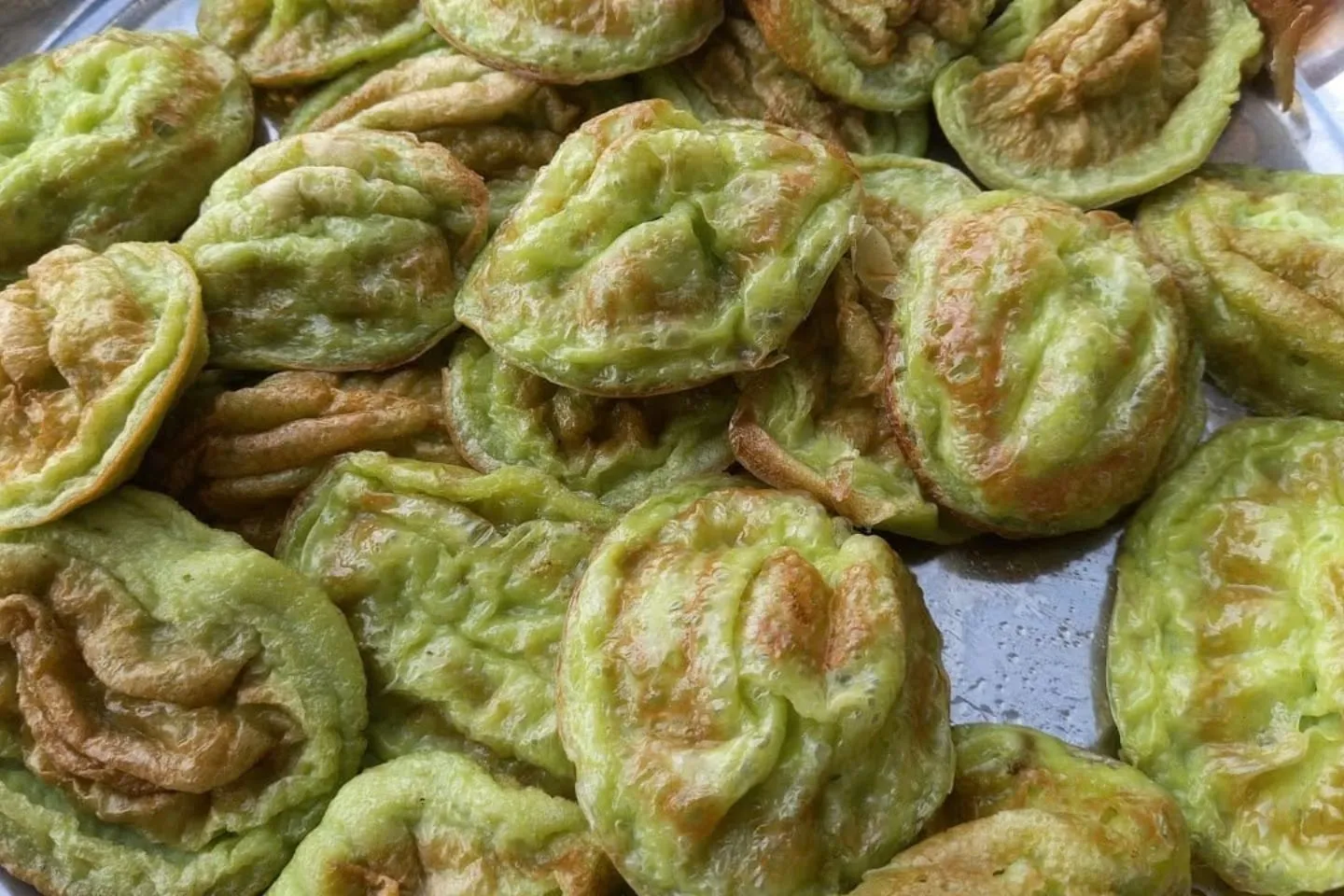
- Akok Biasa: The simplest and most authentic version, using only the basic ingredients with nothing added.
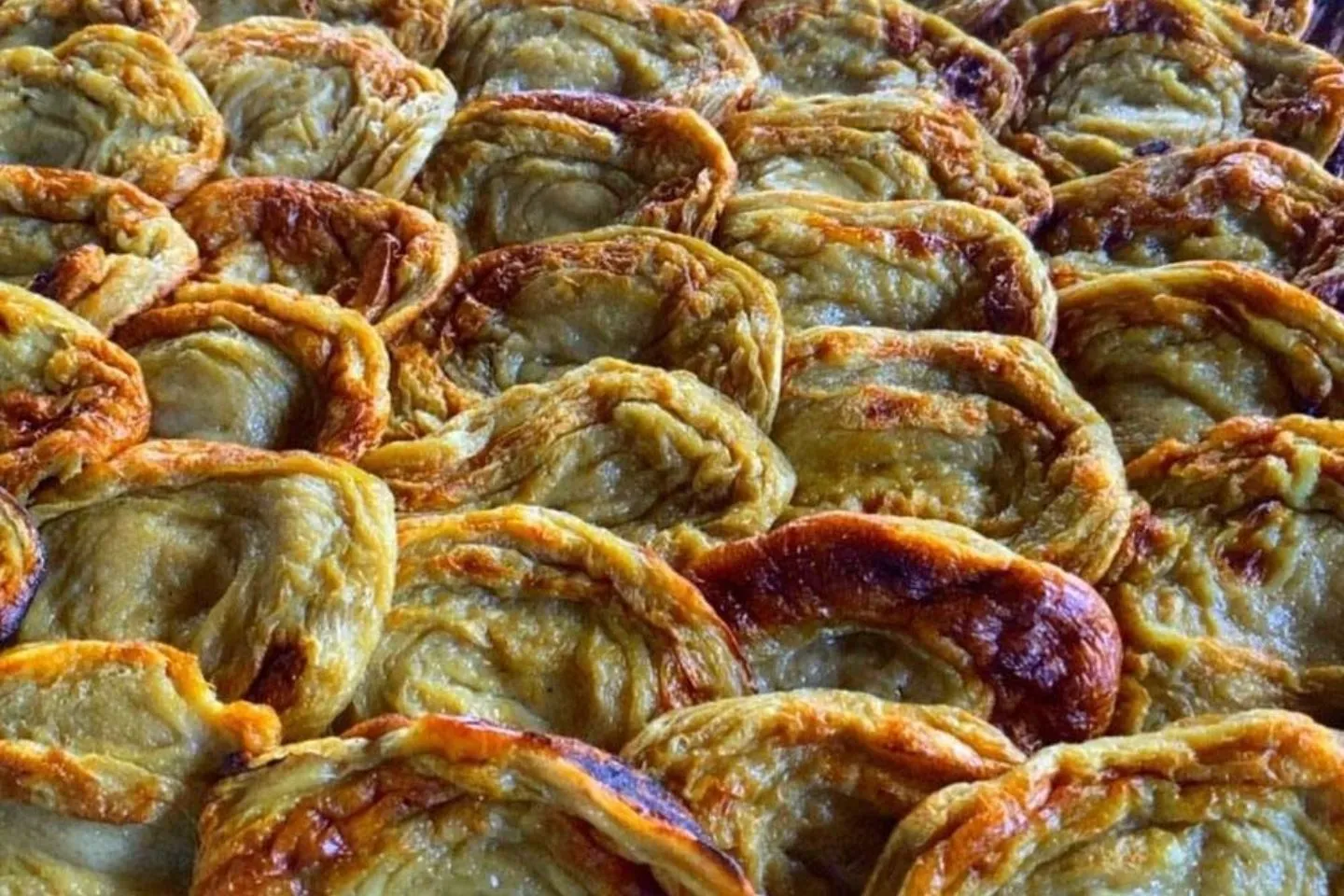
- Akok Kedut Kelantan: Often sweeter and darker in colour because more gula Melaka is used.
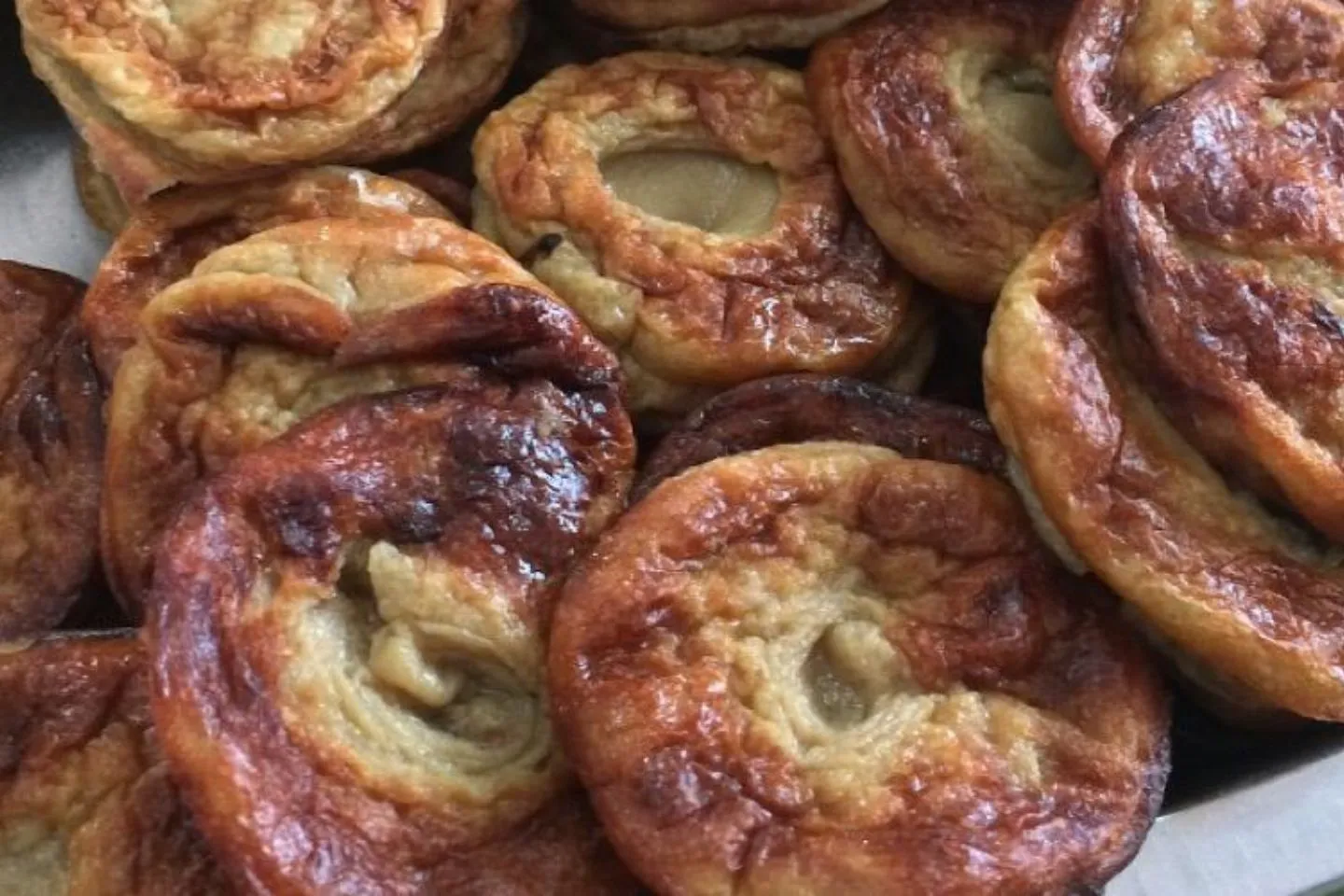
- Akok Bunga: Much like the regular akok, only shaped like a flower.
Culture and Significance
Culture and Significance
Kuih Akok is not just a sweet treat; it also carries great cultural and traditional value, especially in East Coast communities. It is often served at traditional occasions such as wedding feasts and religious events, and is also given as a gift to guests.
Overall, Kuih Akok reflects Malaysia's rich culinary heritage, especially in Terengganu and Kelantan, and remains a kuih loved by many generations.
Photo Credits
Photos for the Akok Terengganu Blog Post
- Freepik (Licensed)
- Akok Daun Pandan : Rezeki Dapur Kita
- Akok Biasa : Sinar Harian
- Akok Kedut Kelantan : Sinar Plus
Disclaimer: We are not responsible for any unintentional copyright infringement. All images are used in good faith for educational and research purposes only.