
Recipes for Dishes with Gravy
Kari Ikan Tenggiri
A traditional recipe, its history and how to cook it well
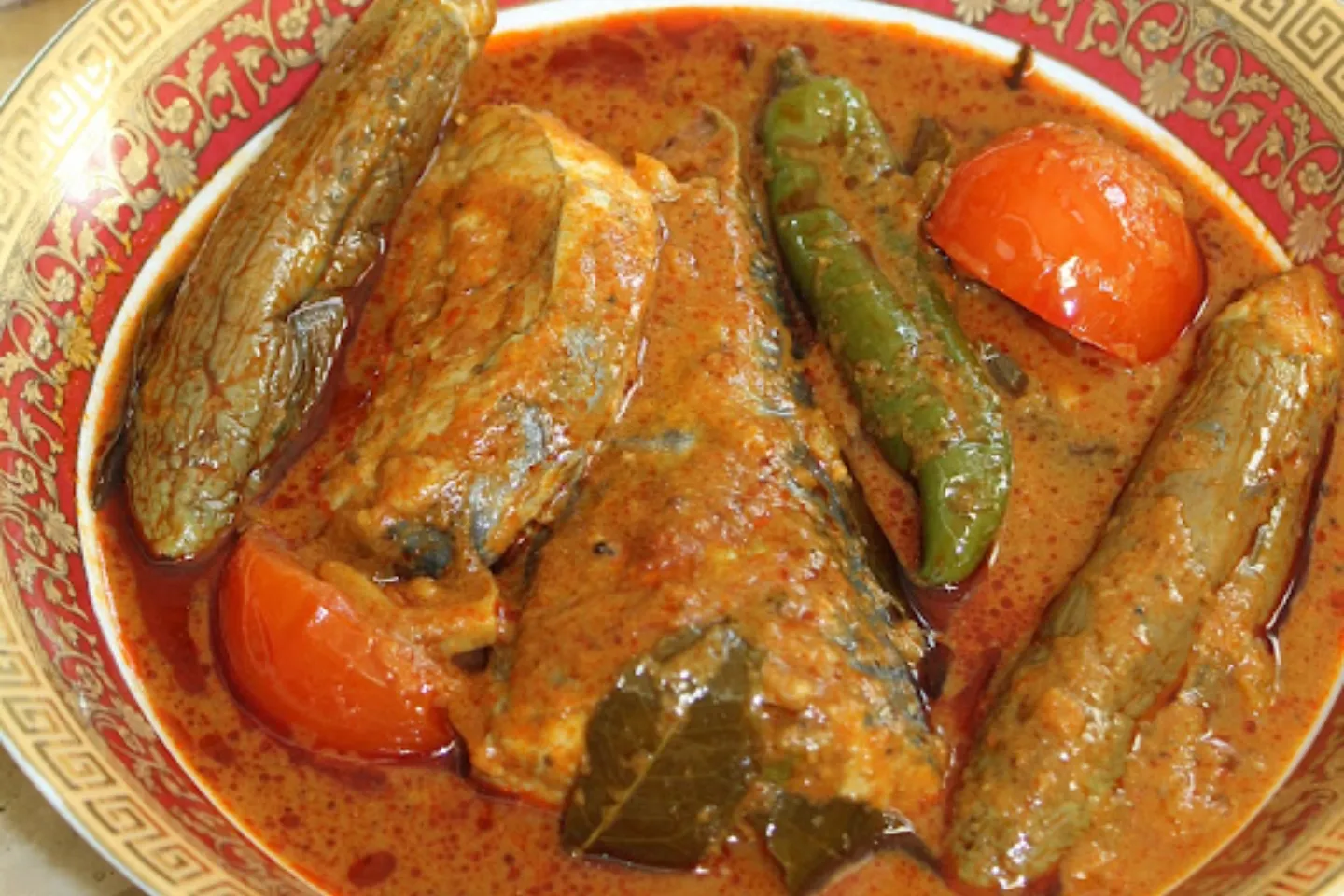
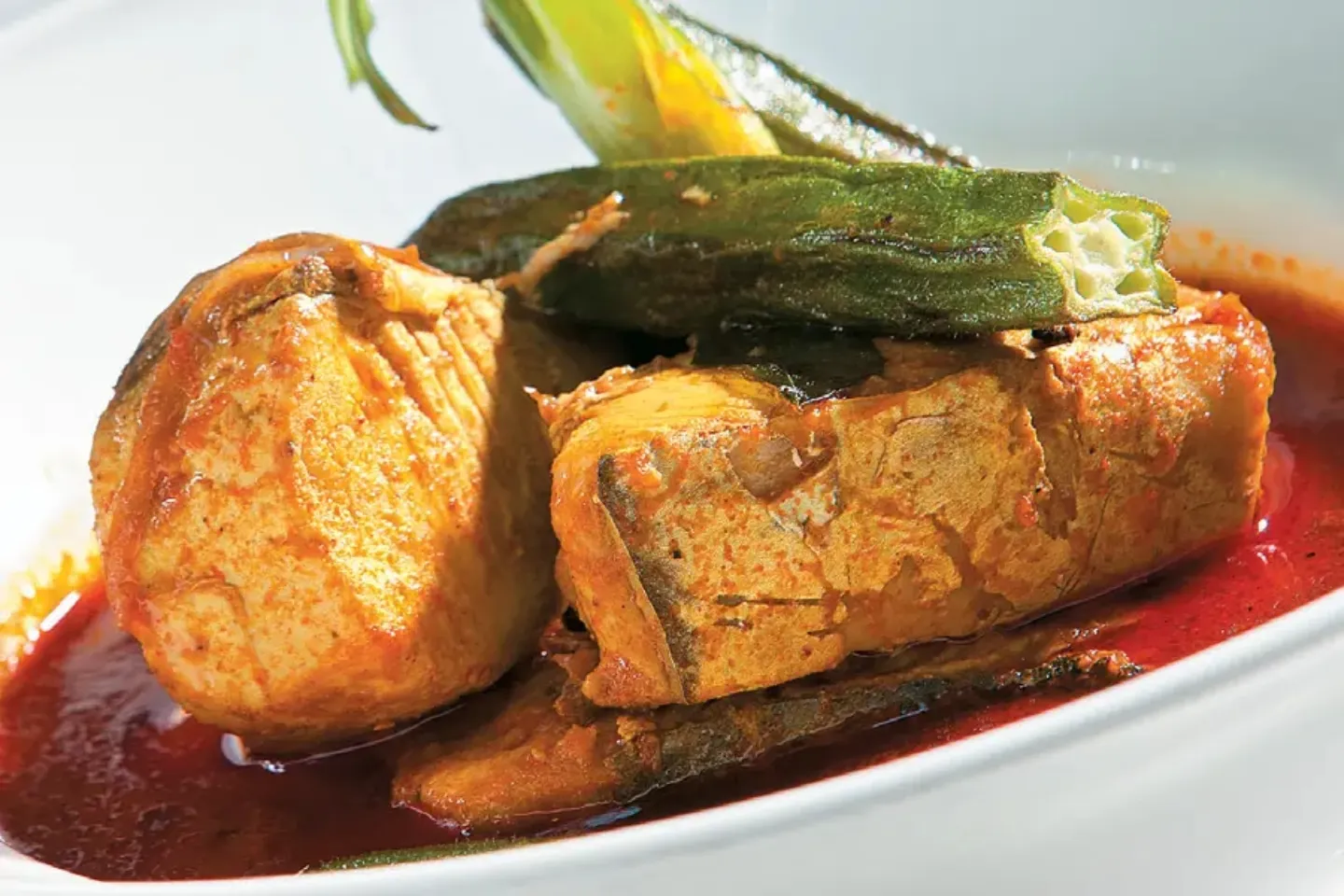
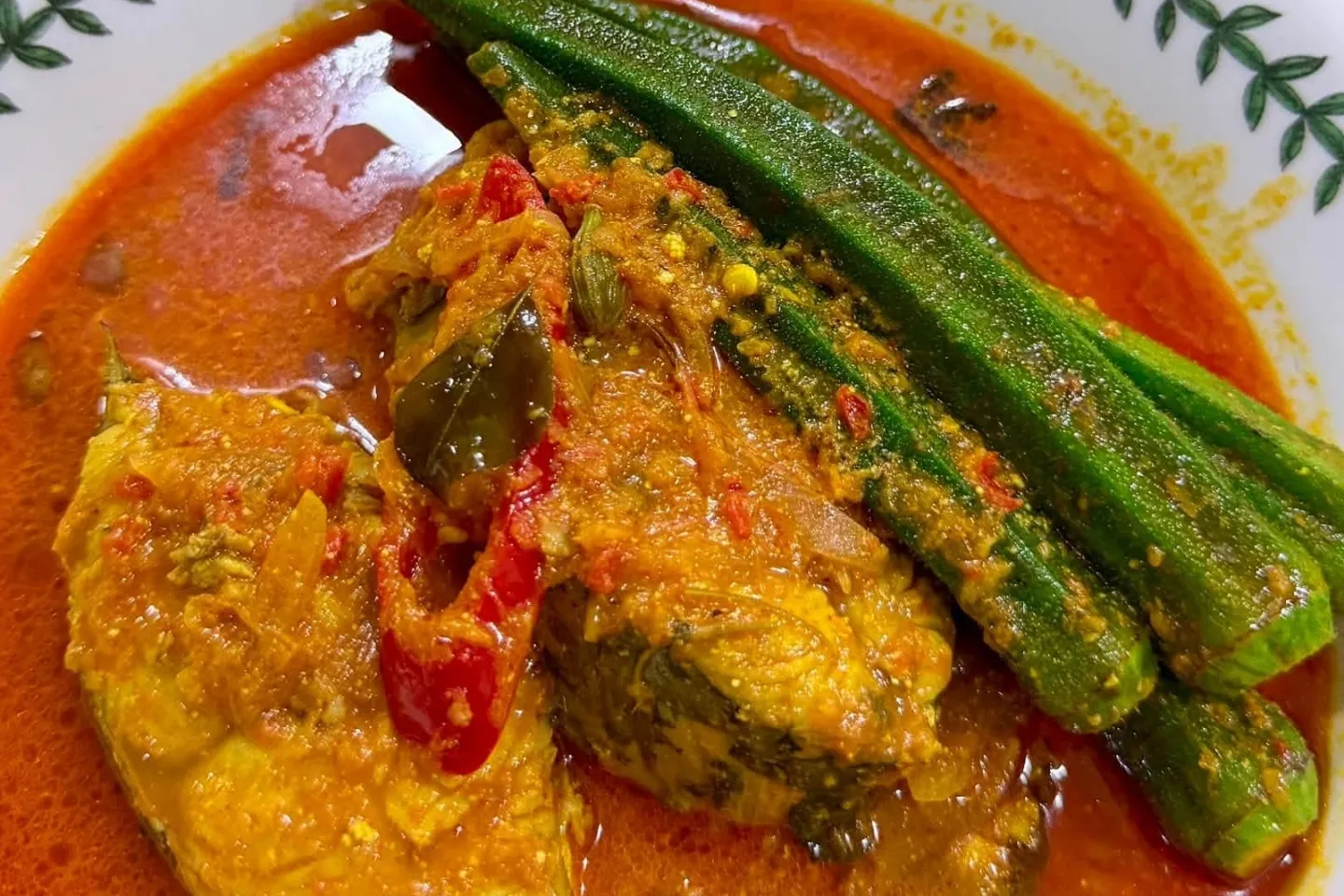
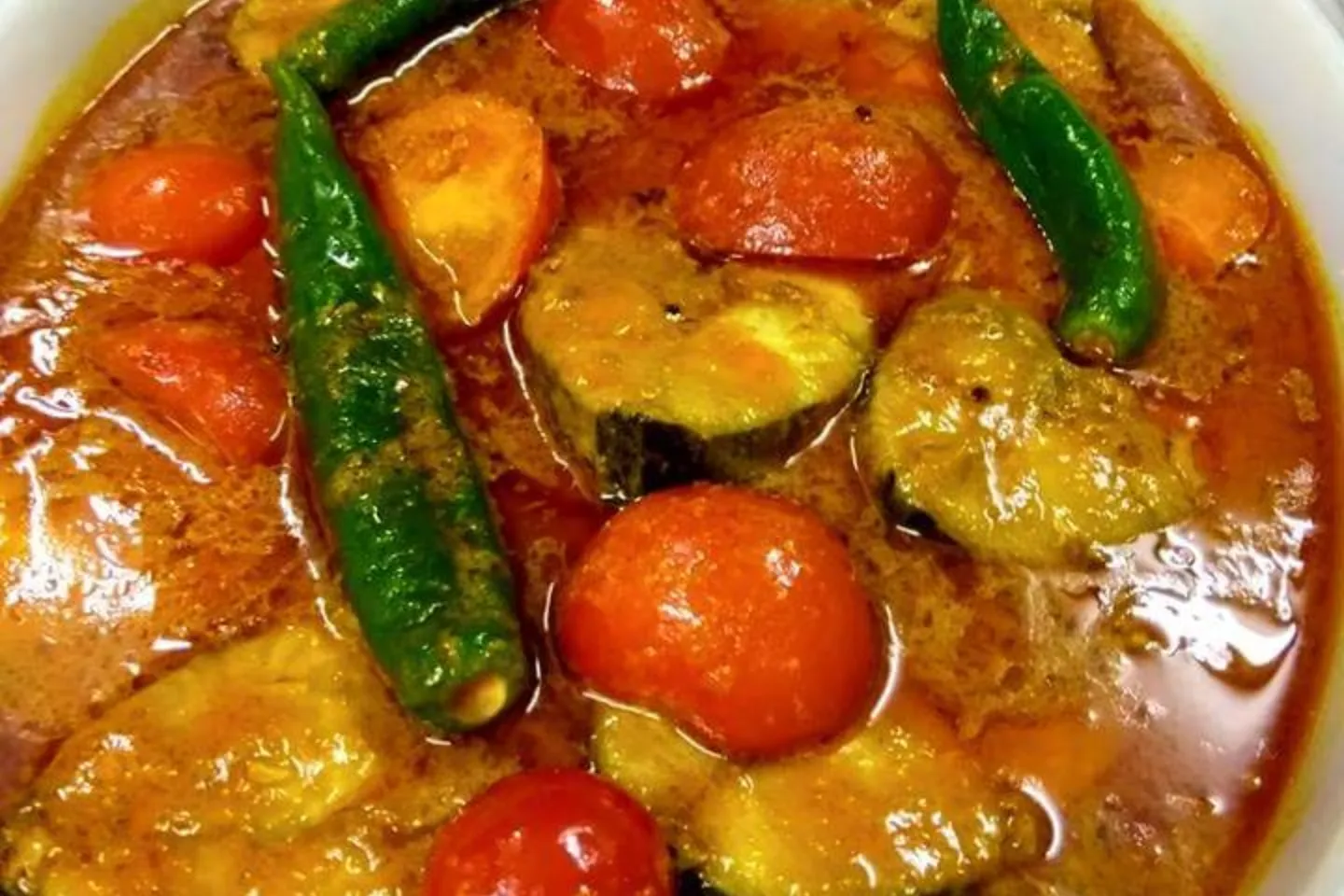
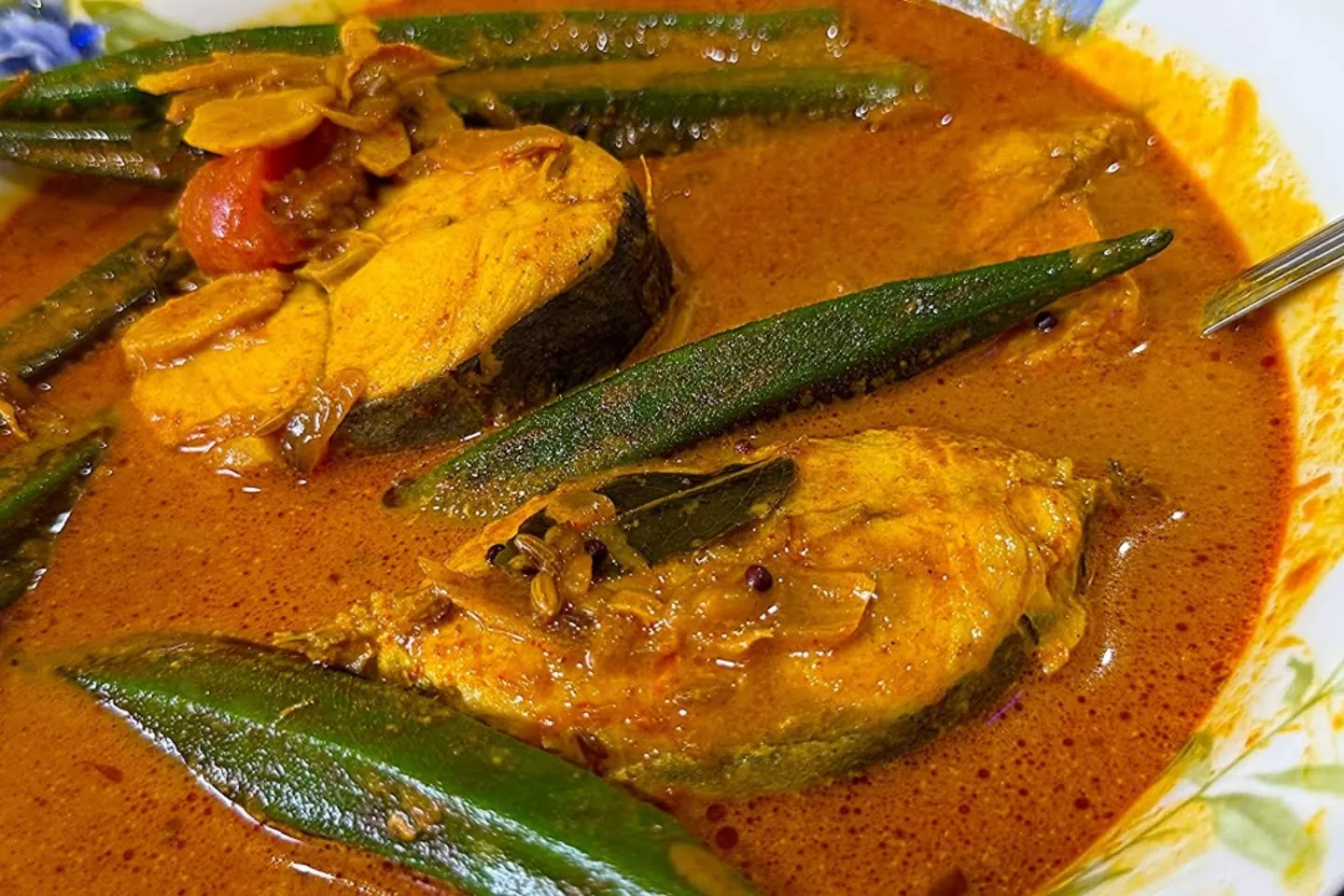
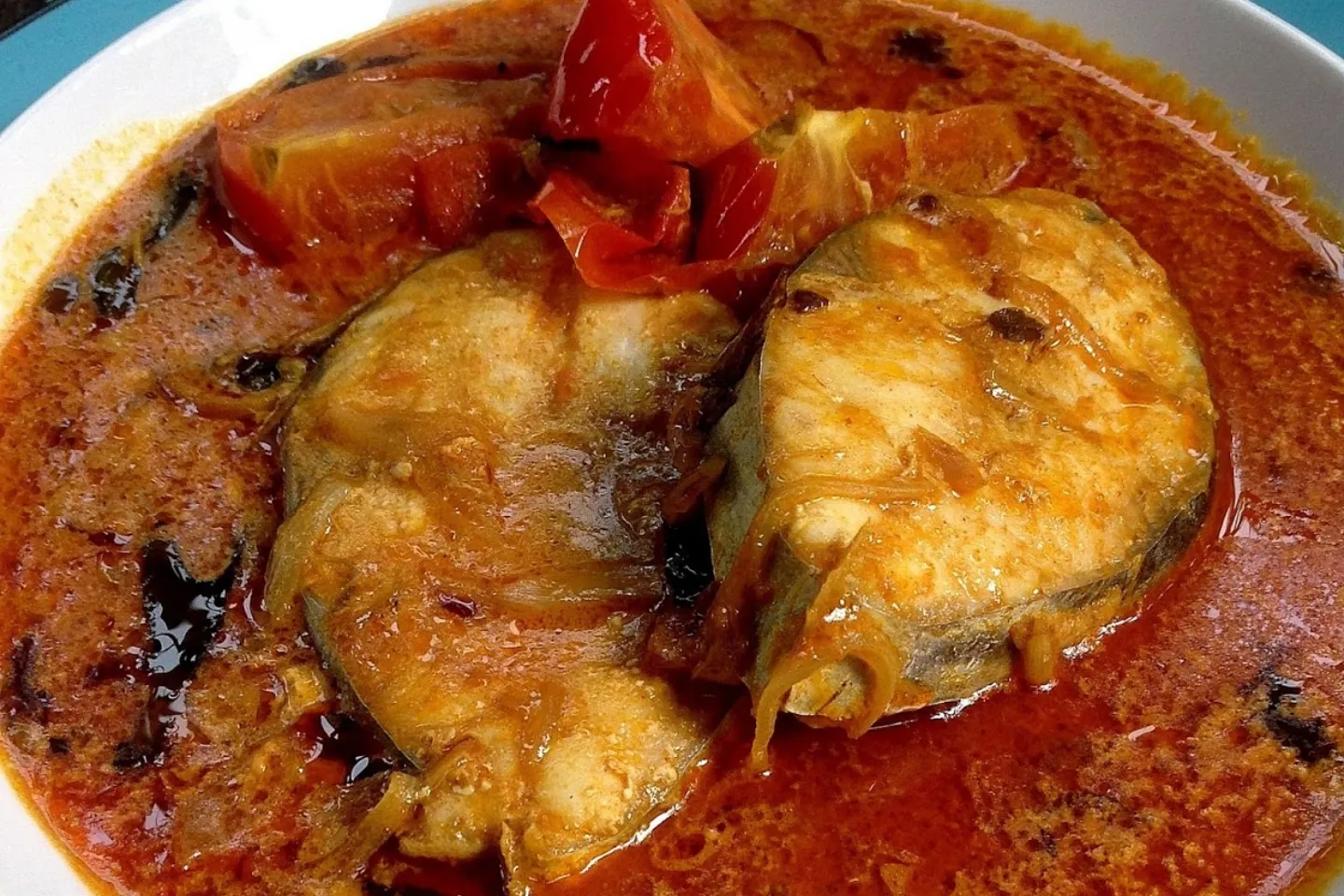
Firm Spanish mackerel, a thick spiced curry gravy, a touch of sourness from tamarind and the aroma of curry leaves filling the kitchen. A saucy dish that is truly hard to resist when eaten with hot white rice.
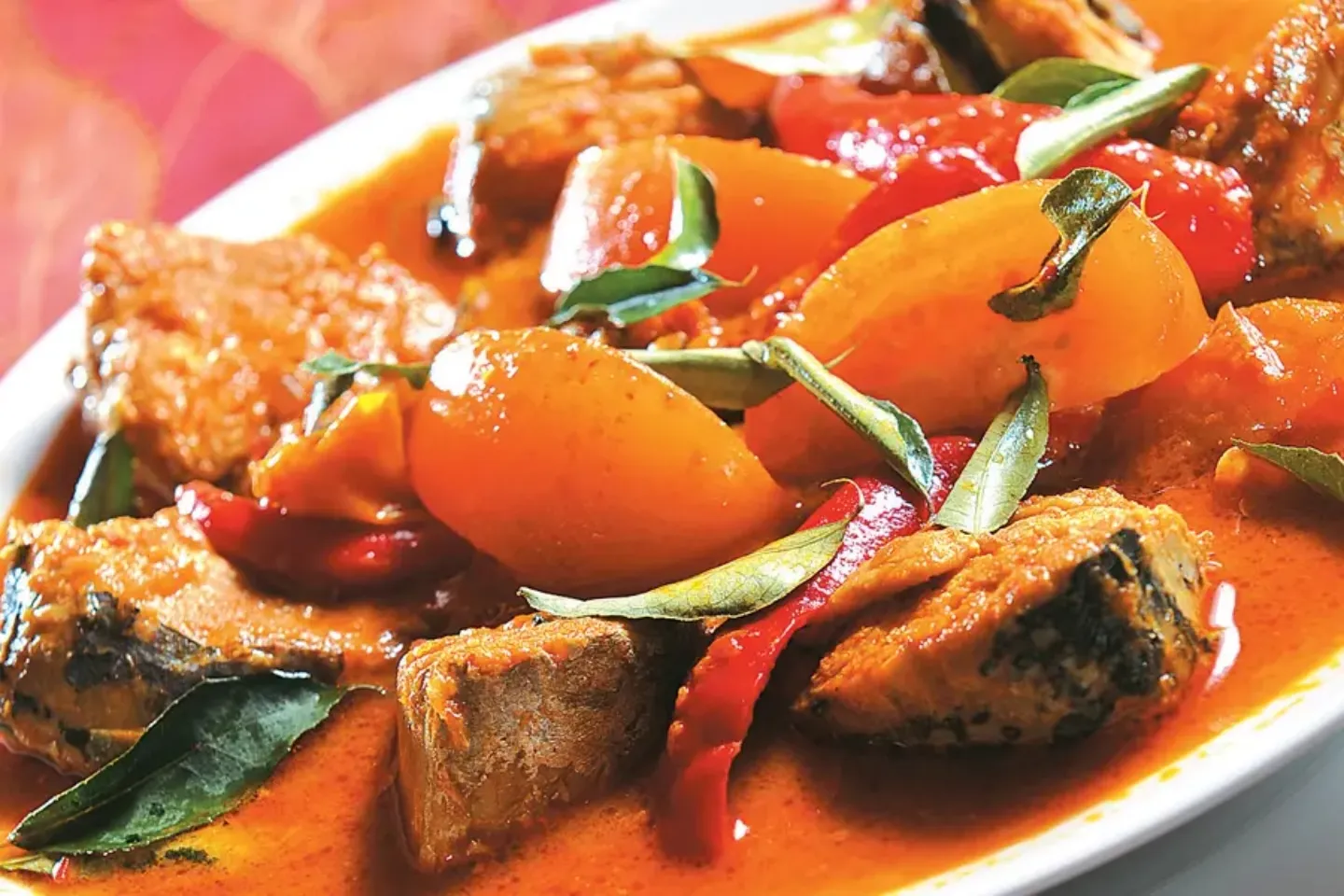
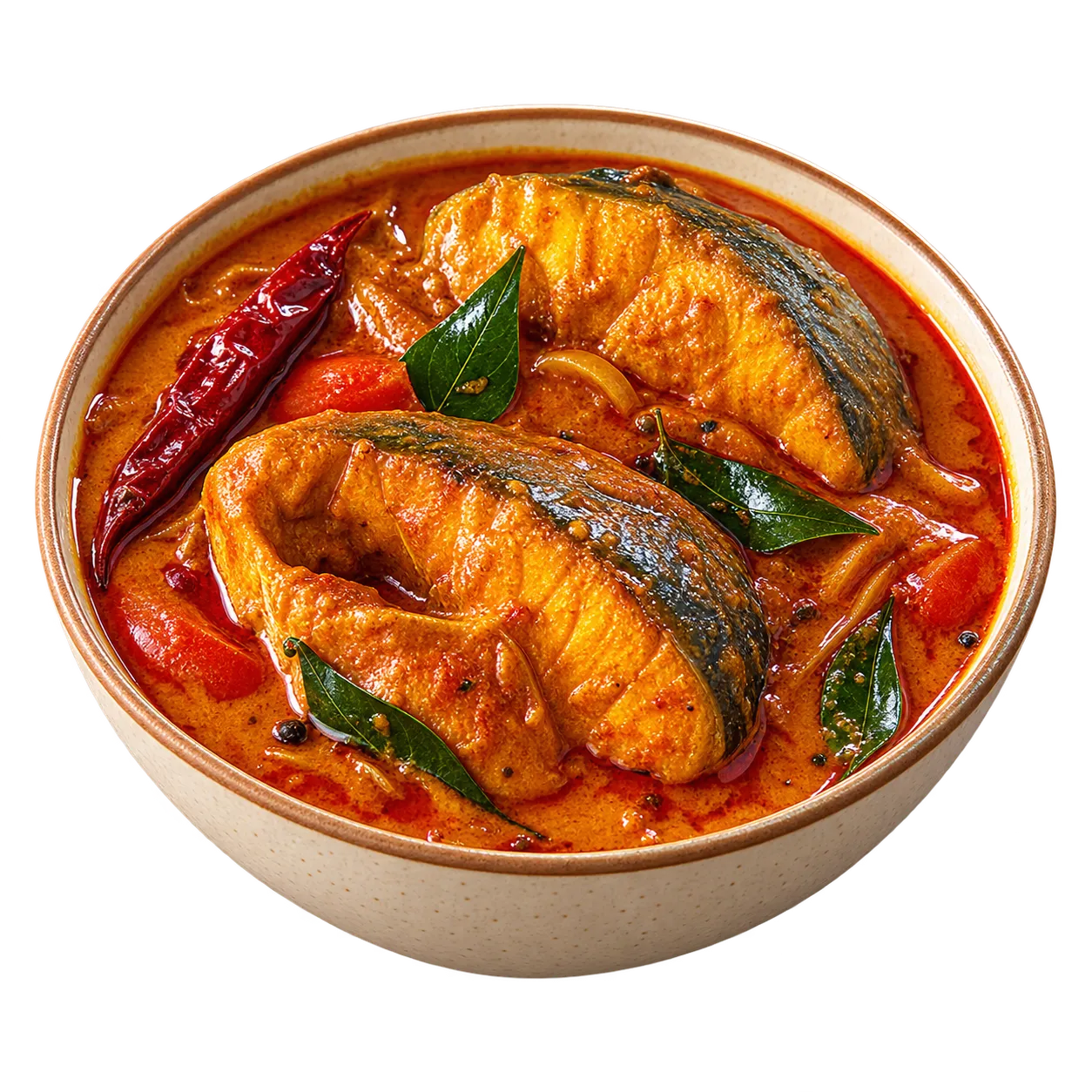
Thick spiced gravy
Curry spices sautéed until the oil separates give the gravy a deep colour and flavour.
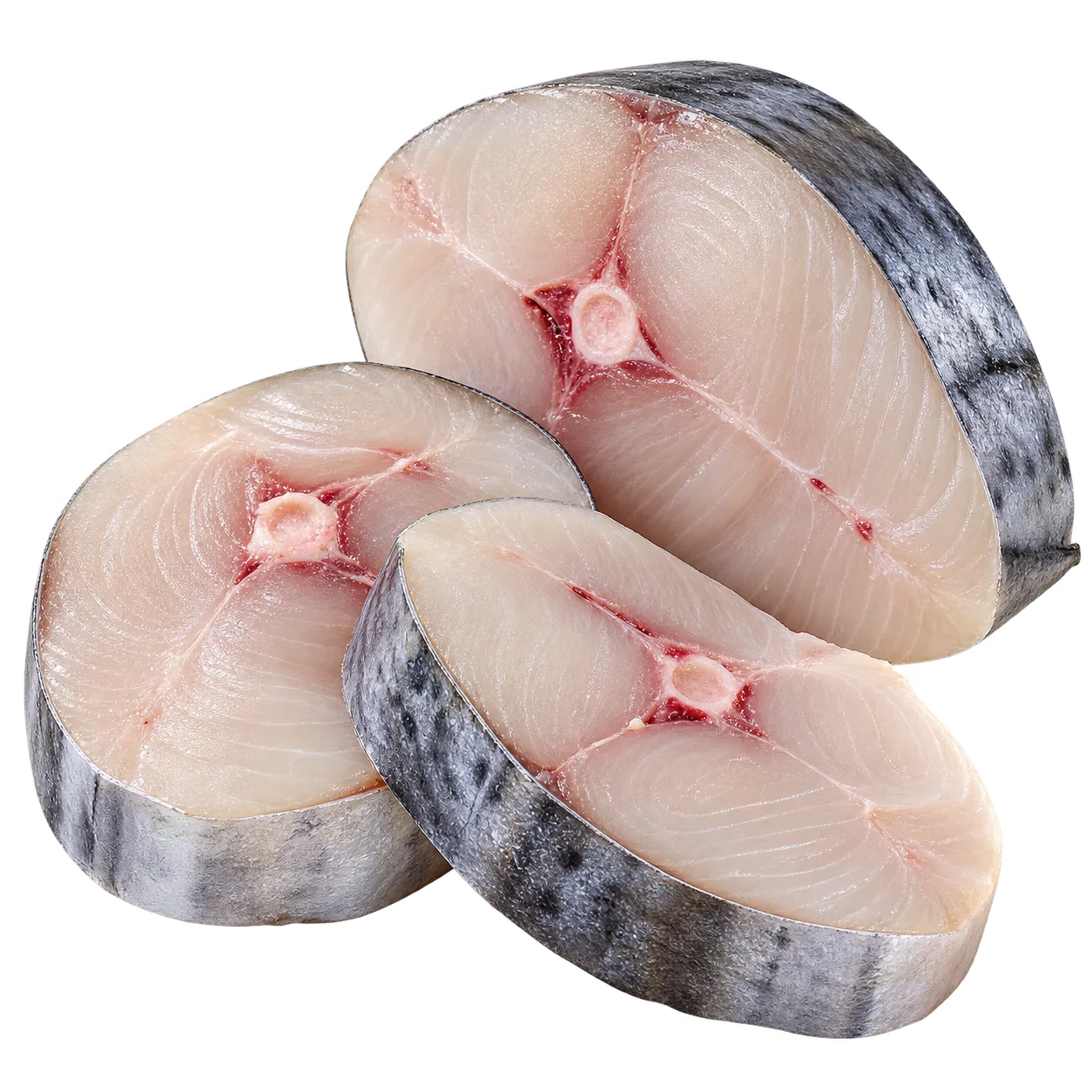
Firm mackerel flesh
A thick texture that does not break apart easily, even when simmered in the gravy.
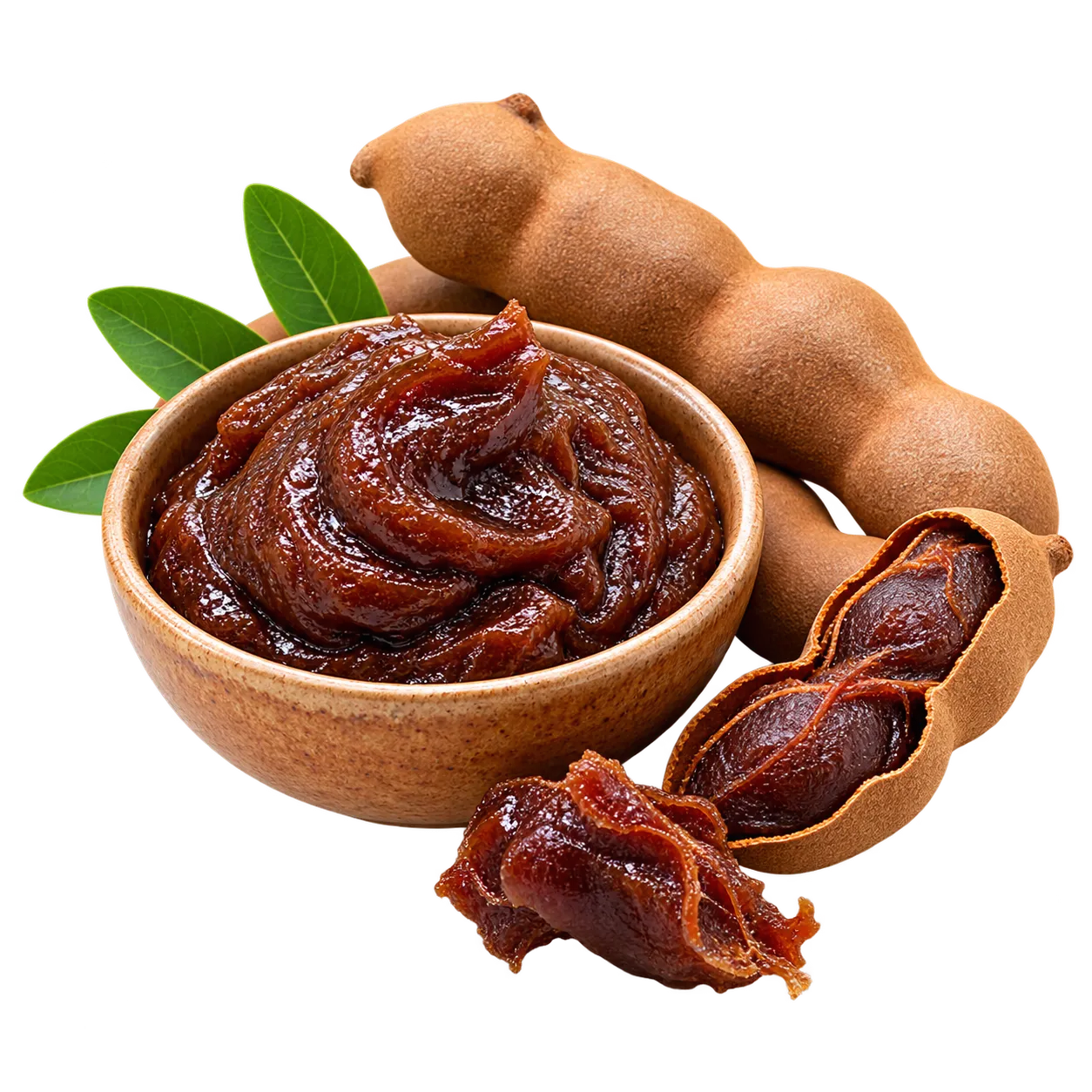
Tamarind tang
A sourness that balances the richness of the coconut milk, the spices and the heat of the chillies.
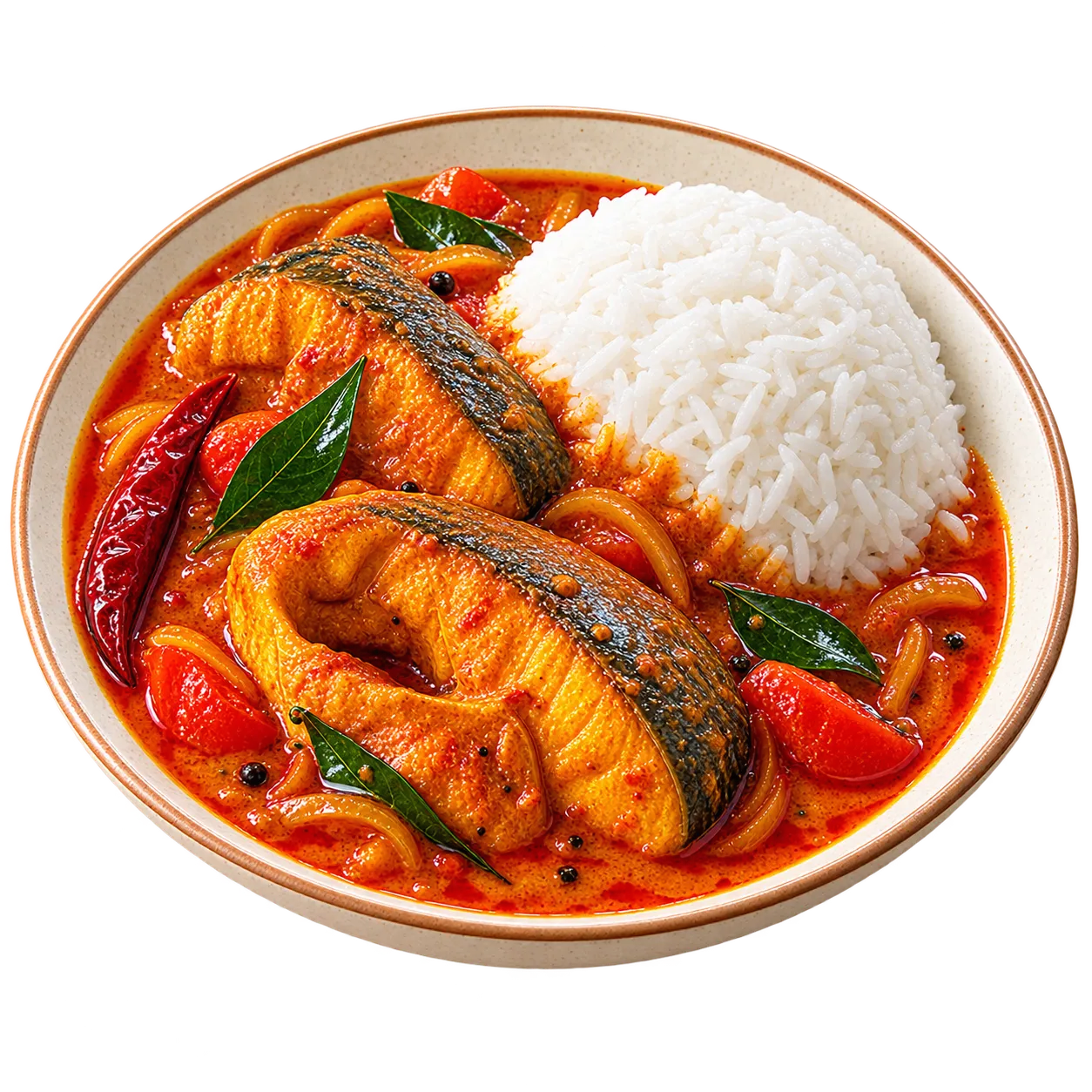
Perfect with rice
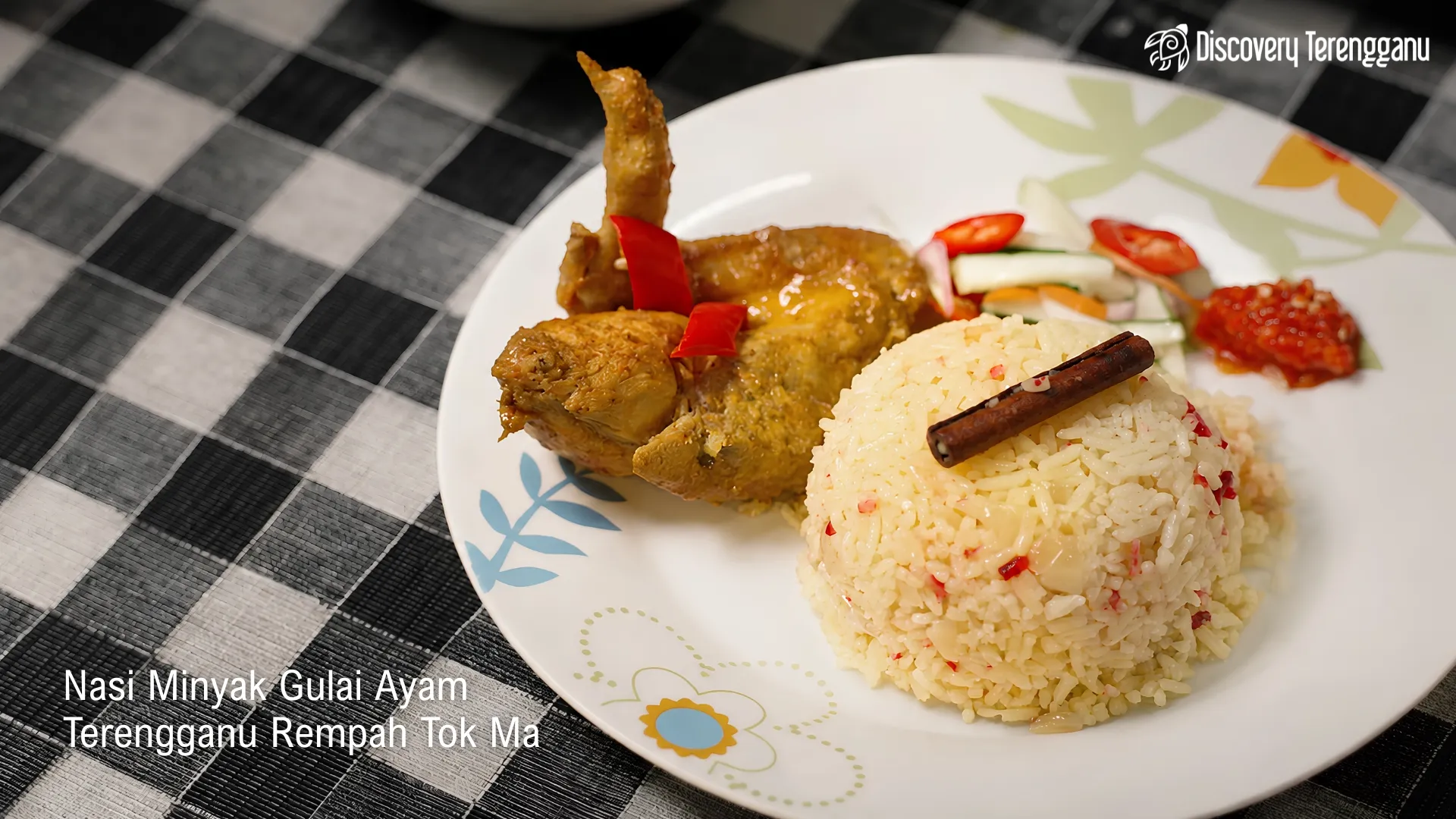
Goes well with white rice, nasi minyak, nasi kunyit or roti canai.
What is Spanish Mackerel Curry?
Spanish Mackerel Curry is a dish of Spanish mackerel steaks cooked in a gravy based on fish curry spices. Although the name is simple, the way it is prepared varies from family to family and from region to region.
Some use coconut milk for a richer gravy, while the Mamak style puts more emphasis on spices, tamarind, curry leaves and fenugreek. It is this combination of spice, sourness and richness that makes it ideal with white rice, roti canai or flavoured rice.
Common basic ingredients
- Spanish mackerel and fish curry spices as the main base.
- Shallots, garlic and ginger, blended.
- Curry leaves and mixed spice seeds (halba campur) for aroma.
- Tamarind for a balancing sourness.
- Coconut milk for a thicker, richer gravy.
- Tomatoes, okra and chillies for vegetables and flavour.
Origins & history
It is hard to pin down a single place of origin for Spanish Mackerel Curry in Malaysia, as curry dishes developed through the meeting of many food cultures.
The influence of Indian and South Indian cooking is very clear in the use of curry leaves, mustard seeds, fenugreek, cumin, curry spices and tamarind. As the dish spread through Malaysian society, it began to be adapted to local ingredients such as coconut milk, okra, tomatoes, aubergine and all kinds of sea fish.
Three stages of development
South Indian influence
Curry leaves, mustard seeds, fenugreek and tamarind came in through Indian culinary traditions.
Mamak-style adaptation
The spices become more pronounced, with a gravy that is not necessarily rich.
Malay home version
Coconut milk, ground chillies, okra, aubergine and tomatoes added to suit the family's taste.
Why is Spanish mackerel ideal for curry?
Firmer flesh
Spanish mackerel is not too soft, so it is less likely to break apart when added to a boiling curry gravy.
Thick flesh
Spanish mackerel steaks are usually thick. This makes them delicious as the curry gravy soaks into the outer part of the fish.
The fish does not overpower the spices
Spanish mackerel has enough flavour to be enjoyed on its own, yet still pairs well with a gravy rich in spices.
Suits a sour, rich gravy
Spanish mackerel pairs well with tamarind, coconut milk, tomatoes and curry spices.
Discovery Terengganu · Traditional Food
An easy Spanish Mackerel Curry recipe
A basic version for 4 to 5 people. The amount of water and tamarind can be adjusted to get the gravy as thick as you like.
Main ingredients
Blended ingredients
Cooking method
- 1
Prepare the fish
Clean the Spanish mackerel first. Drain until most of the excess water is gone so the fish cooks more easily and the gravy does not become too thin.
- 2
Prepare the spice paste
Mix the fish curry spices with a little water. Stir until it forms a paste. This helps stop the spice powder from burning easily when sautéed.
- 3
Sauté the ingredients
Heat the oil. Add the mixed spice seeds and curry leaves, then add the blended ingredients. Sauté until the onions turn slightly golden and release their aroma.
- 4
Add the curry spices
Add the curry spice paste and use medium or low heat. Sauté until the spices are fully cooked and the oil begins to separate.
Signs the spices are cooked
The oil starts to separate from the spice paste and the raw smell has gone.
Temperature warning
Spices that are not cooked enough give a raw or slightly bitter taste.
- 5
Add the water and tamarind
Add enough water, then add the tamarind juice. Let the gravy simmer gently so the spices blend well.
- 6
Add the coconut milk
Add the coconut milk and stir gently. Avoid using heat that is too high.
- 7
Add the Spanish mackerel
When the gravy starts to simmer gently, add the Spanish mackerel. Do not stir too often. Just give the pot a gentle shake if needed.
- 8
Add the okra and tomatoes
Add the okra, tomatoes and green chilli. Cook until the fish and vegetables are done.
- 9
Season
Add salt. If it tastes too sour, add a little sugar to balance the flavour, then turn off the heat.
Tips for a thick curry gravy
- Mix the spices into a paste before sautéing.
- Sauté until the oil truly separates.
- Do not pour in too much water at the start.
- Add the coconut milk late and stir gently.
- Simmer over low heat; do not boil hard.
- Let the curry rest briefly before serving.
Delicious served with
discoveryterengganu.com/kari-ikan-tenggiri Adjust the water to suit the thickness of the gravy
Secrets of a good curry & common mistakes
A good curry does not depend only on how much spice you use. Cooking technique matters just as much.
Make sure the spices are fully cooked
The spices must be sautéed until the raw aroma has gone and the oil starts to separate from the paste. Use medium heat. Heat that is too high will burn the spices before they have a chance to cook.
The role of tamarind in fish curry
Tamarind does more than add sourness. It balances the richness of the coconut milk, the spices, the taste of the fish and the heat of the chillies. That is why fish curry is usually more sour than chicken or beef curry.
Common mistakes
- The spices are not sautéed long enough, so the gravy tastes raw.
- Too much water, so the spices lose their punch.
- Too much tamarind, so the sourness overpowers the spices.
- Stirring the fish too often, so the pieces break apart easily.
- Adding the fish too early, so the flesh dries out.
Tips for choosing Spanish mackerel
- Choose thick steaks from the body.
- Look for flesh that is fresh and not dull.
- A normal sea smell, not an overly strong odour.
- Do not cut it too thin, as it breaks apart easily.
Differences by state style
A general overview only. Every region and family has its own identity, so there is no single absolute formula for the "most authentic" fish curry.
| Lifestyle | Gravy character | Dominant flavour | Key features |
|---|---|---|---|
| East Coast | Richer and creamier | Spices with coconut milk | Best eaten with white rice |
| Mamak / Malaysian Indian | Not necessarily rich | Spices, curry leaves, fenugreek, mustard seeds, tamarind | Spices are the most prominent flavour |
| Penang / Nyonya | Thinner and spicier | Sour and chilli | More aromatic than other versions |
| Melaka / Nyonya | Herby and aromatic | Lemongrass, turmeric, belacan, tamarind | The herbal aroma comes through more clearly |
| Malay family version | Coconut milk gravy with vegetables | Coconut milk, ground chillies, okra, tomatoes | Adapted to the family's taste |
Curry with coconut milk
Richer and creamier, with softer spice notes and a gravy that is usually fuller. This is the most common version in home cooking.
Curry without coconut milk
The spices are clearer, the sourness more pronounced and the gravy lighter. Close to some Mamak styles. Both are delicious; it depends on your taste.
Product picks · Promotional content
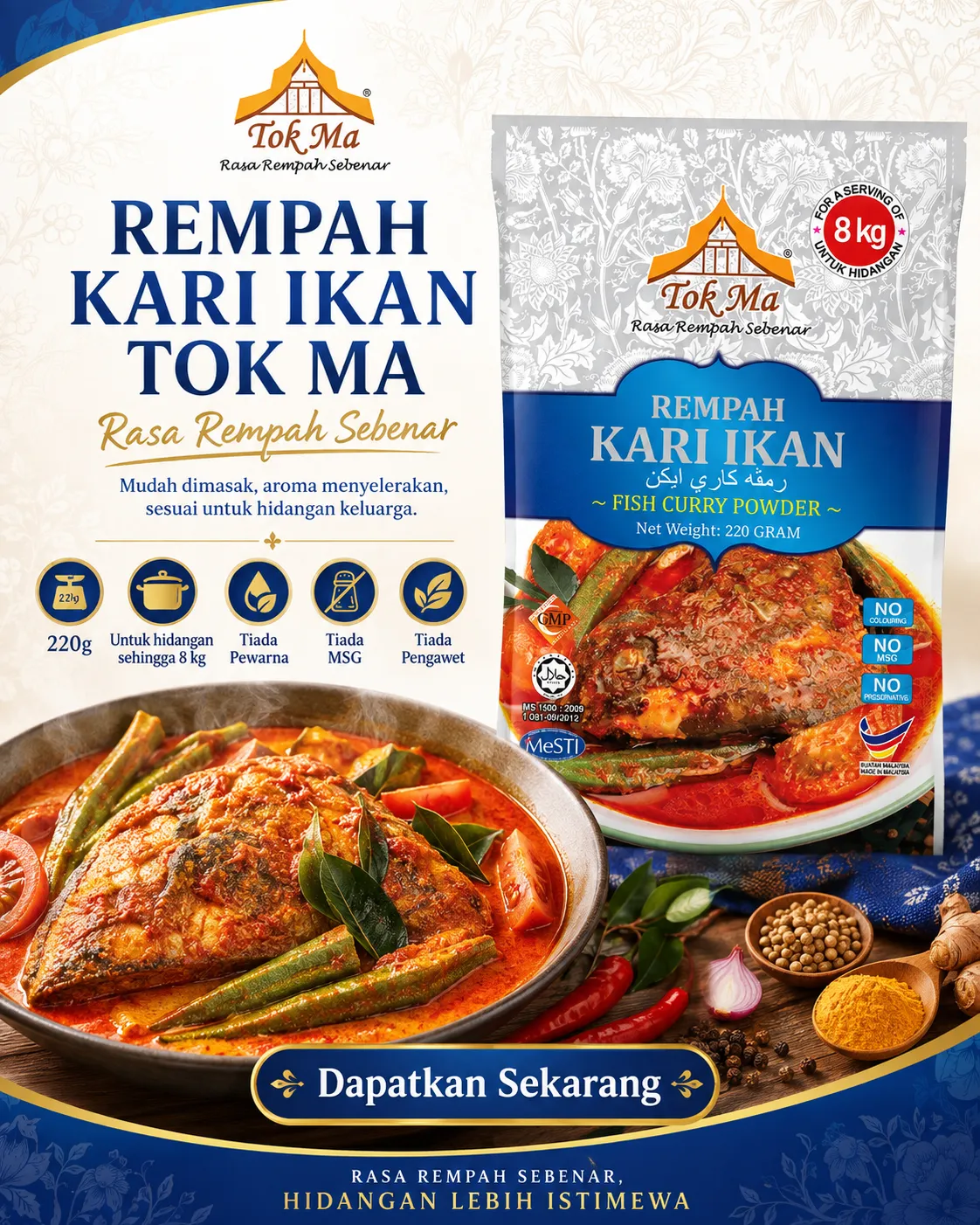
Rempah Gulai Kari Ikan Tok Ma
The most time-consuming part of making curry is getting the spice blend balanced. Rempah Gulai Kari Ikan Tok Ma can be used as a base so preparation is easier and the flavour more consistent.
Ideal for those just learning to cook curry, or for anyone who wants to prepare a family dish without having to mix lots of spices separately.
How to use Rempah Tok Ma in this recipe
Prepare the shallots, garlic and ginger, then sauté them with the curry leaves. Add Rempah Gulai Kari Ikan Tok Ma and sauté until the spices are cooked. Add the water and tamarind, add coconut milk if you like, then the Spanish mackerel.
Finally, add the okra and tomatoes. The other steps remain the same as in the recipe above.
Product picks · Promotional content
Muslim Food Industries Fine Salt
Salt is the final ingredient that decides whether your curry gravy works or not. A little too little and the spices taste flat. A little too much and the tamarind tang disappears.
Fine salt dissolves quickly in hot gravy, so it is easier to adjust bit by bit towards the end of cooking without the risk of it becoming far too salty.
Muslim Food Industries, a Bumiputera halal food producer in Terengganu since 1986, makes everything from yellow noodles to hill salt.

Soalan lazim
Does Spanish Mackerel Curry need coconut milk?
Not necessarily. Coconut milk makes it richer, but many versions of fish curry, including the Mamak style, can be made without it.
Which vegetables are suitable for fish curry?
Okra, tomatoes and aubergine are among the best choices because they soak up the gravy well without taking away from the spices.
Can I use fish other than Spanish mackerel?
Yes. Alternatives include red snapper, jenahak, pomfret, Indian mackerel and tongkol. However, the flavour and texture will differ from Spanish Mackerel Curry.
Why add tamarind?
Tamarind gives a sourness that helps balance the richness of the coconut milk and the spices in the curry.
How long should Spanish mackerel be cooked?
It depends on the thickness of the steaks. Generally the fish is simmered gently until it is cooked through to the centre. Avoid cooking it too long, as the texture can become dry or break apart easily.
What goes well with fish curry?
The simplest is hot white rice. It also goes well with roti canai, roti benggali, papadom or flavoured rice. A great lunchtime combination: white rice, Spanish mackerel curry, salted egg, ulam and sambal belacan.
Conclusion
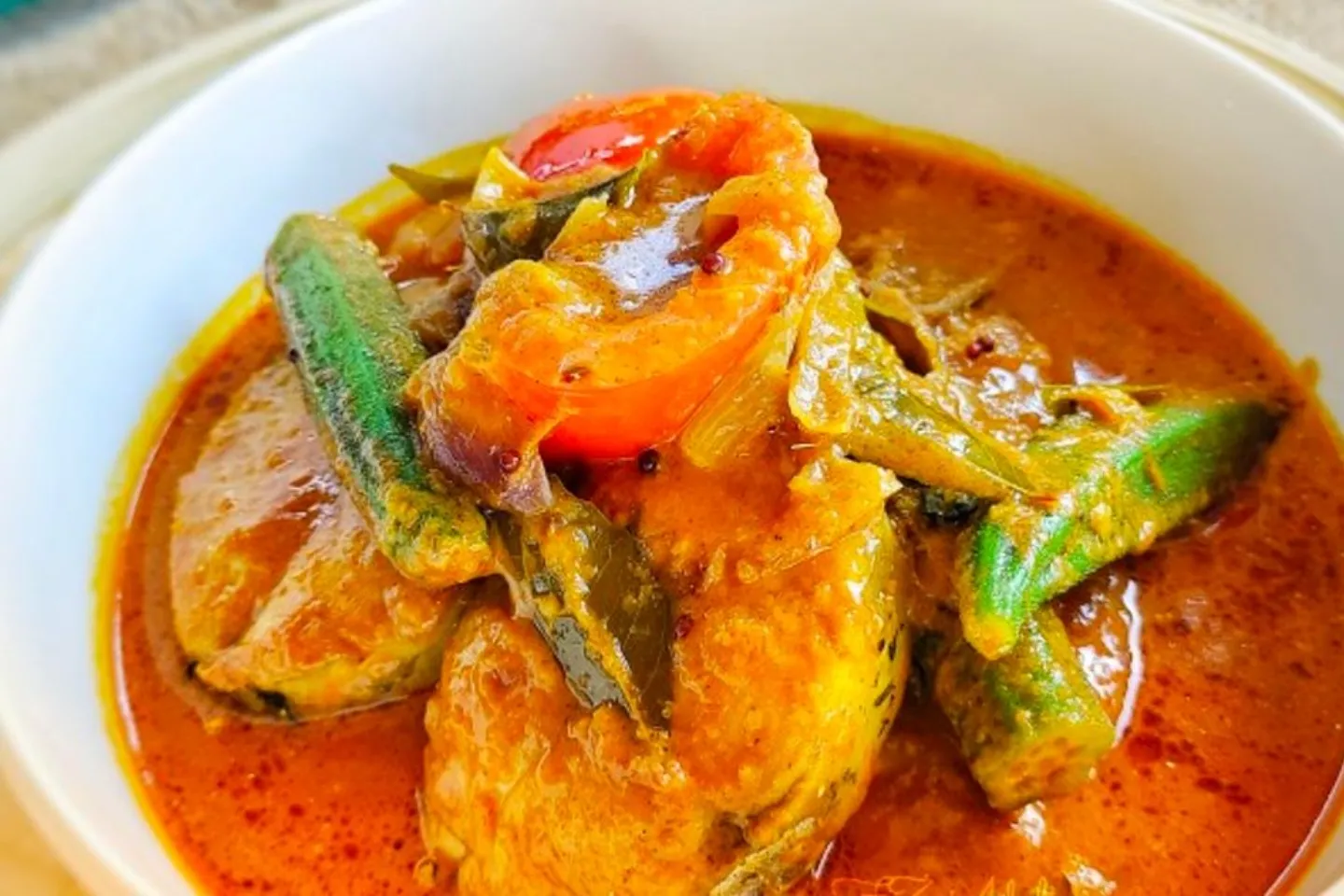
Spanish Mackerel Curry brings together spicy, sour, hot and rich flavours in one dish. Its firm flesh makes Spanish mackerel one of the best fish for curry.
Although there are many versions of the recipe, the basics of a good curry stay the same. Use fresh fish, sauté the spices until fully cooked, balance the tamarind and coconut milk, and avoid overcooking the fish.
Food blog
Keep exploring other Terengganu heritage dishes.