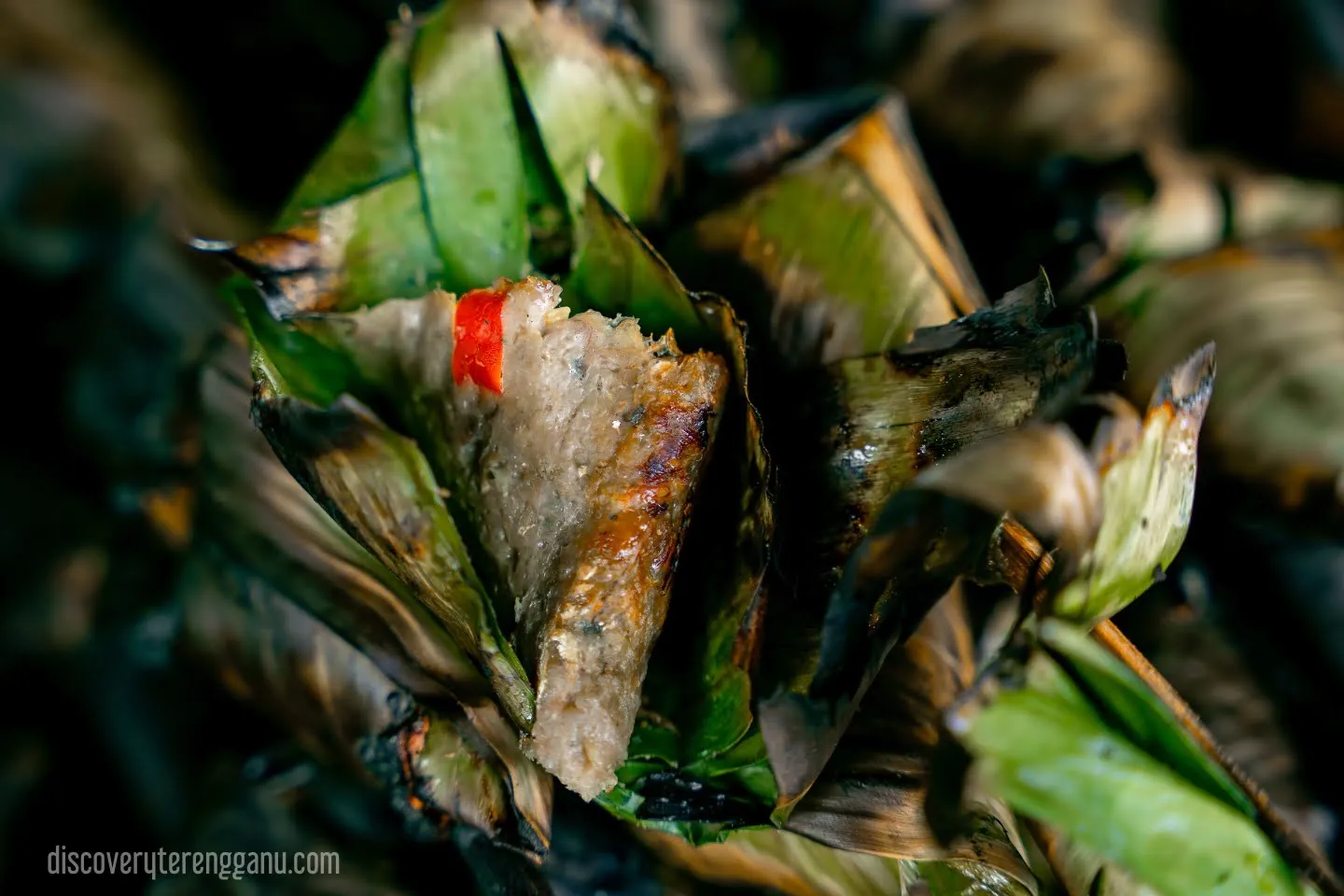

Heritage Rice Recipes
Nasi Telur Terengganu
History, uniqueness and a heritage recipe from the palace kitchen
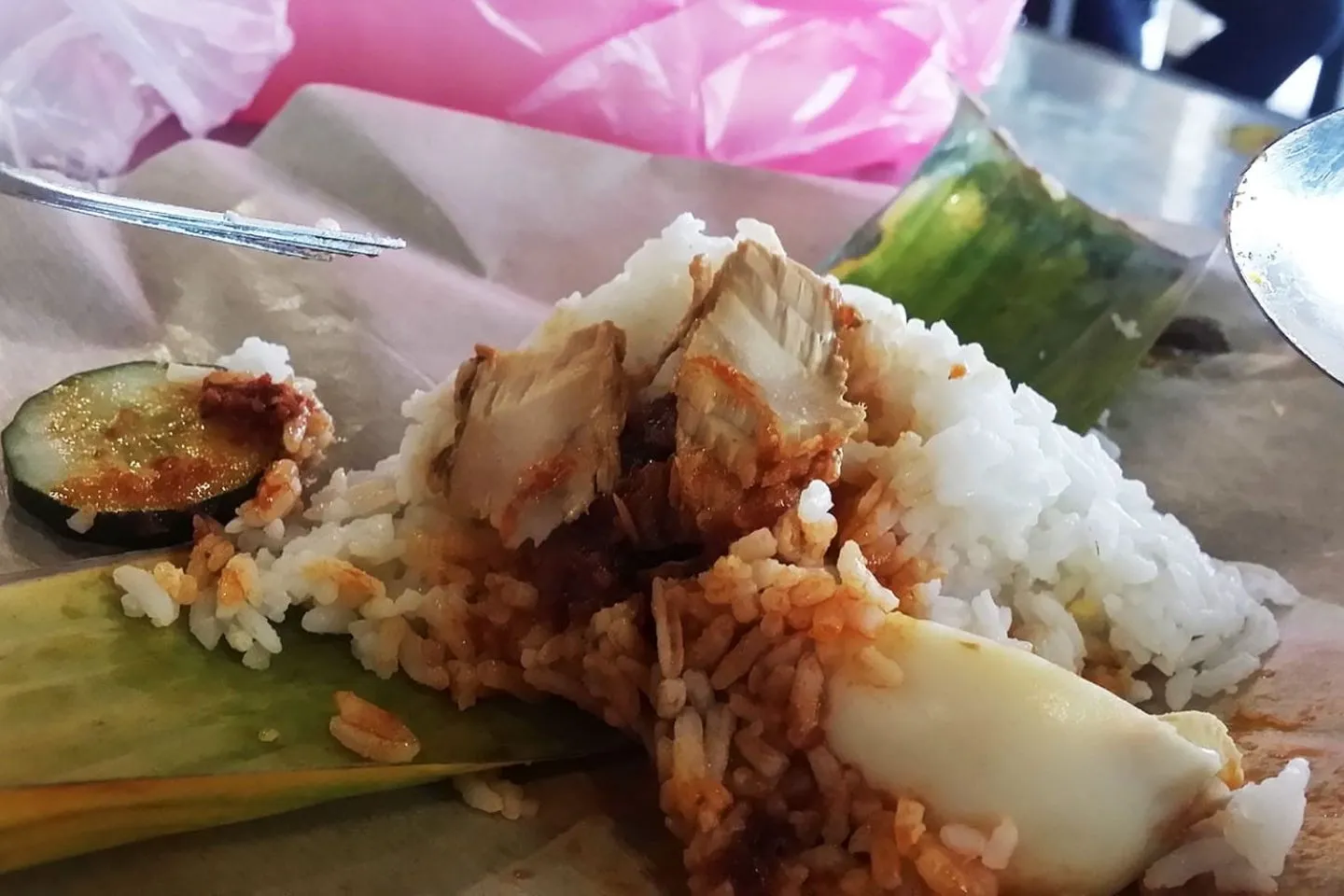
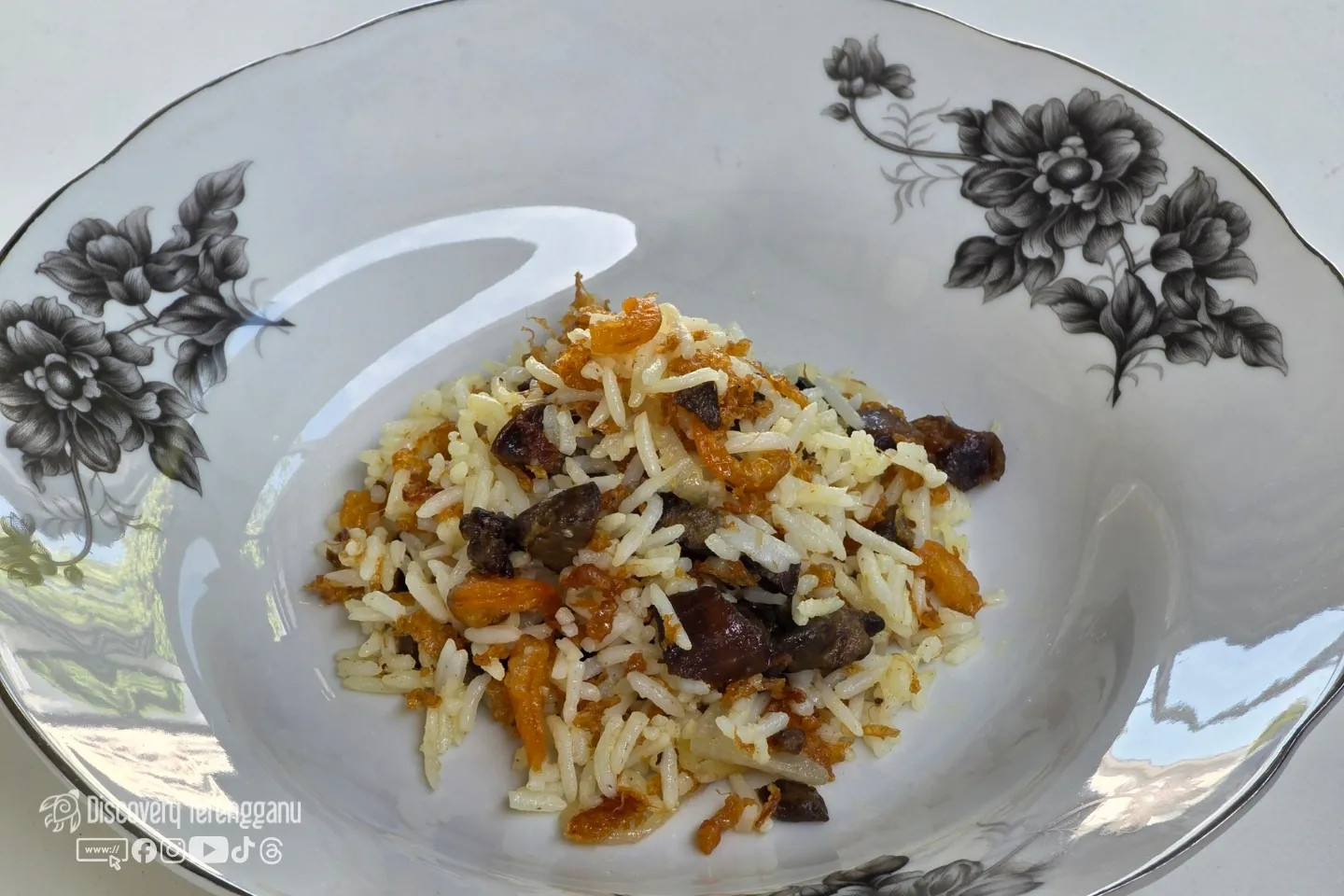
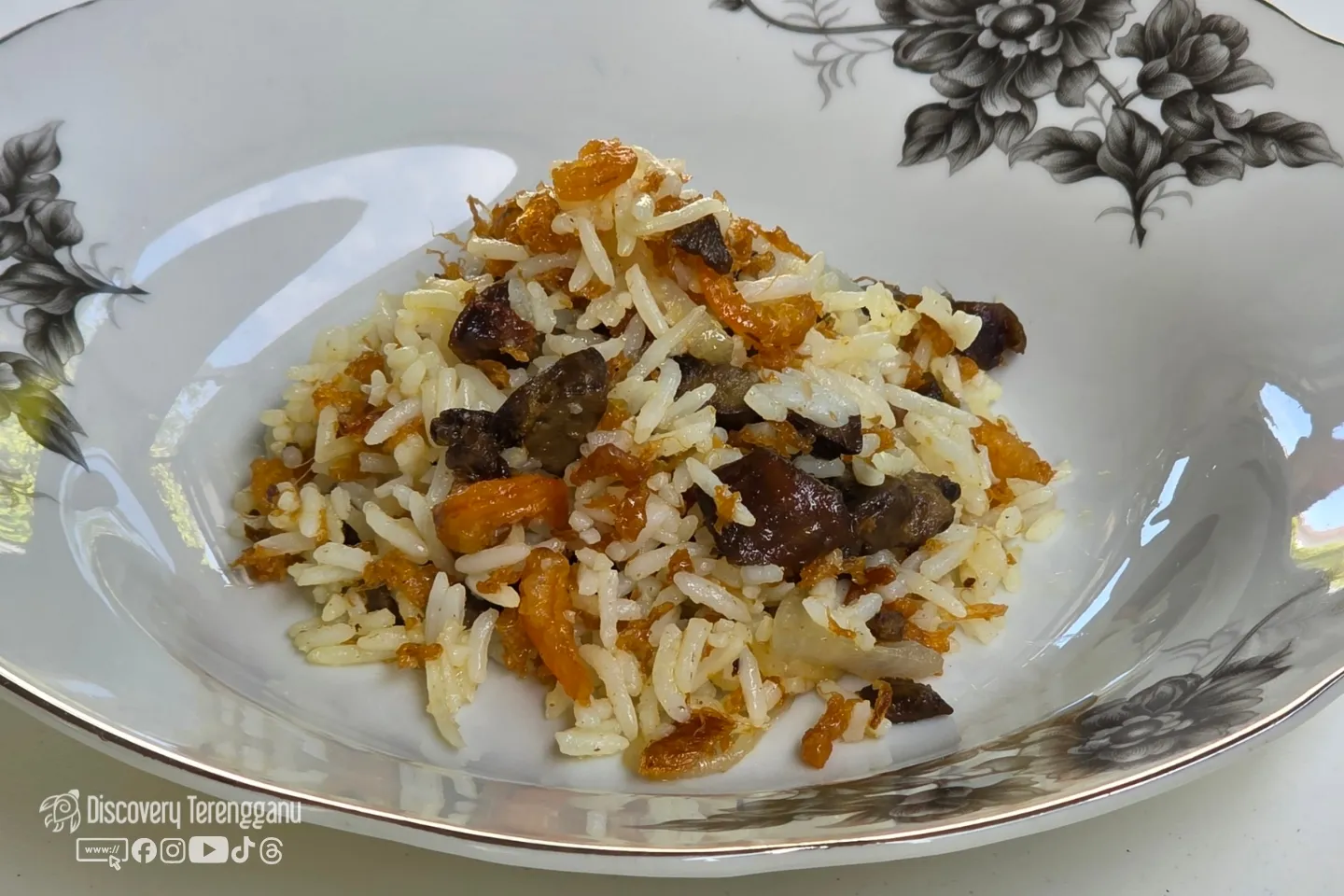
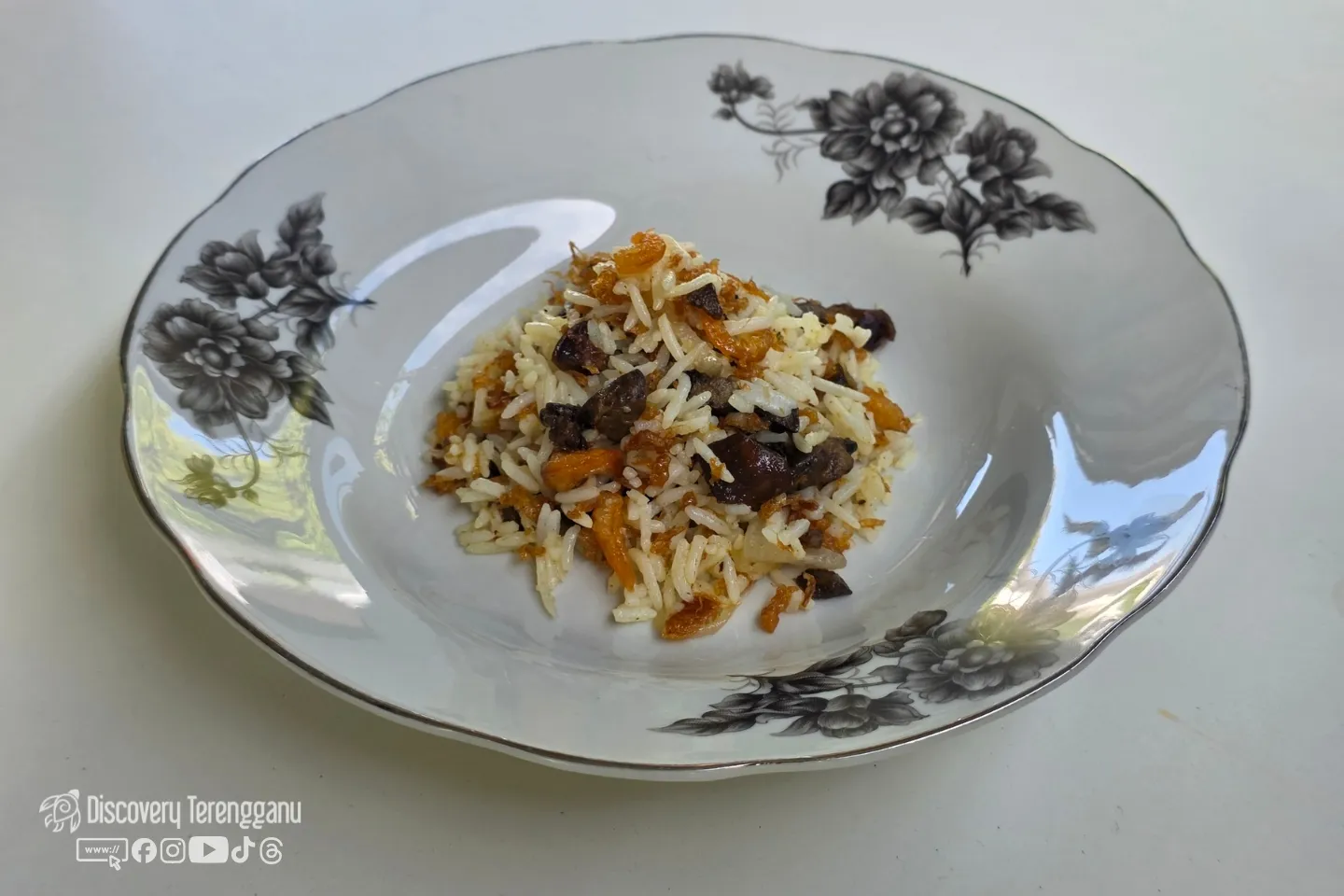
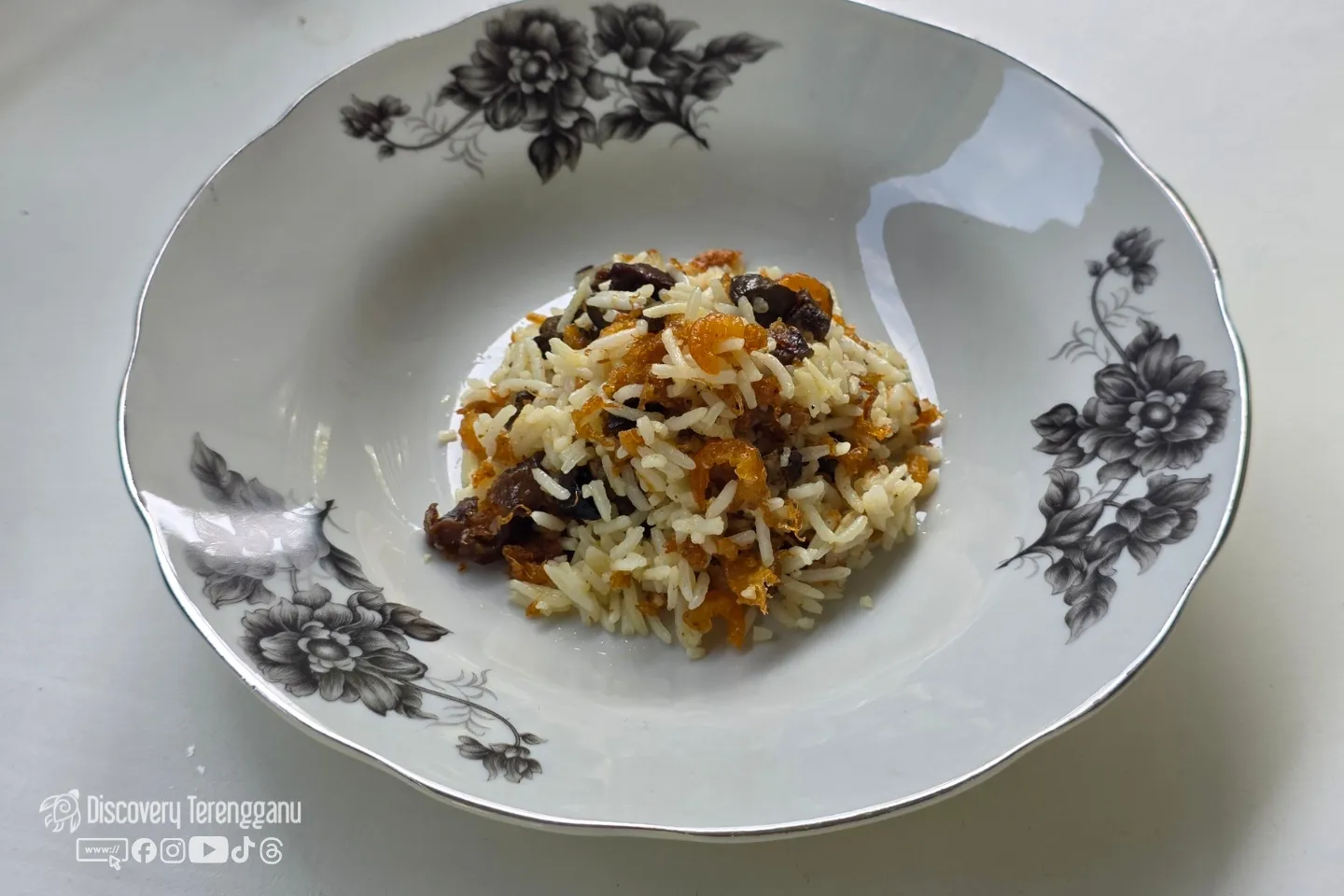
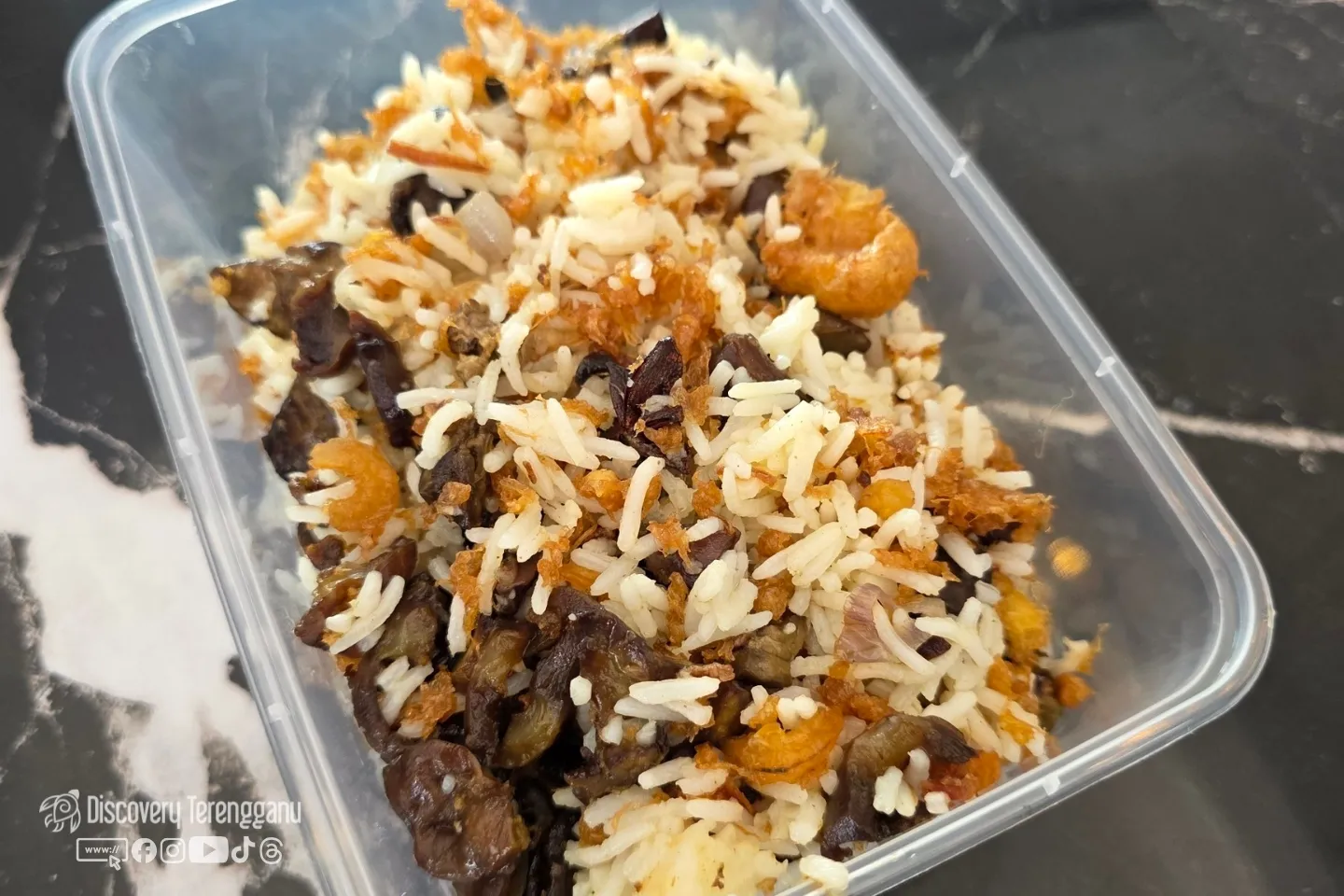
Egg fried into a crispy nest, beef liver and chicken liver fried separately, fragrant dried shrimp and onions sautéed with cinnamon. Everything is tossed into the rice. This is not white rice with a fried egg. This is an old Terengganu dish that many young people have never tasted.
The egg becomes part of the rice
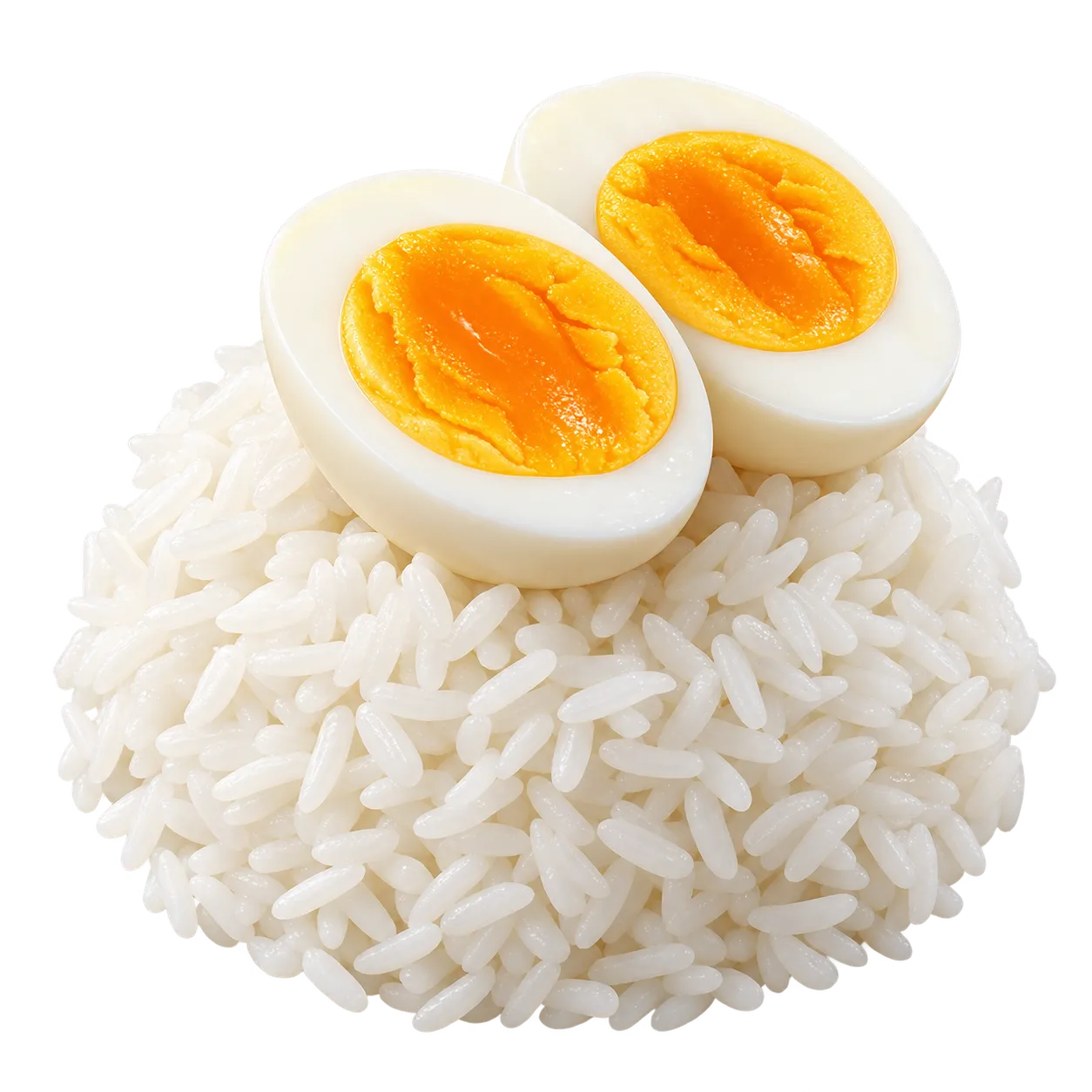
The egg is not a side dish. It is tossed into the rice until it becomes part of the flavour.
Layered textures
Soft rice, crispy egg, tender liver and fragrant dried shrimp in a single mouthful.
Fragrant dried spices
Cinnamon and star anise are sautéed with shallots before going into the rice.

A dish for special occasions
Ideal for kenduri feasts and family gatherings, especially when paired with dishes in gravy.
What is Nasi Telur Terengganu?
Nasi Telur Terengganu is a traditional rice dish that uses egg as one of its main ingredients. The egg is fried into a crispy nest, then crumbled and tossed into the rice.
The name is simple, but the preparation involves several components cooked separately first. Some families make a simple version with just rice, egg, meat and fried shallots. Others add salty and crunchy ingredients for a more complex flavour.
Ingredients commonly found in Nasi Telur
- Eggs fried into a crispy nest.
- Beef liver, boiled first before being fried with turmeric.
- Chicken liver, fried separately for a softer texture.
- Dried shrimp, fried until fragrant and crispy.
- Shallots sautéed with cinnamon and star anise.
- Beef or salted fish in some family versions.
Not every version uses all of the ingredients above. That is what makes Nasi Telur interesting. It is not a fixed formula, but part of a culinary tradition that evolves with each family.
Origins & history
Nasi Telur is often associated with traditional cooking from the kitchens of the Terengganu royal family. Several local culinary references mention that this dish was once served at family gatherings and certain events.
Official historical documentation of the exact date of its creation is still limited. That is why it is more accurate to call Nasi Telur a Terengganu heritage dish associated with royal kitchen traditions and festive gatherings, rather than naming a specific date or individual as its creator.
How it reached home kitchens
A dish for special occasions
It began as a dish for special events and family gatherings around the palace.
Spread through families
The recipe passed by word of mouth, then was handed down through the generations within the community.
Evolved into its own versions
Each family adapted the ingredients and techniques to what was available and what they liked.
Why this separate cooking technique matters
Malay cooking for kenduri feasts often prepares several components separately before combining them. The same concept is used in Nasi Telur.
This technique helps each ingredient keep its own flavour and texture. The egg stays crispy. The liver does not turn tough. The dried shrimp stays fragrant. And the rice slowly absorbs the flavours of the other ingredients.
Tasting note
A delicious Nasi Telur is not necessarily oily or salty. The balance between the rice, egg, meat and salty ingredients matters most.
Why is it called Nasi Telur?
The name comes from the use of egg as the main element. But the egg here is not simply placed on top of the rice like a fried egg or an omelette. It goes through its own process before being combined with the rice.
The eggs are beaten and seasoned
The eggs are cracked, beaten well, then seasoned with a little fine salt. Some families add a little thick soy sauce for colour.
Poured into a nest
The egg is poured from a slight height in a thin stream into hot oil, until it spreads into a crispy, lacy net. Not soft like an omelette.
Crumbled into bits
The egg nest is crumbled into small bits directly over the rice, together with the fried liver and dried shrimp.
Tossed and briefly heated
All the ingredients are tossed together, then briefly heated over a low flame so the flavours blend evenly before serving.
The best accompaniments
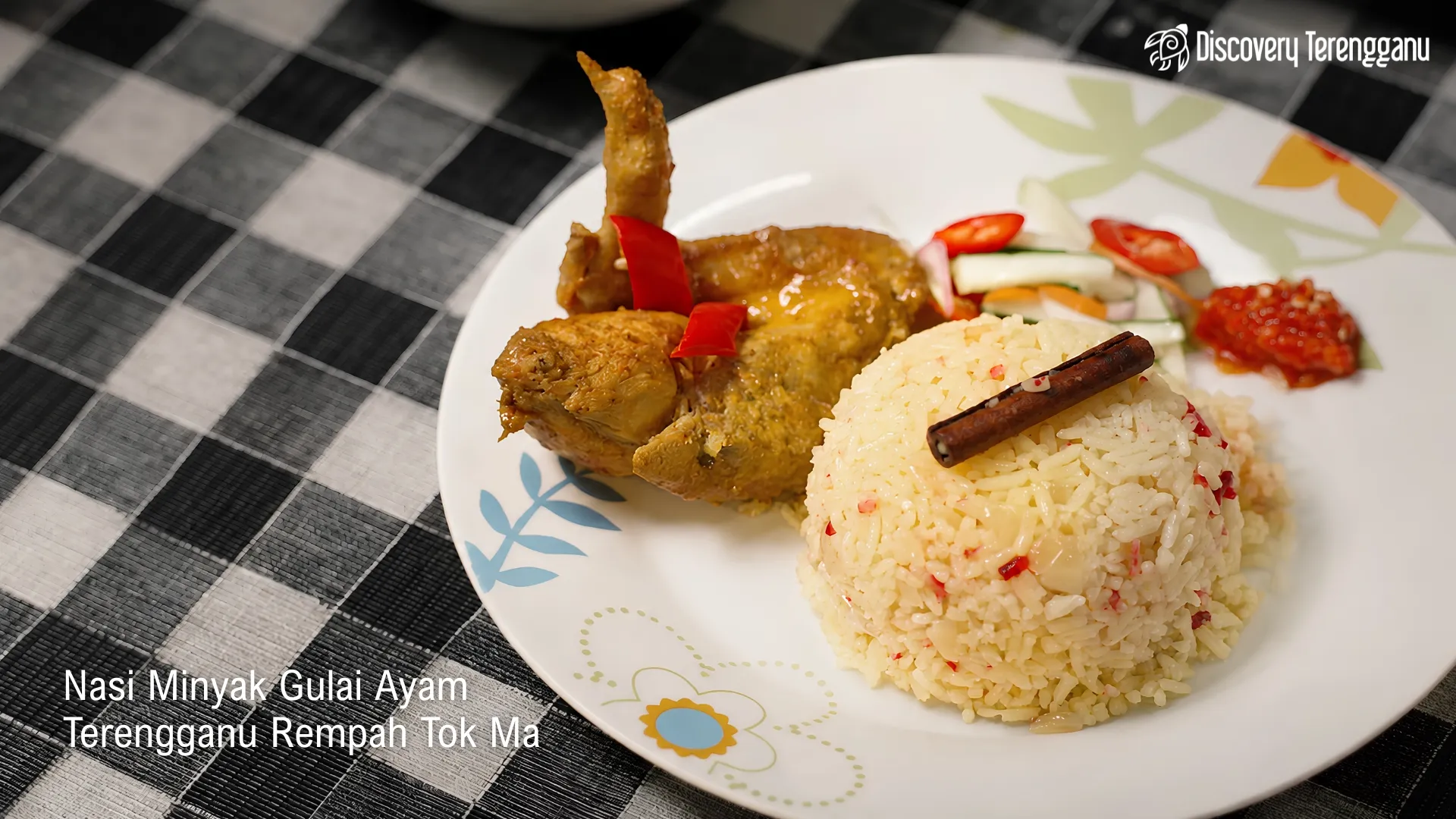
- Sweet and spicy ayam masak merah.
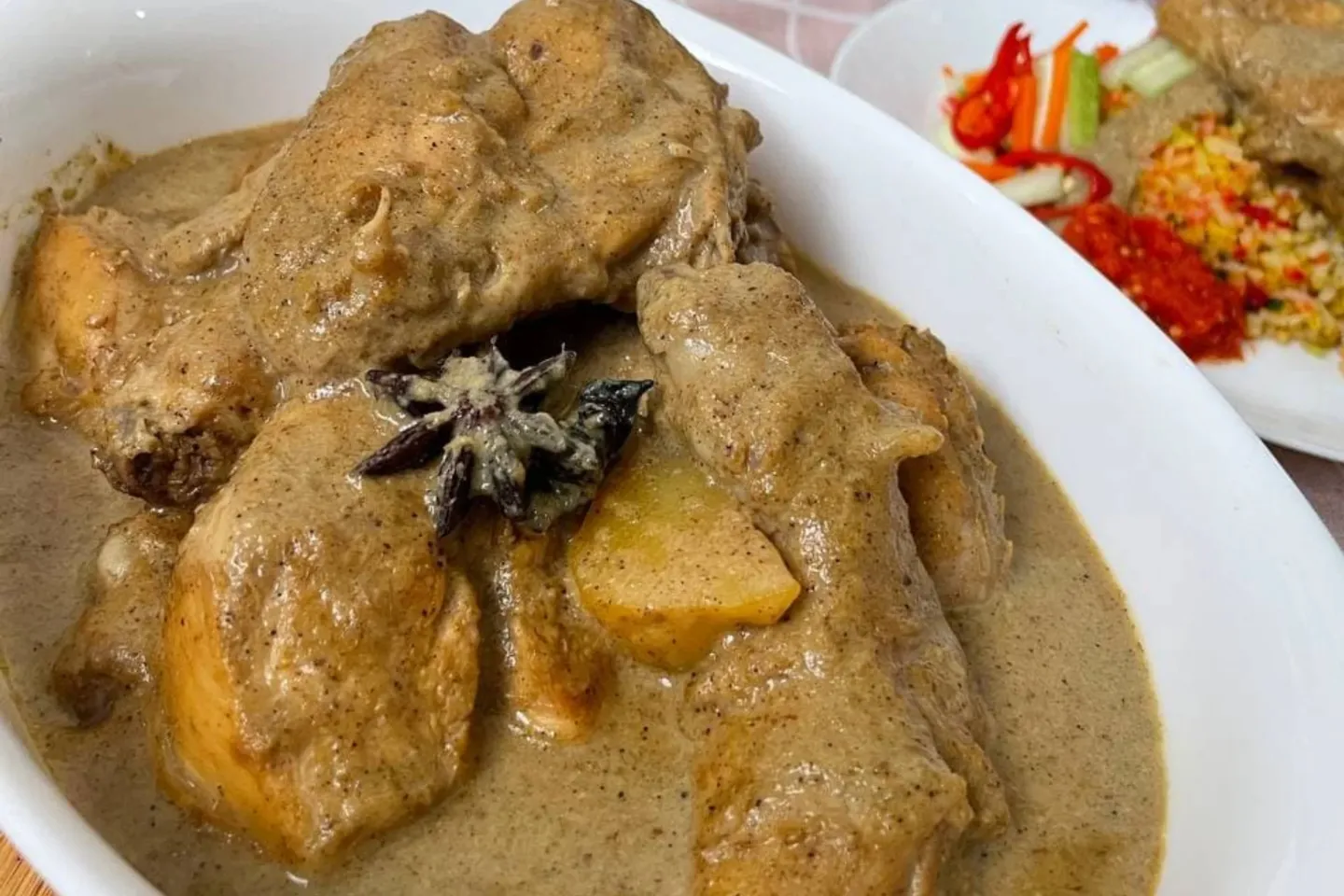
- Ayam kurma with a slightly rich gravy.
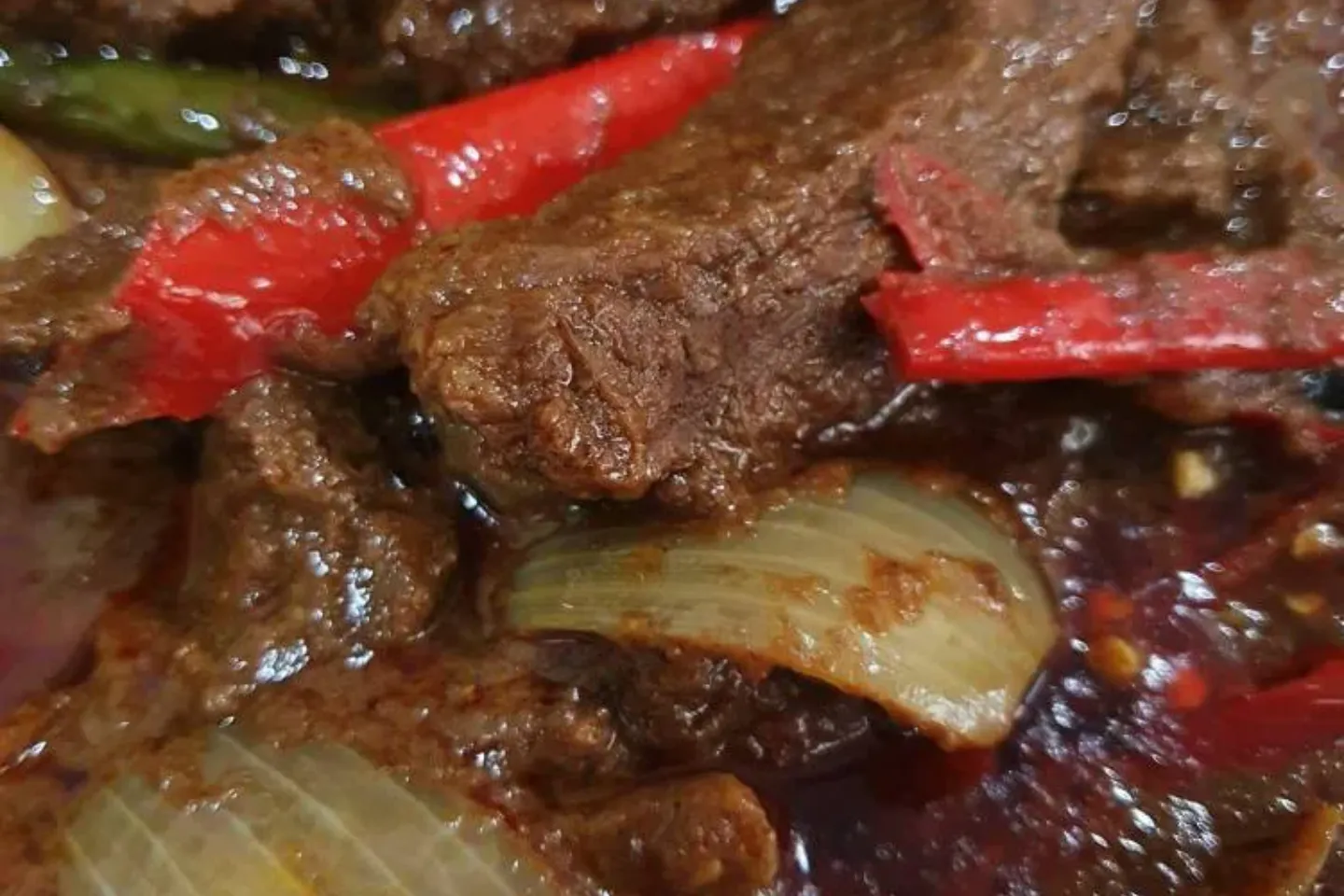
- Daging kerutub for a deep spice flavour.
- Cucumber acar or acar jelatah to cut the richness.
- Boiled eggs and papadom as extras.
Discovery Terengganu · Traditional Food
Nasi Telur Terengganu Recipe from Chef Dean Podeh
The order of steps below follows the method Chef Dean Podeh shows in the video. The key lies in the two types of liver and the egg fried into a crispy nest.
Rice
Sautéed spices
Liver
Egg nest
Other ingredients
Cooking method
- 1
Cook the rice first
Cook the rice as usual with the pandan leaf and a little fine salt. Let it cool slightly so the grains stay separate and do not turn mushy when tossed later.
- 2
Sauté the spices with the shallots
Heat the oil, add the cinnamon and star anise until fragrant. Add the sliced shallots along with a little large chilli.
Sauté until the shallots wilt, then remove and set aside.
- 3
Fry the beef liver
The beef liver must be boiled first before frying. Dice it, mix with turmeric powder and a little salt, then fry until half cooked. Remove and set aside.
Why boil it first
Beef liver is denser than chicken liver. Boiling it first makes the texture tender and removes the gamey smell before it goes into the wok.
- 4
Then fry the chicken liver
Using the same wok, fry the chicken liver until cooked. Remove and set aside with the beef liver.
Two types of liver, not one
This Nasi Telur really plays with liver. Beef liver gives a deep flavour, while chicken liver gives a softer texture.
- 5
Fry the dried shrimp
Fry the dried shrimp until fragrant and crispy. Remove and set aside.
- 6
Make the egg nest
Beat the eggs well. Heat plenty of oil in the wok until it is really hot.
Lift the bowl of egg slightly above the wok, then pour the egg slowly in a thin stream while moving your hand around the wok.
The egg will spread and join up by itself into a lacy net on the oil. Fry until golden and crispy, then lift out with tongs and drain off the oil.
This is the most important technique
Chef Dean calls it the technique of making the egg form a nest. The result should be crunchy, not soft like an omelette.
Why pour from a height
A thin stream of egg falling from a slight height is what makes it spread into a net. If poured all at once, the egg becomes a thick sheet.
- 7
Scatter the liver and shrimp over the rice
Put the rice into a large pot or wok. Scatter over the chicken liver, beef liver, sautéed shallots and fried dried shrimp.
Season with a little sugar and salt. Taste first before adding more.
- 8
Add the egg nest
Crumble the egg nest into small bits directly over the rice, then toss until the egg crumbs are evenly mixed with all the ingredients.
- 9
Heat briefly before serving
Put it back on the stove over low heat. Toss briefly so the rice is hot and all the flavours come together.
Serve with Ayam Masak Merah.
Accompanying dish · Ayam Masak Merah
In the same video, Chef Dean prepares Ayam Masak Merah as a companion to Nasi Telur. The method is simple.
- Peel the garlic, shallots and ginger, then blend until smooth.
- Heat the oil over high heat and add the blended ingredients with a little salt so they cook quickly.
- Add the cili boh, salt and asam keping or tamarind juice. Sauté until the oil splits.
- Add the fried chicken and simmer until the chicken is cooked and evenly coated in the gravy.
- Season once more before turning off the heat.
Tips for a successful nasi telur
- Use rice that has cooled slightly so the grains stay separate.
- Boil the beef liver first before frying.
- Make sure the oil is really hot before pouring in the egg.
- Pour the egg from a slight height so it spreads into a net.
- Use less salt if the dried shrimp is quite salty.
- Heat briefly over low heat before serving.
Delicious served with
discoveryterengganu.com/nasi-telur-terengganuMeasurements adjusted to your family's taste
Cooking tips & family variations
This recipe has been handed down through families, so there are several styles of preparation. All are valid as long as the basic identity of nasi telur is kept.
Control the salt from the start
If you are using salted fish, dried shrimp or other salty ingredients, reduce the salt in the rice and egg. Taste first before adding more. Salt is easy to add but hard to take back.
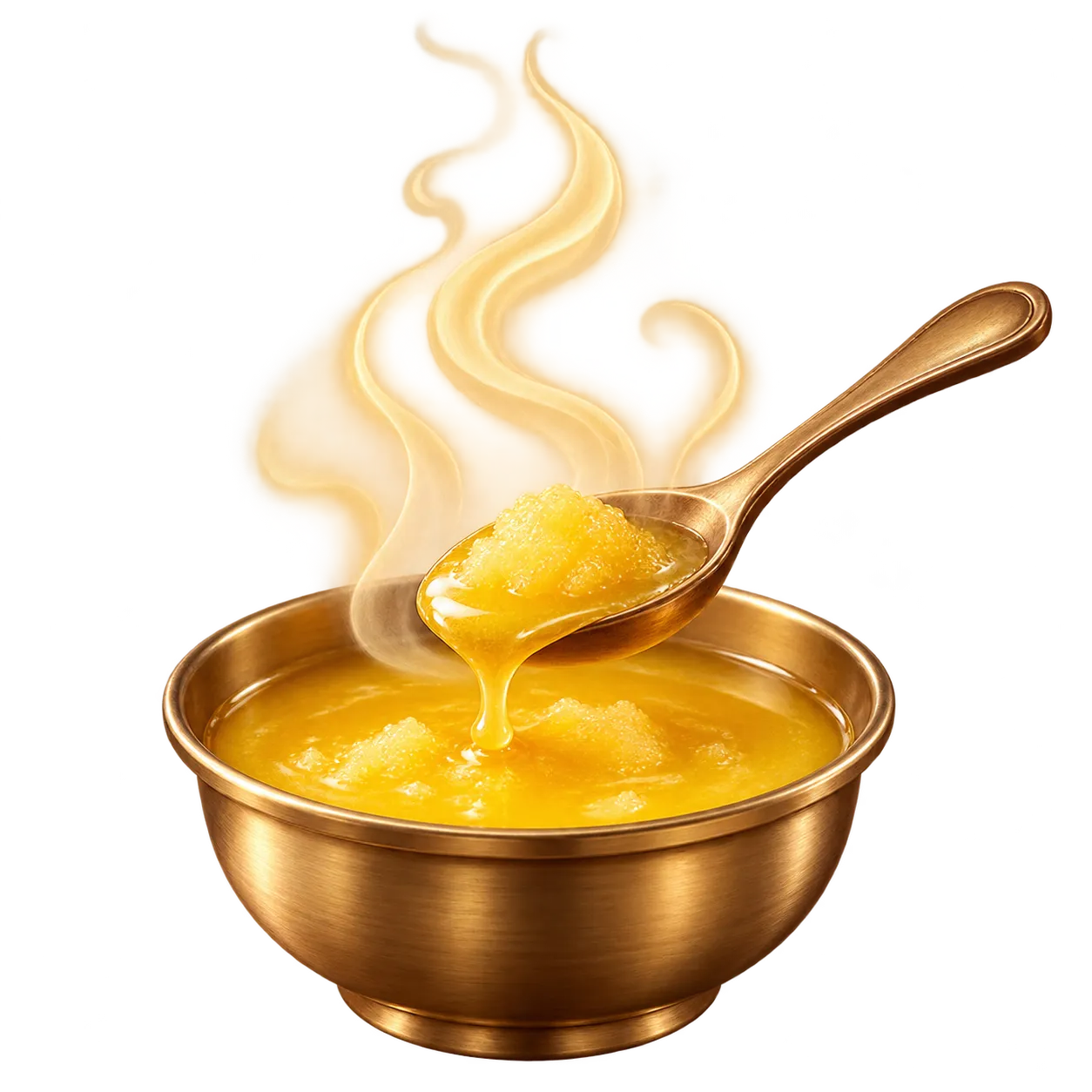
Go easy on the ghee
Ghee lifts the aroma, but too much makes the rice cloying after two or three mouthfuls. Use just enough for the fragrance, not to moisten the rice.
Common mistakes
- The oil is not hot enough, so the egg turns soft instead of lacy.
- The beef liver is fried straight away without boiling first, so it turns tough.
- Using rice that is still hot and steaming, so it turns mushy.
- Adding salt before tasting the already salty dried shrimp.
- Cooking all the ingredients at once in one wok.
Four common variations
- The two-liver version. Beef liver and chicken liver fried separately. This is the method in the video above.
- The beef version. Beef boiled and cooked with simple spices.
- The salted fish version. Salted fish fried and crumbled together with dried shrimp.
- The simple version. Just rice, egg and fried shallots for an everyday meal.
How Nasi Telur Terengganu differs from ordinary egg rice
The term nasi telur today can mean different things depending on the place. At most eateries, it simply refers to white rice with a fried egg or an omelette.
| Feature | Nasi Telur Terengganu | Ordinary Nasi Telur |
|---|---|---|
| Concept | A complete traditional rice dish | White rice with an egg dish |
| Position of the egg | Mixed or layered into the rice | Placed on top of or beside the rice |
| Additional ingredients | Meat, fried shallots, salted fish, dried shrimp, liver or gizzard | Usually simpler |
| Cooking technique | Several components cooked separately before being combined | Very easy and quick |
| Traditional use | A dish for families and special occasions | An everyday dish |
| Taste | Layered, aromatic and complex | Depends on the side dish or sambal |
The most noticeable difference
The egg becomes part of the rice itself, not just an extra side dish. When you scoop a ladleful, the egg, meat and fried shallots are already in the rice.
Why it is less well known
When people mention Terengganu food, nasi dagang and keropok lekor are the first to come to mind. Nasi Telur has stayed within family circles, so younger generations have had less exposure to it.
Product picks · Promotional content
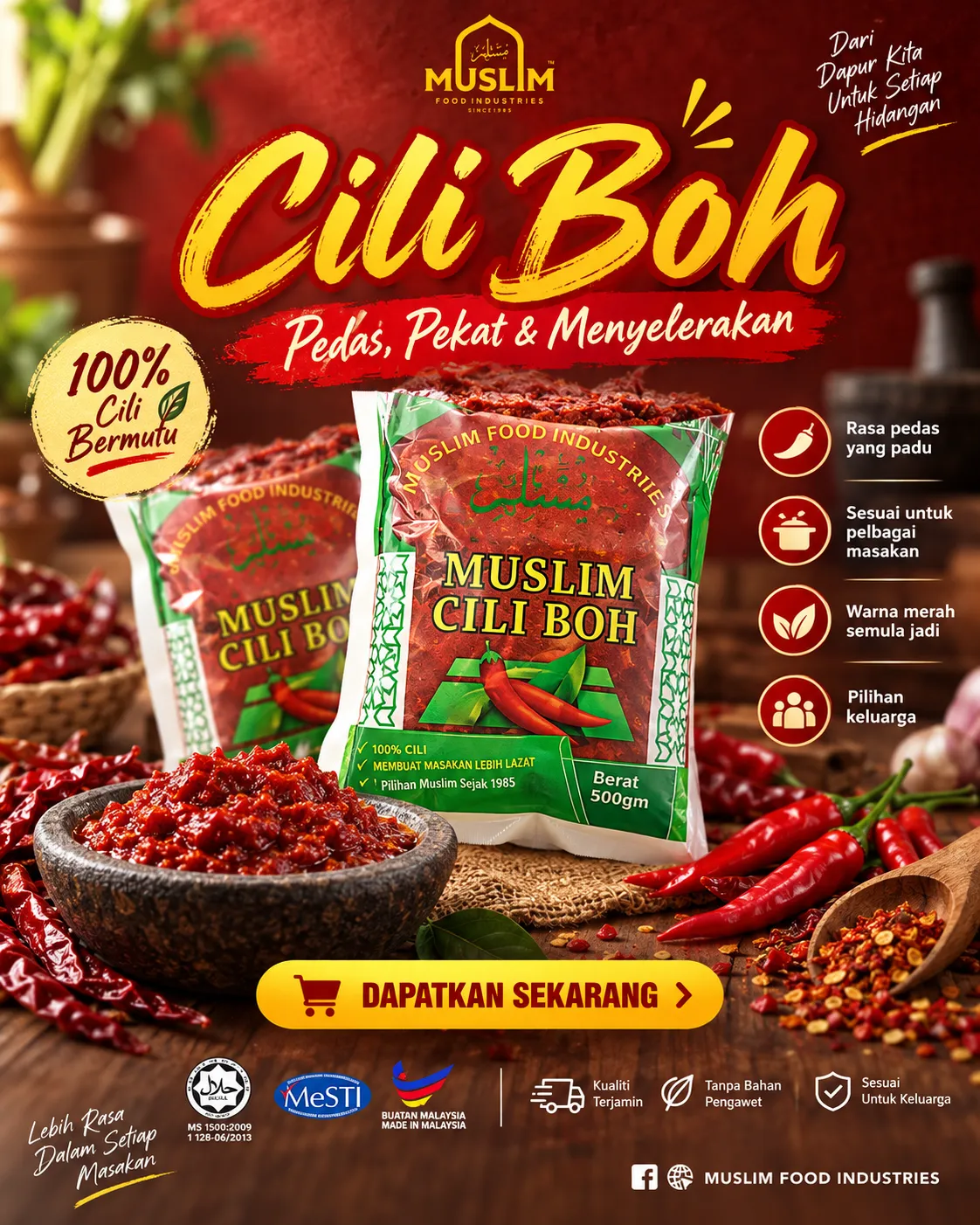
Cili Boh Muslim Food Industries
The best accompaniment for Nasi Telur is Ayam Masak Merah. The most troublesome part of cooking this dish is preparing the blended chillies from scratch.
Cili Boh MFI can be sautéed straight away with the onions and spices until the oil splits. The gravy comes out a deep, thick red without having to blend your own chillies.
Ideal for kenduri cooking, weekend family meals, or anyone who wants to save preparation time without compromising on flavour.

Garam Halus MFI
Fine salt dissolves quickly and spreads evenly, so it is easier to adjust little by little. Ideal for cooking rice, seasoning eggs and rounding off the flavour of Ayam Masak Merah.
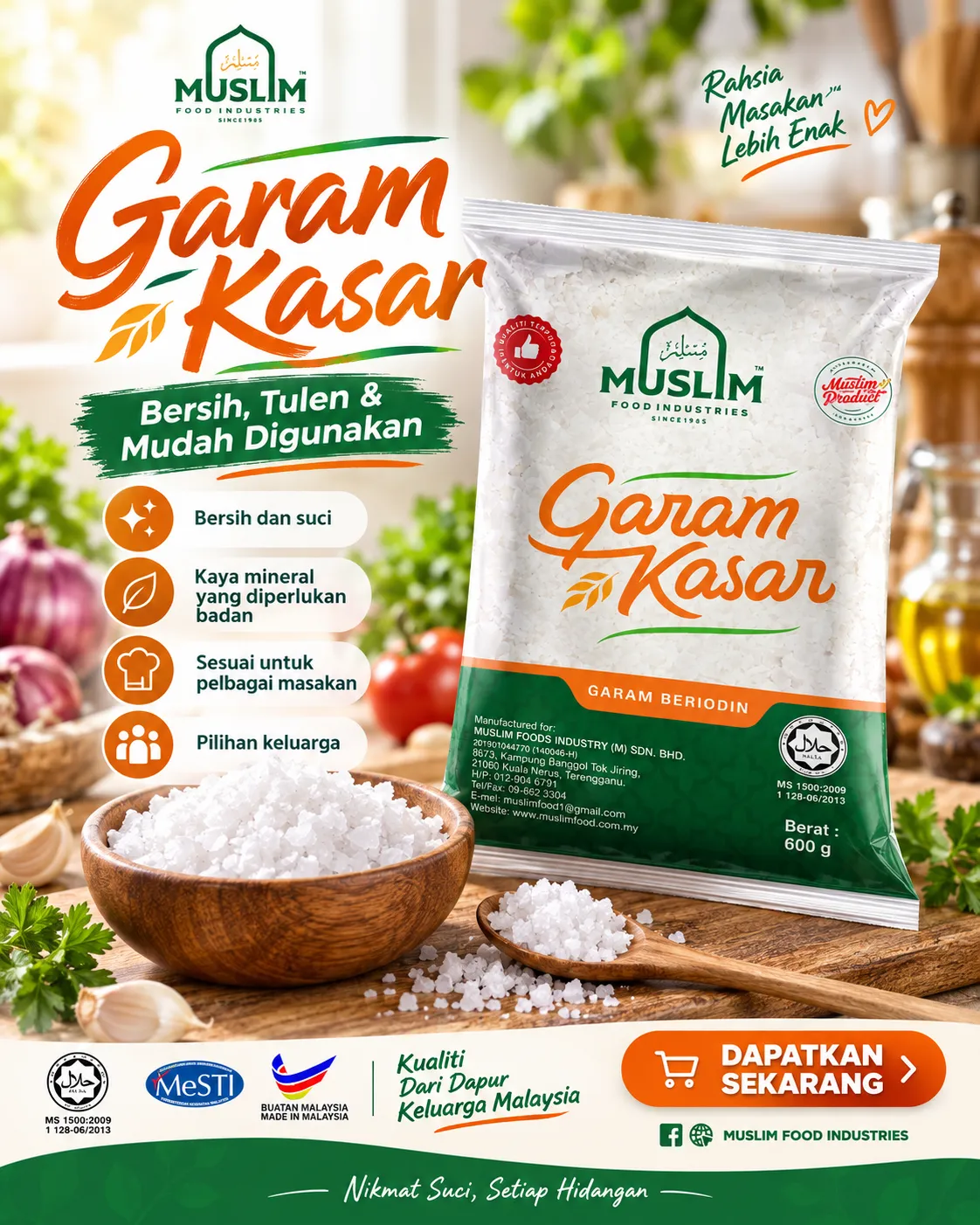
Garam Kasar MFI
The larger grains are suited to boiling meat, marinating and dishes that need salt to dissolve slowly. Many also use it for everyday kitchen tasks and preparing raw ingredients.
How to use MFI products in this dish
For the rice and eggs, use Garam Halus MFI as it dissolves quickly and is easy to measure. For boiling meat, Garam Kasar is more suitable as it dissolves slowly throughout the boiling process.
For Ayam Masak Merah, sauté the onions and spices until fragrant, then add Cili Boh MFI. Cook until the oil splits before adding sauce, a little sugar and Garam Halus MFI to taste. Finally, add the fried chicken and toss until evenly coated in the gravy.
About Muslim Food Industries
A bumiputera halal food manufacturer from Terengganu that began by producing yellow noodles, then expanded into a range of kitchen essentials including fine salt, coarse salt, rock salt and cili boh.
Read the full story of Muslim Food Industries on Discovery TerengganuSoalan lazim
Is Nasi Telur Terengganu the same as white rice and a fried egg?
No. In Nasi Telur Terengganu, the egg is cooked first before being mixed or layered with the rice. This dish also usually contains meat, fried shallots and several other additional ingredients.
Which rice is suitable?
Basmati rice gives longer, more separate grains. Ordinary white rice can also be used for a home-cooked version.
Why use two types of liver?
Beef liver gives a deeper flavour while chicken liver gives a softer texture. Combining both gives the rice a more layered flavour. If you do not like liver, you can replace it with beef that has been boiled and cut into small pieces.
Is salted fish a must?
Not a must. Salted fish only appears in some family versions of the recipe. If you use it, reduce the salt in the rice and egg.
Which salt is suitable for Nasi Telur?
Fine salt is easier to use as it dissolves quickly and is easy to measure. For boiling meat, coarse salt is more suitable as its grains dissolve slowly throughout the boiling process.
What goes well with Nasi Telur?
Ayam masak merah, ayam kurma, daging kerutub, cucumber acar and acar jelatah are among the most popular pairings. A family meal set that always works: Nasi Telur, Ayam Masak Merah, Acar Timun and air sirap.
Is Nasi Telur Terengganu a palace dish?
Nasi Telur is often associated with the cooking traditions of the Terengganu royal family and certain occasions. Official historical documentation is still limited, so the term heritage dish associated with the royal kitchen is more accurate.
Conclusion
Nasi Telur Terengganu is among the heritage dishes worth rediscovering. Its name is simple, but its preparation has its own identity. The egg goes in as part of the rice, then is combined with meat, fried shallots and other ingredients according to the family recipe.
If you are looking for a Nasi Telur Terengganu recipe, the recipe above can serve as a base before you adapt it to your own taste. Use local ingredients and products from Terengganu entrepreneurs such as Muslim Food Industries, reconnecting old cooking with today's kitchen at the same time.
Food blog
Keep exploring other Terengganu heritage dishes.