
Brothy Noodle Recipes
Mee Rebus Terengganu
Fish broth, pounded black pepper and a squeeze of lime
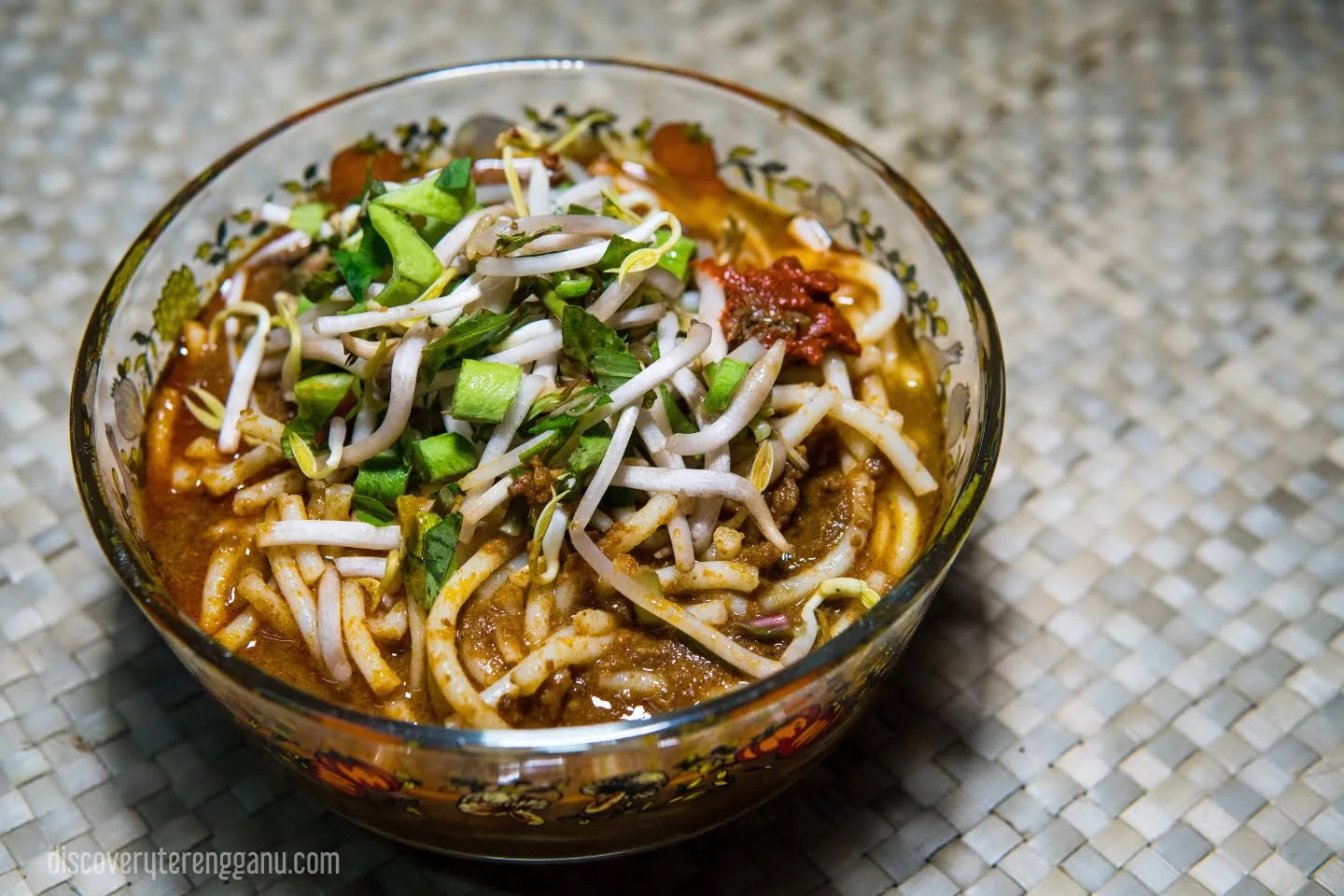
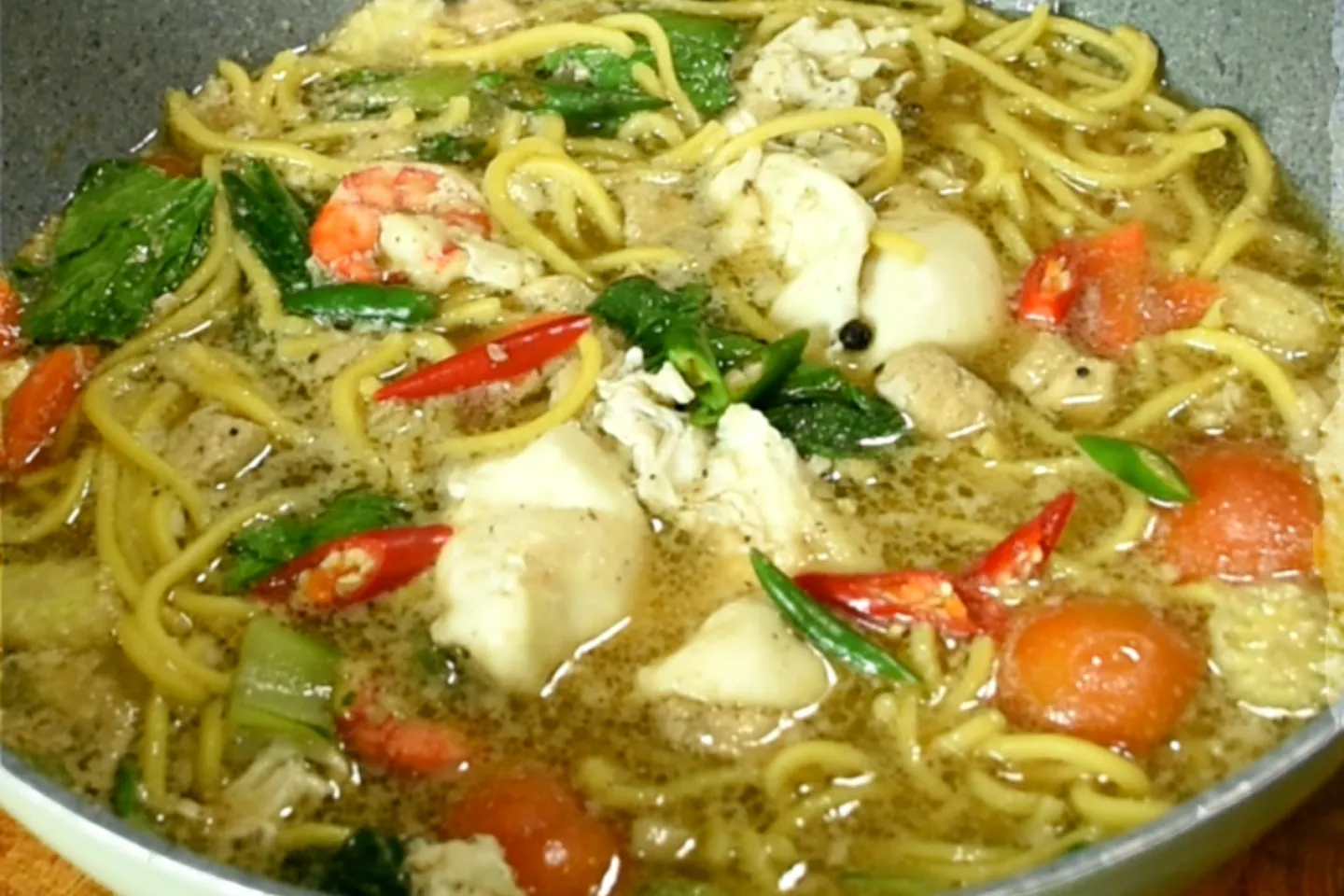
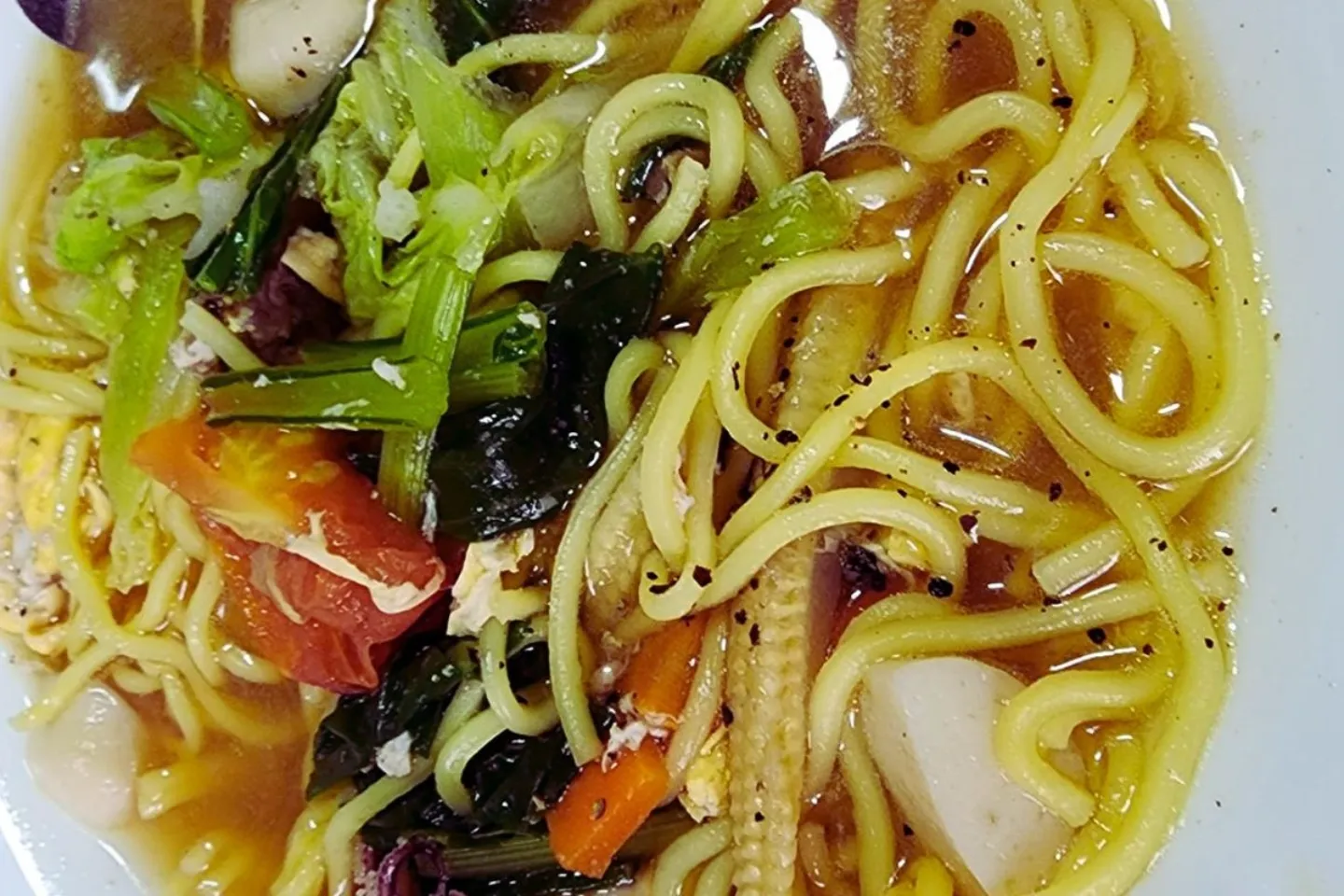
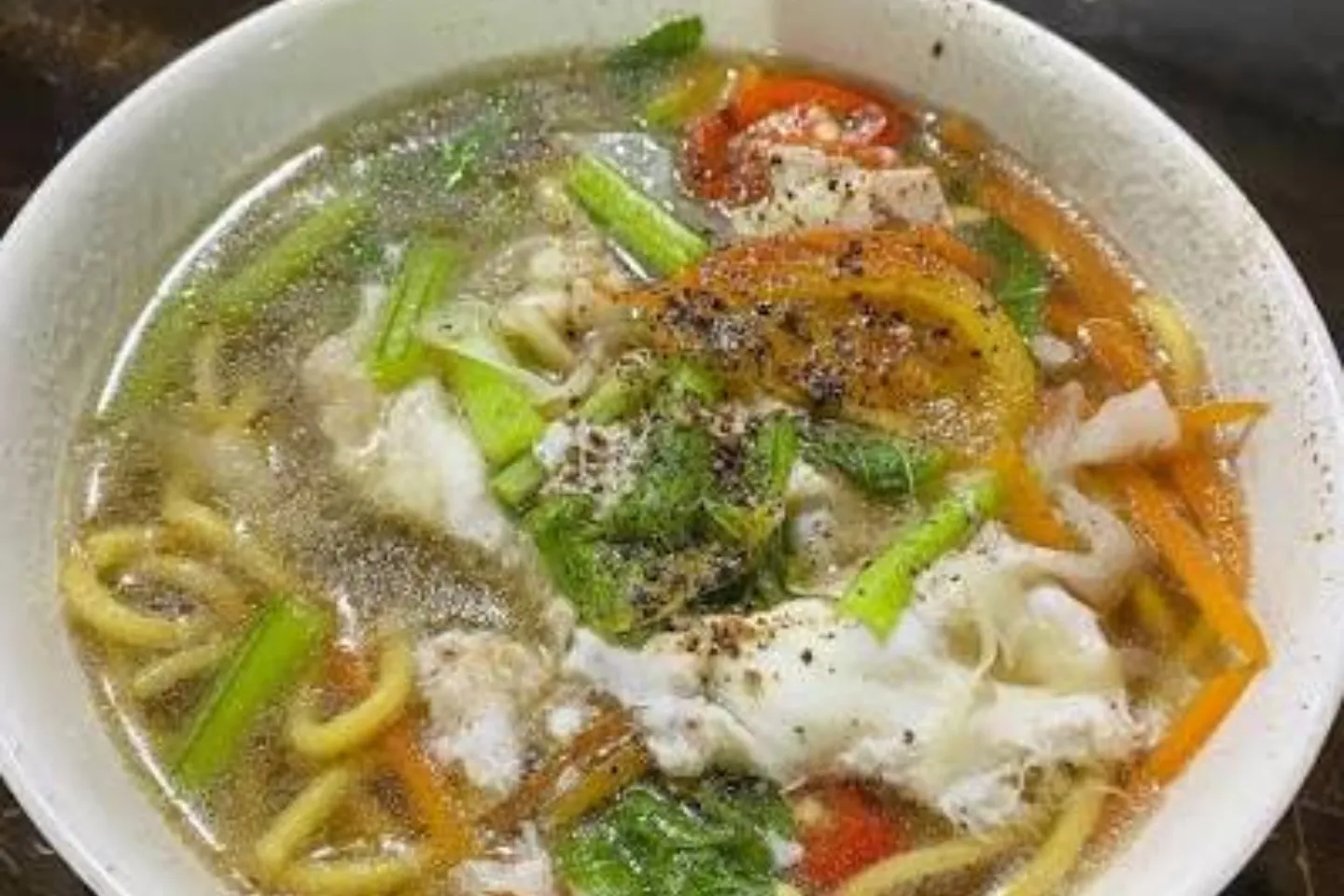
People from outside Terengganu often get it wrong. Say mee rebus, and they picture a thick, yellowish sweet potato gravy. The Tranung version is something else entirely. Its broth is based on selayang fish stock, peppery with pounded black pepper, and finished with a squeeze of lime before eating.
Fish-based broth
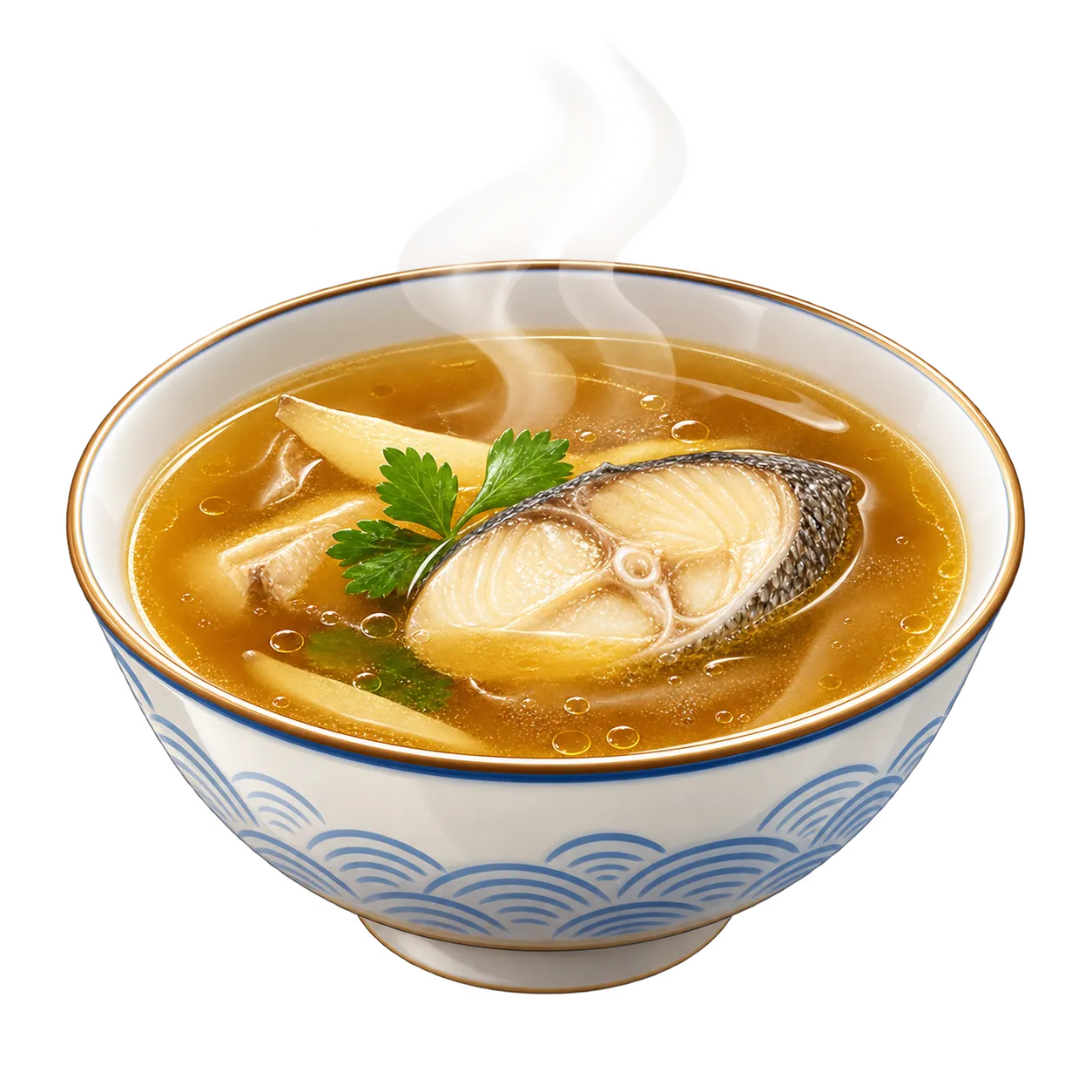
Stock from boiled selayang fish is the backbone of the broth, not sweet potato or peanuts.

Black pepper heat
Black peppercorns are coarsely pounded. The heat is long and warming, not the sharp heat of chilli.
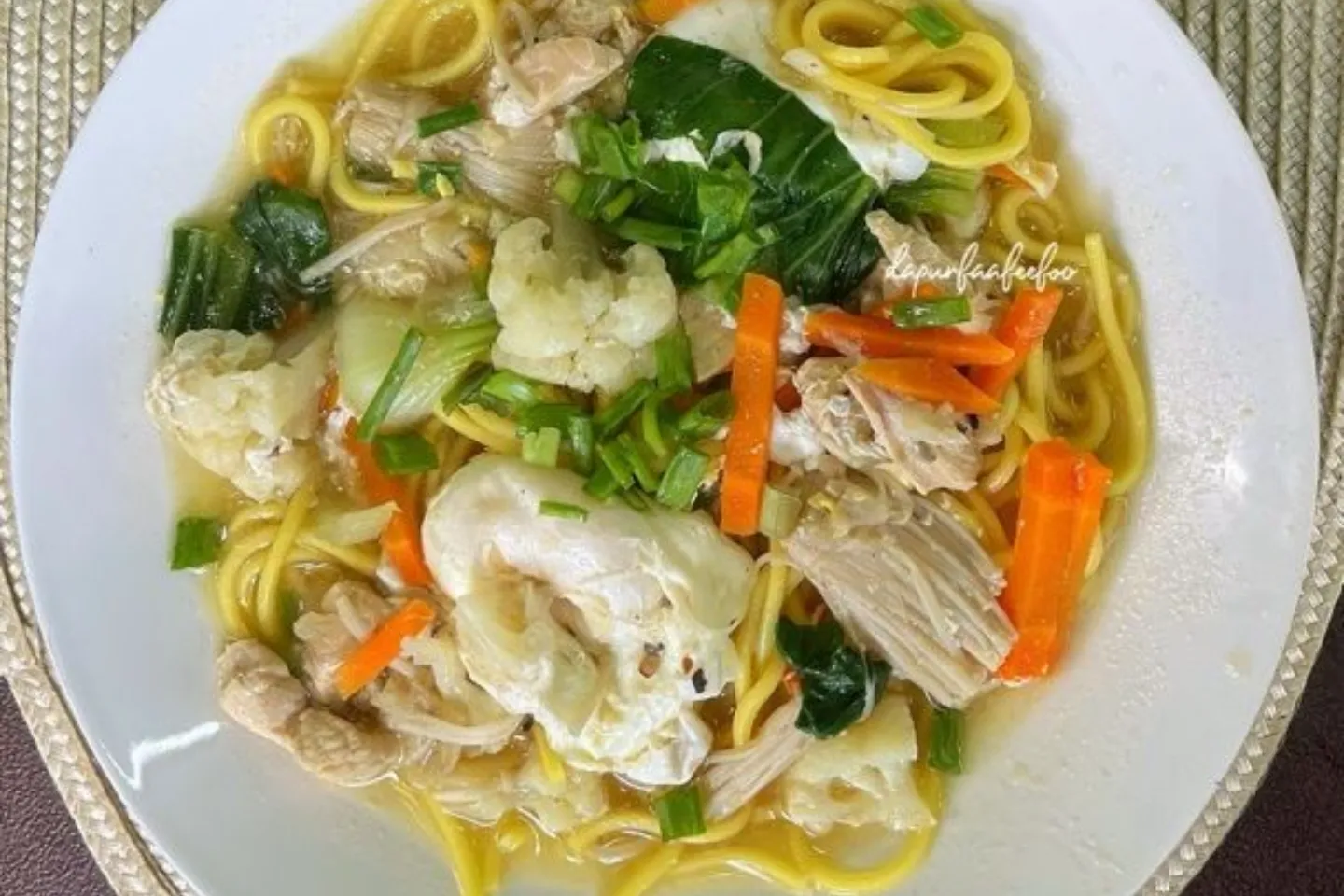
Egg set in the gravy
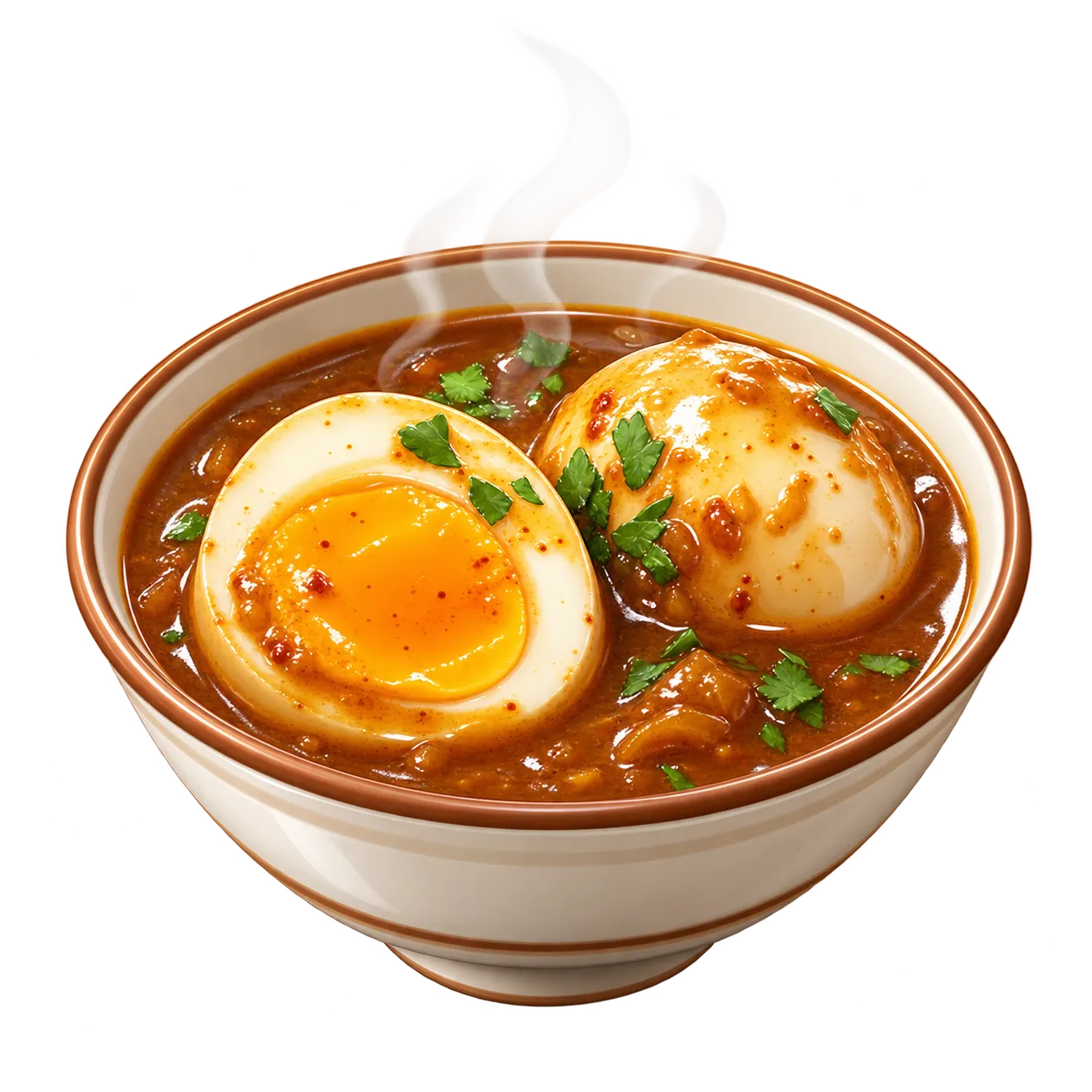
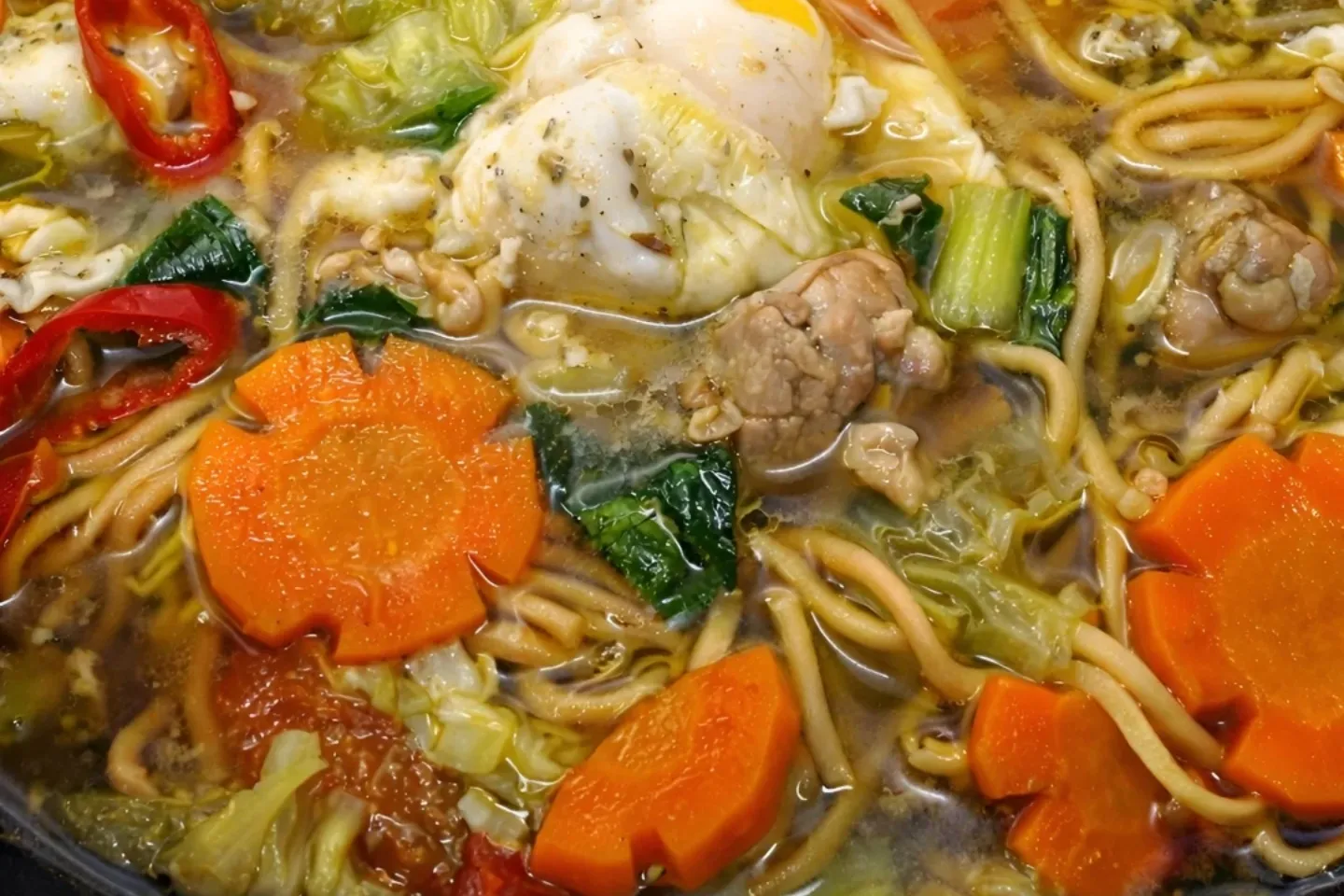
The egg is cracked straight into the pot and left to set. The yolk breaks as you eat.

Lime is a must
One squeeze before eating. Without it, the broth tastes dull and heavy.
What is Mee Rebus Terengganu?
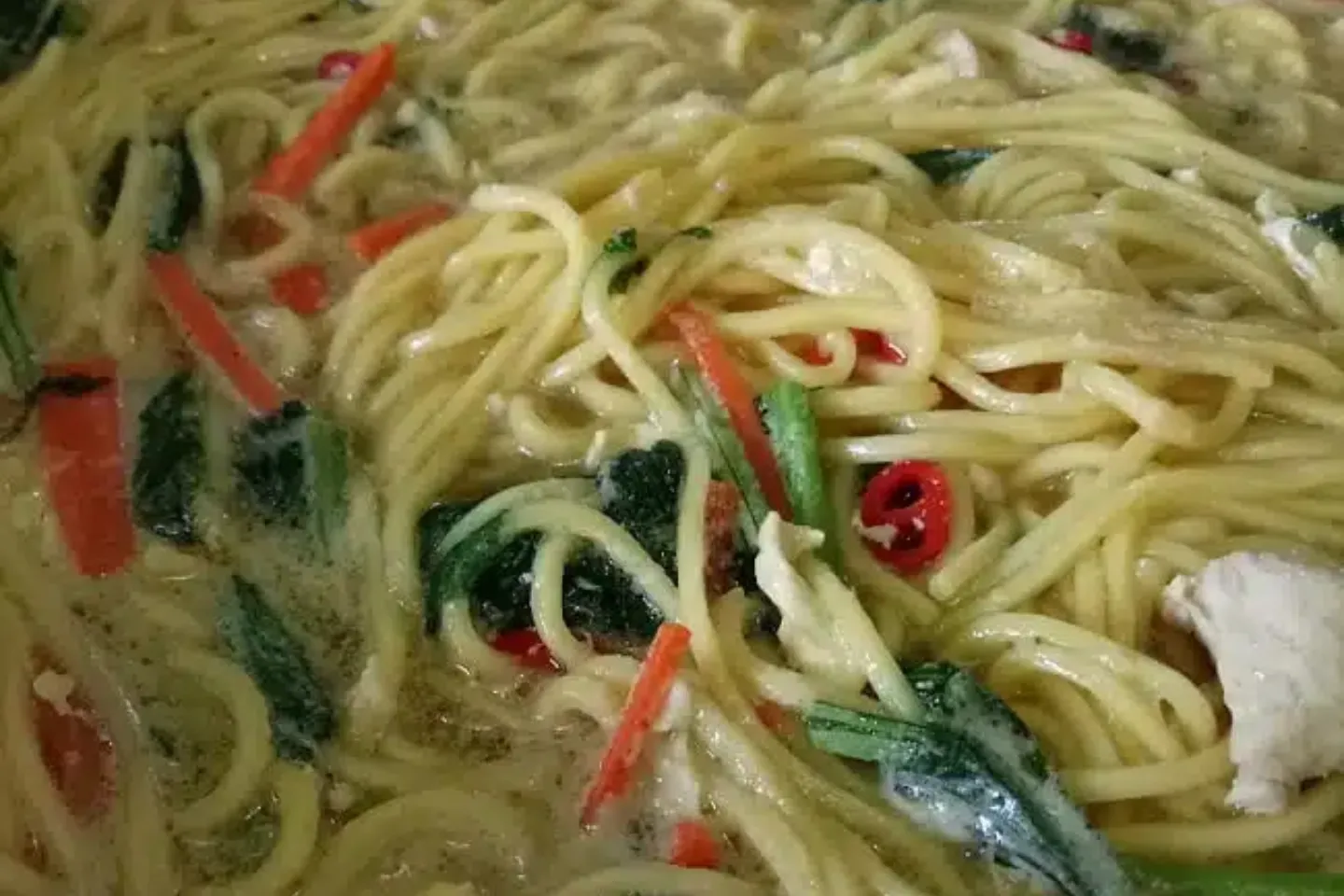
Mee Rebus Terengganu is a yellow noodle dish cooked in a fish stock broth. The basic ingredients are simple. Shallots, garlic and black peppercorns are pounded, sautéed until the oil splits, then thinned with the water used to boil the fish.
The broth is closer to a soup than a thick gravy. That is why many people from other states are surprised the first time they eat it. They expect the sweetness of sweet potato, but what they get is the taste of fish, the heat of black pepper and the sourness of lime.
Common basic ingredients
- Yellow noodles as the base of the dish.
- Selayang or Indian mackerel for the stock and the flesh.
- Shallots, garlic and black peppercorns, coarsely pounded.
- Fish balls or fish cake for a springy texture.
- Eggs cracked straight into the broth.
- Cabbage, mustard greens, carrot and tomato as the vegetables.
- Lime to squeeze over before eating.
Origins & history
There is no official record showing who first cooked this version of mee rebus. What is clear is that its form is closely tied to the coastal way of life in Terengganu. Fish was cheap and easy to get, so fish became the base of the broth.
Black pepper, meanwhile, comes from the East Coast cooking tradition, which is comfortable with pepper-based heat, not just chilli. When yellow noodles became easy to find at village grocery shops, these three things came together as a dish people cooked for breakfast or a simple dinner.
Three stages of development
Coastal home cooking
The day's catch was boiled, and the cooking water was not thrown away but became the broth.
Yellow noodles reach the village
With commercial yellow noodles easy to find, the dish changed from a fish soup into a noodle soup.
Stall and shop versions
Fish balls, fish cake and prawns were added so the dish looked more generous for selling.
Why is black pepper the key flavour?
A long heat, not a sharp one
Chilli gives a heat that stings the tip of the tongue. Black pepper gives a warmth that creeps in slowly and lingers. That is what makes even a thin broth taste full-bodied.
Masks the fishy smell
Fish stock can easily smell if not handled well. The essential oils in sautéed black pepper lock in that smell without the need for many other spices.
The broth stays clear
Because no mashed sweet potato or peanuts are used, the broth stays thin and clean. The flavour comes from the stock and the pepper, not from a thickener.
A match for lime
The heat of black pepper and the sourness of lime lift each other. Just a small squeeze, and the broth instantly goes up a level.
Discovery Terengganu · Traditional Food
An Easy Mee Rebus Terengganu Recipe
A basic version for 4 people. The black pepper heat and the thickness of the broth can be adjusted to your family's taste.
Main ingredients
Ingredients to pound
Cooking method
- 1
Rinse the yellow noodles
Pour hot water over the yellow noodles for about 30 seconds, then drain.
Why this is needed
Shop-bought yellow noodles have an oil coating and a smell of lye. Hot water removes both at once.
- 2
Boil the fish and keep the stock
Boil the selayang with a little salt for 8 to 10 minutes. Lift out, separate the flesh and discard the bones. Do not throw away the cooking water.
This is the key to the Tranung version
That fish cooking water is the base of the broth. Throw it away, and the dish becomes an ordinary noodle soup.
Avoid a fishy smell
Remove the gills and the dark lining of the belly before boiling. Do not close the pot lid tightly while boiling.
- 3
Pound the base ingredients
Pound the shallots, garlic and black peppercorns until coarse. Do not blend them until fine.
Pounding is more fragrant
Pounding breaks the cells and releases the essential oils. A blender cuts instead, so less aroma comes out.
- 4
Sauté until the oil splits
Heat the oil and sauté the pounded ingredients over medium heat until fragrant and the oil rises to the surface.
- 5
Add the fish meat
Add the fish flesh separated earlier. Stir well so the flavour of the fish soaks into the sautéed paste.
- 6
Pour in the fish stock
Pour in the stock along with extra water to make up 1.2 litres. Let it simmer gently for 10 minutes.
- 7
Add the fish balls and carrot
Add the fish balls and carrot. Cook for another 5 minutes until the carrot is soft.
- 8
Crack in the eggs
Crack the eggs one by one straight into the broth. Cover the pot for 2 minutes and do not stir.
Warning
Stirring too early breaks the yolks and makes the broth cloudy.
- 9
Add the vegetables and seasoning
Add the cabbage, mustard greens, tomato and large chilli. Season with fine salt and a little sugar.
- 10
Add the noodles and serve
Add the yellow noodles, toss for just 1 to 2 minutes, then turn off the heat. Squeeze lime over the plate before eating.
Tips for a full-bodied broth
- Rinse the yellow noodles first and the lye smell disappears straight away.
- Pound whole black peppercorns; do not use ready-ground pepper.
- Use the fish cooking water, not plain water.
- Let the eggs set for two minutes before touching them.
- The noodles go in last; two minutes is enough.
- Squeeze the lime over the plate, not into the pot.
Delicious served with
discoveryterengganu.com/mee-rebus-terengganu Black pepper heat adjusted to taste
Secrets to a delicious broth & common mistakes
This mee rebus uses only a few ingredients. That is why every step has to be right; there are no other spices to cover up mistakes.
The fish stock must be concentrated
Boil the fish in just enough water. If there is too much water from the start, the stock becomes thin and the fish flavour is lost. It is better to boil it concentrated first, then add water later as needed.
The role of lime
It is not just there for sourness. The sourness of lime cuts through the richness of the fish and lifts the black pepper heat so it does not feel heavy in the throat. Squeeze it when you are about to eat, not while cooking, as the sourness turns bitter when heated.
Common mistakes
- Throwing away the fish cooking water, so the broth loses its flavour base.
- Using ready-ground black pepper; the fragrance is not the same.
- Adding the noodles too early so they swell and fall apart.
- Stirring the egg as soon as it is cracked in, making the broth cloudy.
- Squeezing lime into the pot while the heat is still on.
Tips for choosing selayang
- Clear, bulging eyes, not grey and sunken.
- Fresh red gills when opened.
- A firm body that quickly springs back when pressed.
- Medium size is better; the flesh is not too oily.
How mee rebus differs by state
A general overview only. Every family has its own version, so no single formula can be considered the most authentic.
| Lifestyle | Broth base | Dominant flavour | Key features |
|---|---|---|---|
| Terengganu | Selayang fish stock | Black pepper heat and lime sourness | A thin, soup-like broth, with the egg set in the broth |
| Kelantan | Fish and dried shrimp stock | Natural sweetness | Close to the Terengganu version, sometimes sweeter |
| Johor | Sweet potato and peanuts | Sweet and thick | A thick, yellowish gravy, garnished with tofu and boiled egg |
| Mamak / Malaysian Indian | Sweet potato, taucu and dried shrimp | Sweet and spiced | The thickest gravy, sprinkled with fried shallots and green chillies |
Why the Tranung version looks plain
Because there is no thickener. People used to a thick gravy will find it too light on the first mouthful. Only on the second and third mouthfuls does the fish flavour come through.
Want it a little thicker?
Mash some of the fish flesh and return it to the broth. This thickens the broth without changing the original flavour. Avoid cornflour; the texture becomes slippery and odd.
Product picks · Promotional content
Muslim Food Industries
Fish balls are the most fiddly part to make yourself. The fish has to be mashed and stirred until springy before being shaped. Muslim Food Industries supplies fish balls, yellow noodles and fine salt that are halal and consistent every time you use them.
Ideal for cooking at home, and also for those running a mee rebus stall who need supplies that taste the same day after day.

The Muslim Food products you need

The base of the dish
Yellow Noodles
Dense noodles that do not go soggy quickly, so they hold up to a brief simmer in the broth. Pour hot water over them before they go into the pot.
Buy on ShopeeSpringy texture
Fish Balls
Add them after the broth boils so the fish balls do not break. A halal product from Muslim Food Industries.
View Product
Basic seasoning
Fine Salt
The fine grains dissolve quickly and are easy to control. Season little by little; the fish stock already has its own flavour.
Buy on ShopeeSoalan lazim
Why does Mee Rebus Terengganu not use sweet potato?
The Terengganu version is based on fish stock and black pepper. Sweet potato and peanuts are the hallmark of Johor-style mee rebus, not the East Coast.
Can I use fish other than selayang?
Yes. Indian mackerel is the closest in flavour. Cencaru and sardines also work, though the broth will have a slightly stronger smell.
Why do yellow noodles need to be rinsed first?
Shop-bought yellow noodles usually have a lye smell and an oil coating. Pour hot water over them for 30 seconds and drain; the smell will go and the noodles will not turn sour as quickly.
Can I cook it without fish balls?
Yes. Replace them with small pieces of chicken or prawns. It is just that fish balls give the springy texture that Terengganu folk look for.
Why should the egg not be stirred in the broth?
If stirred, the yolk breaks and the broth turns cloudy. Let the egg set for two minutes first, then touch it.
The broth tastes bland; how do I fix it?
It is usually because the fish stock is too thin. Mash a little fish flesh and return it to the broth, then simmer for another five minutes before adding the noodles.
Conclusion
Mee Rebus Terengganu stands on just three things. A concentrated fish stock, pounded black pepper, and lime squeezed in just before eating. No long list of spices, no thickener.
Because there are so few ingredients, every step matters. Look after the stock, look after the sautéed paste, and do not add the noodles too early. Do it properly, and this bowl of mee rebus can outshine far more complicated dishes.
Food blog
Keep exploring other Terengganu heritage dishes.