
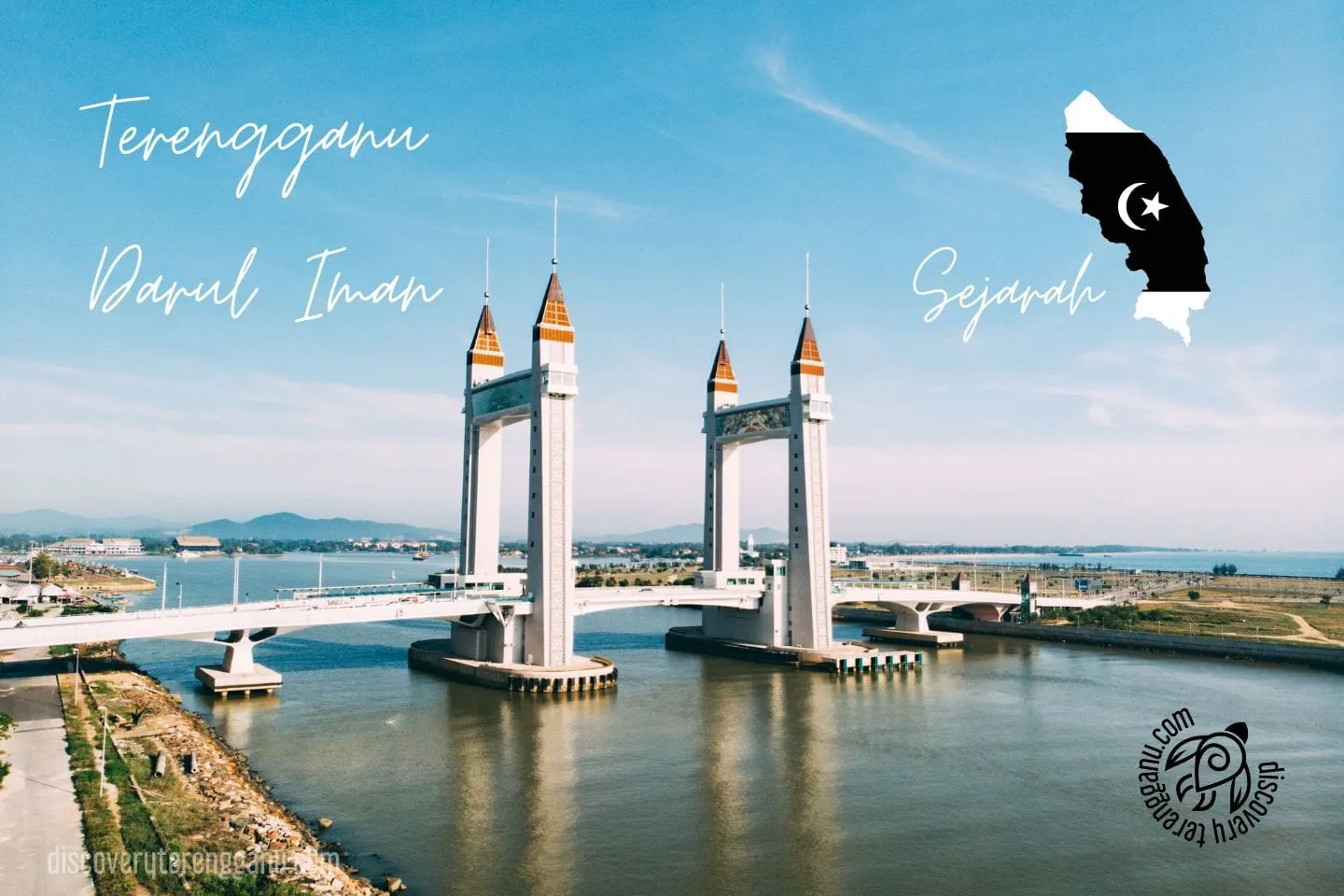

Terengganu, a state on the East Coast of Malaysia, is not only famous for its stunning beaches but is also steeped in a rich and unique history. From the mysterious origins of its name to the discovery of the Batu Bersurat (Inscribed Stone), Terengganu holds many stories handed down through the ages. In this article, we will explore the origins of the name Terengganu and trace the historical footsteps that shaped the state's identity as “Darul Iman”.

There are several intriguing theories about the origins of the name “Terengganu”. According to legend, the name began when a group of hunters from Pahang ventured into Ulu Terengganu. They found a unique fang by the riverbank, and one of them said, “Ini taring anu” (“This is the fang of… that thing”). Over time, the area came to be called “Taring Anu”, which was later shortened to “Terengganu”.

Another theory tells of a bright light seen from Kelantan in the direction of Terengganu. The people of Kelantan who witnessed the light said, “Terang sungguh ganu di sana” (“How bright it is over there”), referring to the bright phenomenon in the Terengganu sky. Some also link the name to the word "Terengan", which refers to a river or a particular area in Ulu Terengganu. The names “Terengan… nu” or “Terengan… ni” are said to have come from questions asked by local people when pointing towards that river.
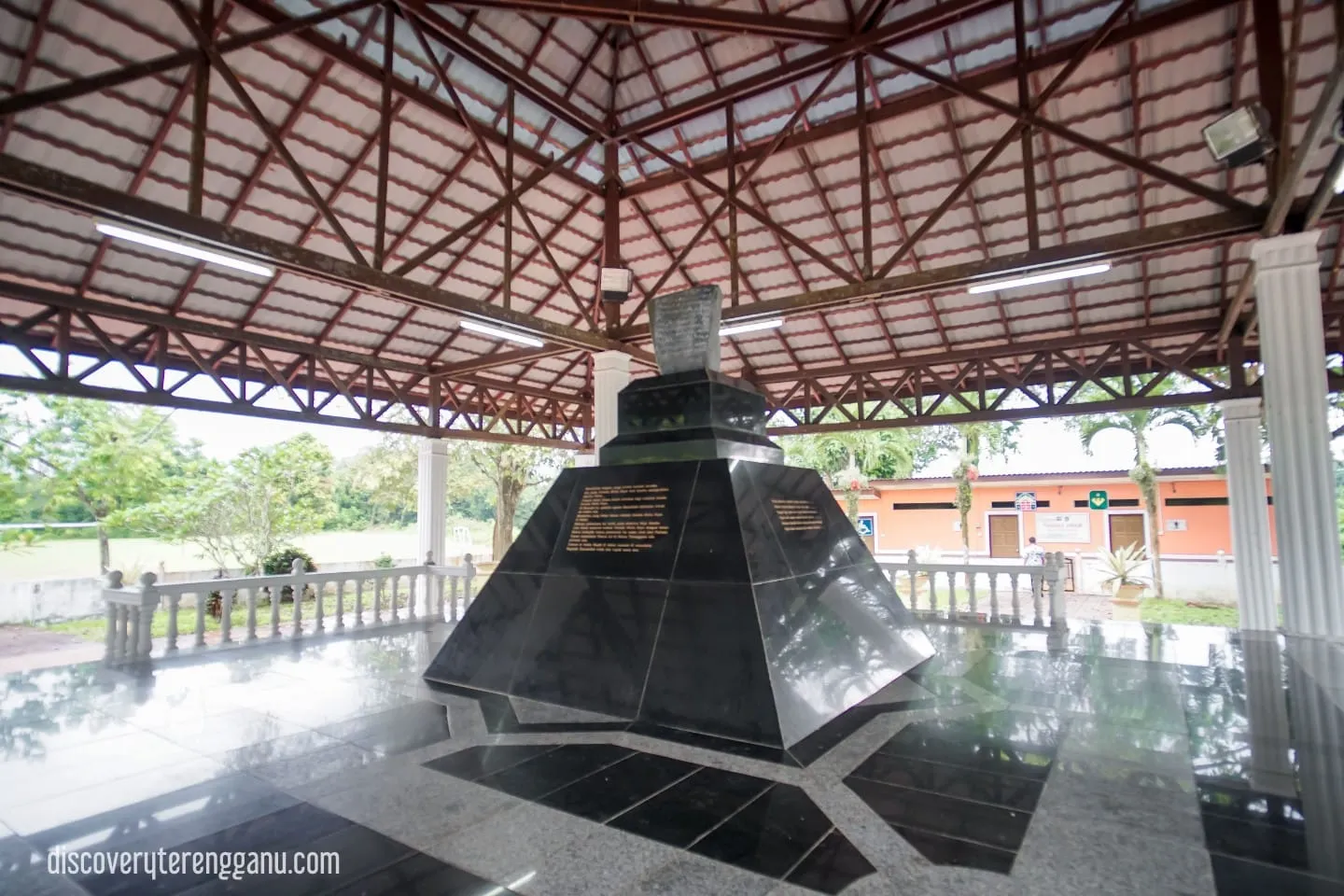
The discovery of the Batu Bersurat in Kampung Buloh, Kuala Berang in 1887 is the earliest evidence of the arrival of Islam in Terengganu. The name “Terenkanu” is inscribed on the stone, showing that the state had its own identity and language as early as the 14th century. Based on records, the word “Terenkanu” on the Batu Bersurat supports the long-established influence of Islam in the state.
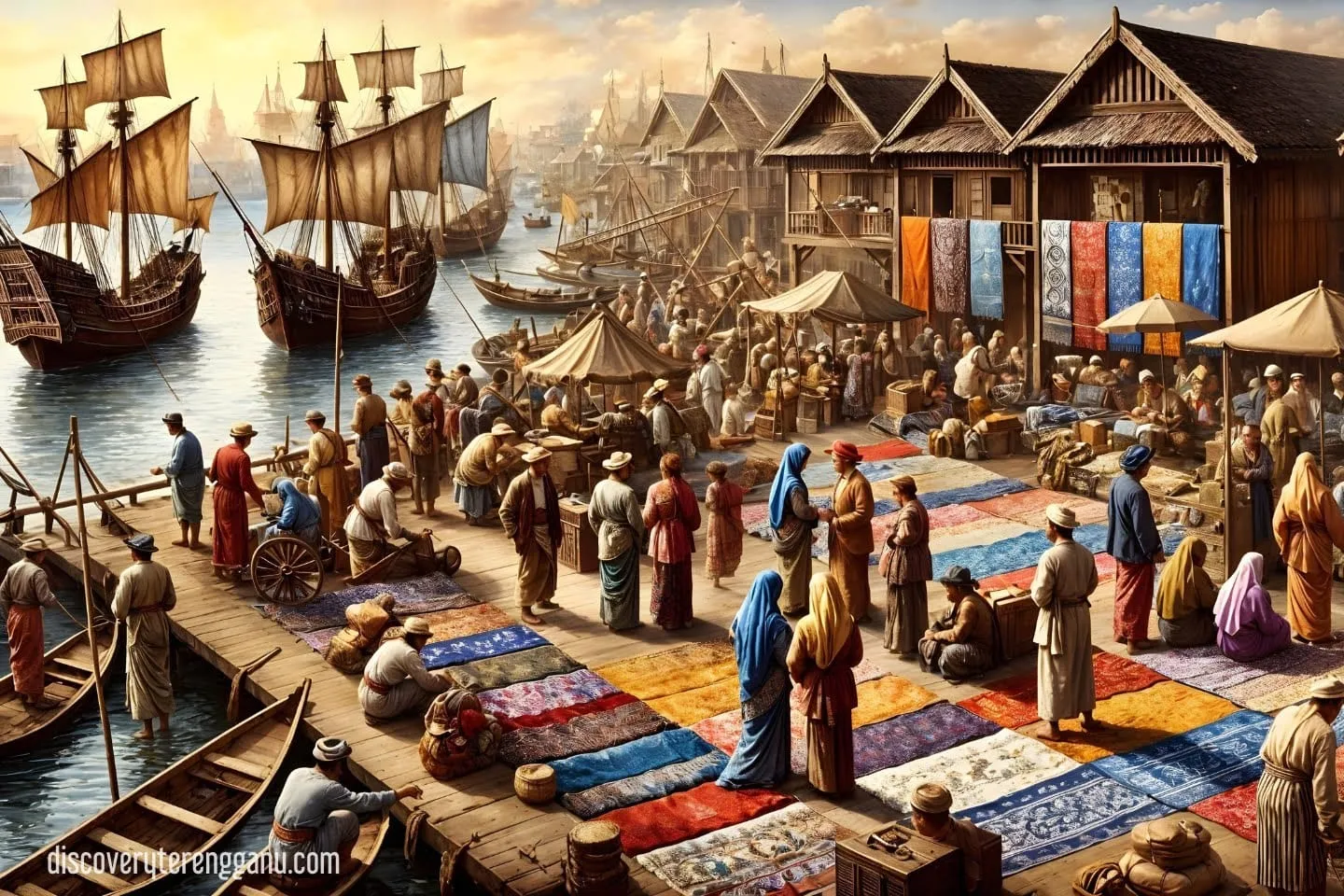
The map of the Malay Peninsula drawn by the Greek geographer Ptolemy shows two ports on the East Coast, namely “Perimula” and “Kole.” Many historians believe that “Perimula” refers to a port in Kuala Terengganu, while “Kole” is thought to be Kemaman. These records show that Terengganu has been an important trading port for thousands of years
In the Javanese text “Negarakertagama”, written in 1365, Terengganu is also mentioned as a territory subject to the Majapahit empire. This proves that Terengganu was once a major trading centre in Southeast Asia, even before the arrival of Western colonial powers.
Terengganu also drew the attention of travellers and traders from China, India and the Middle East. Based on the accounts of Chinese seafarers, Terengganu was known as “Tong Ya Nong” in Chinese voyage records from 1225. This proves Terengganu's trade and diplomatic relations with great civilisations such as China.
In addition, some historians believe the name Terengganu may come from the Tamil word “Terenggani”, meaning “hilly land”, referring to Terengganu's landscape of hills and valleys.
The title “Darul Iman” means “the Peaceful State” and symbolises the peace and harmony enjoyed by the people of Terengganu. According to records, the title was bestowed during the reign of Sultan Umar (1839-1875), although some sources mention the title “Darus-Salam” in earlier times.
Photo: www.terengganu.gov.my
The state of Terengganu Darul Iman is located on the East Coast of Peninsular Malaysia, between longitudes 102.25 and 103.50 and latitudes 4 and 5.50. Terengganu borders Kelantan to the north and north-west, and Pahang to the south and south-west. Covering more than 1.295 million hectares, the state also has a 225-kilometre coastline stretching from Besut to Kemaman.
Terengganu originally had nine districts, but the state is now divided into seven main districts, namely:
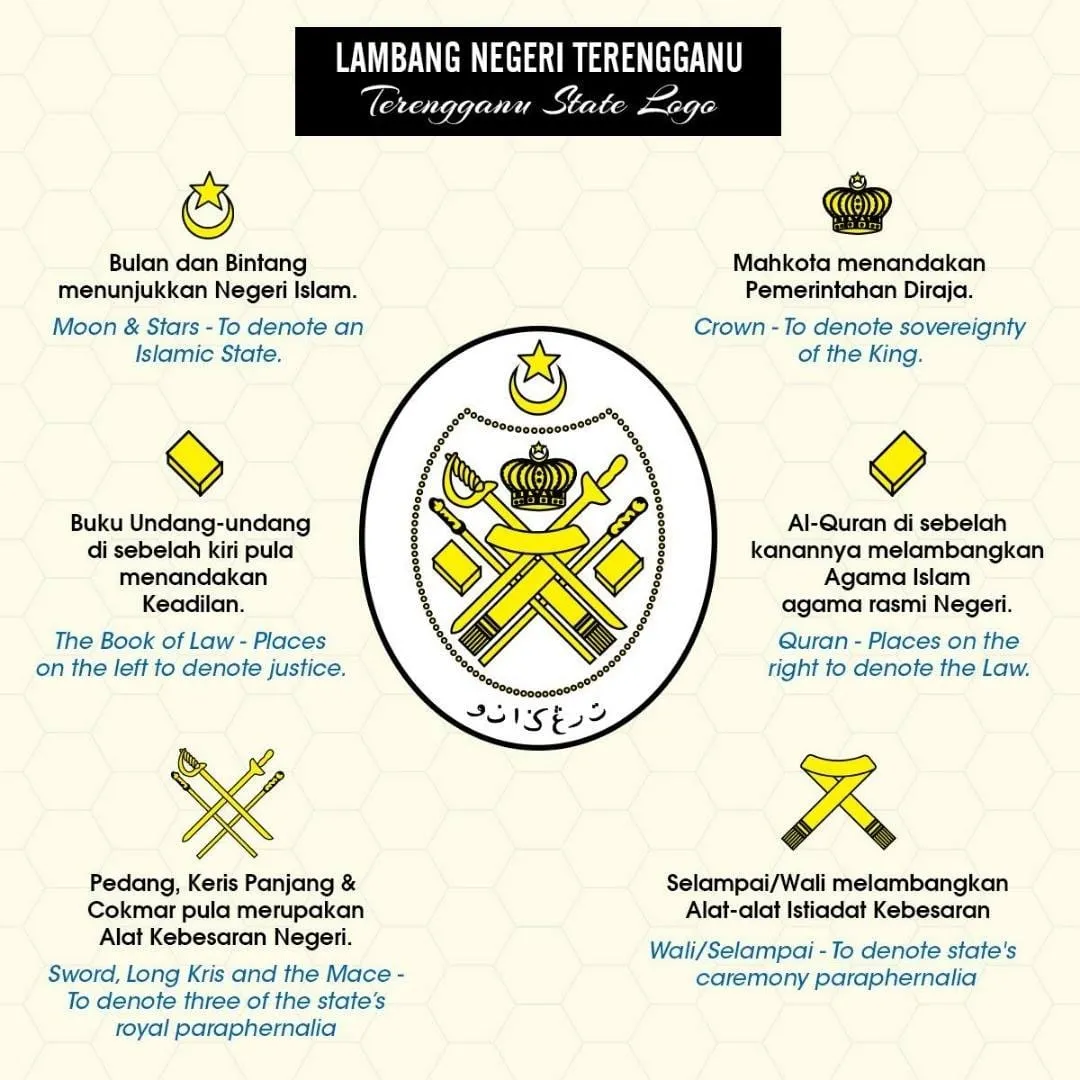
The Terengganu State Coat of Arms in use today was created during the reign of Sultan Zainal Abidin III. It was produced by Encik Mohamad bin Abdul Rahim, a relative of Dato’ Nara Wangsa, and was approved by the State Jumaah Council Meeting in 1932. The emblem is not merely a design but a symbol of pride that represents the identity and standing of Terengganu as a sovereign Islamic state.
Photo: www.facebook.com/govtrg
Symbols in the Terengganu Coat of Arms
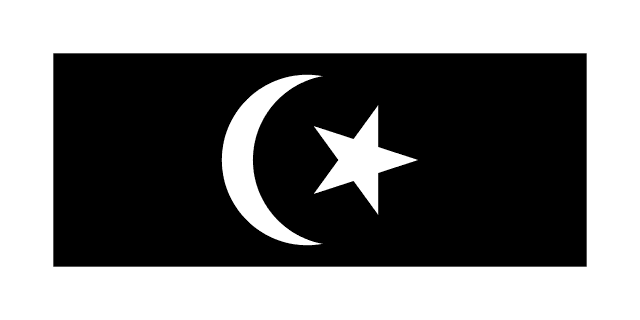
The Terengganu State Flag is simple in appearance yet full of deep symbolism. White represents the Sultan of Terengganu as protector of the people, while black represents the people of the state. At the centre of the flag, the crescent moon and star acknowledge Islam as the official religion, clearly highlighting the state's identity.
The history of the Terengganu flag began in 1912 with a white flag symbolising purity, the favourite colour of the Sultan at the time. During the reign of the 14th Sultan, the yellow royal coat of arms was added as a symbol of the state's resilience. The current flag design was gazetted on 8 October 1953, retaining the crescent moon and star, with a white and black background representing the standing of the Sultan and the people.
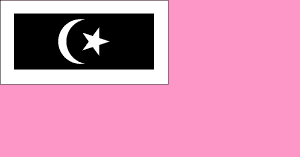
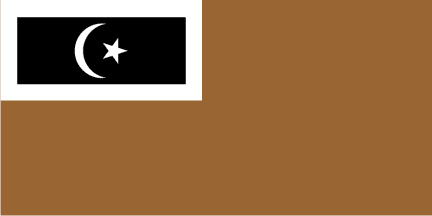
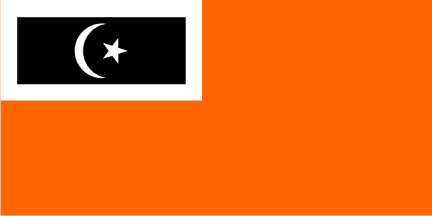
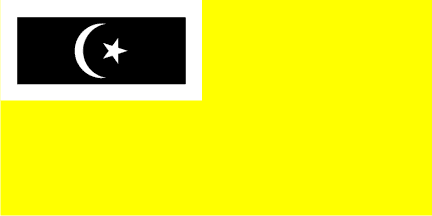
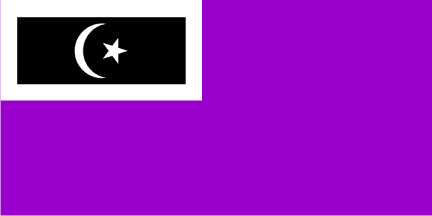
Terengganu has a dedicated flag for each of its eight districts, namely Kuala Terengganu, Kemaman, Besut, Marang, Kuala Nerus, Dungun, Setiu and Hulu Terengganu. Each district flag carries colours and symbols that reflect the unique character of each area, from the industrial strength of Kemaman to the fishing traditions of Dungun.
The history of Terengganu is a blend of oral tales and historical records that makes it unique in Malaysia's cultural landscape. From the legend of the fang to the Batu Bersurat, Terengganu remains a captivating destination for lovers of history and culture. By continuing to preserve this heritage, Terengganu can strengthen its position as one of the most important states in Malaysian history. The state of “Darul Iman” continues to stand as an enduring symbol of history and beauty.