






History of the Batu Bersurat Terengganu: The First Jawi Writing in Malaysia.

Did You Know ?

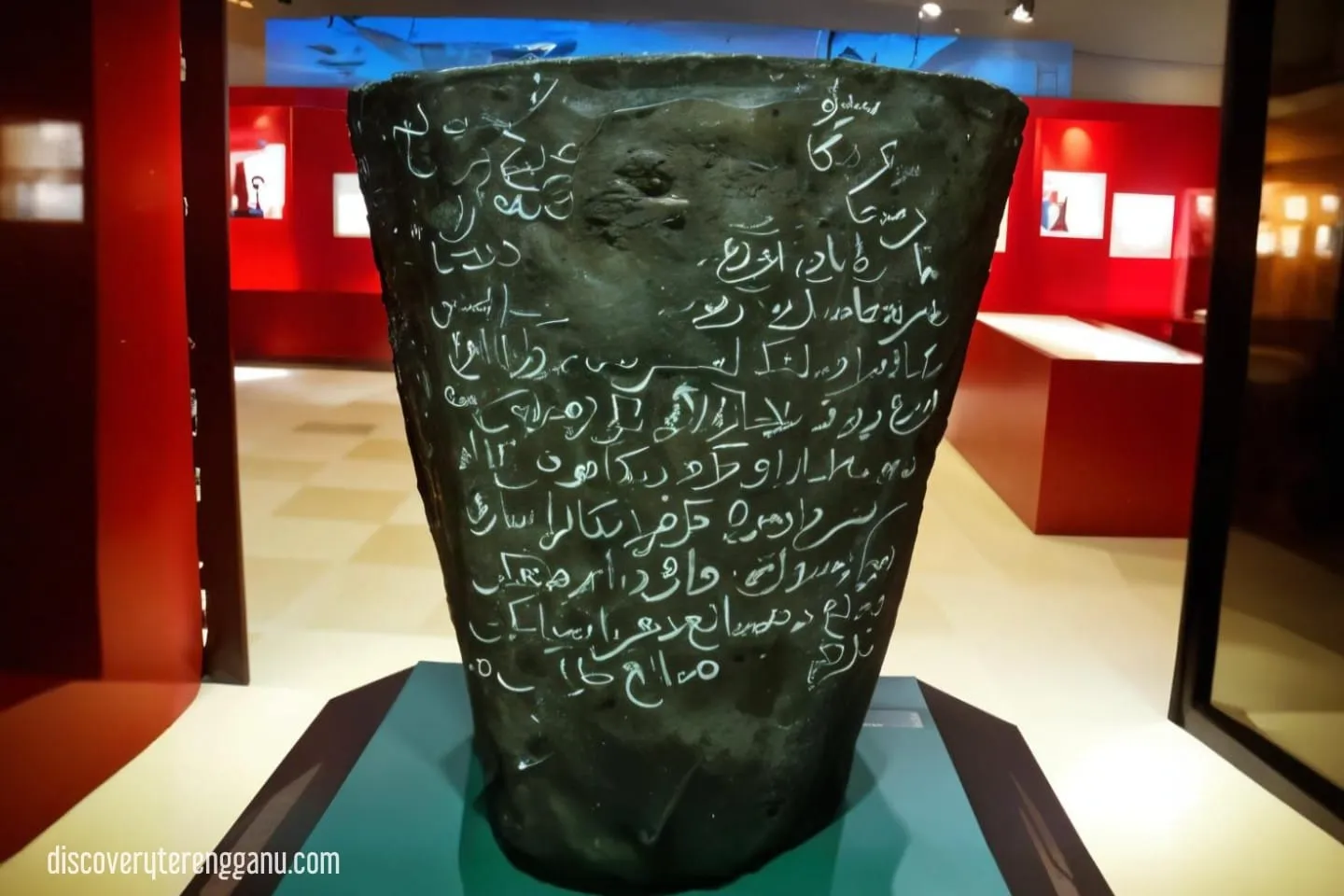
The Batu Bersurat Terengganu (Terengganu Inscription Stone), estimated to be around 700 years old, is the oldest inscription stone with ancient carvings and the first Jawi writing to be found in Malaysia. The Batu Bersurat Terengganu is one of the most important historical relics and a symbol of the rise of Islamic civilisation in the Malay Peninsula. Its discovery opened a new chapter in the history of Jawi writing and the spread of Islam in the region.

The Oldest Inscription, Dating from 1303 CE

Batu Bersurat Terengganu

This inscription, estimated to date from 702 Hijrah (1303 CE), is the earliest evidence of Jawi writing in the Malay world, particularly in Southeast Asia. It was found half-submerged on the bank of the Tersat River (also known as the Tara River), Kampung Buluh, Kuala Berang, Hulu Terengganu, after floodwaters receded.

Significance

The Batu Bersurat is the first evidence of the presence of Islam in the Malay Peninsula. It also proves that the Jawi script had been widely used since the 14th century. The content of the Batu Bersurat sets out Islamic commands and laws, making it a symbol of the integration of religion and culture in Malay society.

The Story of the Discovery of the Batu Bersurat Terengganu

History of the Batu Bersurat Terengganu

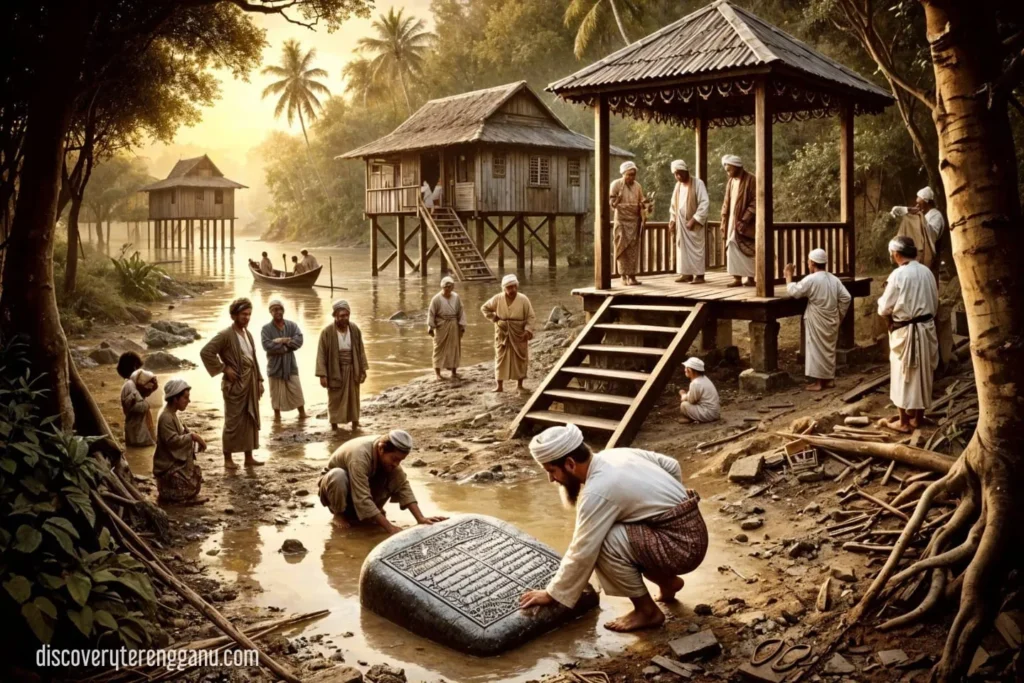
The Batu Bersurat was found in 1887 at Tanah Batu, on the bank of the Tersat River (Tara River), Mukim Kampung Buloh, Hulu Terengganu. At first, it was used as a footstep for washing feet at a surau by Tok Abdul Rashid. However, 15 years later, in 1902, a businessman of Arab descent named Saiyed Husin Ghulam Al-Bukhari came across the stone while performing the Zohor prayer. He was intrigued by the writing inscribed on it.

An artist's impression of the discovery of the Batu Bersurat Terengganu by Syed Husin Ghulam Al-Bukhari

After finishing his prayers, he met the Penghulu Mukim (sub-district headman), Penghulu Ali bin Sulaiman, and the surau's bilal to find out more. According to them, the stone had been found by villagers in 1887 and brought to the surau for everyday use. Intrigued by the writing carved on the stone, Saiyed Husin asked Penghulu Ali and the villagers to help him clean it. He then had the stone loaded onto a boat and taken to Kuala Terengganu.

Research and Relocation

After it was cleaned, Sayied Husin took the Batu Bersurat to Kuala Terengganu and presented it to the Sultan of Terengganu, Tuanku Sultan Zainal Abidin III (1881 – 1918). However, as no one could read or understand the inscription on the stone, His Majesty decreed that it be placed at Bukit Puteri for safekeeping. Bukit Puteri is near Istana Maziah and Pasar Kedai Payang in Kuala Terengganu.

An illustration (AI) of the discovery of the inscription stone

Efforts to Translate the Batu Bersurat

In 1922, the Deputy British Adviser in Terengganu, Major H.S. Peterson, who was also the Head of the Kuala Terengganu Town Board, brought the Batu Bersurat to the Town Board Office for further study. He ordered the writing on the stone to be chalked in to make it easier to read, but the inscription was still not fully understood. A copy of the Jawi writing on the stone was also sent to Mecca to be translated, but its true meaning remained unknown.

The Batu Bersurat is more than 700 years old

Batu Bersurat ini dikaji oleh Pegawai British di Terengganu 03121012
The Batu Bersurat was studied by British officials in Terengganu

Efforts to Analyse the Content of the Batu Bersurat

In an effort to identify the content of the stone, Peterson invited a Japanese photographer, N. Suzuki, to photograph the inscription. The photographs were then sent to the University of Oxford, England, for more in-depth study.

Findings and Historical Significance

As a result of this research, scholars agreed that the Batu Bersurat Terengganu contains a proclamation of Islamic law and is dated 702 Hijrah (equivalent to 1303 CE), making it the oldest written evidence of Islam in the Malay Peninsula. It proves that Islam had reached Terengganu before 1326.

Early Placement of the Batu Bersurat

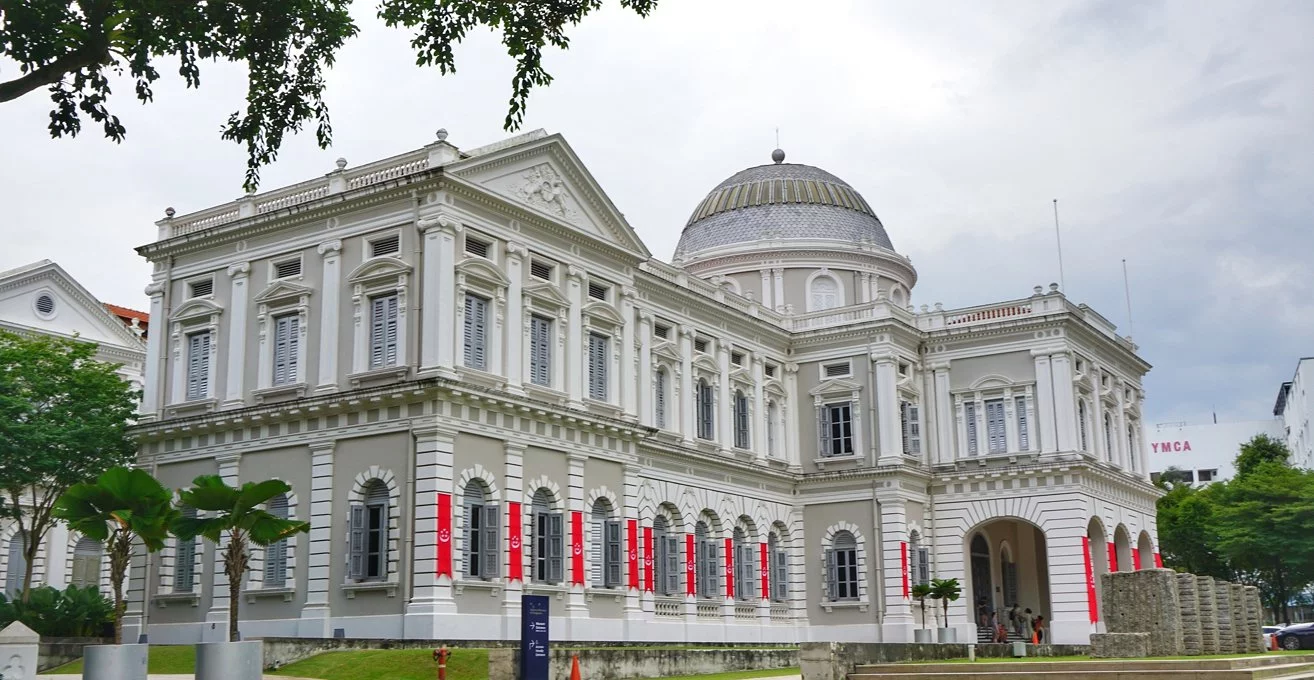
In 1923, the Batu Bersurat was loaned to the Raffles Museum (now the National Museum of Singapore) at the suggestion of the British. Once approval was given, the stone was sent to Singapore to be preserved and studied in depth. The Batu Bersurat remained in Singapore until the National Museum in Kuala Lumpur was completed, before finally being moved to Kuala Lumpur.

Muzium Raffles di Singapura
Raffles Museum in Singapore

In 1960, the Batu Bersurat was moved to the National Museum, Kuala Lumpur, on loan from the Raffles Museum, Singapore. From 1979, efforts were made to return it to Terengganu. In 1987, following successful negotiations, the Terengganu State Government received the Batu Bersurat, and on 12 July 1991 it was officially handed over to the state government by the Minister of Culture and Tourism, Tan Sri Sabbaruddin Chik. The Batu Bersurat remains a precious heritage of the state of Terengganu Darul Iman.

@ganuonthego The Batu Bersurat Terengganu, estimated to be 700 years old, is the oldest inscription stone carved in Jawi and the first to be found in Malaysia 🤍 #fyp #foryou #photography #masukberanda #foryoumalaysia #trulyasia #beautifulterengganu #cuticutimalaysia #gayatravel #kakitravelnet #terengganudaruliman ♬ Suling Sholawat Sedih - mieNish

Historical Locations of the Batu Bersurat

Muzium Negeri Terengganu
Kuala Terengganu

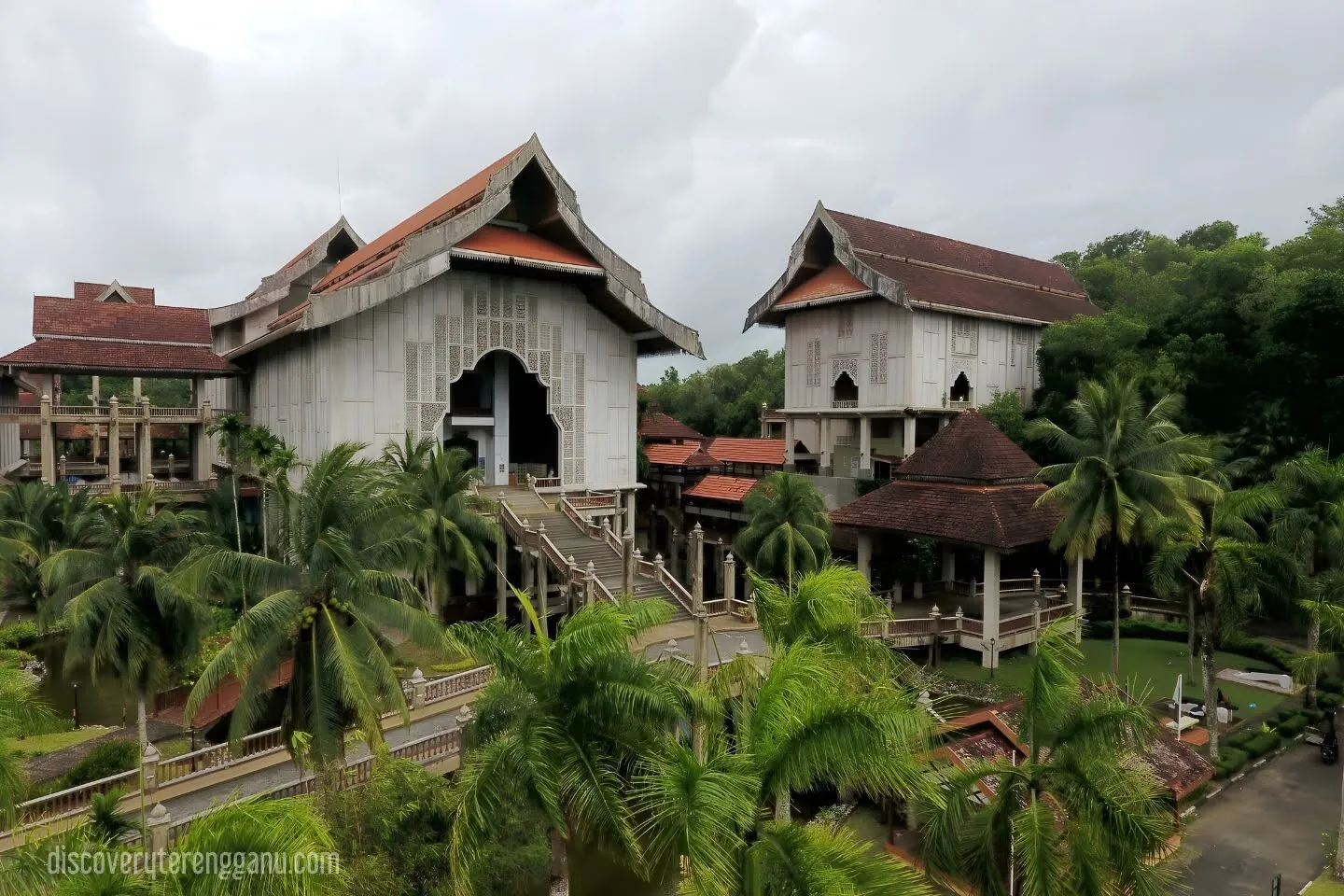
Terengganu State Museum

The original Batu Bersurat Terengganu has been housed at the Terengganu State Museum since its official return on 15 May 1991 and remains there to this day as a treasure of the nation's historical heritage. If you get the chance, visit the museum to see the original inscription stone for yourself, with its ancient Jawi carvings and evidence of the arrival of Islam in the region since 1303.

Memorial Batu Bersurat
Hulu Terengganu

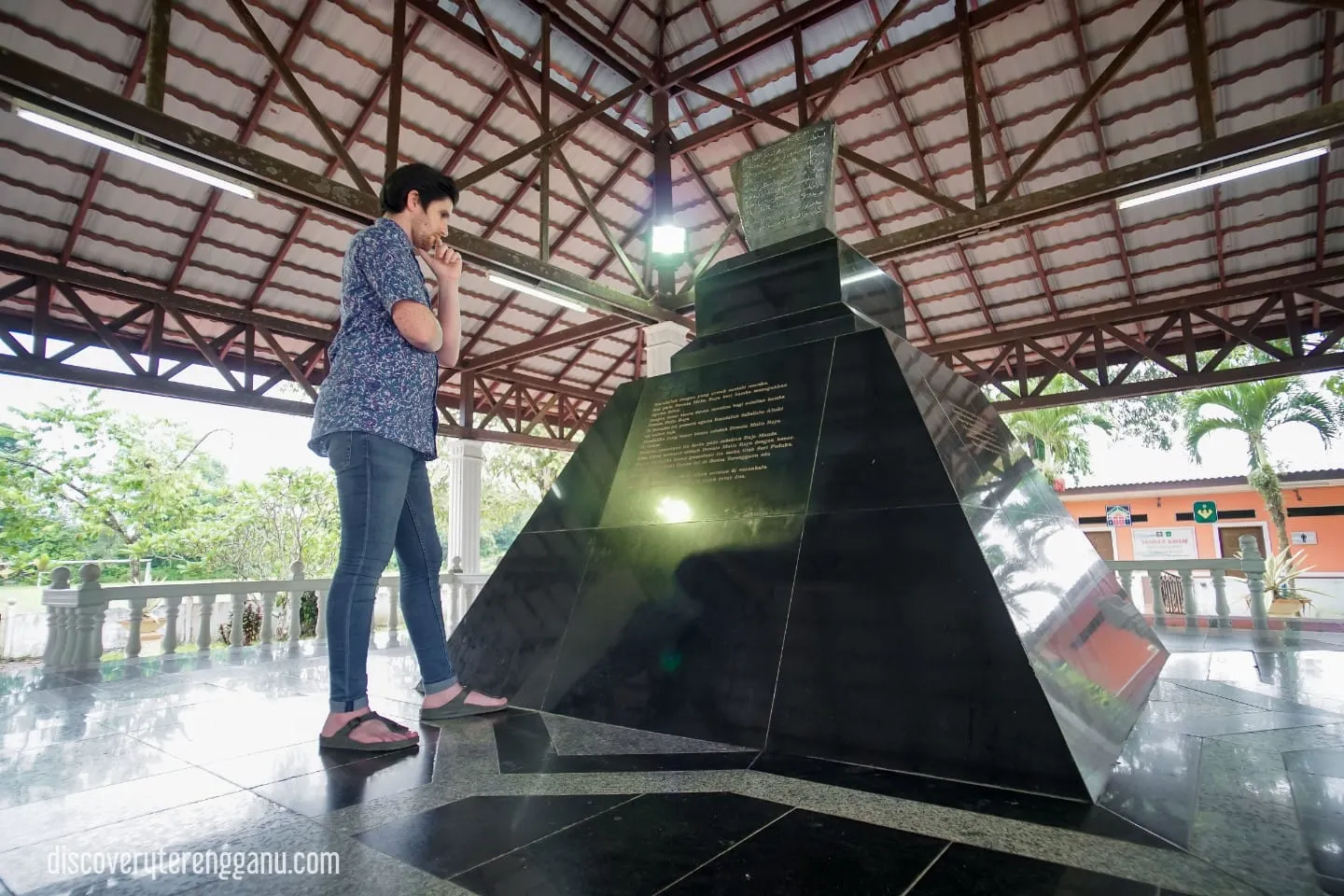
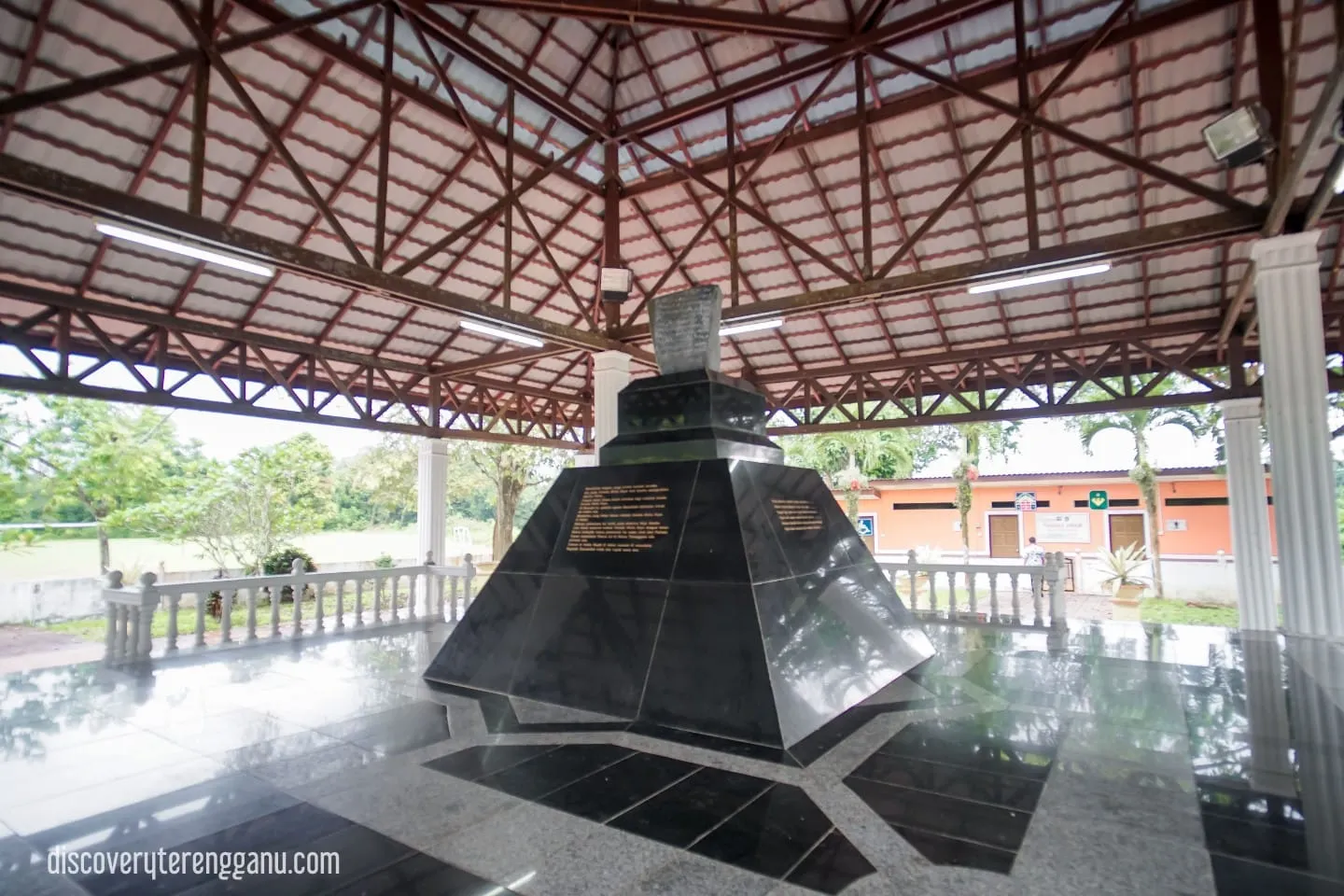
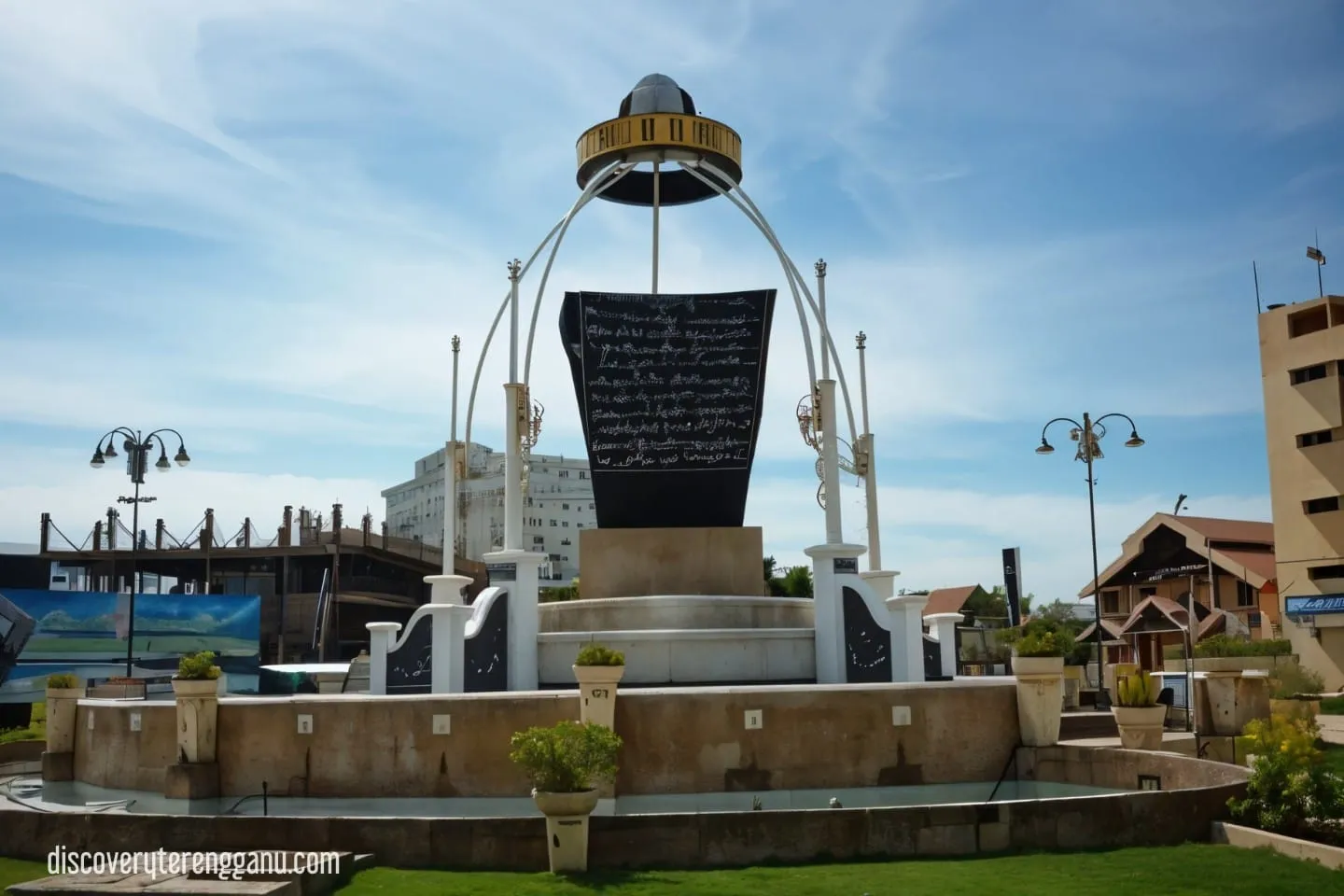
Batu Bersurat Memorial

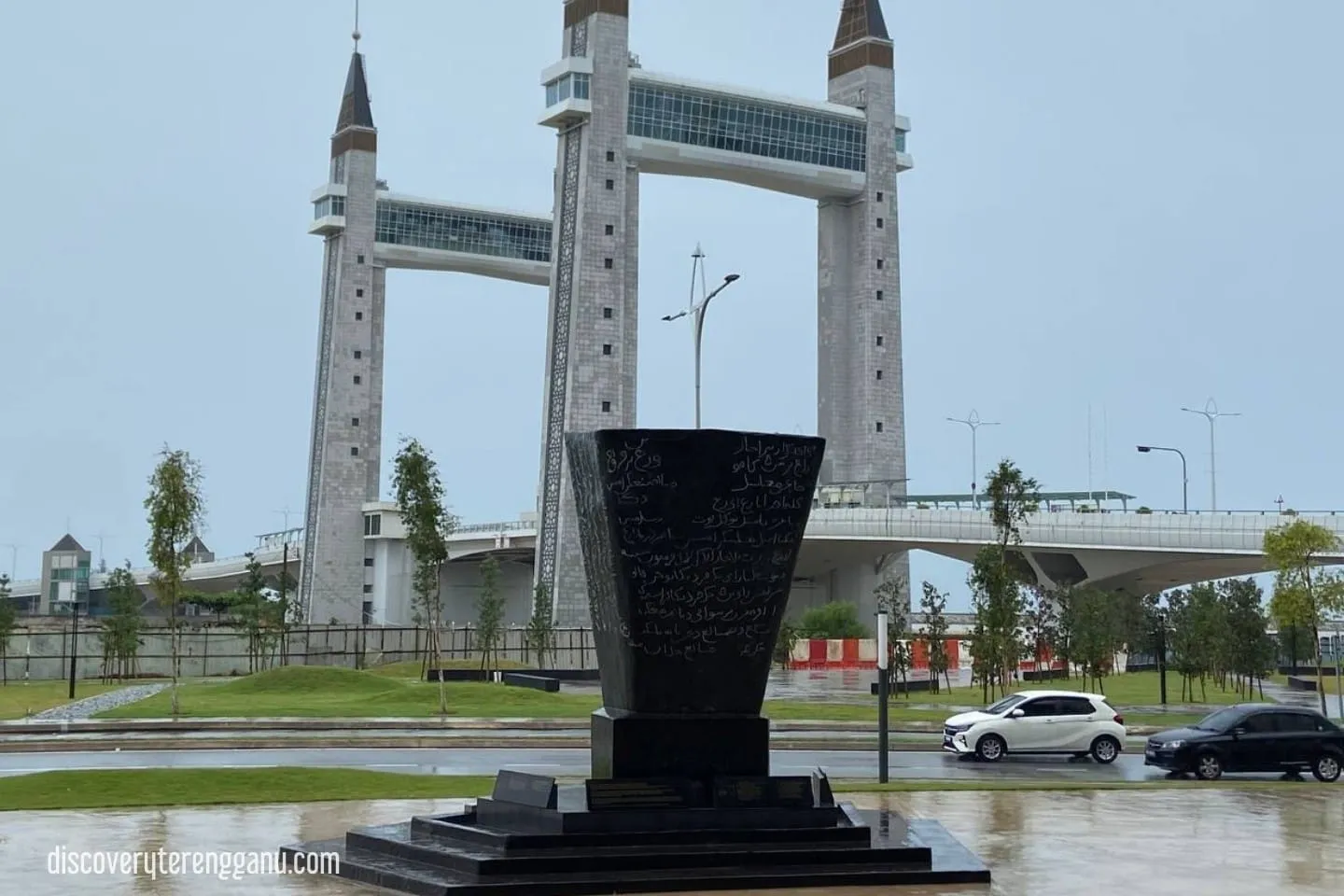
The Batu Bersurat Memorial in Hulu Terengganu commemorates the discovery of this historical artefact, early evidence of the use of Jawi writing in Malaysia. Located at the original site of its discovery, the memorial gives visitors the opportunity to appreciate the heritage of Islamic history and Malay culture. If you visit, you can take a closer look at the ancient Jawi carvings and understand their importance in the nation's history.
What Is Recorded on the Batu Bersurat ?

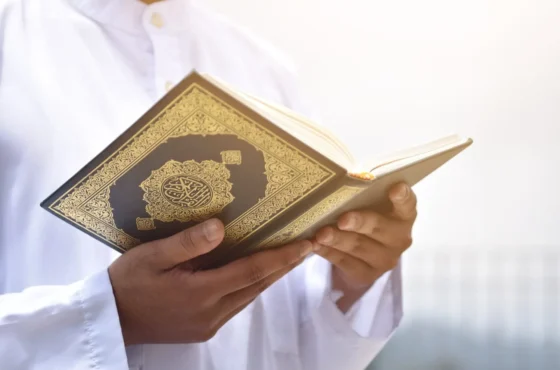
The text on the Batu Bersurat concerns laws issued by a ruler. It declares Islam as the official religion and explains Islamic laws, particularly those relating to the prohibition of vice and wrongdoing. This record is believed to be early evidence of the arrival of Islam in Terengganu in 1303 CE.

Membaca Alquran 03121028

Acceptance of Islam

The stone also details the acceptance of Islam by the people of Terengganu and the declaration of Islam as the official religion of the state.

Prohibition of Adultery

The stone records the prohibition of vice and adultery, as well as the punishments imposed on those who commit such acts.

Rules on Zakat

It contains rules relating to zakat, emphasising the importance of paying zakat as part of the practice of Islam.

Other Laws

There are also several other laws and rules relating to social and religious life

Tambah Komen

Your email address will not be published.