

Get to Know the Asian Elephant at KECV

Have you ever thought about seeing elephants up close, feeding them, or even bathing them? As a nature lover, I recently had the chance to visit Kenyir Elephant Conservation Village (KECV) in Kenyir, Hulu Terengganu. This introductory programme really opened my eyes to the uniqueness and importance of conserving the Asian elephant, one of the increasingly endangered animal species. Follow my story as I get to know the Asian elephant more closely at this elephant conservation area in Kenyir.

Introduction to KECV

Kenyir Elephant Conservation Village (KECV)

is an elephant conservation centre located at Kenyir Lake, Hulu Terengganu. Established in 2012, KECV covers an area of 256 hectares, with only 10% of the area developed, while the remaining 90% is kept as natural forest to provide a habitat for orphaned elephants. The area is home to 18 charming Asian elephants. Of these, 10 are female and 8 are male. An interesting fact I learnt here is that an elephant's pregnancy lasts 22 months (almost 2 years), one of the longest in the animal kingdom!

Objectives

The main aim of KECV is to provide protection for elephants that have lost their habitat as a result of development and human activity. KECV also plays a role in educating the public about elephant habitats and behaviour, as well as promoting the beauty of nature.

The Journey to KECV

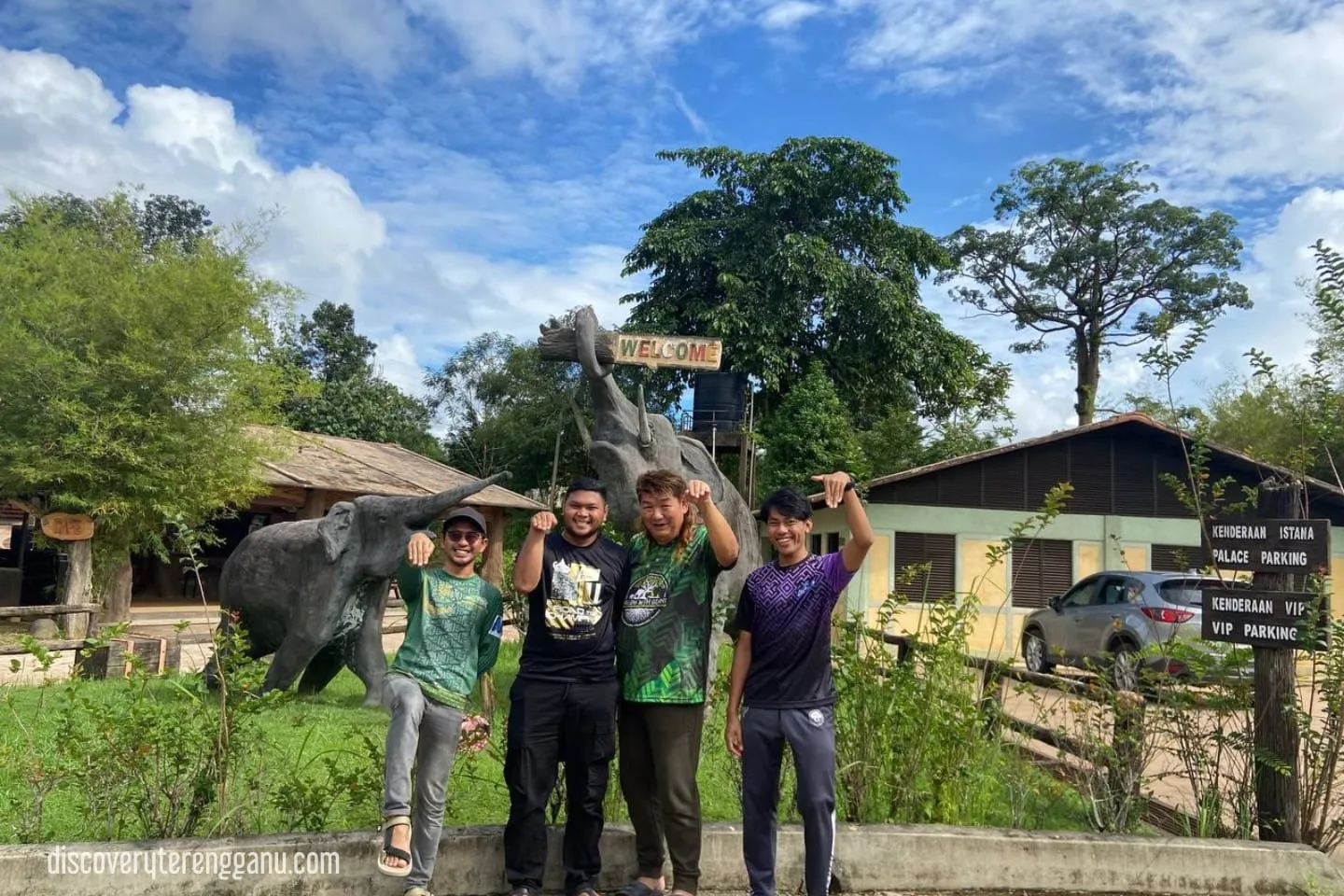
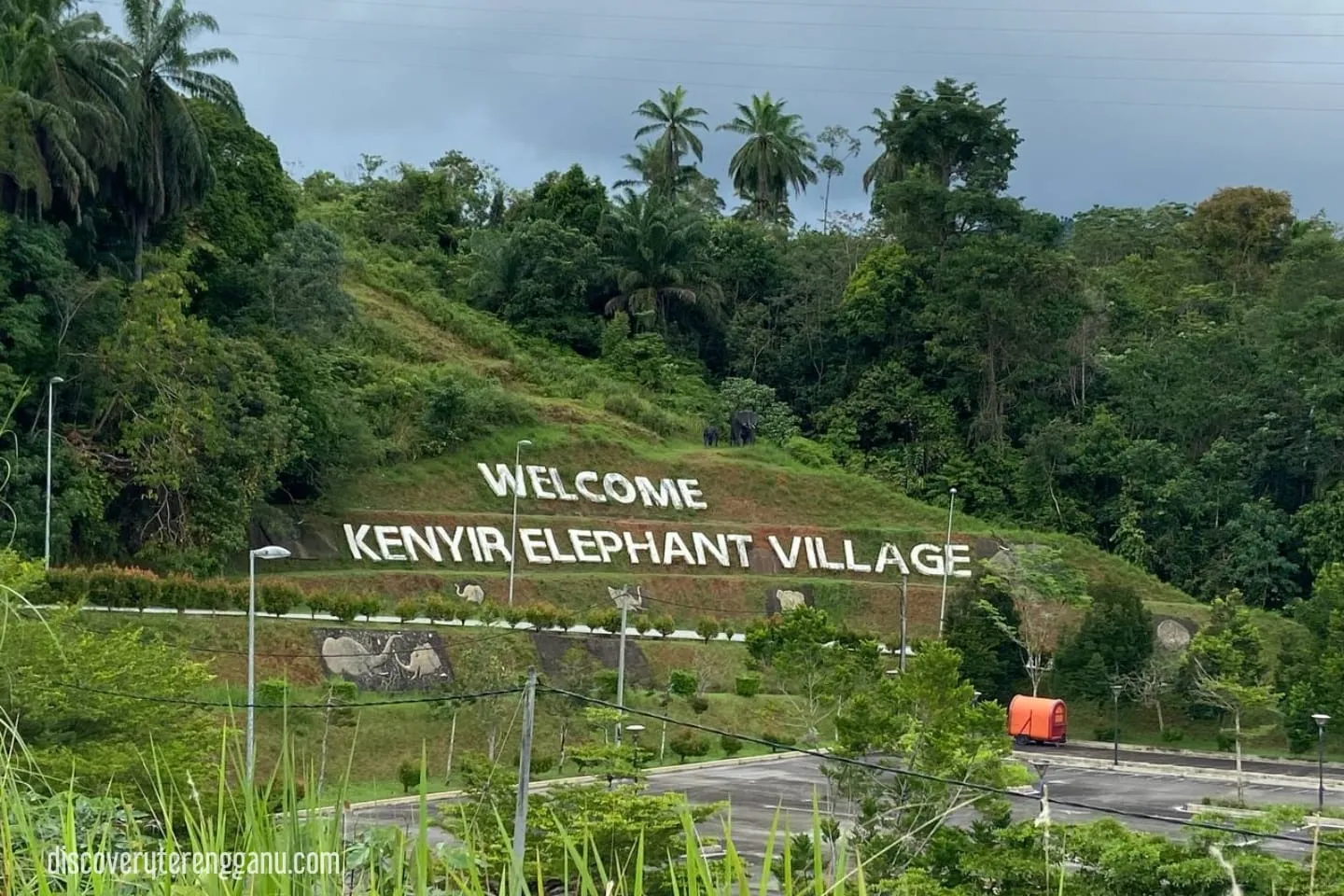
Selamat Datang ke Kenyir Elephant Village 03121118
Welcome to Kenyir Elephant Village

Location

On arrival at KECV, there is a spacious car park as well as a rest area with eateries nearby. The drive to this location comes with a sense of excitement, especially when you see the signboards showing you are getting closer to your destination. The journey not only takes you to an elephant conservation site, but also gives you the chance to enjoy the beauty of nature and get closer to the fascinating flora and fauna.

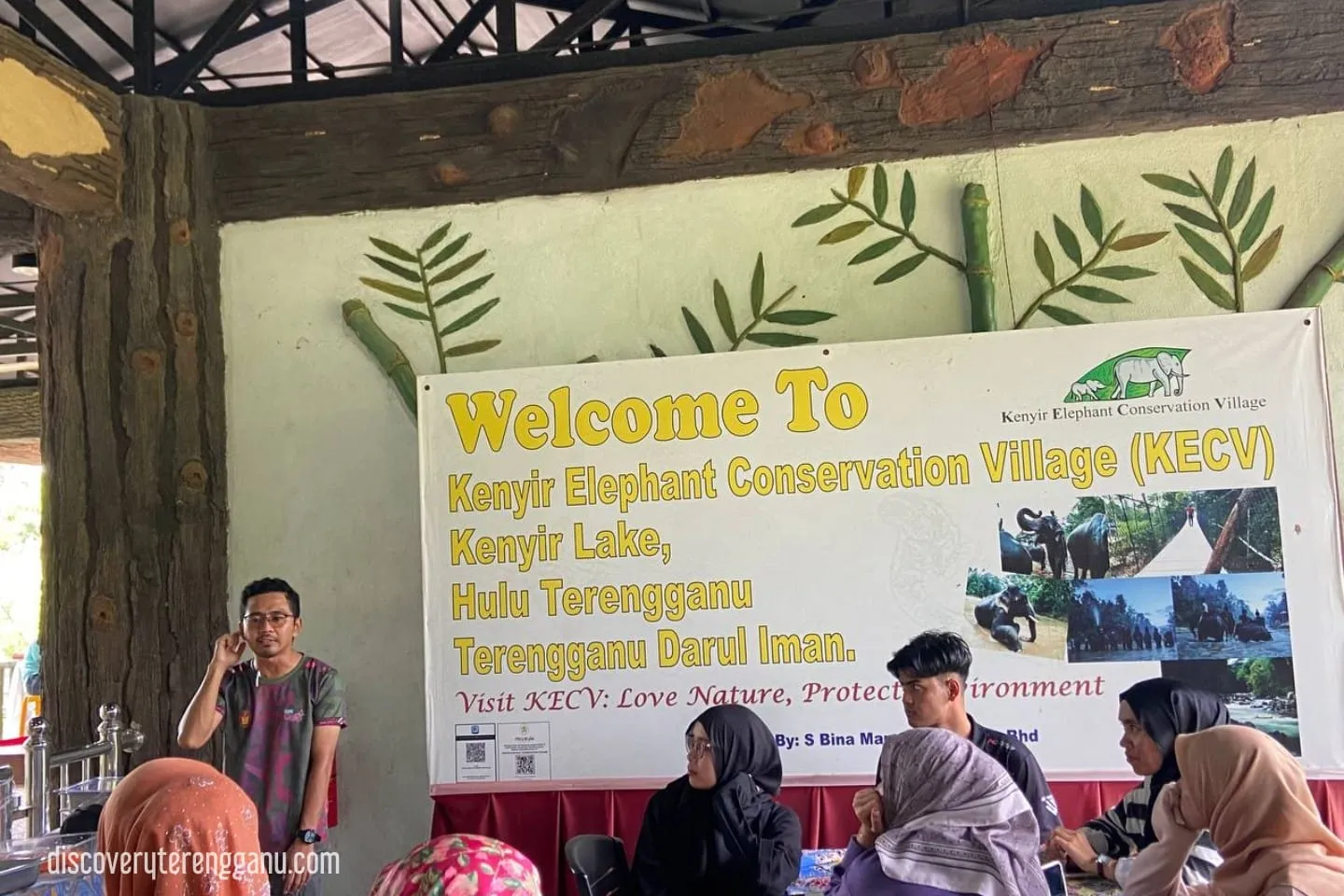
Pemandu pelancong memberikan info tentang gajah 03121120
A tour guide sharing information about elephants

On arrival at KECV, we were greeted by our tour guide, Ahmad Suhamdan, who shared plenty of interesting information about the area and about the elephants found around KECV.

Guidance and Tips

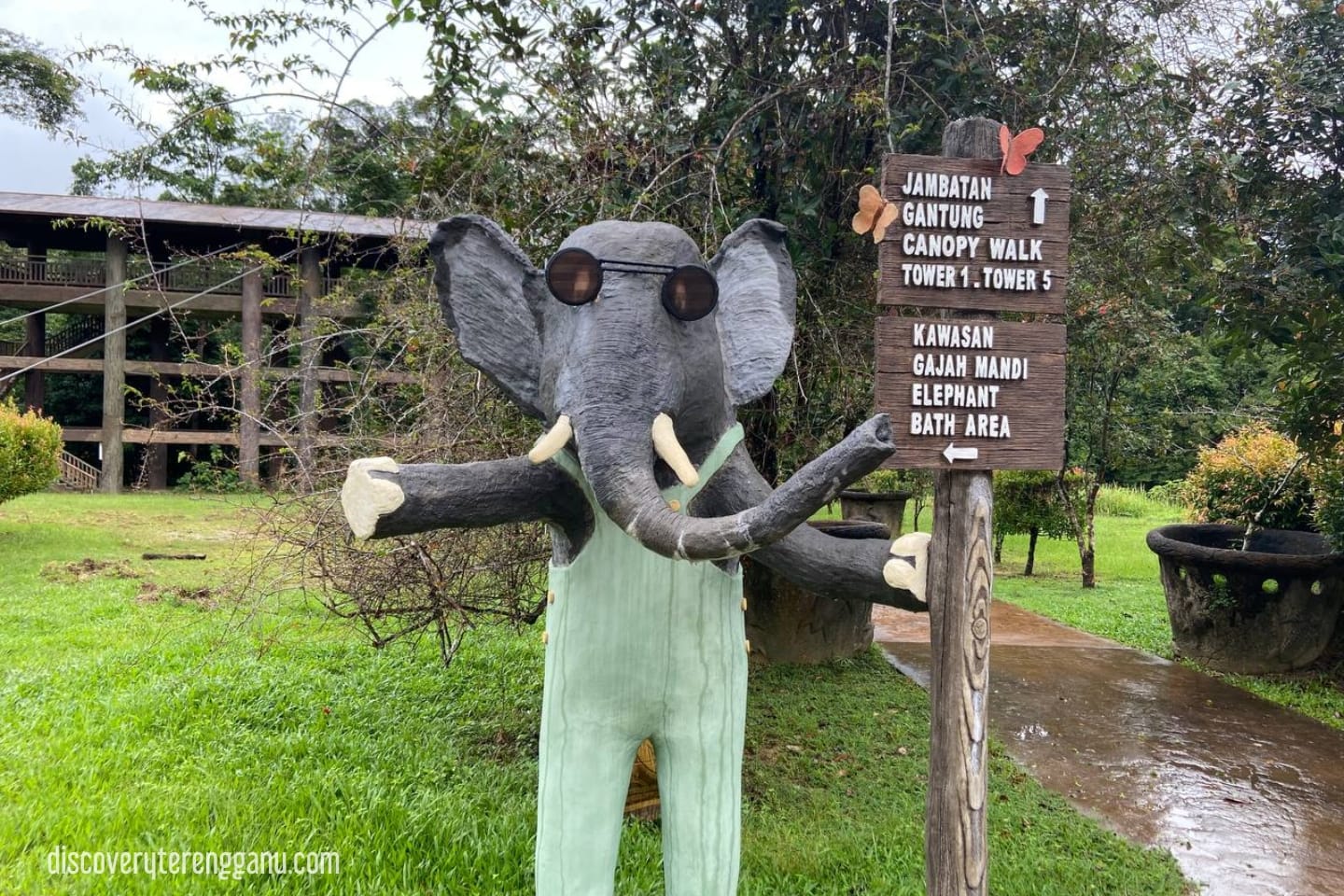
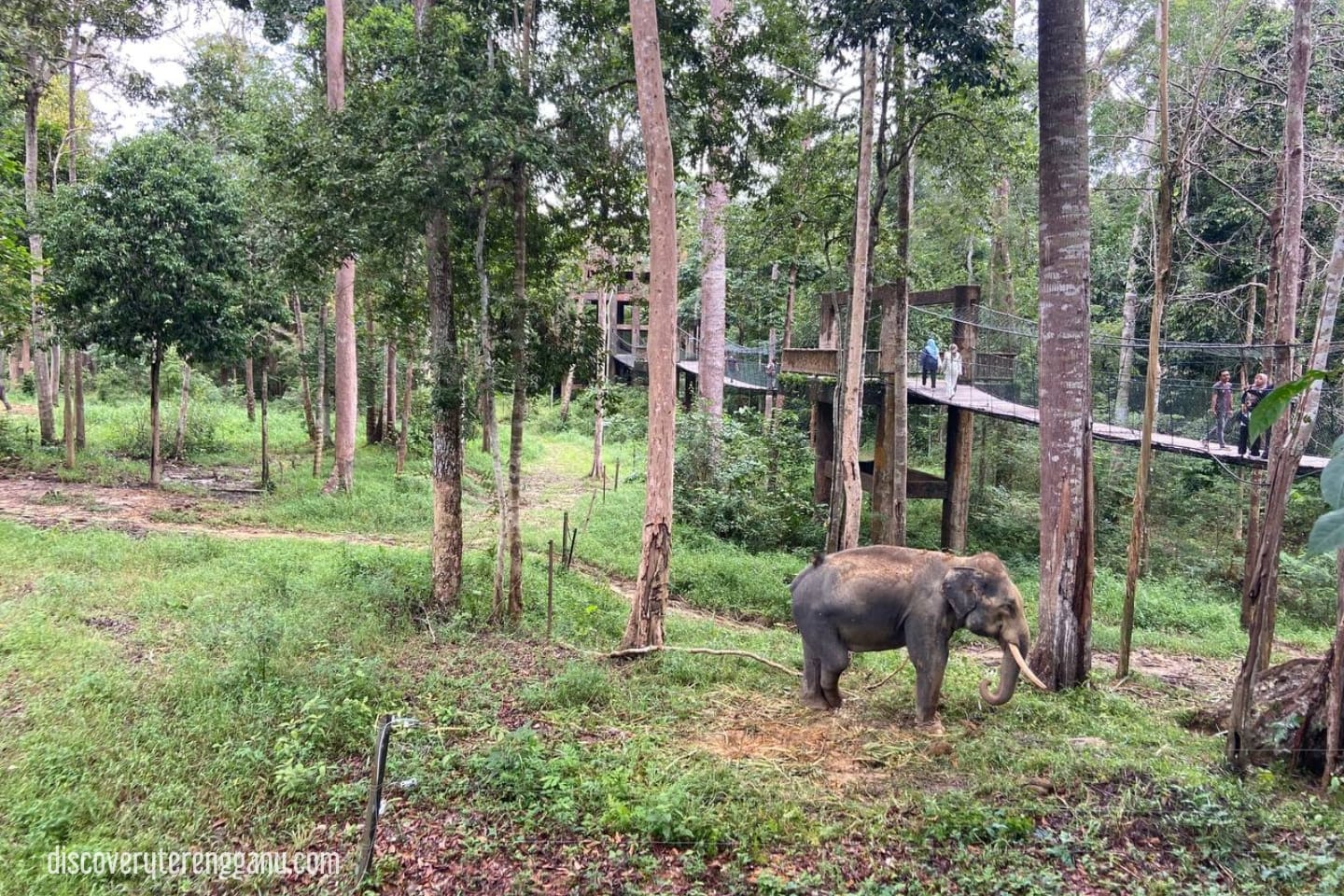
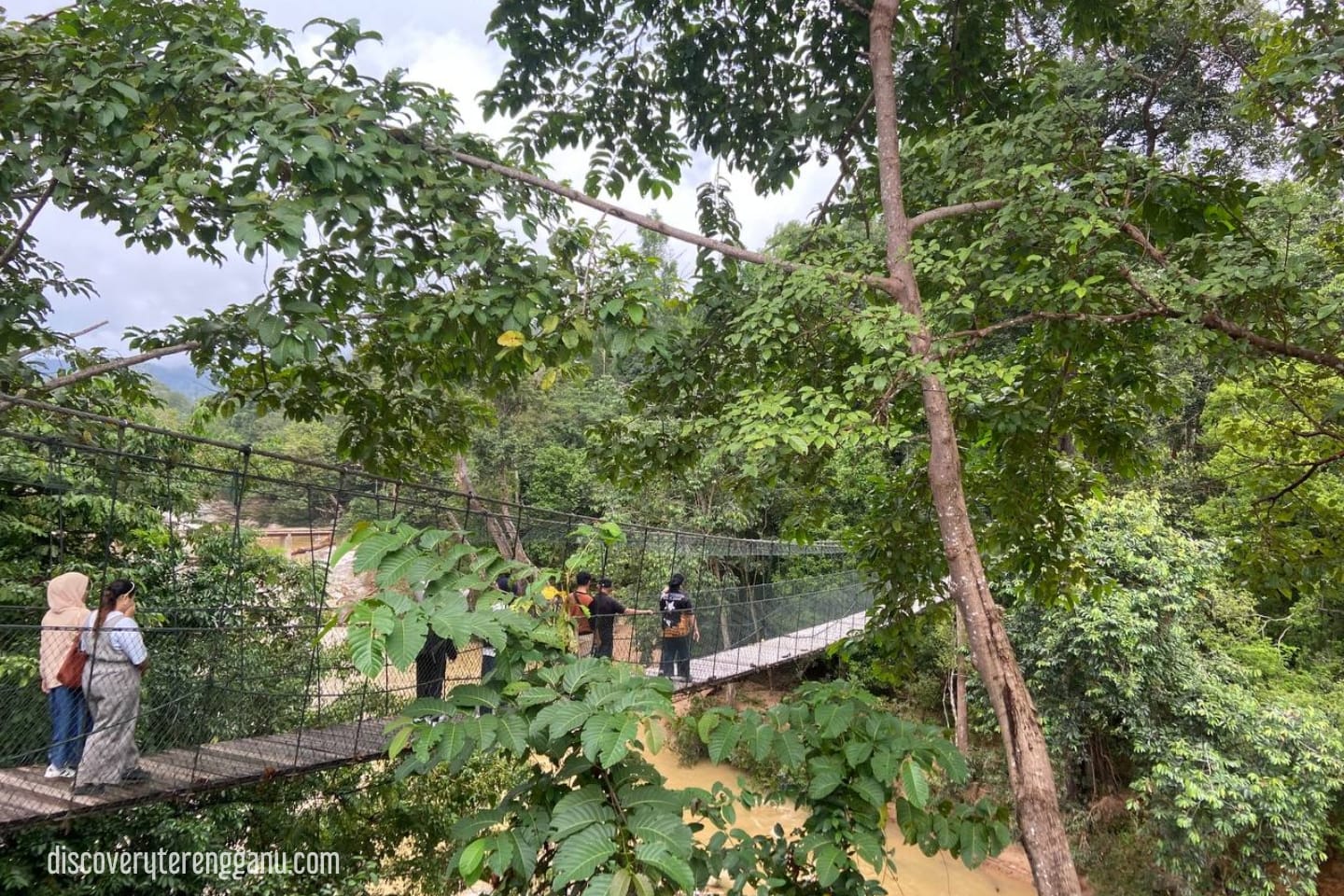
He also gave us guidance and tips before we continued on to the 600-metre suspension bridge, where we could see the elephants' habitat up close while taking in the unique natural beauty of the area. Ahmad Suhamdan also shared additional information about elephants, which I found very useful and which enriched my experience at KECV.

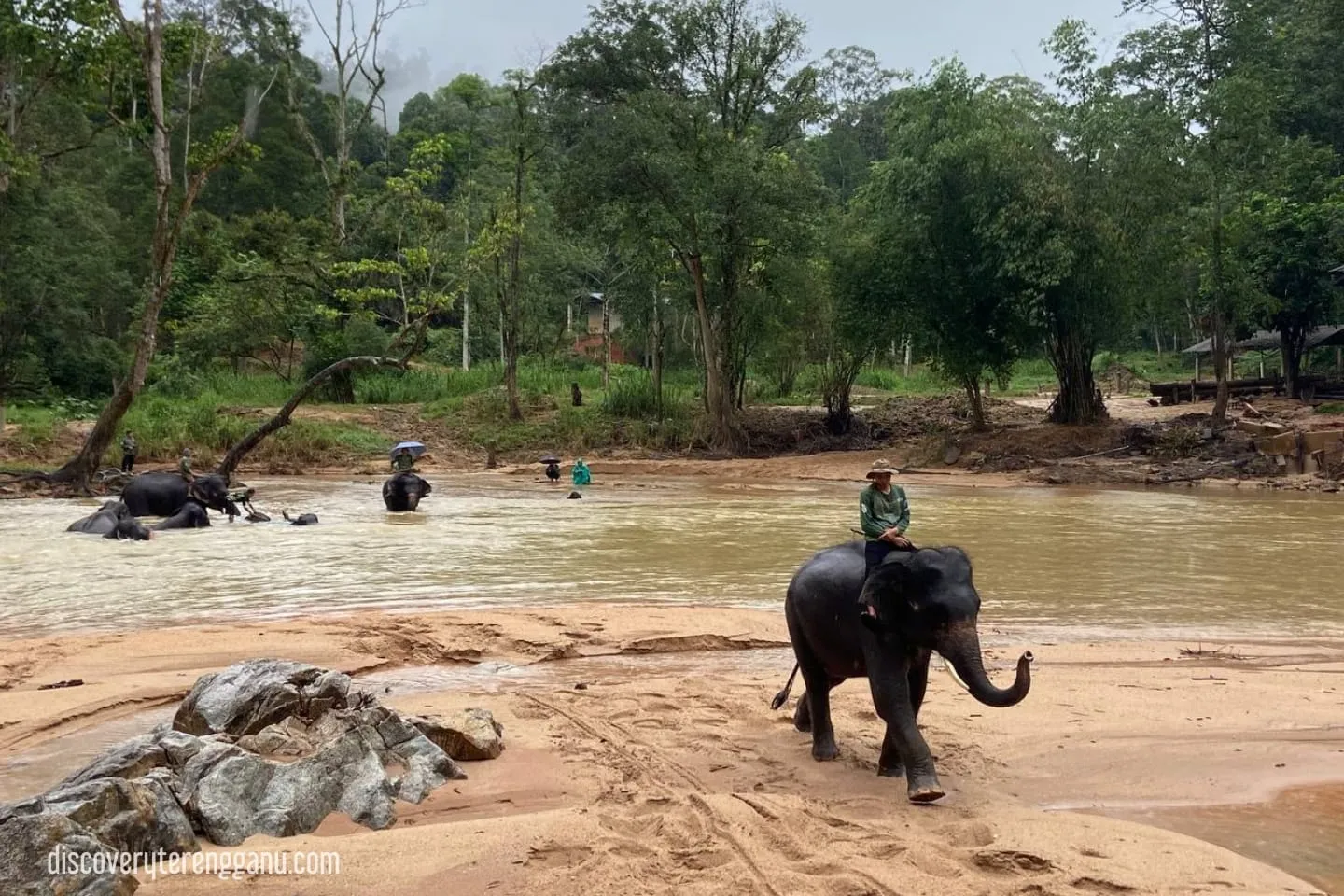
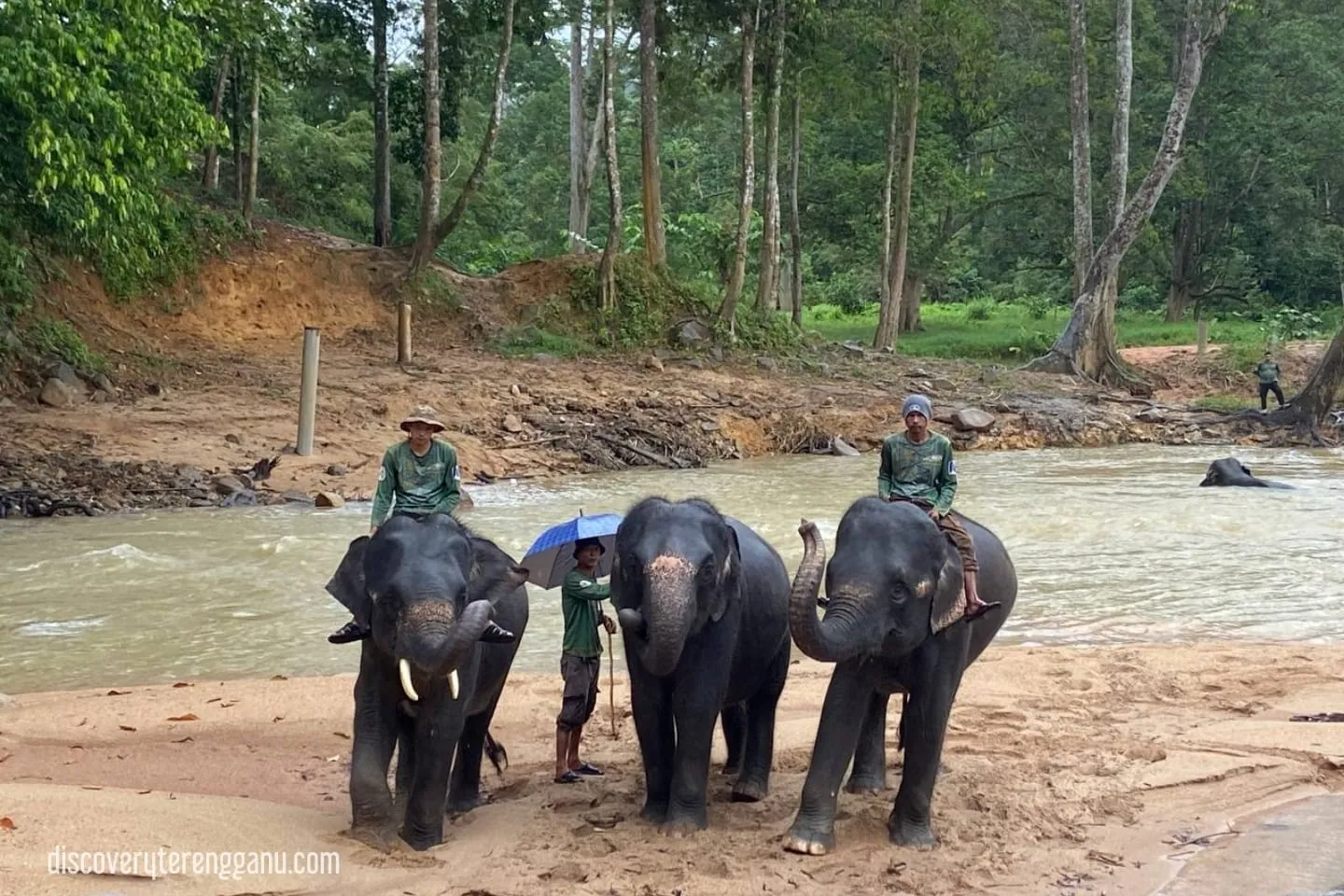
Elephant Bathing at KECV

Exciting Experiences at KECV

The visit to Kenyir Elephant Conservation Village (KECV), as part of an ecotourism product familiarisation programme organised by the Tourism Department of the Eastern Region, was an experience that was not only fun but also educational.

The Importance of Elephant Conservation

The main message conveyed was the importance of elephant conservation, which needs the support of everyone. Elephants play an important role in the ecosystem, such as spreading seeds and creating forest trails. Their extinction could disrupt the balance of nature and directly affect humans. The visit to KECV made us aware of how important it is to support conservation programmes to protect elephants and their habitats. These efforts ensure our natural heritage is preserved for future generations.

@discoveryterengganu There's an elephant behind the rock, the rock disappears and the elephant appears.. I know what you mean.. You secretly have a crush on me. This week our team went to KECV to see the elephants, so play this video to watch the admin playing with the elephants. For full information visit : https://www.discoveryterengganu.com/ #beautifulterengganumalaysia #beautifulterengganu #tourismterengganu #amazingterengganu #discoveryterengganu #discovermalaysian #amazingmalaysia #malaysiatrulyasia #tourismmalaysia #TourismMalaysiaWilayahTimur #tmwt #cuticutimalaysia #GayaTravel #SayangiMalaysiaKu #kecv #fyp #kenyirelephantvillage #gajah #elephant ♬ original sound - discoveryterengganu
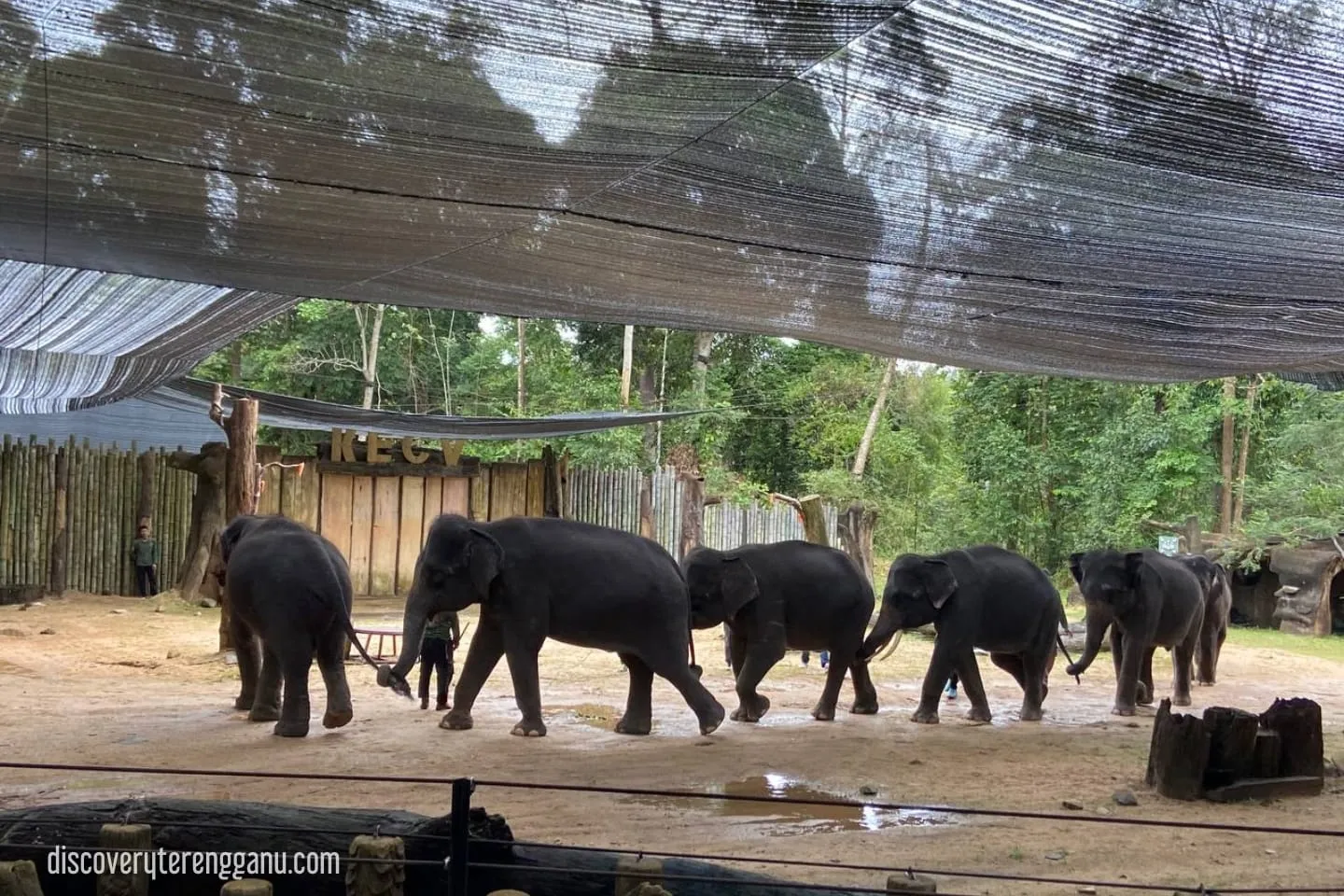
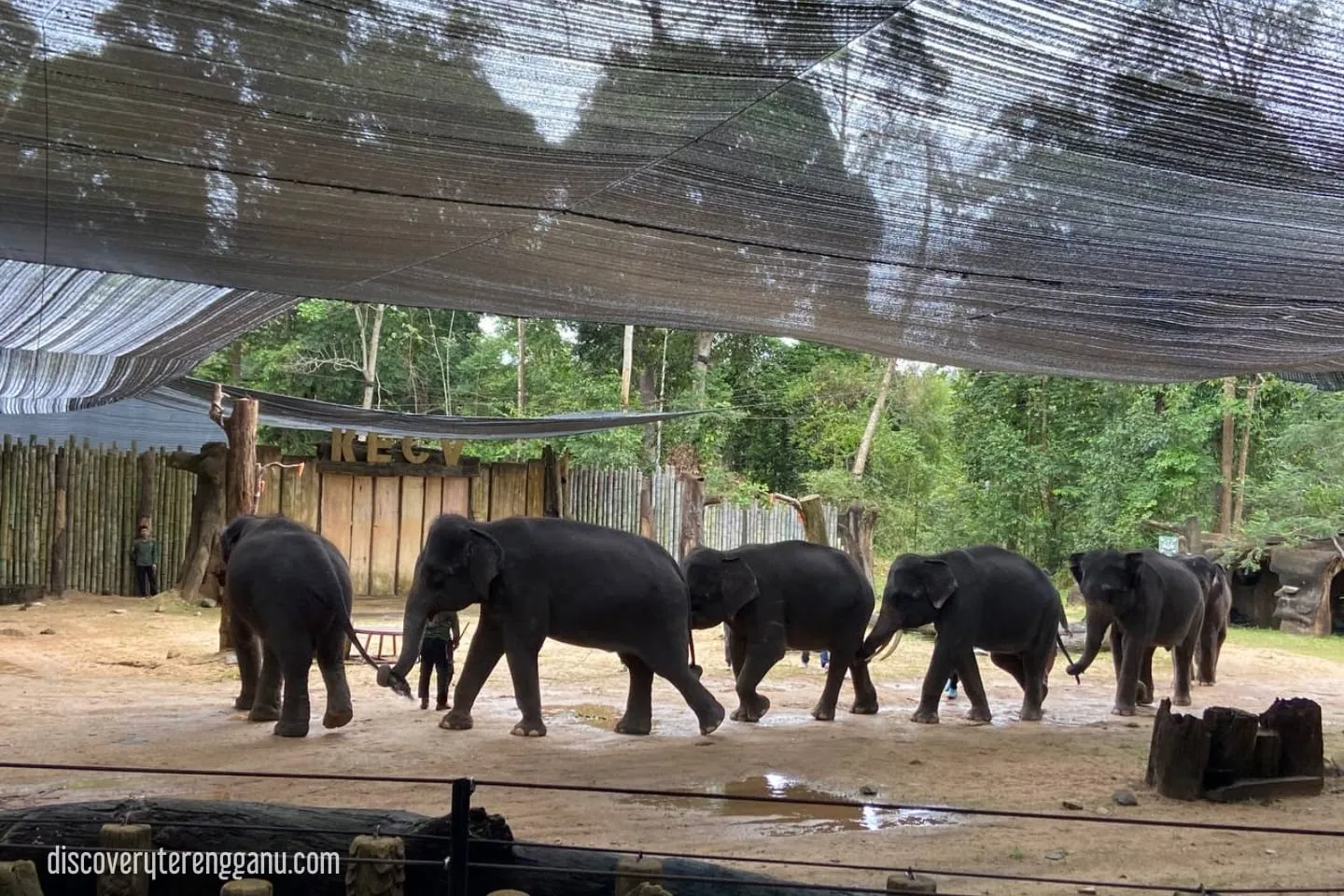
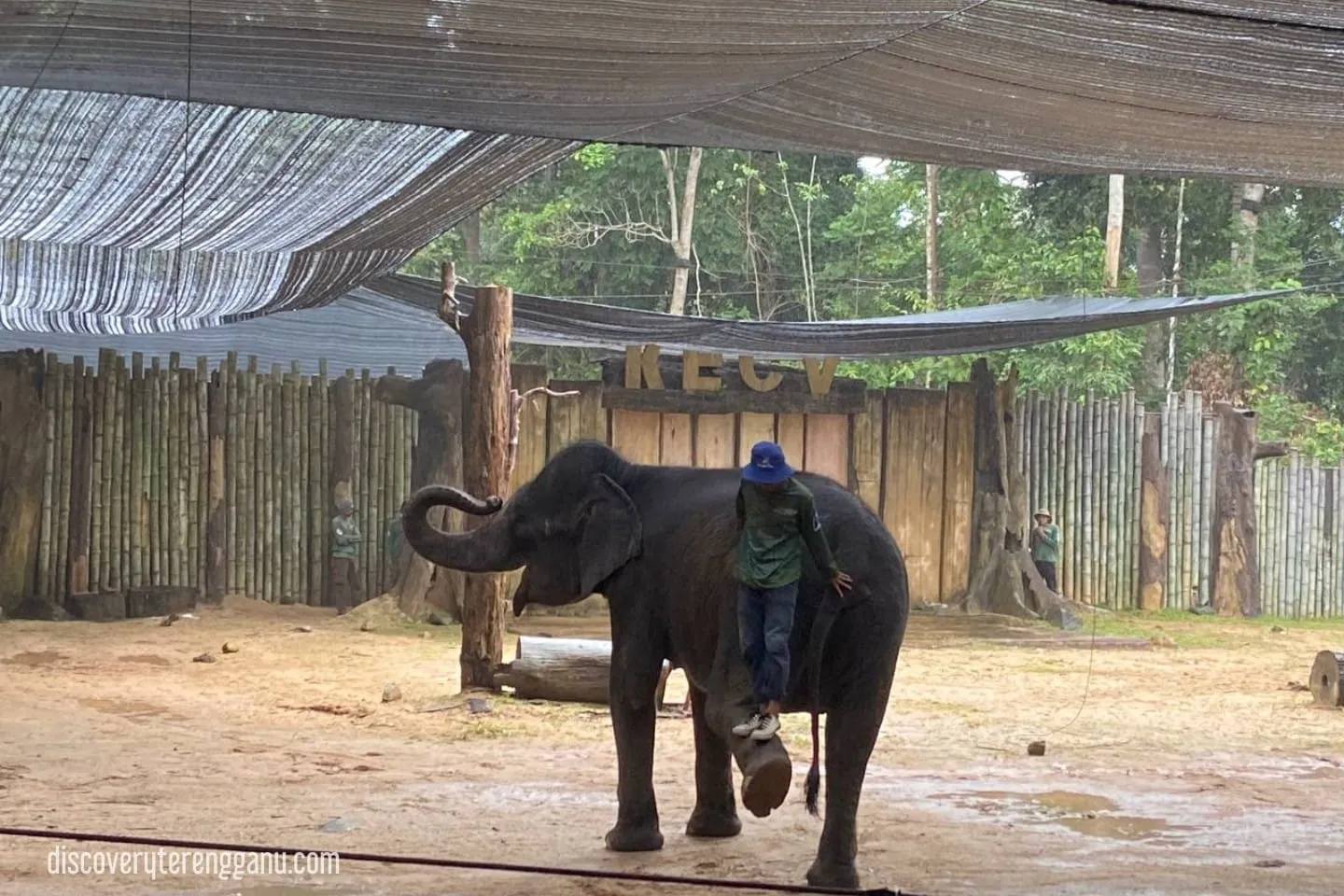
Pertunjukkan Pendidikan Gajah di KECV 03121123
Elephant Educational Show at KECV
Jambatan Gantung sepanjang 600m di KECV 03121123
The 600m Suspension Bridge at KECV

About the Elephants at KECV

Gajah (Che Long) yang berjaya diselamatkan di KECV 03121125
An elephant (Che Long) successfully rescued at KECV
Elephants and Elephant Keepers (Mahouts)

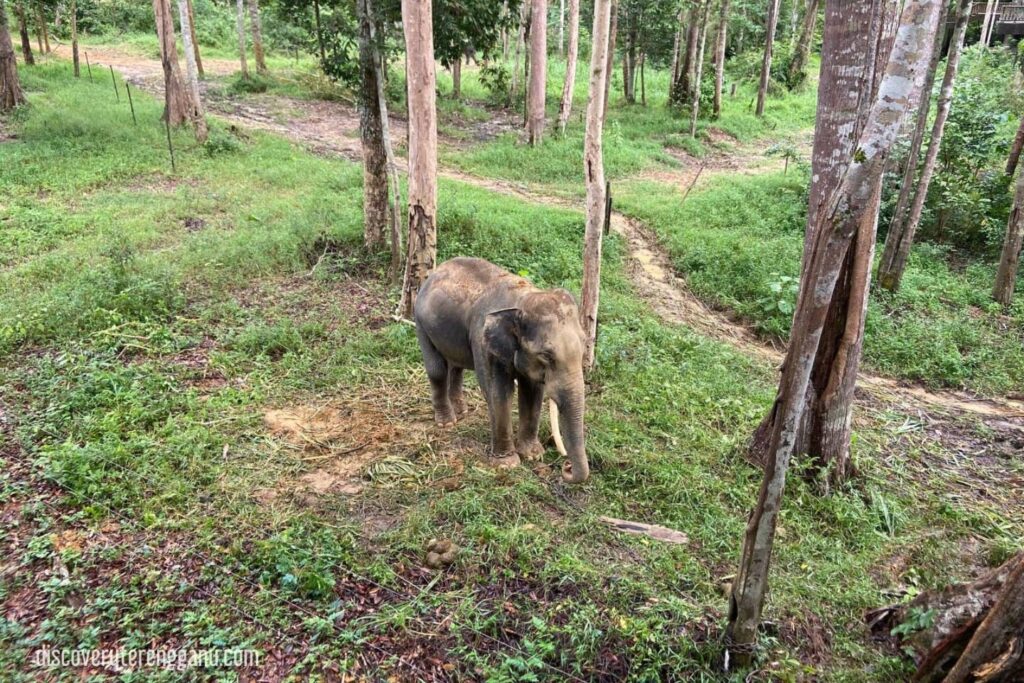
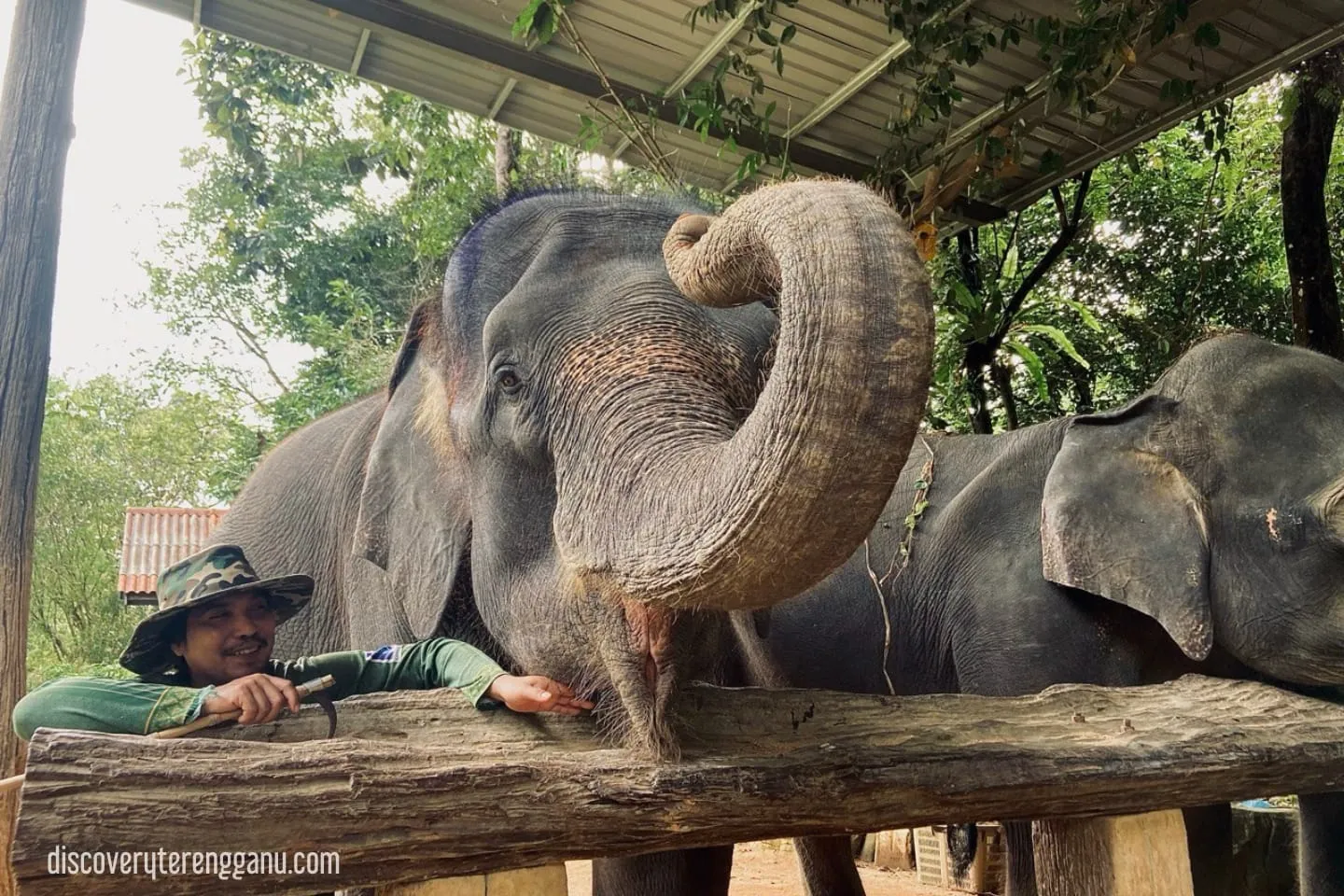
The elephants at KECV are local elephants, most of them orphans. Some lost their families to the ivory trade, got lost in the forest, or were driven away for raiding crops and villages. KECV now cares for 18 elephants in harmony with nature and the surrounding community.

Care and Life Support

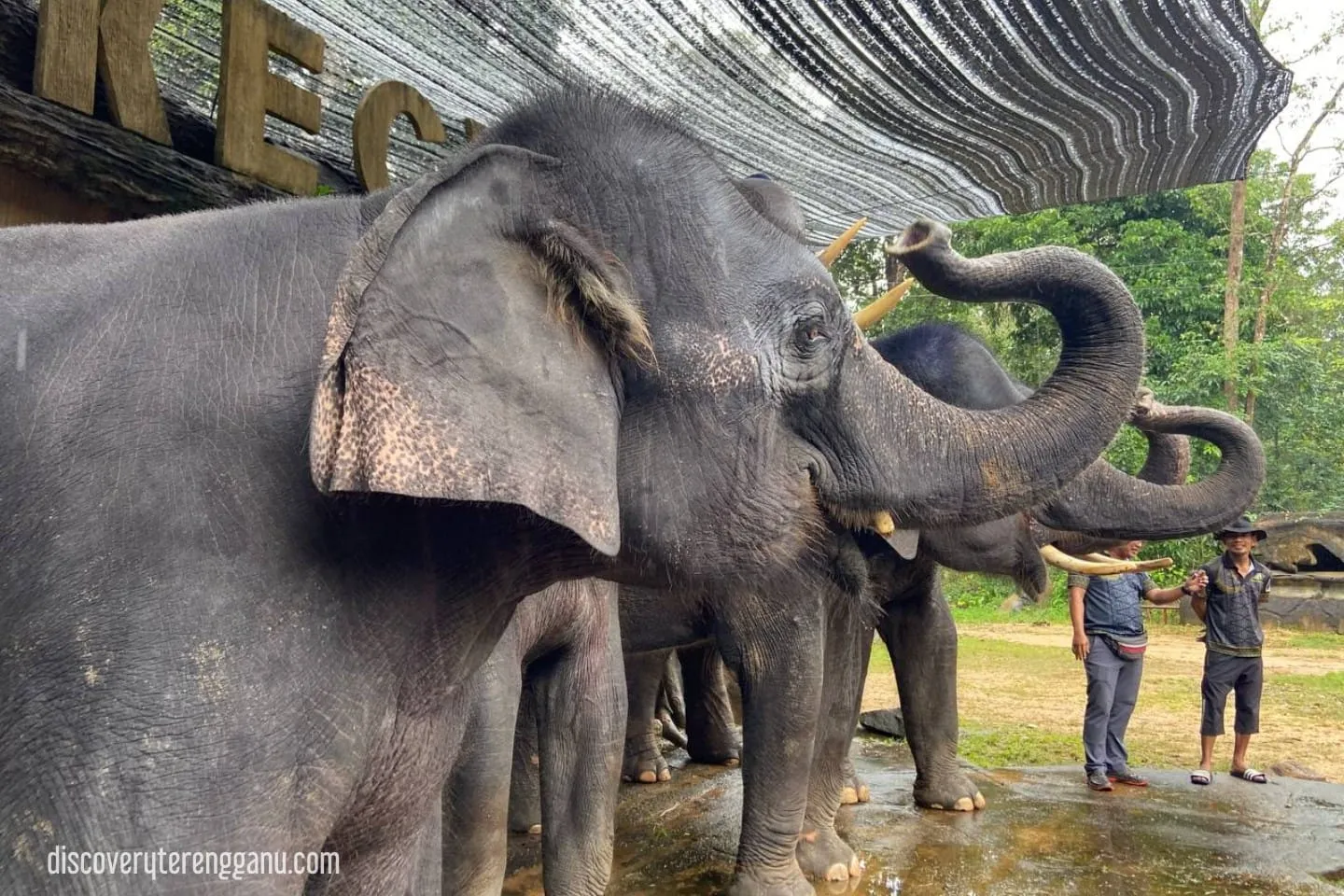
Every elephant at KECV receives attention from professional vets and elephant keepers known as “mahouts”. These elephants have different daily schedules, including bathing sessions 6 to 7 times a day, depending on the weather. Besides using their ears to regulate their body temperature, elephants need water to cool down, especially in hot weather.

Daily Schedule of the Elephants at KECV

Each elephant has its own unique daily schedule. The elephants are bathed 6 to 7 times a day, depending on the weather. Besides using their ears to regulate their body temperature, elephants need water to help cool their bodies, especially in hot weather.

Kenyir Elephant Conservation Village (KECV) 03121111
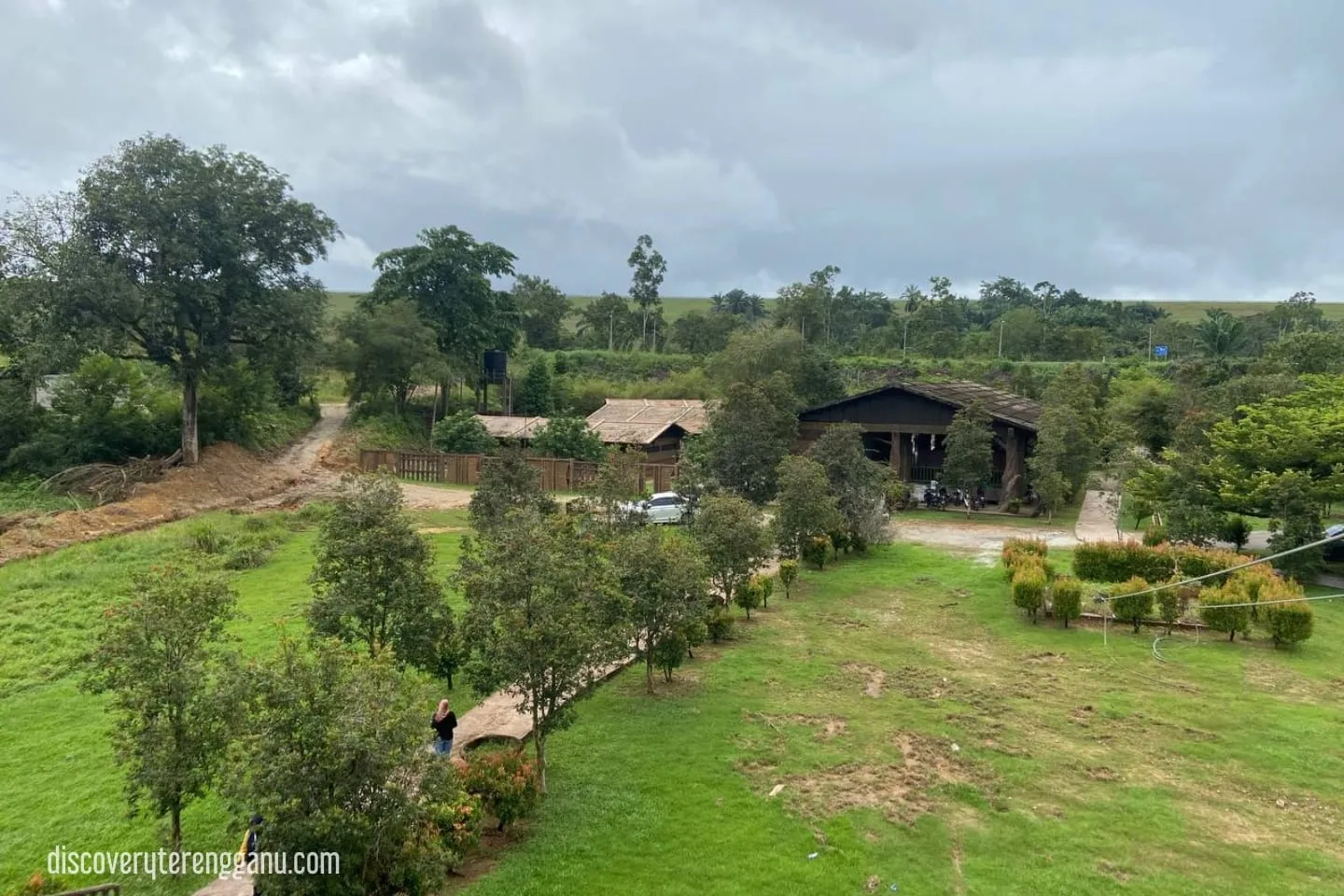
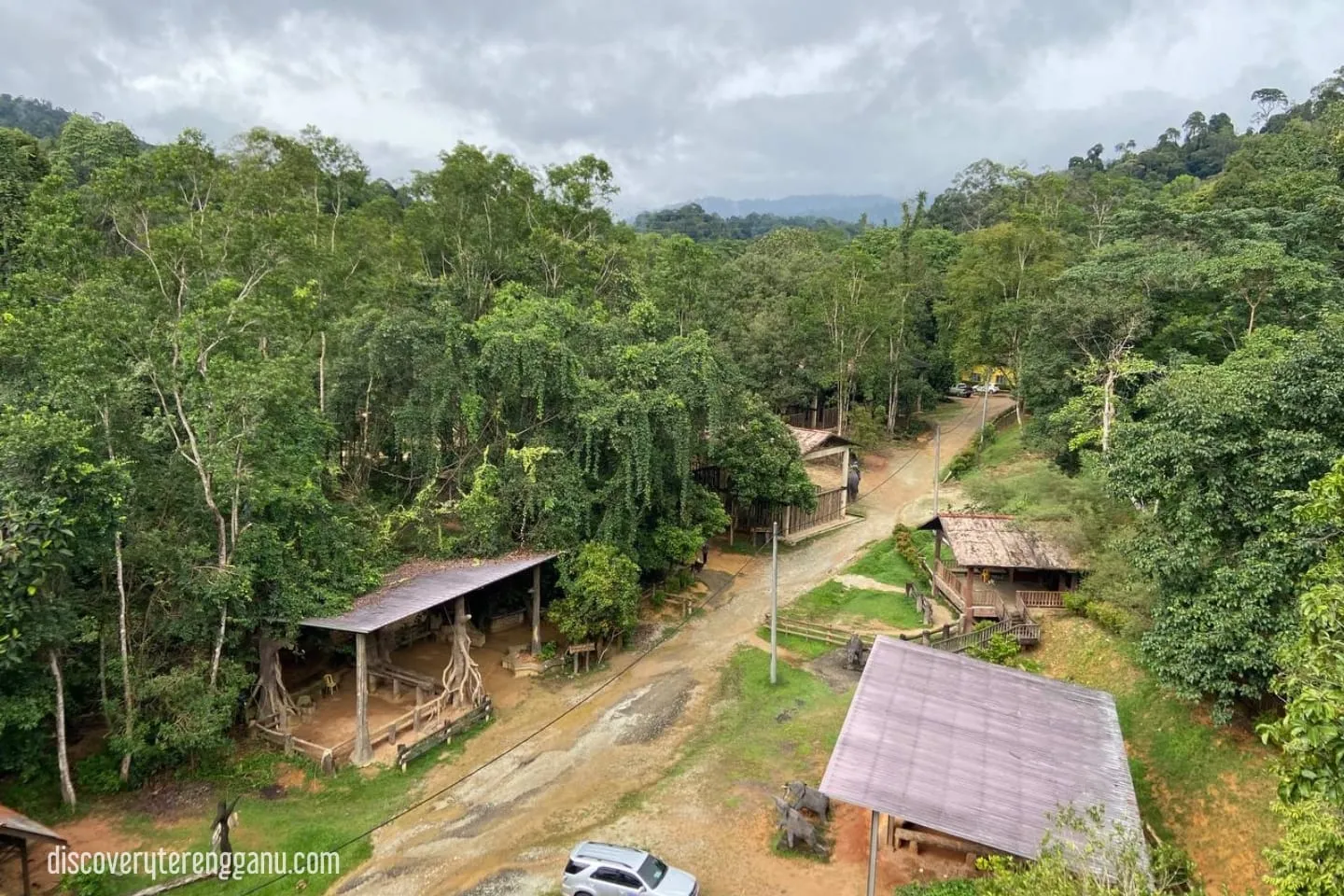
Kenyir Elephant Conservation Village (KECV)

Food Sources

Elephants are herbivores, eating only plants such as grass, leaves, twigs, fruit, tree bark and roots. The main food of the elephants at KECV is Napier grass and the leaves of pineapple plants that have not yet fruited. These plants are rich in the nutrients elephants need to stay healthy and energetic. There is also a small river nearby that is used as a temporary home for elephants before they are relocated to other habitats.

Characteristics of Elephants

Elephants have a long lifespan and can live for up to 60-70 years in their natural habitat. As herbivores, elephants need up to 150 kilograms of food a day, including grass, fruit, leaves and bark, to maintain their energy. Elephants are also known for their excellent memory, which allows them to remember the location of water or food sources even after many years.

How a mahout climbs onto an elephant

Mahouts, or elephant keepers, have a unique, traditional technique for climbing onto an elephant, which reflects the close bond between humans and these animals. The process requires coordination, precise commands and trust between the mahout and the elephant.

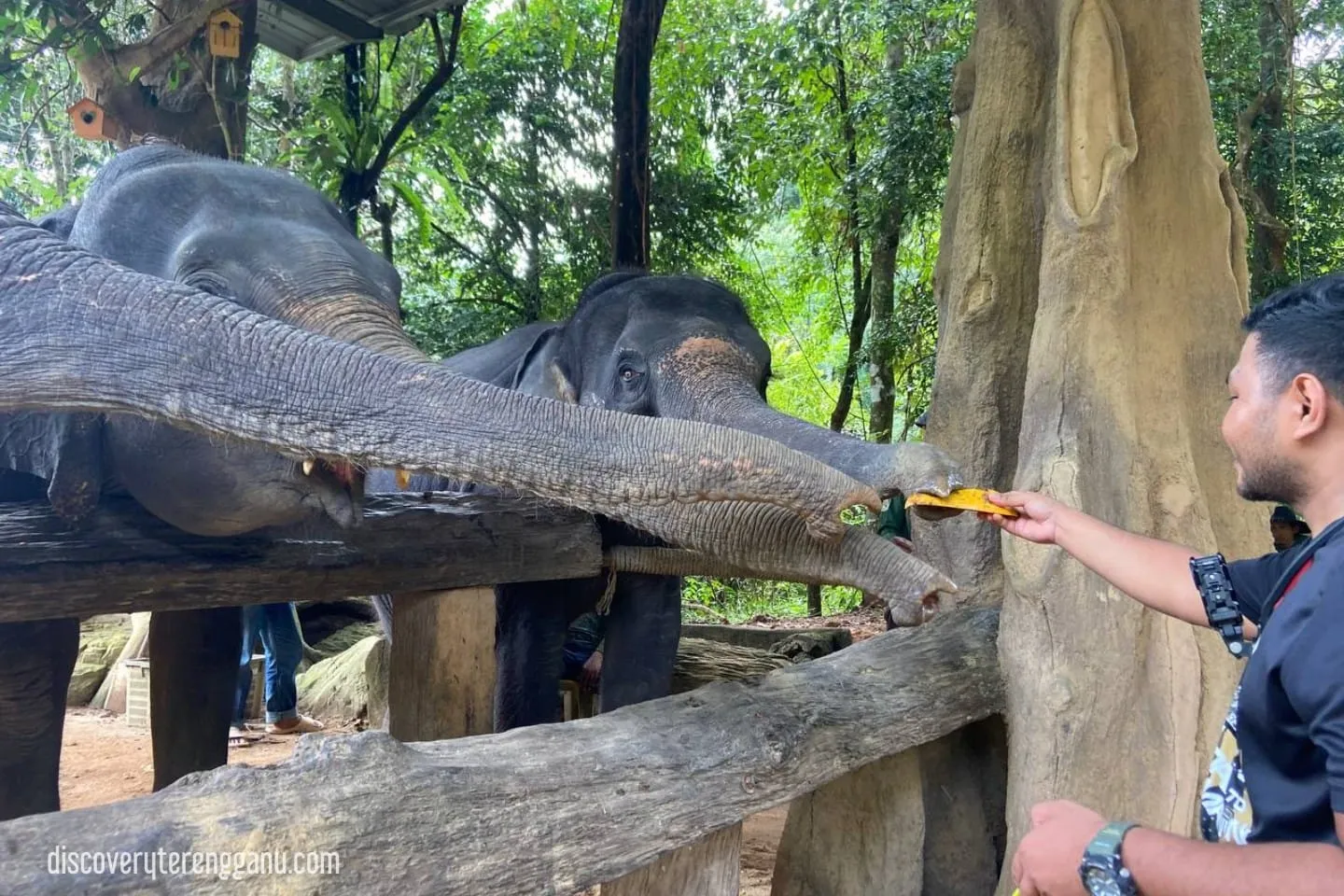
Memberi makan kepada gajah 03121130
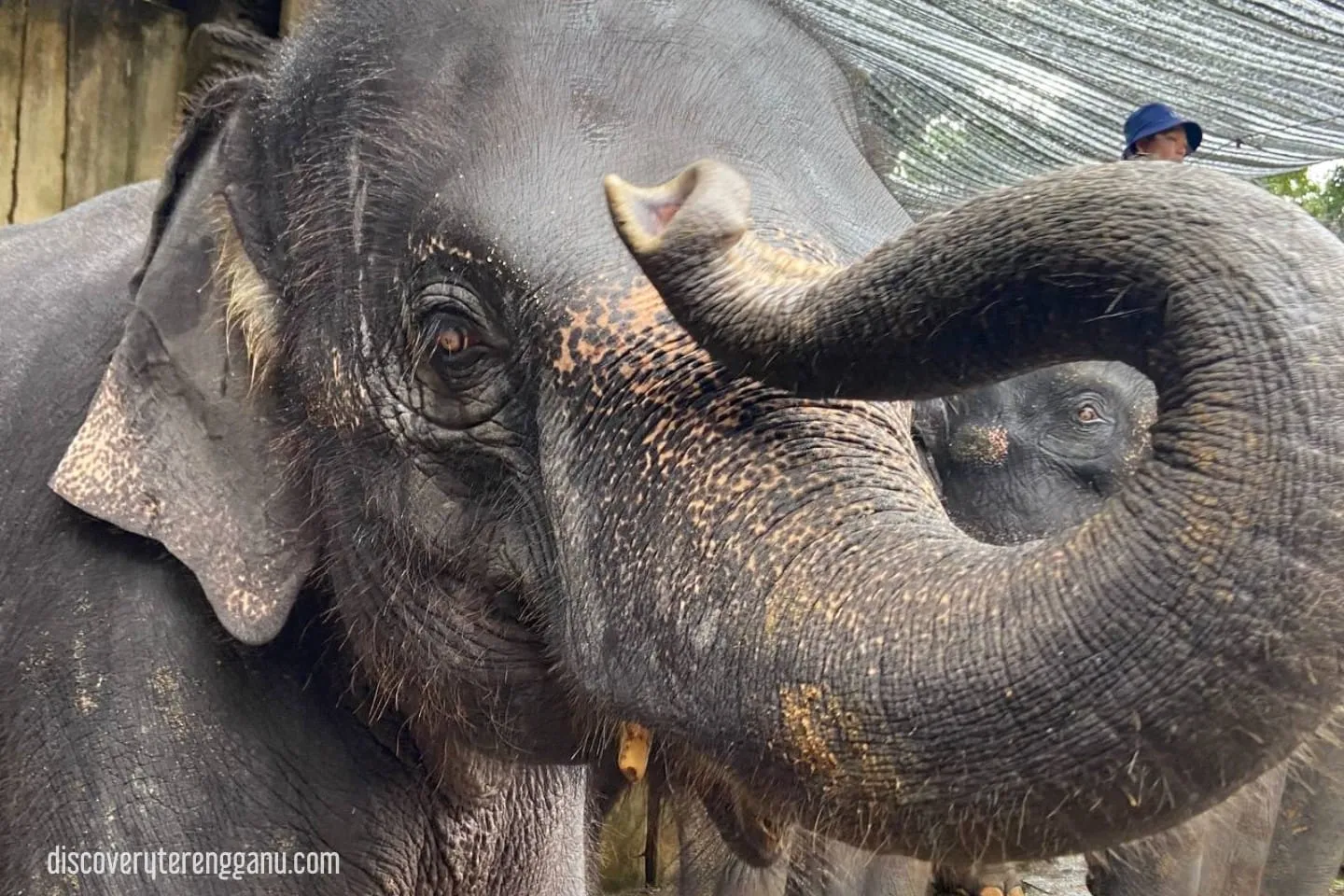
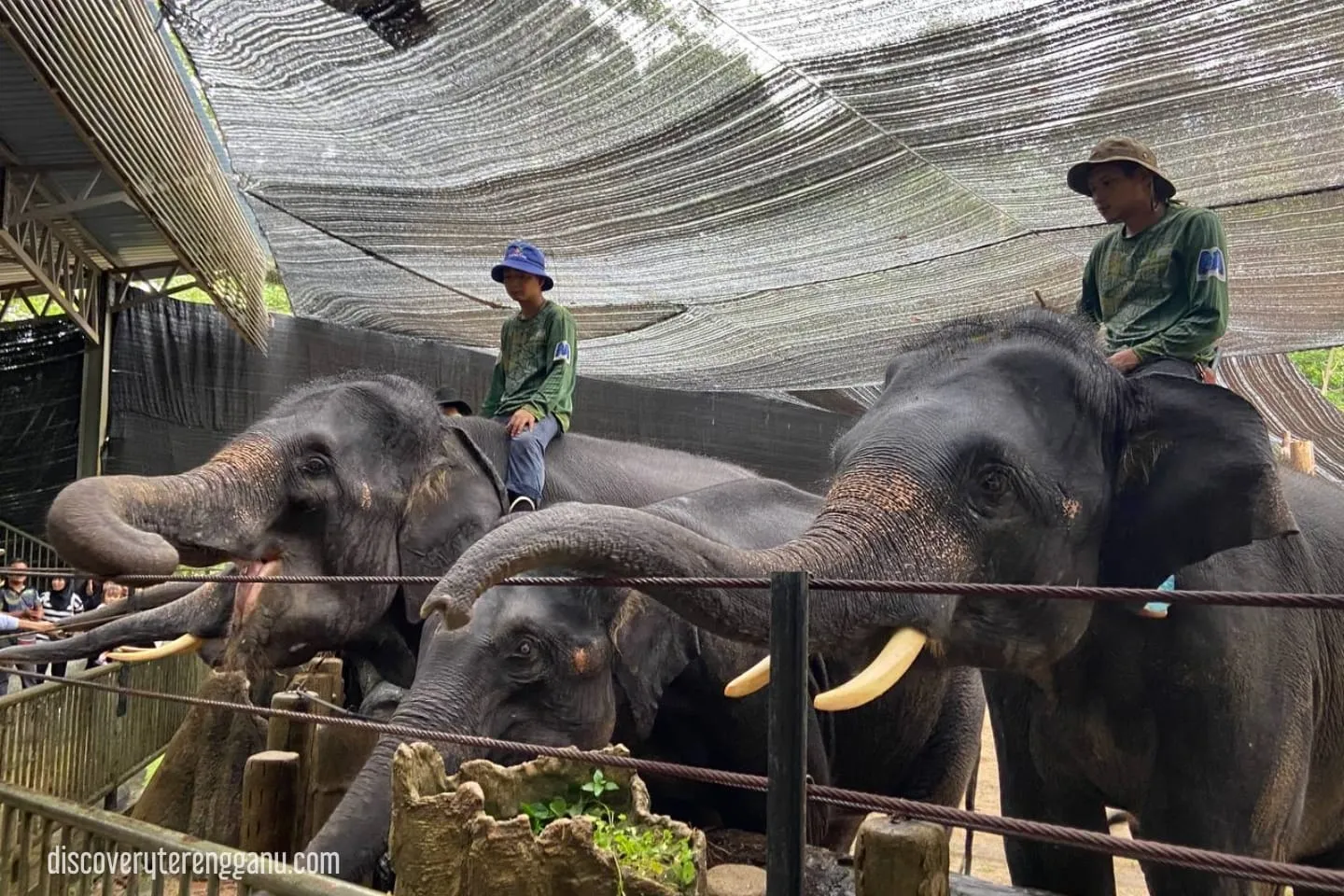
Feeding the elephants

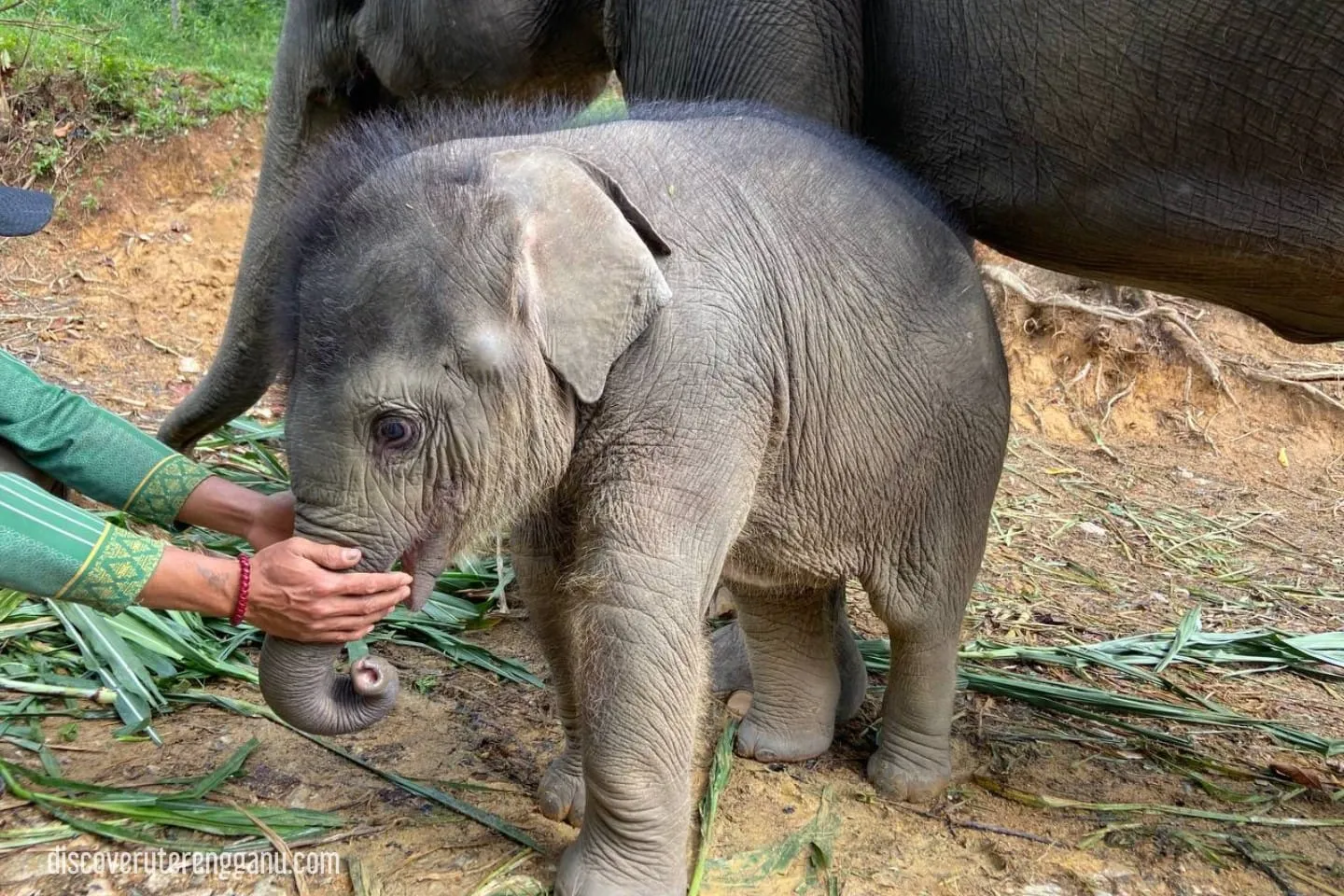
Feeding the elephants is one of the most unique and enjoyable activities. It gives you the chance to interact up close with these remarkable animals. Elephants are gentle, intelligent and full of emotion.

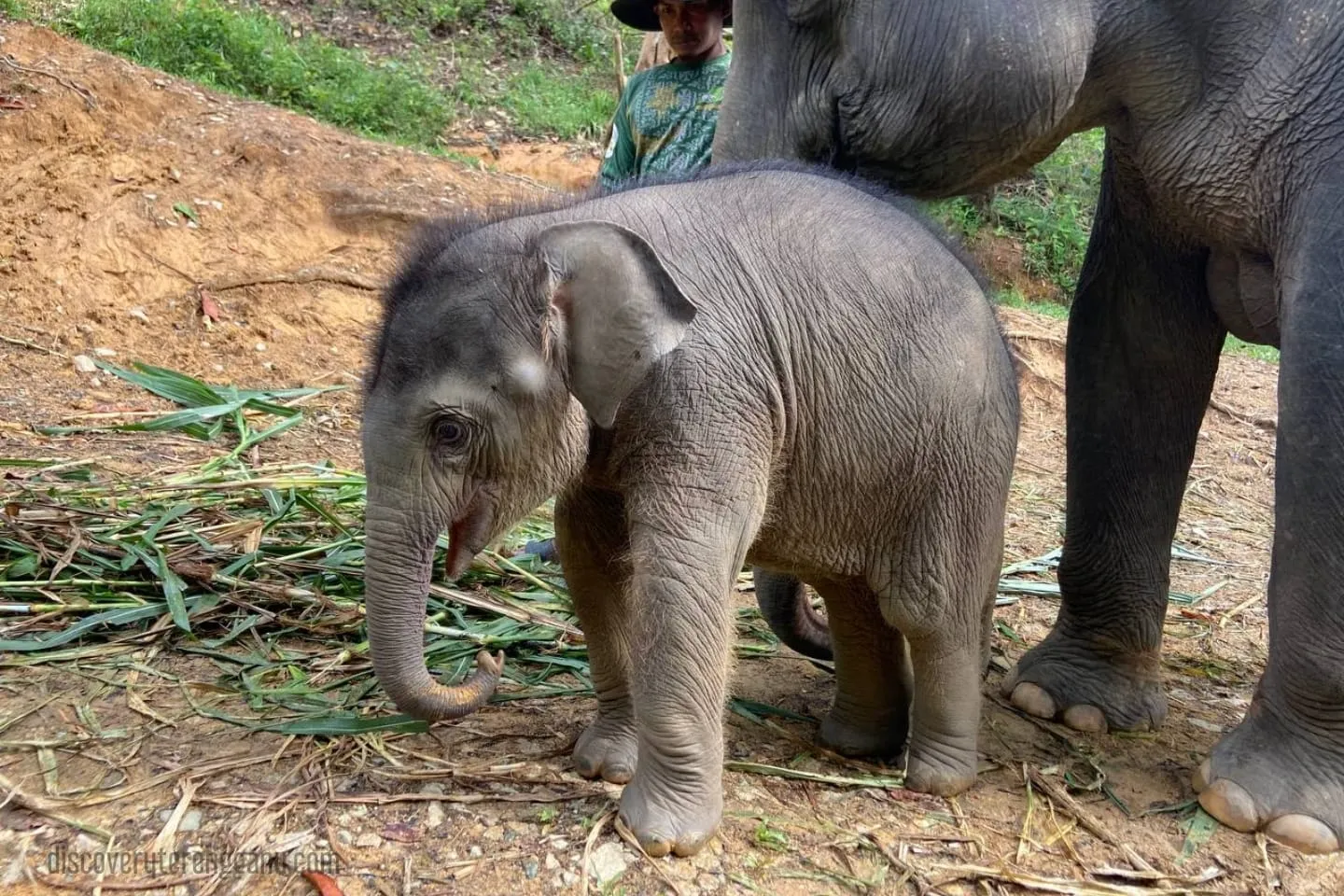
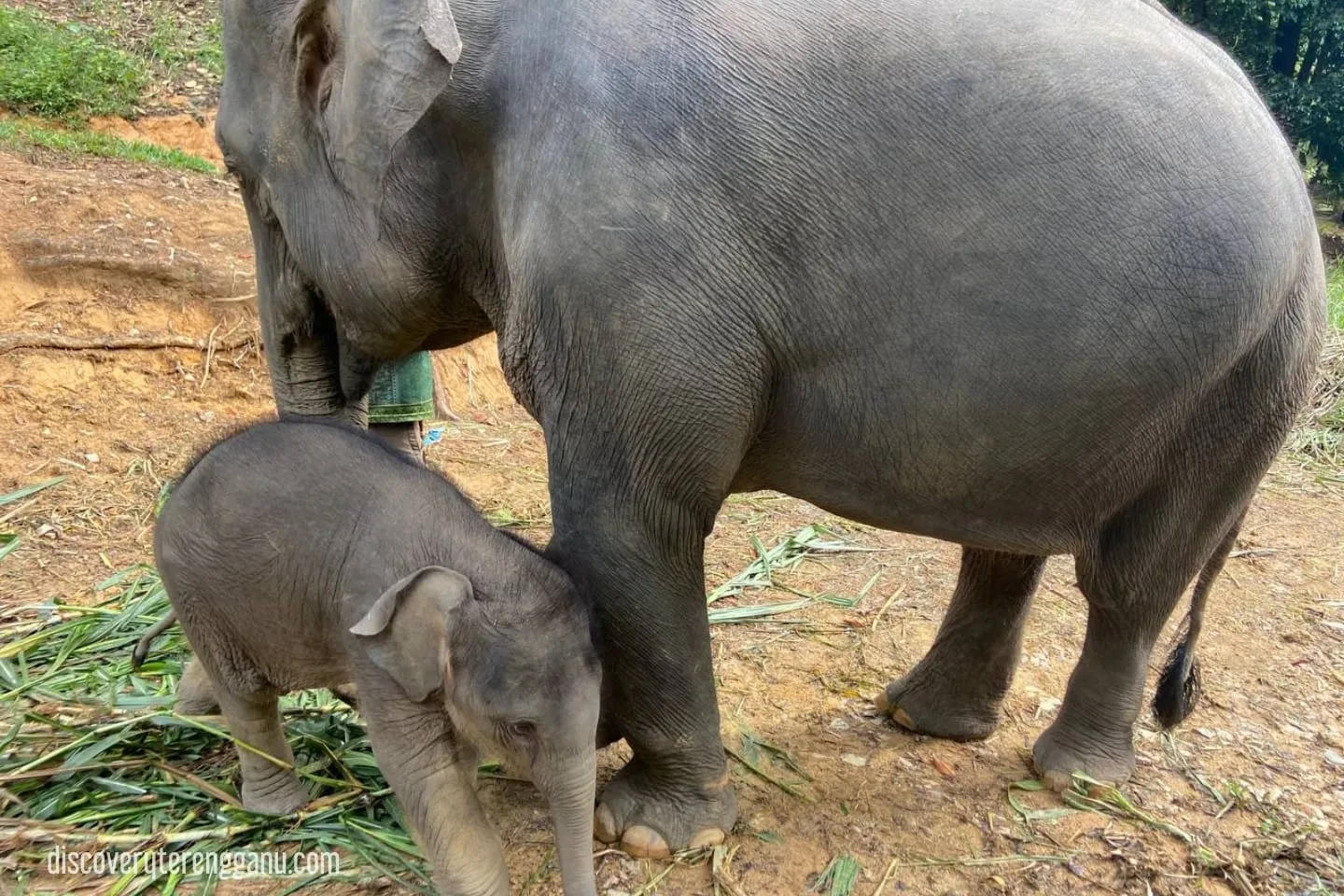
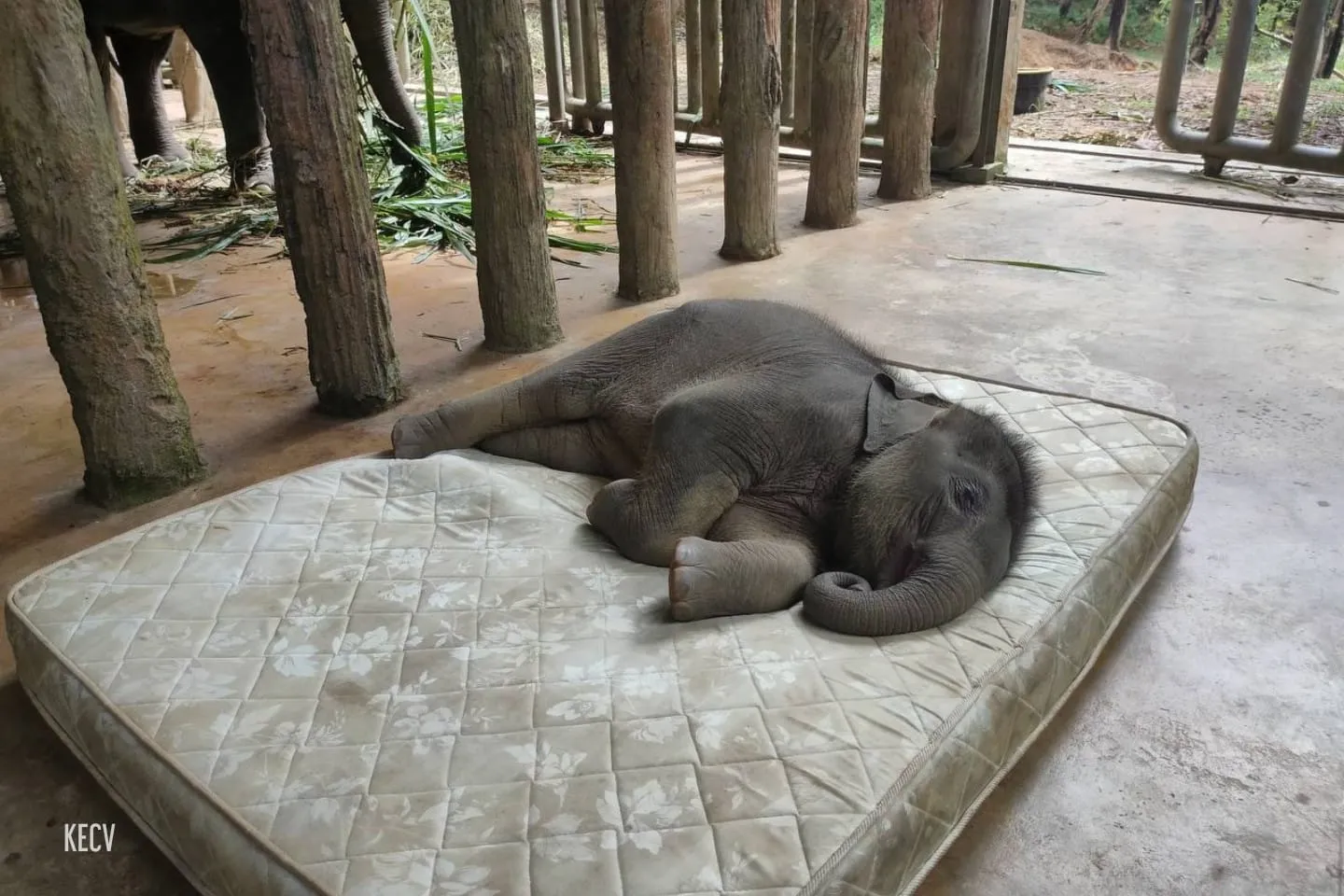
The First Elephant Calf Born at KECV Named "Hujjan"

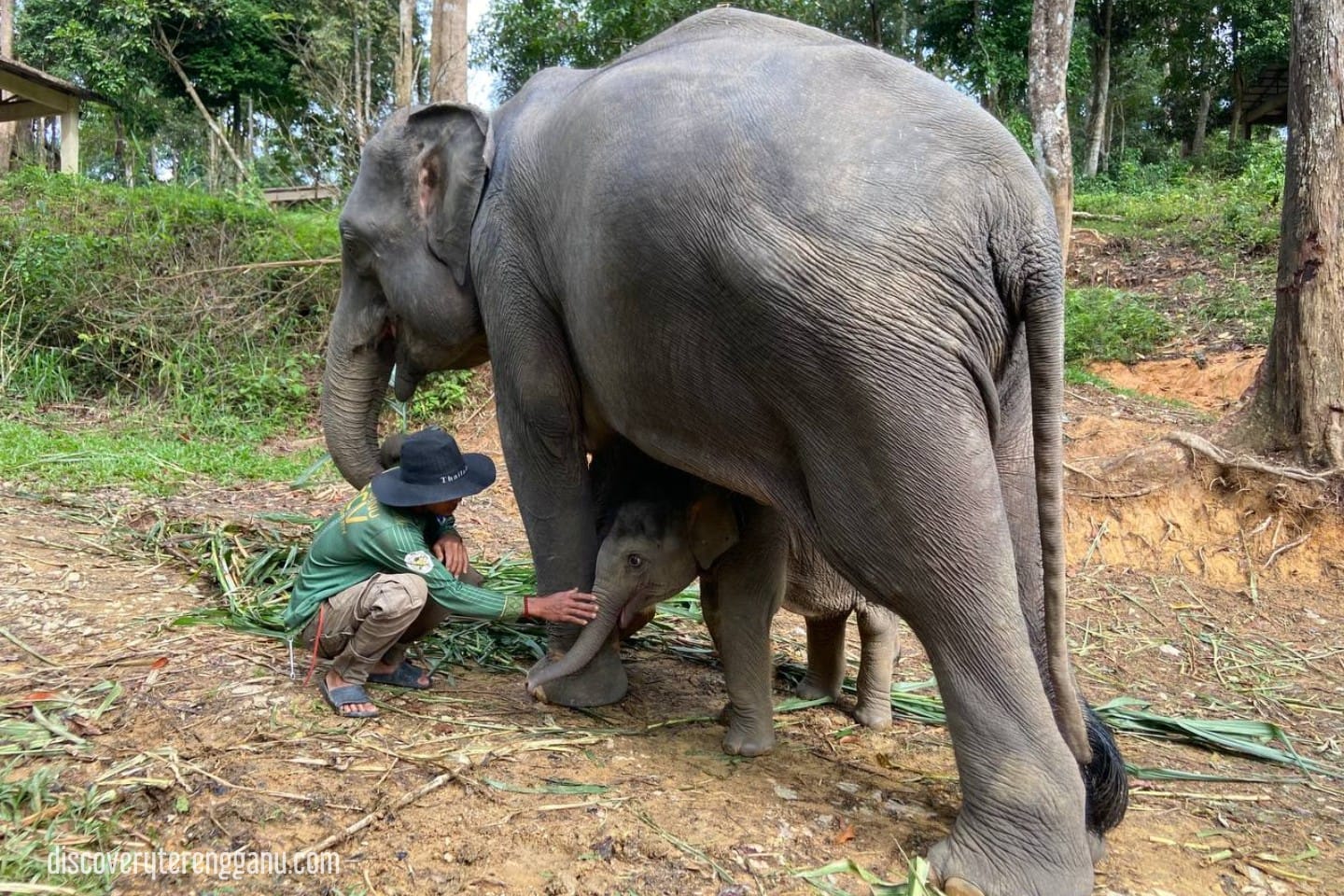
On the morning of 26 September 2024, history was made at the Kenyir Elephant Cultural Conservation Village when the first elephant calf in Malaysia was born! The calf, named Hujan, was born at around 12.15 am, with its mother, Dusun, safe and healthy. This success is the result of the hard work and dedication of every staff member at the conservation centre. Thanks go to everyone who helped welcome this new life amid the rain that brought blessings.

10 Years of Meaningful Conservation Efforts

2024 also marks the 10th anniversary of the conservation centre. Hujan's birth symbolises the fruit of the effort and perseverance poured in over the past decade. However, the conservation struggle is not easy. It requires high costs, a long time, and extraordinary energy and commitment.

Vital Support for Conservation

It is hoped that, with Hujan's birth, the public will give more attention and support to elephant conservation efforts in Malaysia. Together, we can ensure this natural beauty continues to be preserved for future generations. 🐘

The Origins of Elephants

Did You Know ?

Elephants are the largest land mammals, belonging to the family Elephantidae in the order Proboscidea, which appeared around 60 million years ago after the extinction of the dinosaurs. Proboscidea comprises more than 160 species, most of which are now extinct. One of the ancestors of the elephant is Moeritherium, an ancient species of Proboscidea that lived around 37 million years ago during the Eocene epoch.

The Spread of Elephant Species in the Miocene Era

In the Miocene era (23 million to 5 million years ago), Proboscidea such as Gomphotherium spread across Africa, Asia, Europe, and North America. This marked the beginning of their adaptation to a variety of habitats.

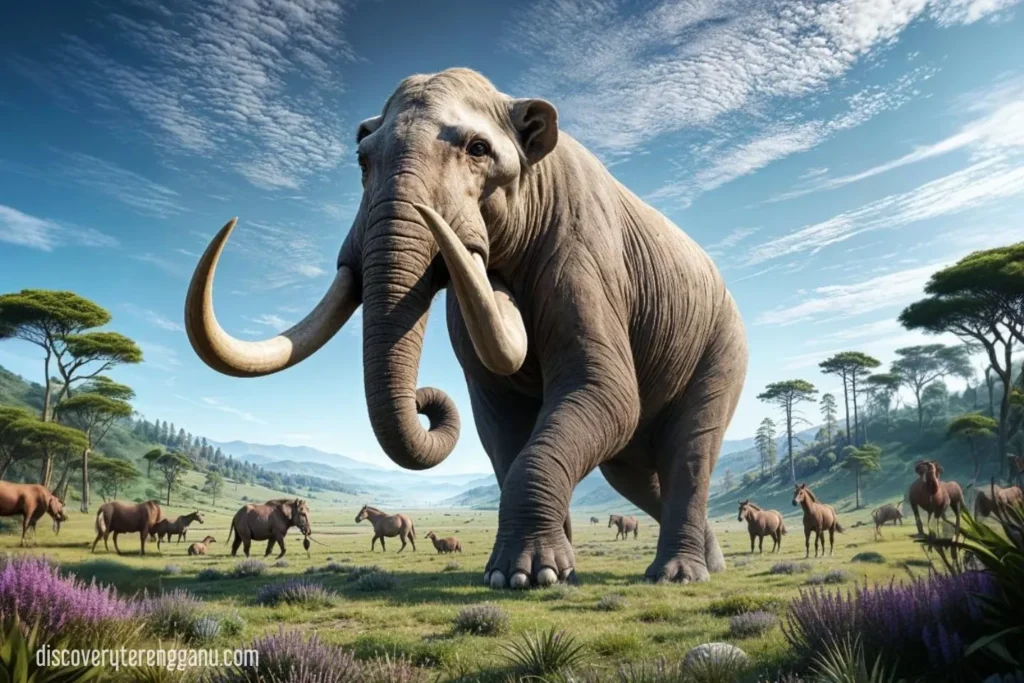
Gajah purba Gomphotherium di zaman Era Miosen 03121138
The ancient elephant Gomphotherium in the Miocene Era
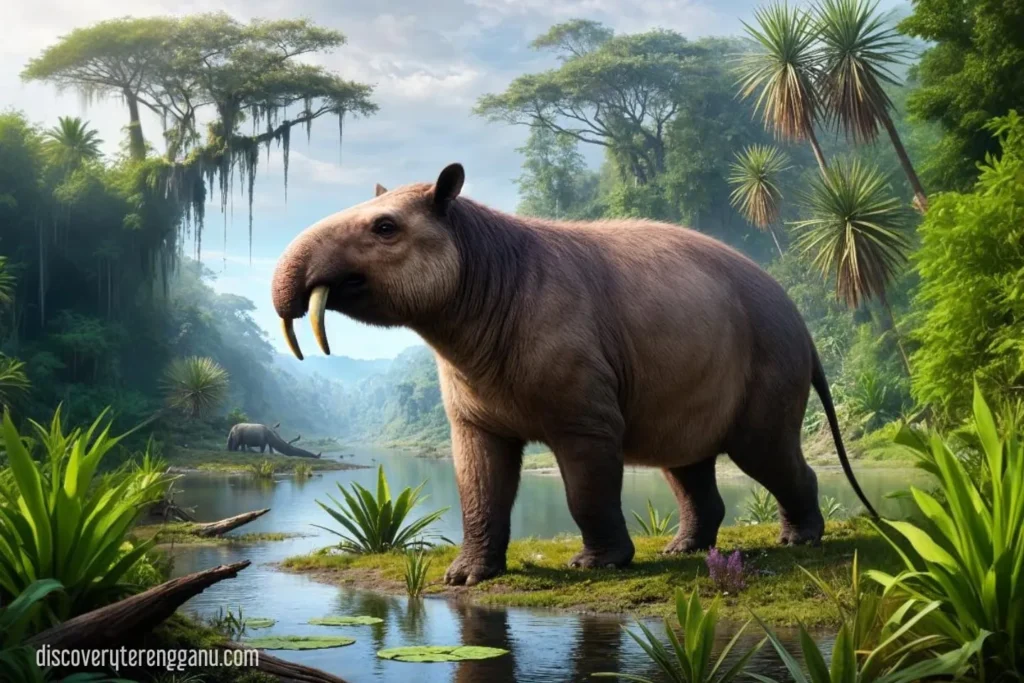
Moeritherium, nenek moyang awal gajah 03121139
Moeritherium, an early ancestor of the elephant
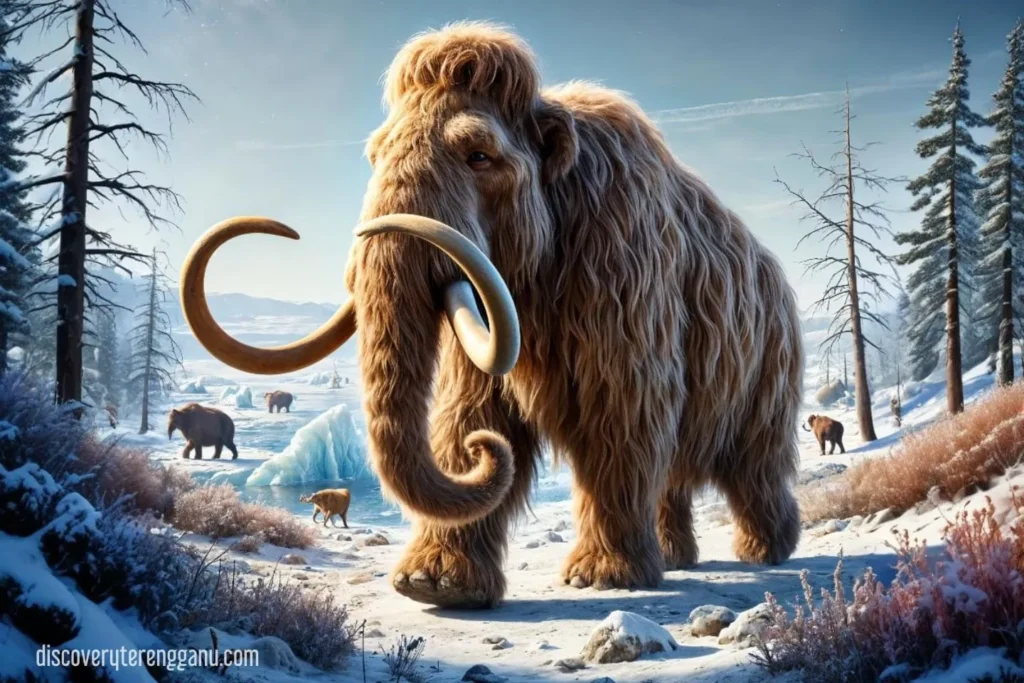
An ancient woolly elephant of the genus Mammuthus
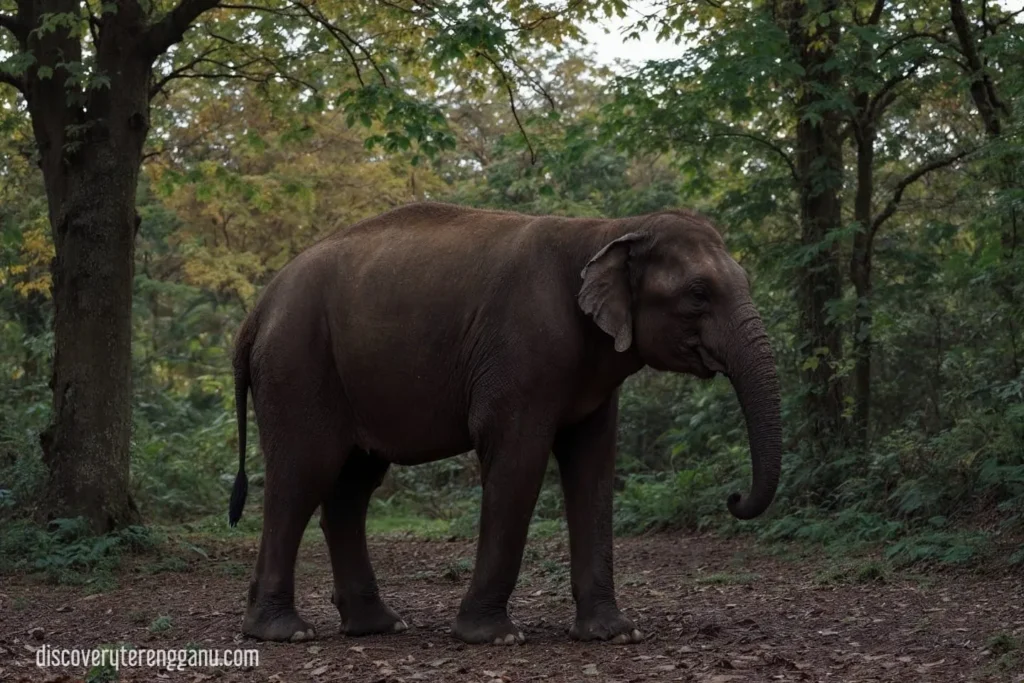
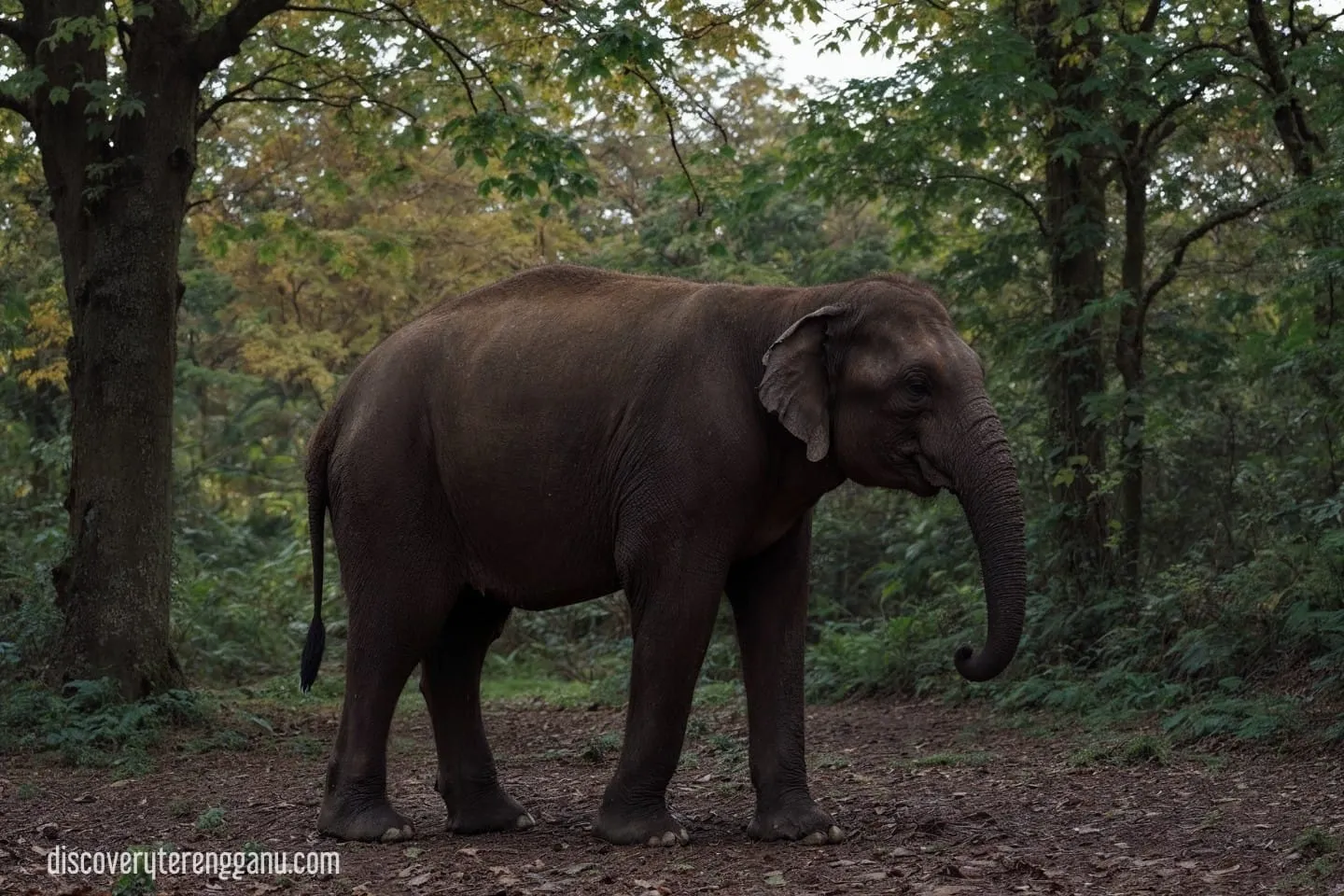
Gajah Asia (Elephas Maximus)
Asian Elephant (Elephas Maximus)

Interesting Facts

The family Elephantidae is the only family in the order Proboscidea that still exists today. Other families such as the mammoth (Mammuthus) and mastodon (Mammut) are extinct. Interestingly, the mammoth is more closely related genetically to the Asian elephant.

Evolution of the Trunk

Early Proboscidea did not have long trunks like modern elephants. The trunk we see today developed gradually to help them eat, drink and adapt to different environments.

Living Alongside Prehistoric Humans

One of the last Proboscidea species to become extinct was the woolly mammoth. This species lived alongside prehistoric humans, and its presence was recorded in cave paintings in places such as France and Spain, showing its important role in early human culture.

History of the Elephant

The long evolutionary history of Proboscidea illustrates their remarkable ability to adapt to environmental change. This makes elephants and their relatives creatures that are not only majestic but also vital to the Earth's ecosystems.

Kenali Gajah Asia di KECV
Phylogenetic Tree of the Elephantimorpha

Today, the two main recognised species are the African elephant and the Asian elephant, with the African elephant divided into the African bush elephant (L. africana) and the African forest elephant (L. cyclotis). Their habitats span sub-Saharan Africa, South Asia and Southeast Asia. Elephantidae is the only surviving family of Proboscidea, while other families such as mammoths and mastodons are extinct. Elephants play an important role in ecosystems and are a major focus of global conservation efforts. 

Elephant Species of the World

YouTube: Layar Liar

1. Asian Elephant (Elephas Maximus)

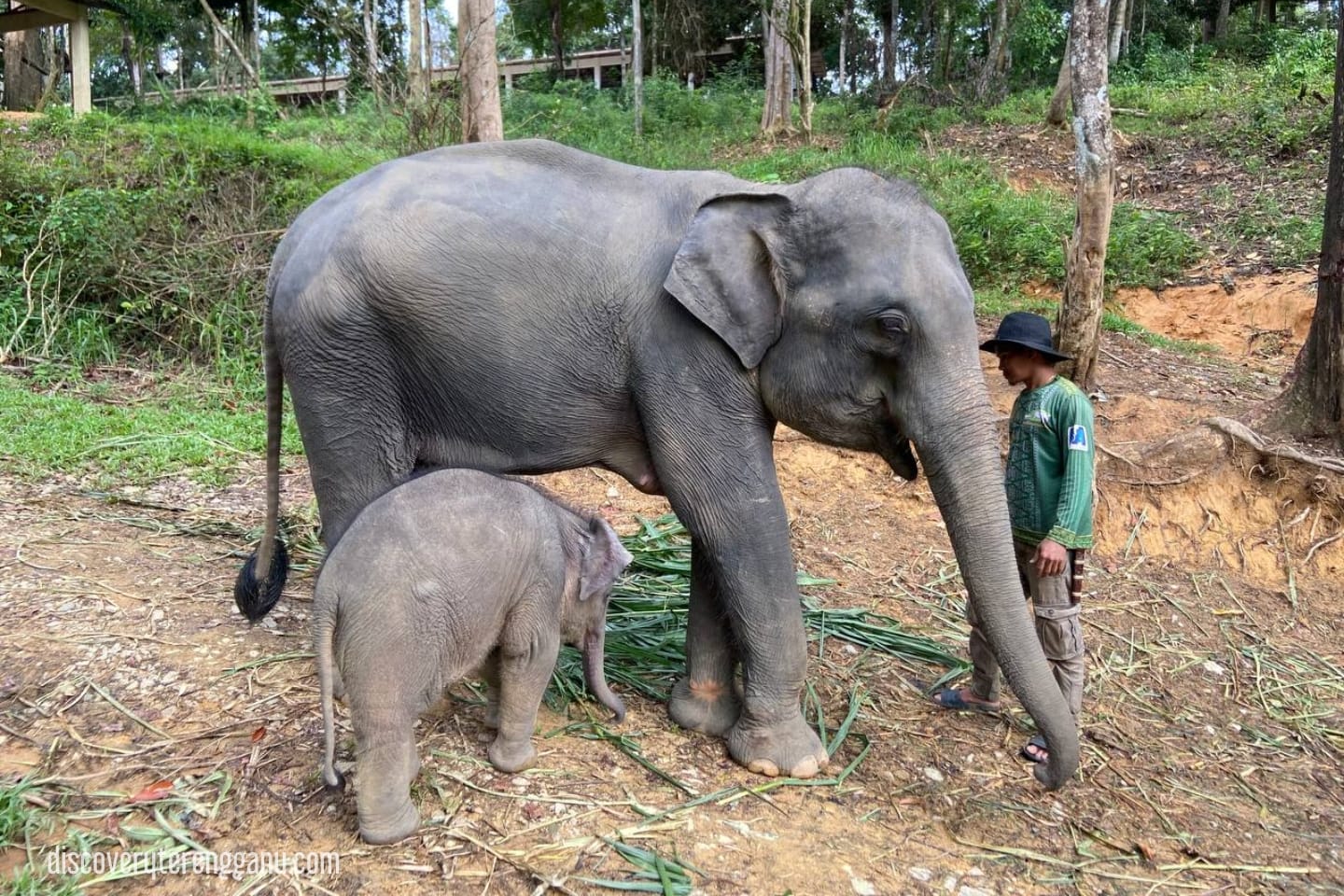
Ibu gajah(Dusun) & anak(Hujjan) di KECV 03121147
Mother elephant (Dusun) & calf (Hujjan) at KECV

Scientific Name:  Elephas Maximus

  • Diet: Herbivores that eat grass, leaves, fruit and tree bark.
  • Habitat:  South Asia and Southeast Asia (India, Sri Lanka, Thailand, Malaysia, Indonesia and others).
  • Reproduction: The gestation period is around 18 to 22 months, with a single calf born.

Subspecies of the Asian Elephant

  1. Indian Elephant – Elephas maximus indicus
  2. Sri Lankan Elephant – Elephas maximus maximus
  3. Sumatran Elephant – Elephas maximus sumantrensis
  4. Bornean Elephant – Elephas maximus borneensis
  5. Malaysian Elephant – Elephas maximus hirsutus

The Asian elephant is one of the surviving elephant species and the largest land mammal in Asia. The species is classified as endangered by the International Union for Conservation of Nature (IUCN) because its population has declined by at least 50% over the last three generations, estimated at around 60–75 years.

Social

Female elephants and their young live in matriarchal groups led by the oldest female, while adult males tend to live alone or in small groups.

Current Asian Elephant Population

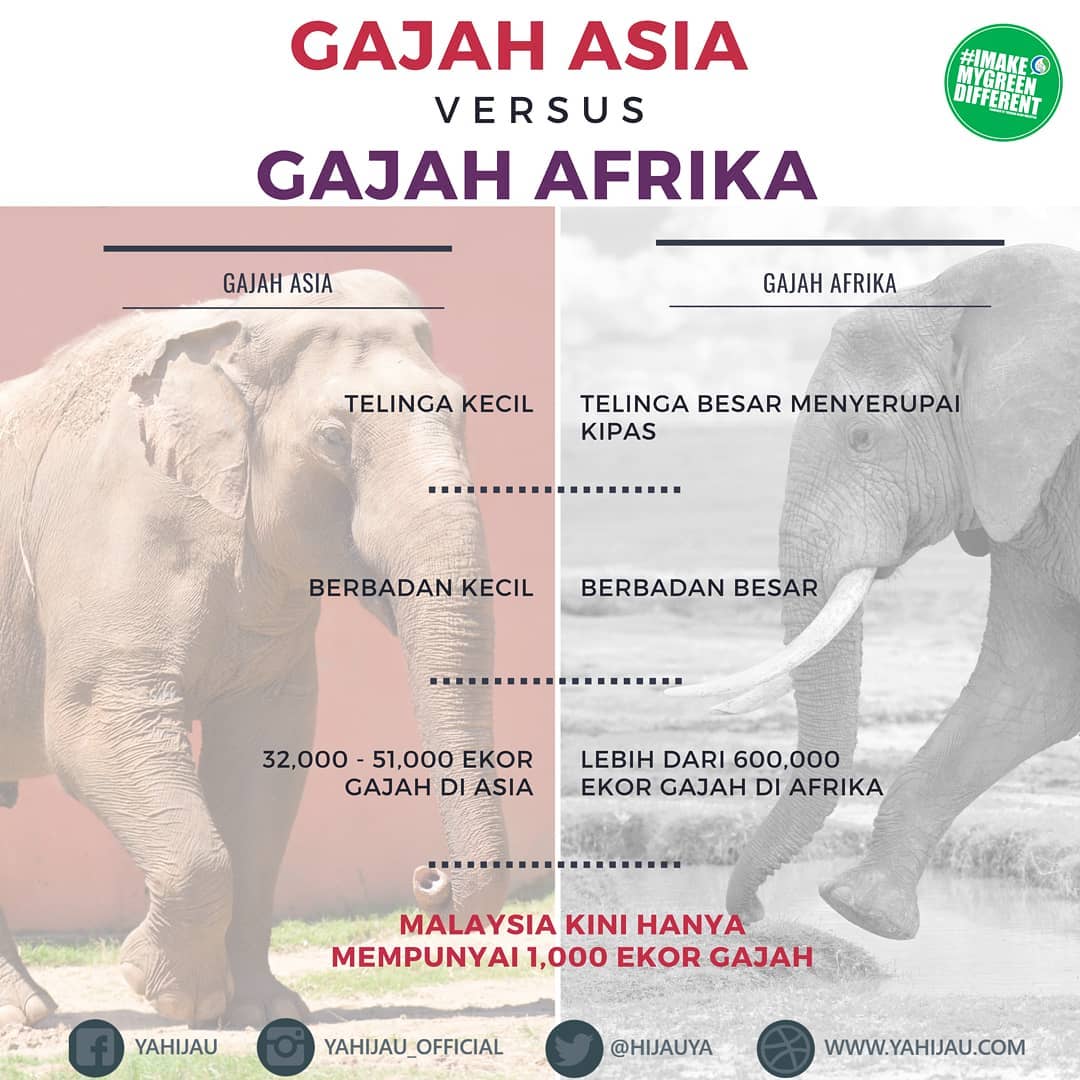
Roughly speaking, there are now only between 30,000 and 50,000 Asian elephants worldwide. This means their population is 10 times smaller than that of the African elephant.

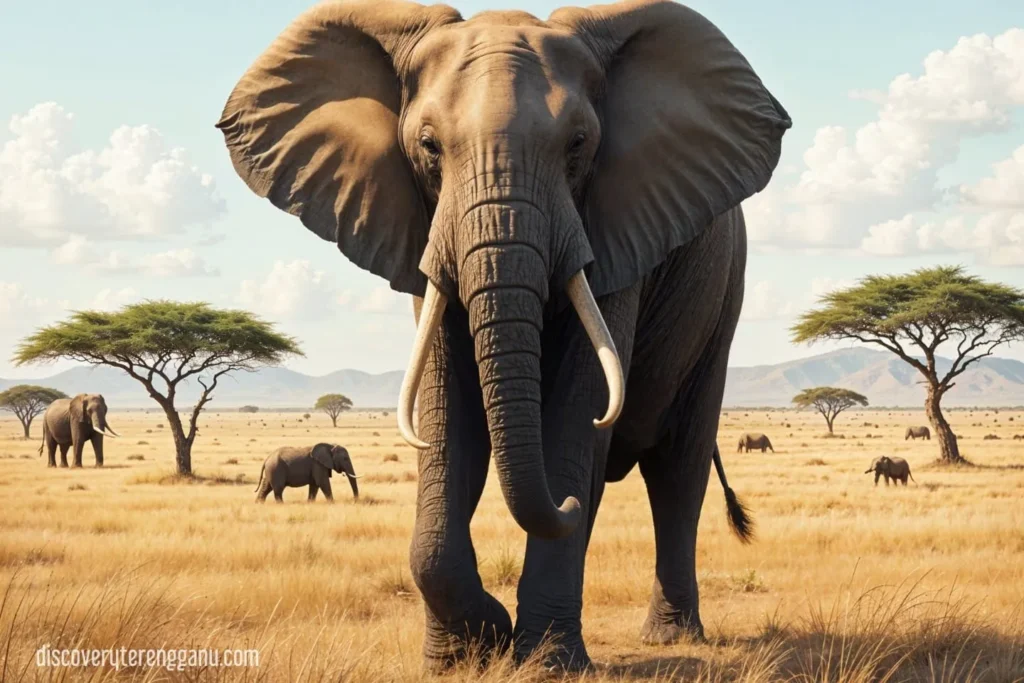
2. African Elephant (Loxodonta Africana)

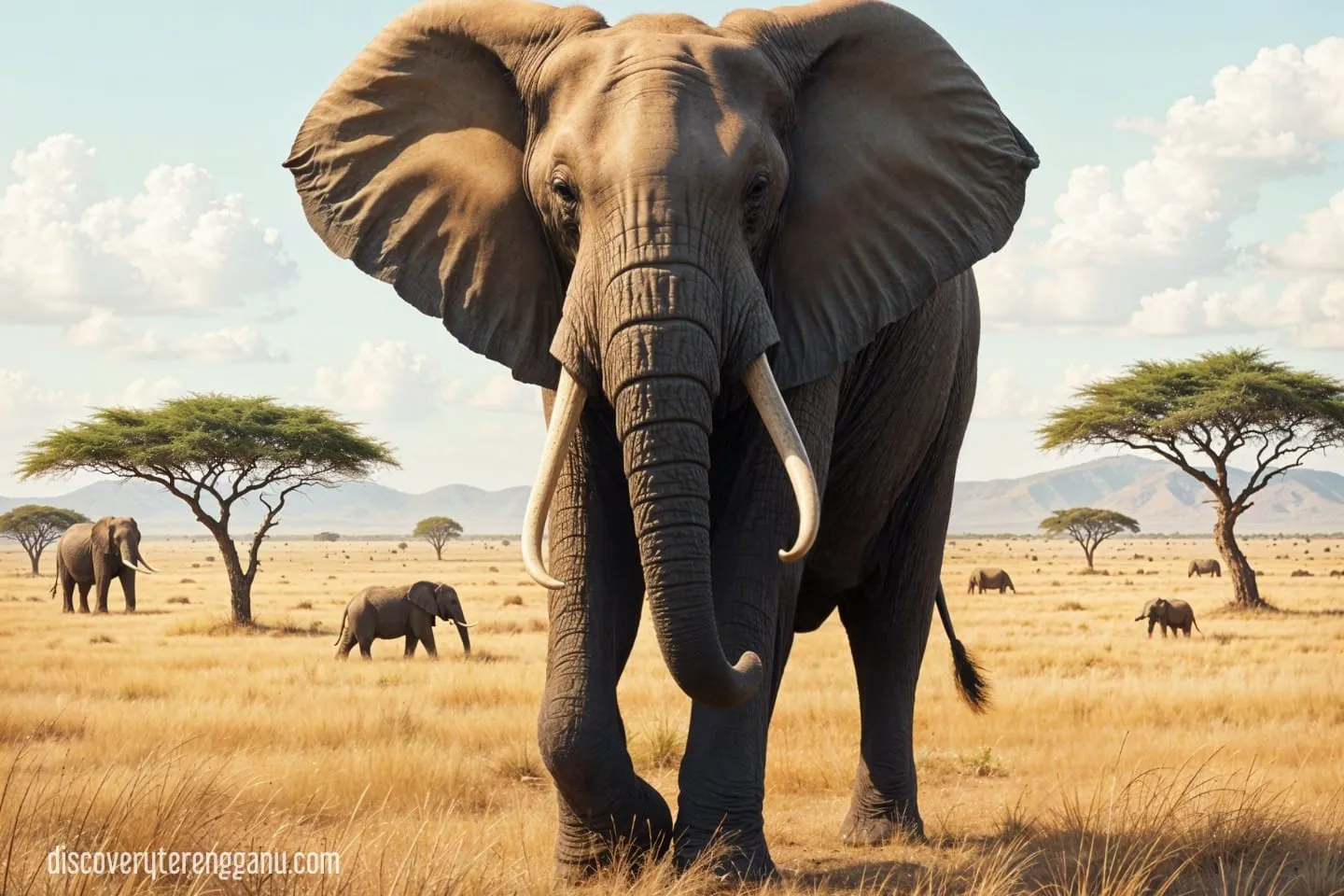
Gajah Afrika (Loxodonta Africana) 03121145
African Elephant (Loxodonta Africana)

Scientific Name:  Loxodonta Africana

  • Diet: 300 kg of food a day, including leaves, fruit, tree bark and twigs.
  • Habitat: Savannahs and open forests in Africa.
  • Tusks: Both male and female African elephants have large tusks.
  • Skin: Elephants have rough skin up to 4 cm thick, yet it is very sensitive.

Subspecies of the African Elephant

  1. African Savannah Elephant (Loxodonta africana africana): The largest species, living in savannah areas.
  2. African Forest Elephant (Loxodonta cyclotis): Smaller, living in tropical rainforests.

Interesting Facts

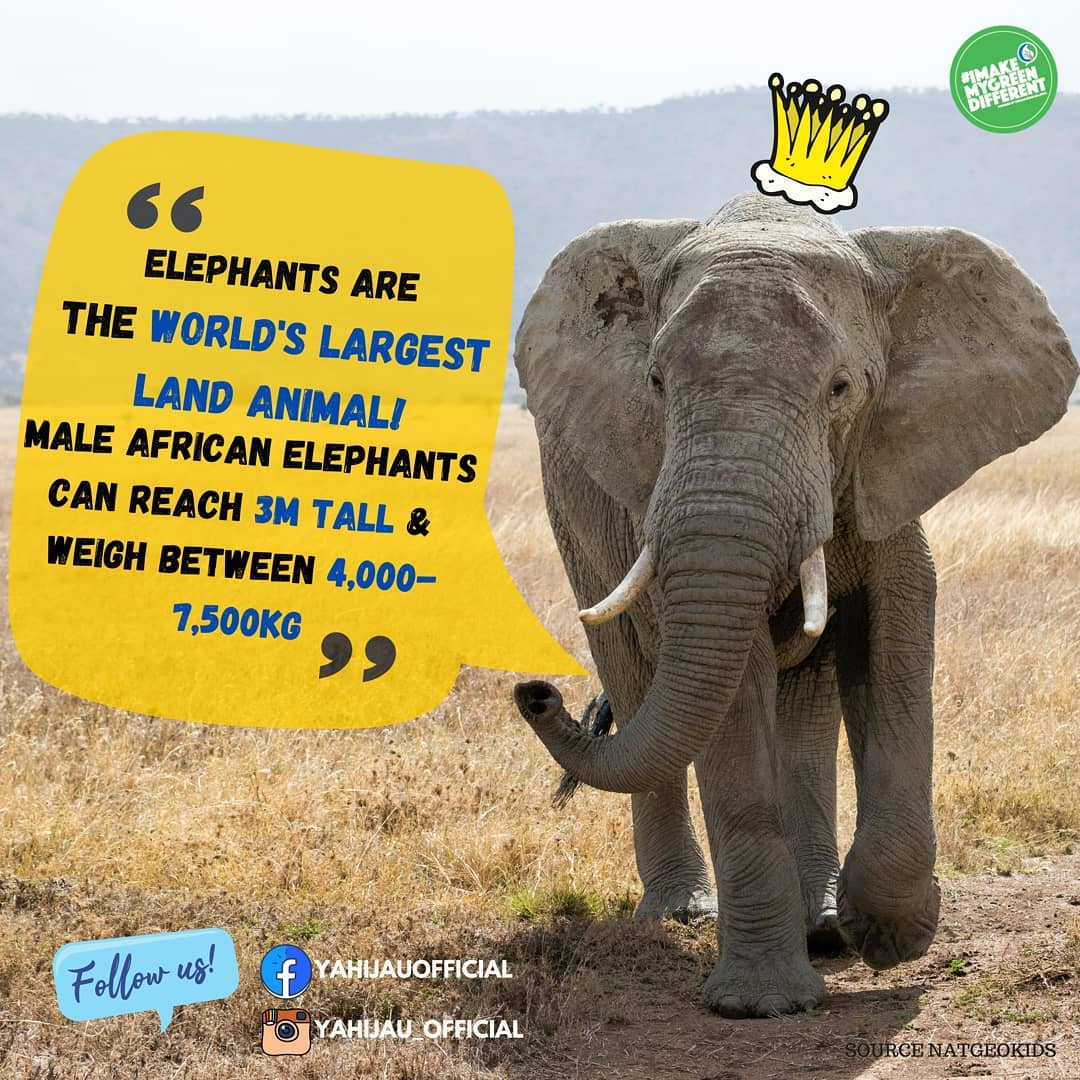
  • The African elephant is the largest land mammal, weighing 6000kg to 12,000 kg and standing up to 4 metres tall.
  • The African elephant's ears are large and shaped like a map of the African continent. These ears help them cool down by circulating blood through the blood vessels in the ears.

Family and Social Structure

African elephants live in matriarchal groups led by the oldest female. Calves are cared for by all members of the group, showing very strong social behaviour.

Role in the Ecosystem

Known as “ecosystem engineers”, as they help to:

  • Spread seeds through their dung.
  • Shape habitats by knocking down trees or opening up paths through forest areas.

What Are the Differences Between Asian and African Elephants ?

YouTube: Data Duck 2.0

YouTube: WildCiencias

Perbezaan Gajah Asia dan Gajah Afrika
FeatureAsian ElephantAfrican Elephant
Body SizeSmaller, up to 3.5 metres tall, weighing 3,000–6,000 kgLarger, up to 4 metres tall, weighing 4,000–8,000 kg
EarsSmall and roundedLarge and resembling a map of the African continent
Head ShapeTwin domes with a dip in the middleRounded head with a single dome
TusksOnly males have large tusks; females may have 'tushes'Both males and females have large curved tusks
TrunkHas one 'finger' at the tip of the trunkHas two 'fingers' at the tip of the trunk
SkinSmoother with fewer wrinklesMore wrinkled and thicker
HabitatTropical and subtropical forests in AsiaSavannahs, forests, deserts and swamps in Africa
DietMore inclined to graze, eating grass, leaves and young stemsBrowsers, eating leaves, twigs, fruit and tree bark
Number of Ribs20 pairs21 pairs

Interesting Facts About Elephants

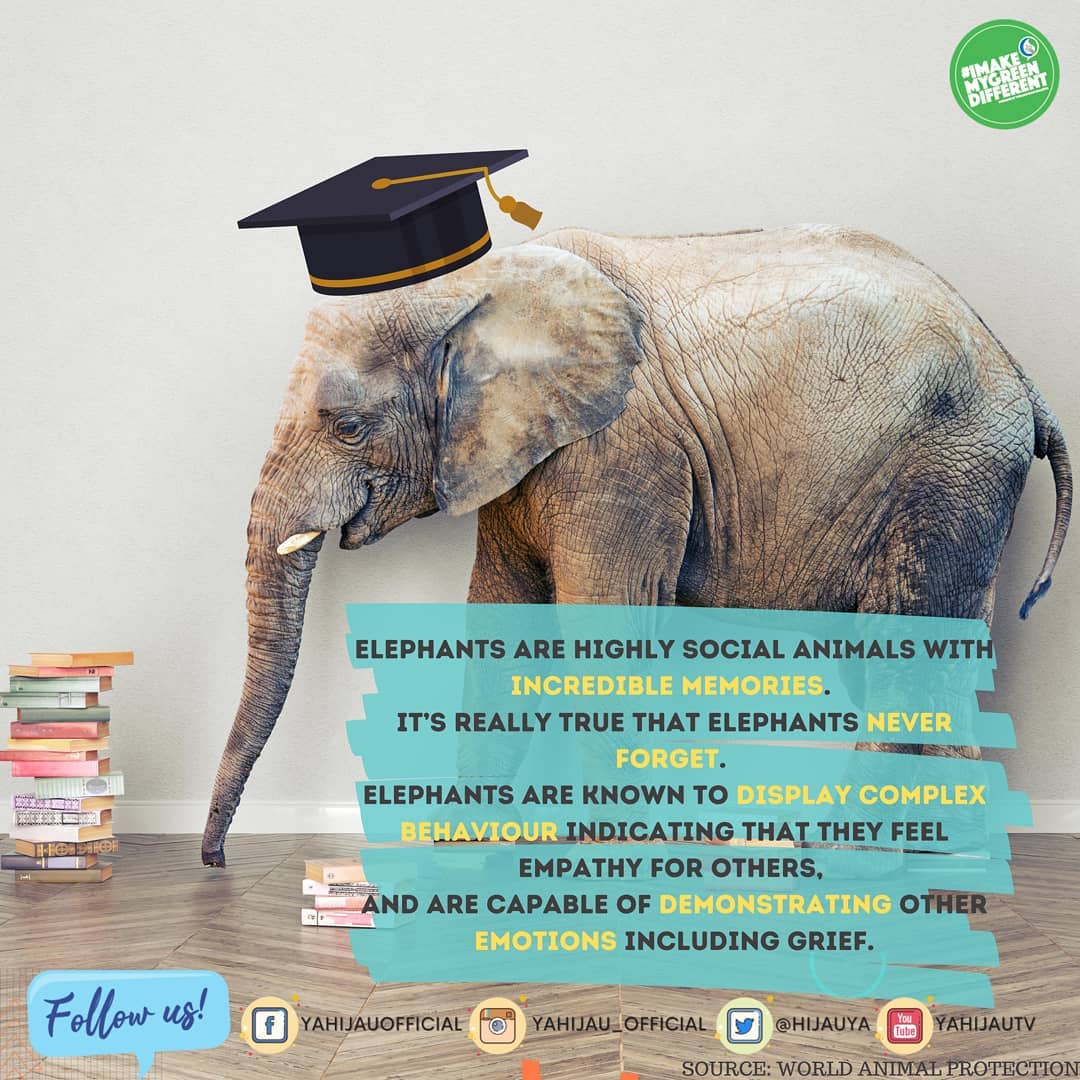
Elephants Have Great Memories

  • Elephants are known for their remarkable memory, so much so that there is a saying that “an elephant never forgets”.
  • Elephants display complex behaviour, including empathy and the ability to mourn the loss of members of their group.

Social Behaviour

  • Elephants live in groups led by the oldest female.
  • Asian elephants practise “al-mothering,” where all the females help to look after the calves, even if they are not their own.

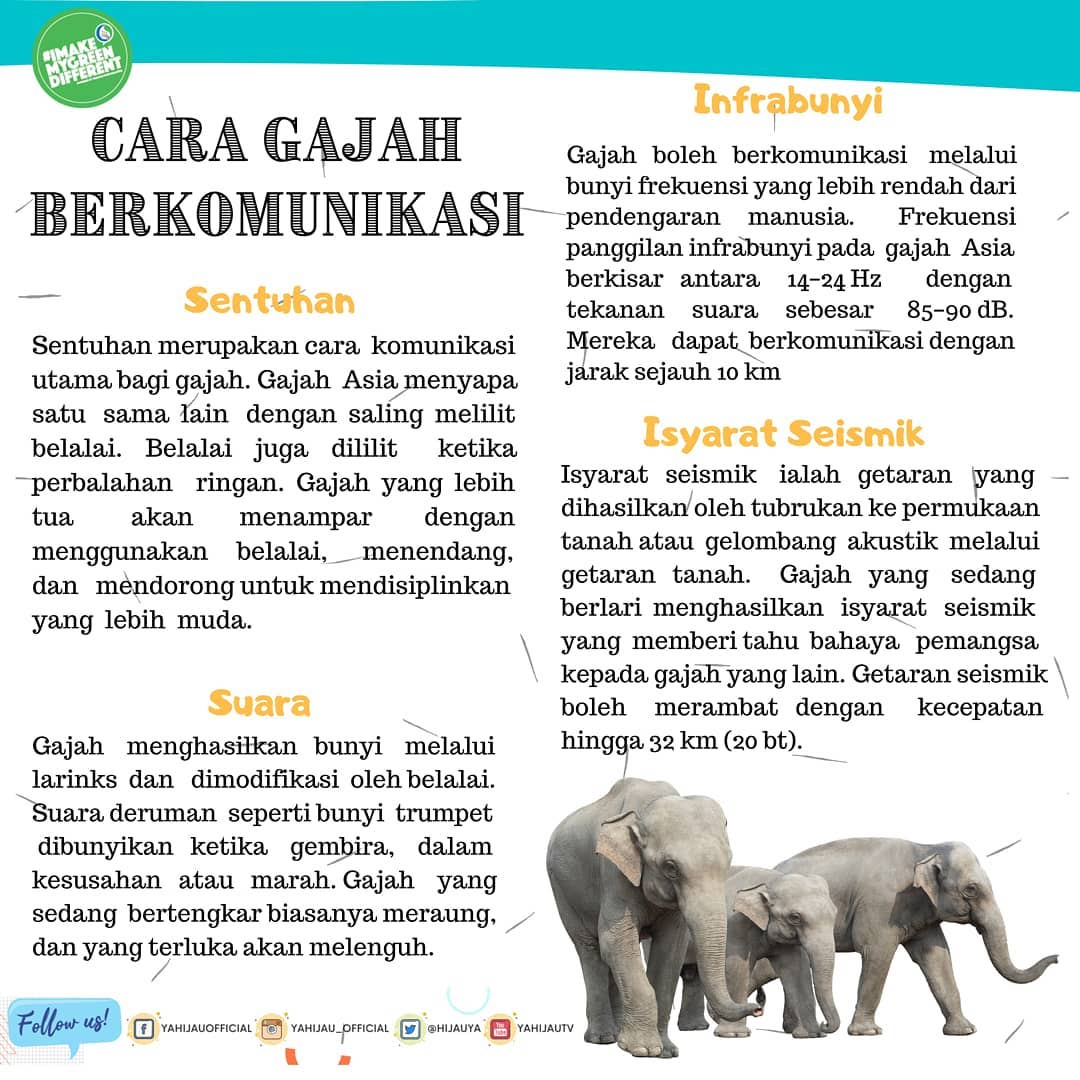
How Elephants Communicate

  • Touch:
    • Elephants use their trunks to greet, kick or push within the group as a form of discipline.
  • Voice:
    • They produce sounds through a modified larynx, such as a “trumpet” to express joy, distress or anger.
  • Infrasound:
    • Low-frequency sounds (14-24 Hz) are used to communicate over distances of up to 10 km.
  • Seismic Signals:
    • Elephants create vibrations through the ground, which can travel up to 32 km, warning other groups of danger.

Other Facts About Elephants

Did You Know ?

Unlike African elephants, only male Asian elephants have tusks, while females usually do not. Interestingly, there are also male Asian elephants without tusks, and they are known as makhna. This phenomenon is a unique natural variation within the Asian elephant population. It highlights the species' biological uniqueness and its adaptation to the environment.

Allo-Mothering

The unique social system of female elephants is known as allo-mothering, a remarkable form of social cooperation among elephant groups. In this system, the females in the group look after the calves together, even when the calves are not their own offspring. This behaviour strengthens social bonds within the group and ensures the calves receive consistent care and protection.

Summary

Visiting Kenyir Elephant Conservation Village (KECV) is a highly educational and enjoyable experience. The place not only offers the chance to get close to Asian elephants, but also builds a deep awareness of the importance of wildlife conservation. A visit to KECV is not just a recreational experience; it also opens your eyes to the beauty of nature and our responsibility towards it. It is a destination suitable for everyone, from individuals and families to student groups who want to learn while having fun.

Tambah Komen

Your email address will not be published.