




Malaysian Breakfast Culture: Now Recognised as World Heritage by UNESCO

On 5 December 2024, Malaysia's breakfast culture received international recognition when it was inscribed on UNESCO's Representative List of the Intangible Cultural Heritage of Humanity. The announcement was made during the 19th session of the Intergovernmental Committee for the Safeguarding of the Intangible Cultural Heritage held in Asuncion, Paraguay.

YouTube: UNESCO

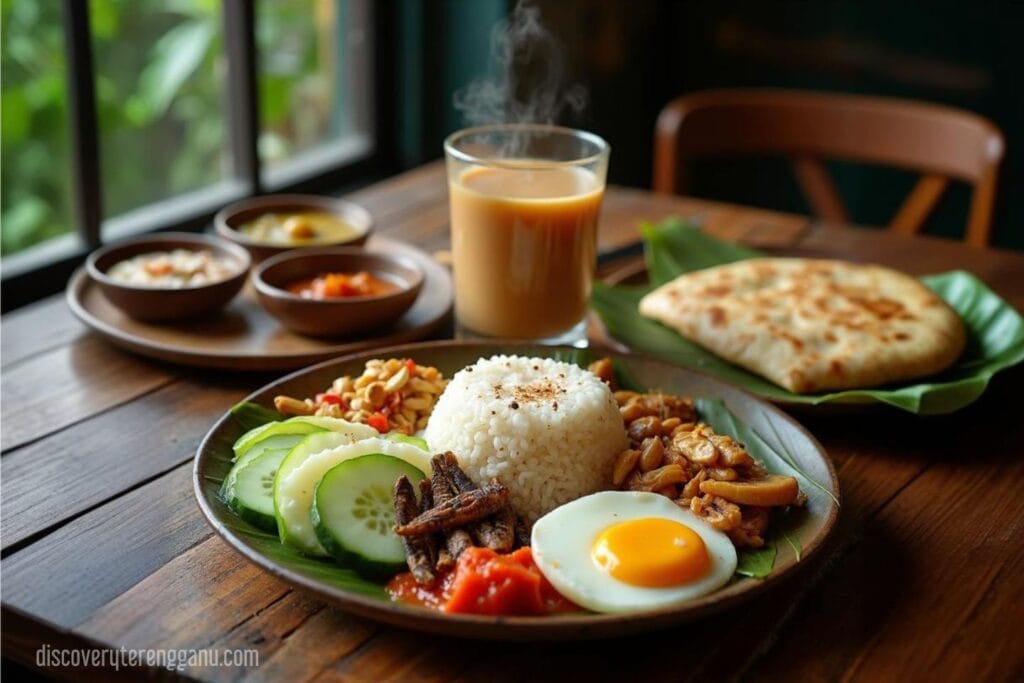
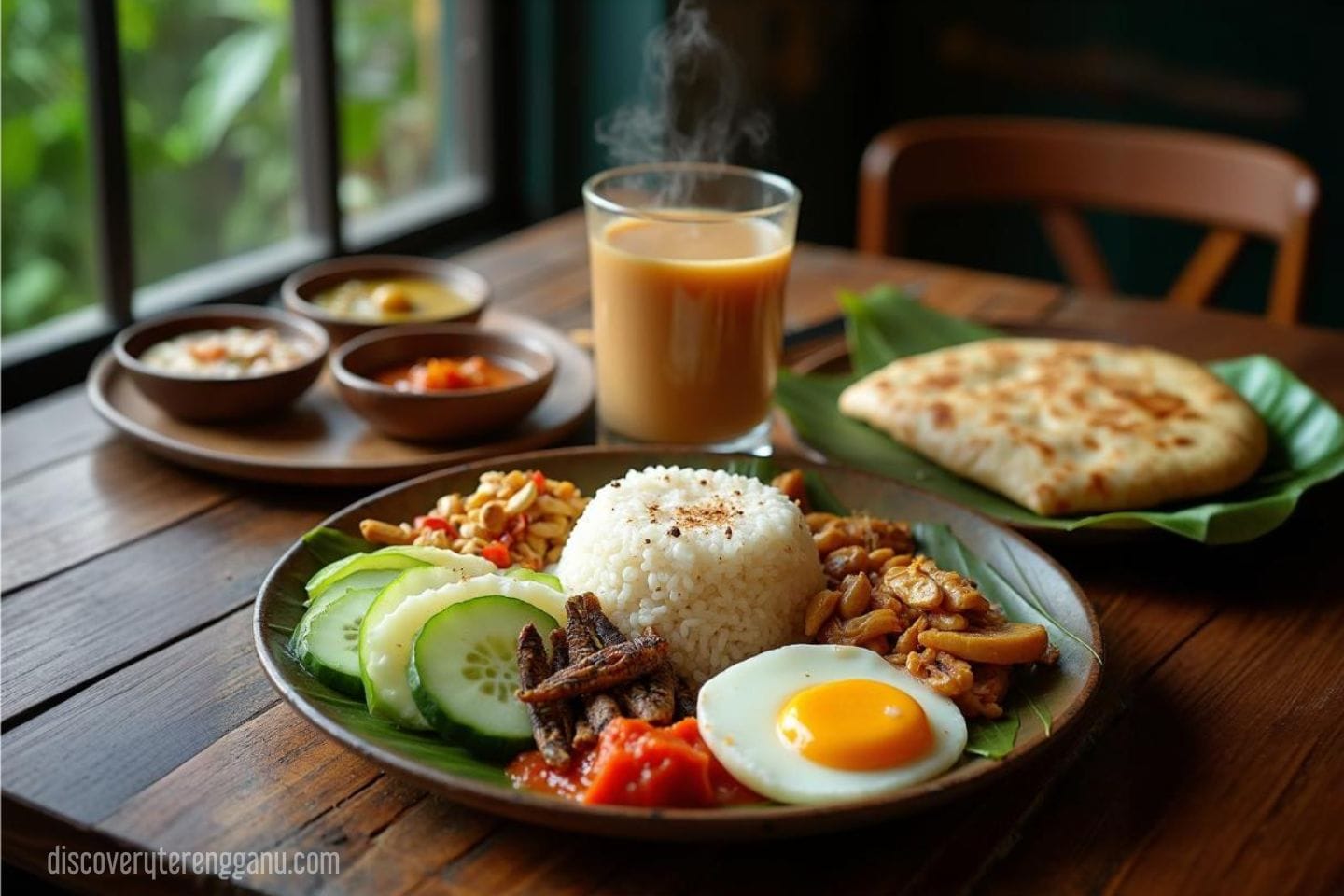
This recognition highlights the diversity and harmony of Malaysian culture, where dishes such as nasi lemak, roti canai and teh tarik have become symbols of unity in a multiracial society. This breakfast culture not only reflects national identity but also plays an important role in strengthening social bonds among Malaysians.

Recognition

The Ministry of Tourism, Arts and Culture (MOTAC), through the Department of National Heritage, submitted the nomination of Malaysia's breakfast culture to UNESCO in March 2023. This is the first time Malaysia has nominated an element related to food and gastronomy for such recognition.

Hopes 

This recognition is expected to raise Malaysia's visibility on the global stage, positioning the country as a tourist destination rich in diverse heritage food. It also demonstrates Malaysia's commitment to protecting and safeguarding intangible cultural heritage, in line with the National Culture Policy, which emphasises the preservation and conservation of cultural heritage.

Sarapan Pagi Rakyat Malaysia

Malaysian Breakfast Culture

Malaysia is known as a multiracial country rich in unique traditions and cultures. Breakfast culture in Malaysia reflects the beauty of this unity, with dishes such as nasi lemak, roti canai, teh tarik, and traditional kuih that symbolise the heritage of its many communities. Each dish not only reflects local flavours but also mirrors history, creativity and the spirit of goodwill.

Why Does Malaysian Breakfast Deserve UNESCO Recognition?

UNESCO recognises cultures of high human value, with traditions passed down through generations and significance in uniting communities. Malaysia's breakfast culture meets all of these criteria:

Sarapan Pagi Rakyat Malaysia

Heir to Old Traditions

Dishes such as nasi lemak have existed for a long time, passed down from generation to generation. The original recipes are still preserved even though preparation techniques have modernised.

Sarapan Pagi Rakyat Malaysia

Diversity of Communities and Flavours

These morning dishes are often served at roadside stalls, warung or coffee shops, where people of different ethnicities can gather and enjoy food that reflects their respective cultures.

Sarapan Pagi Rakyat Malaysia

Social and Human Values

Breakfast in Malaysia is not just about filling your stomach. It is a moment to gather with family and friends, strengthening social bonds among the people.
A Symbol of Multi-Ethnic Unity

Breakfast Culture in Malaysia is now officially inscribed on the Representative List of the Intangible Cultural Heritage of Humanity of the United Nations Educational, Scientific and Cultural Organization (UNESCO). In an official statement, the Ministry of Tourism, Arts and Culture (MOTAC) announced that this recognition, entitled Breakfast Culture in Malaysia: A Multi-Ethnic Dining Experience, was announced at the 19th session of the Intergovernmental Committee for the Safeguarding of the Intangible Cultural Heritage (IGC ICH) held in Asuncion, Paraguay, from 2 to 7 December 2024. According to MOTAC, UNESCO's evaluation body decided that Breakfast Culture in Malaysia had met all the criteria set out under the 2003 Convention for the Safeguarding of the Intangible Cultural Heritage.

YouTube: The Star

"Breakfast Culture in Malaysia reflects the cultural diversity, harmony, engagement and acceptance of a multi-ethnic society. It is an element of intangible cultural heritage that meets UNESCO's criteria and plays an important role in social relations, reflecting Malaysia's strength as a multiracial nation," according to a MOTAC statement.

Iconic Dishes in Malaysian Breakfast Culture

1. Nasi Lemak

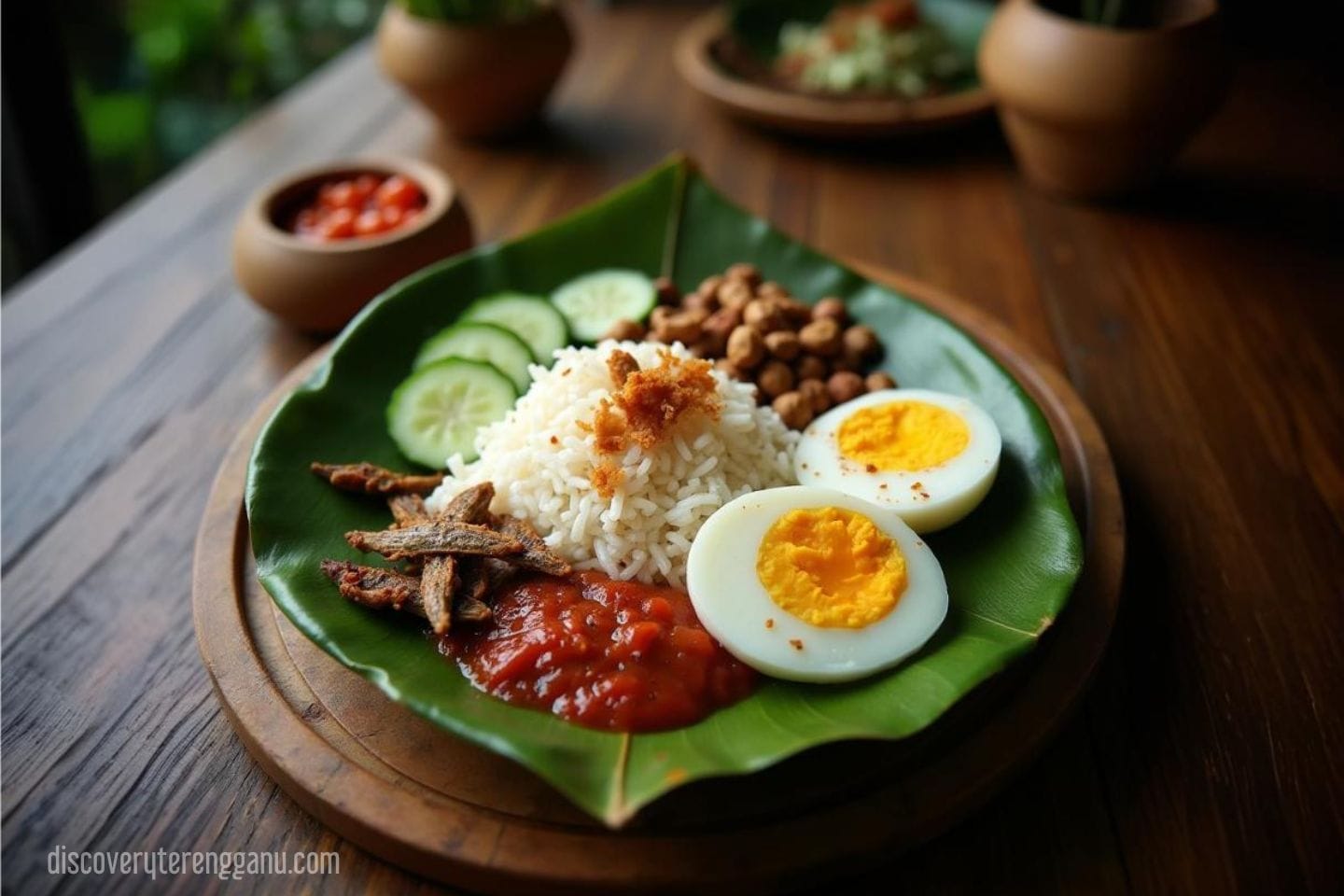
Often dubbed "Malaysia's national dish," nasi lemak consists of rice cooked in coconut milk, served with crispy anchovies, spicy sambal, a boiled egg and cucumber. Its unique flavour and simple preparation make it an all-time favourite.
Roti Canai 04121049

2. Roti Canai

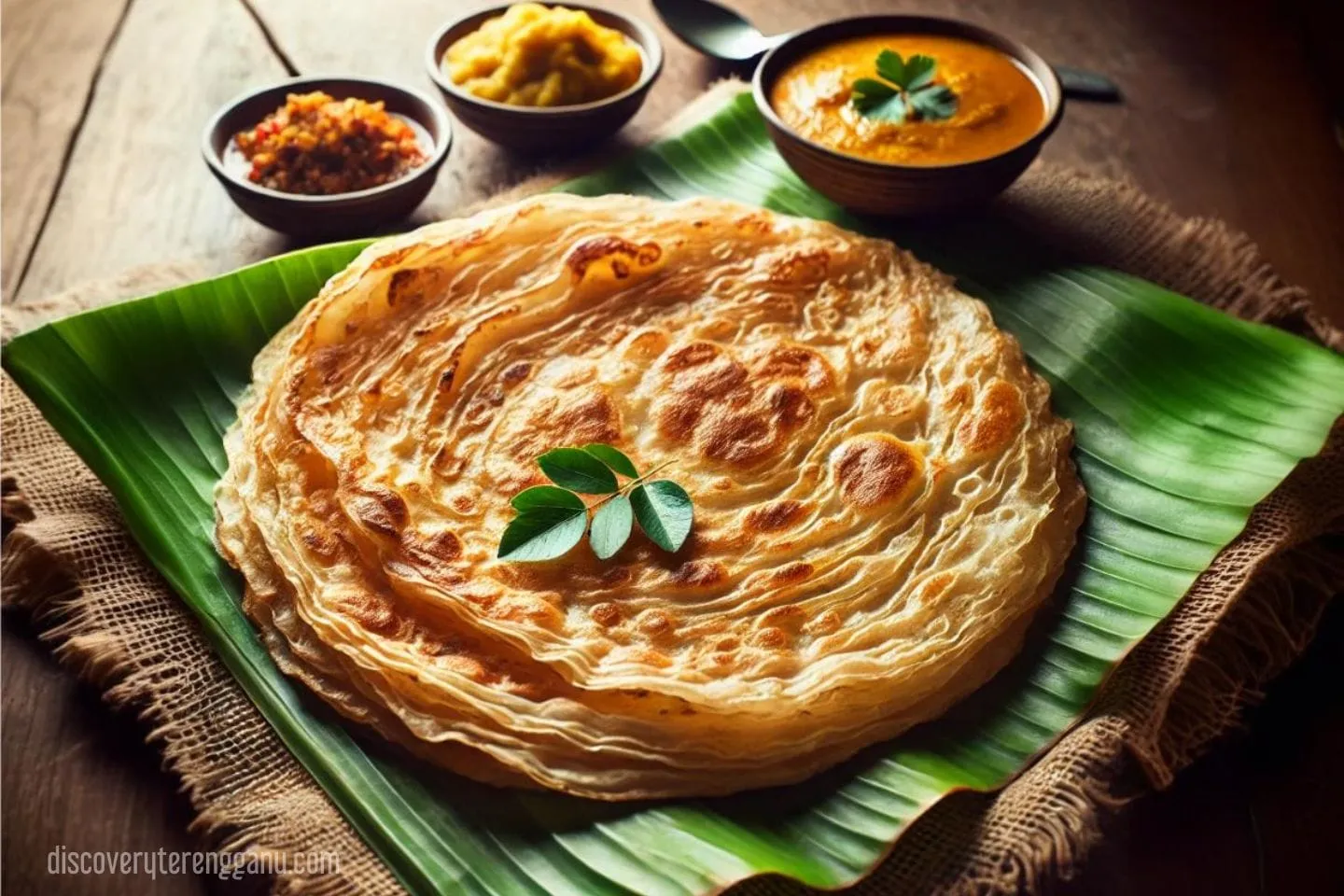
Roti canai, a type of flatbread served with dhal or curry, is another icon of Malaysian breakfast culture. It is believed to have originated from the Indian Muslim community in Malaysia and is now a favourite among people from all walks of life.

3. Teh Tarik

This frothy milk tea, made by repeatedly "pulling" it, accompanies almost every breakfast meal. Besides its rich flavour, teh tarik also brings back nostalgic memories of the atmosphere at warung and mamak stalls.

UNESCO Recognition: What Does It Mean?

Tourism Promotion

Malaysian breakfast culture will become a new attraction for tourists who want to experience the uniqueness of traditional dishes

Preserving Tradition

With this recognition, efforts to ensure that traditions and authentic recipes continue to be passed down will be stepped up.

Boosting the Local Economy

Traditional food sellers, especially at roadside stalls and morning markets, will enjoy greater fortunes as this culture gains more global attention.

Challenges in Preserving Breakfast Culture

1. Urbanisation and Modern Lifestyles

More and more Malaysians are choosing quick breakfasts such as cereal, toast or food from international franchise restaurants. Although fast and convenient, this choice poses a major challenge to traditional food such as Nasi Lemak, Roti Canai, and Kuih-Muih. The younger generation is becoming less familiar with traditional dishes, putting cultural values passed down through generations at risk of being forgotten.

Proposed Solutions:

  • Encourage awareness campaigns on the benefits and uniqueness of traditional breakfasts.
  • Promote traditional food on digital platforms to attract the interest of the younger generation.

2. Rising Cost of Raw Ingredients

Rising prices of raw ingredients such as rice, coconut milk, sugar and spices affect small traders who depend on small profit margins. High costs push up the price of traditional food, making it less competitive compared with fast food.

Proposed Solutions:

  • Support small hawkers through subsidies for raw ingredients.
  • Encourage cooperation with local communities to buy raw ingredients in bulk.

3. Adapting to Globalisation

In efforts to promote traditional Malaysian food internationally, there is a risk of the authenticity of the dishes being altered to suit global tastes. Such changes could cause the cultural value of traditional food to be lost.

Proposed Solutions:

  • Ensure that traditional recipes and preparation methods are preserved in global promotion.
  • Involve cultural heritage and gastronomy experts in marketing campaigns.

Why Is It Important to Address These Challenges?

Breakfast culture is not just about food; it is a symbol of Malaysian unity and a cultural heritage to be cherished. By addressing these challenges, we can ensure that traditional food such as Nasi Lemak, Roti Canai and Teh Tarik remains an important part of Malaysians' daily lives.

Steps to Preserve Malaysian Breakfast Culture

To ensure that Malaysia's traditional breakfast culture remains relevant, various proactive steps need to be taken. Awareness campaigns encouraging the public to support local traders and appreciate the importance of traditional culture should be strengthened. In addition, integration into education by introducing traditional dishes such as Nasi Lemak and Roti Canai into the school syllabus can help the younger generation understand and appreciate the nation's food heritage. At the same time, digital promotion through social media platforms is also important to showcase the uniqueness of Malaysian breakfast internationally, thereby raising global awareness of this culture. These steps can not only sustain traditional culture but also strengthen national identity.

Additional Videos

@malaysiatribune Breakfast Culture in Malaysia: A Multi-Ethnic Dining Experience has been inscribed on the Representative List of the Intangible Cultural Heritage of Humanity, UNESCO. #malaysiatribune #motac ♬ original sound - malaysia tribune
@arszliey

Malaysian Breakfast Culture receives recognition from UNESCO. 🇲🇾❤️ Nasi Lemak 🍛 Roti Canai 🫓 Teh Tarik ☕️

♬ Standing In The Eyes Of The World - Ella

Conclusion

Breakfast culture in Malaysia not only plays an important role in people's daily lives but is also a symbol of unity and identity for the many communities in the country. With traditional dishes such as Nasi Lemak, Roti Canai, and Teh Tarik, this culture transcends ethnic boundaries and unites Malaysians in a living heritage passed down from generation to generation.


This practice, which is accessible and affordable, reflects the beauty of social relations in private and public spaces, from rural areas to cities. Besides being a source of pride in the nation's gastronomic history, Malaysia's breakfast culture also ensures the sustainability of local culinary traditions, making it an important element of national identity and world heritage.

Tambah Komen

Your email address will not be published.