




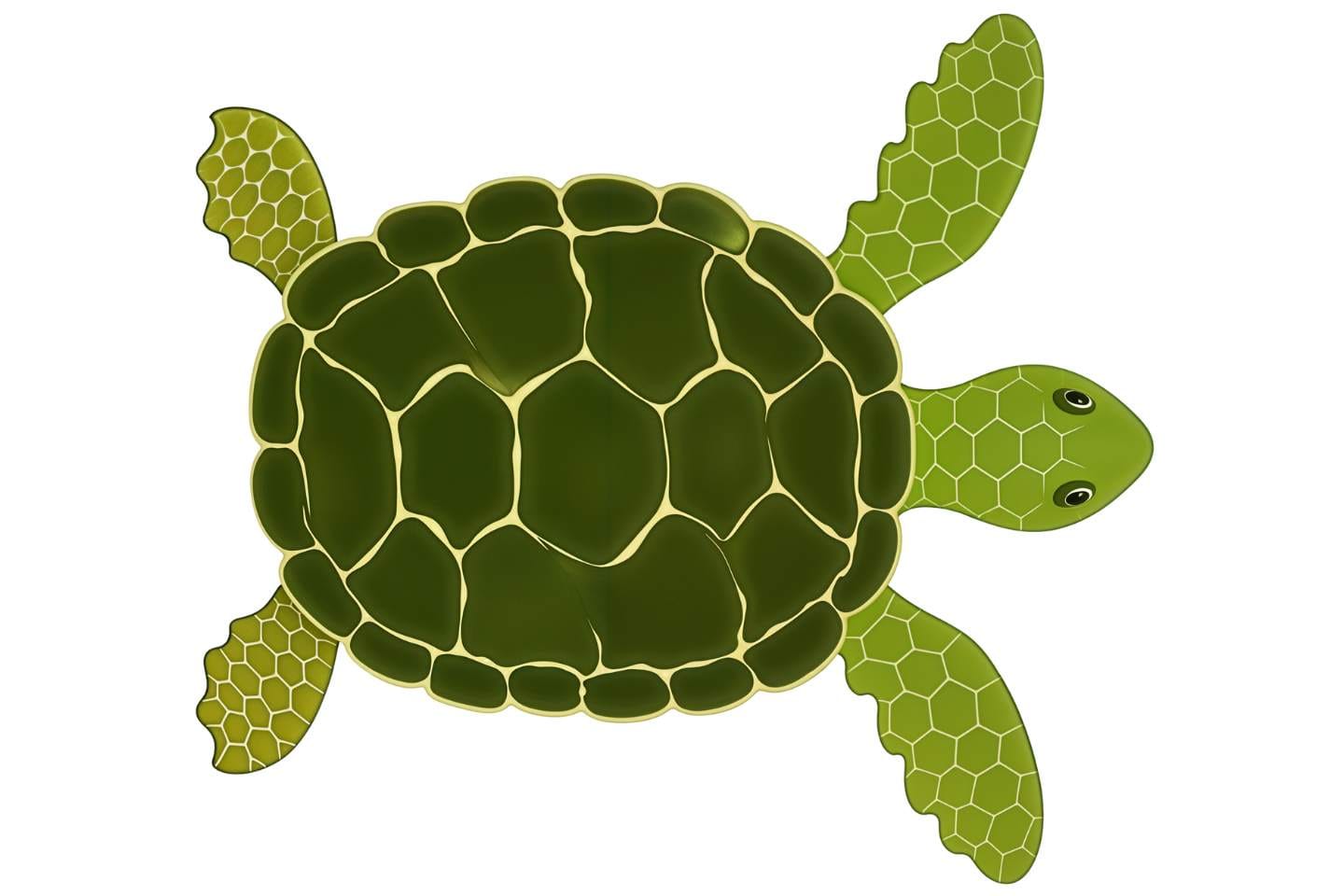
Green Turtle
Chelonia mydas
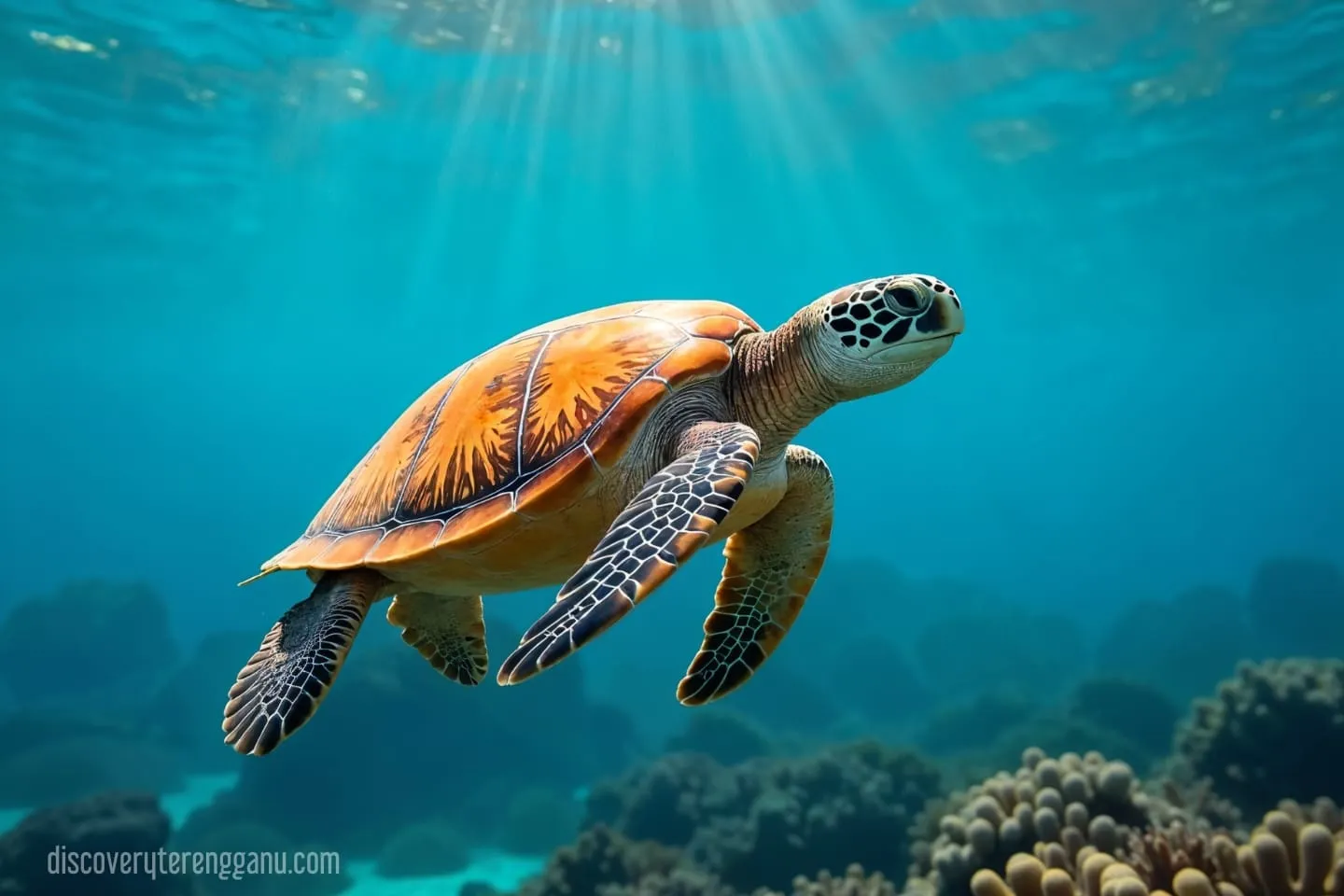
Green Turtle. The species that nests most often on Terengganu's beaches.
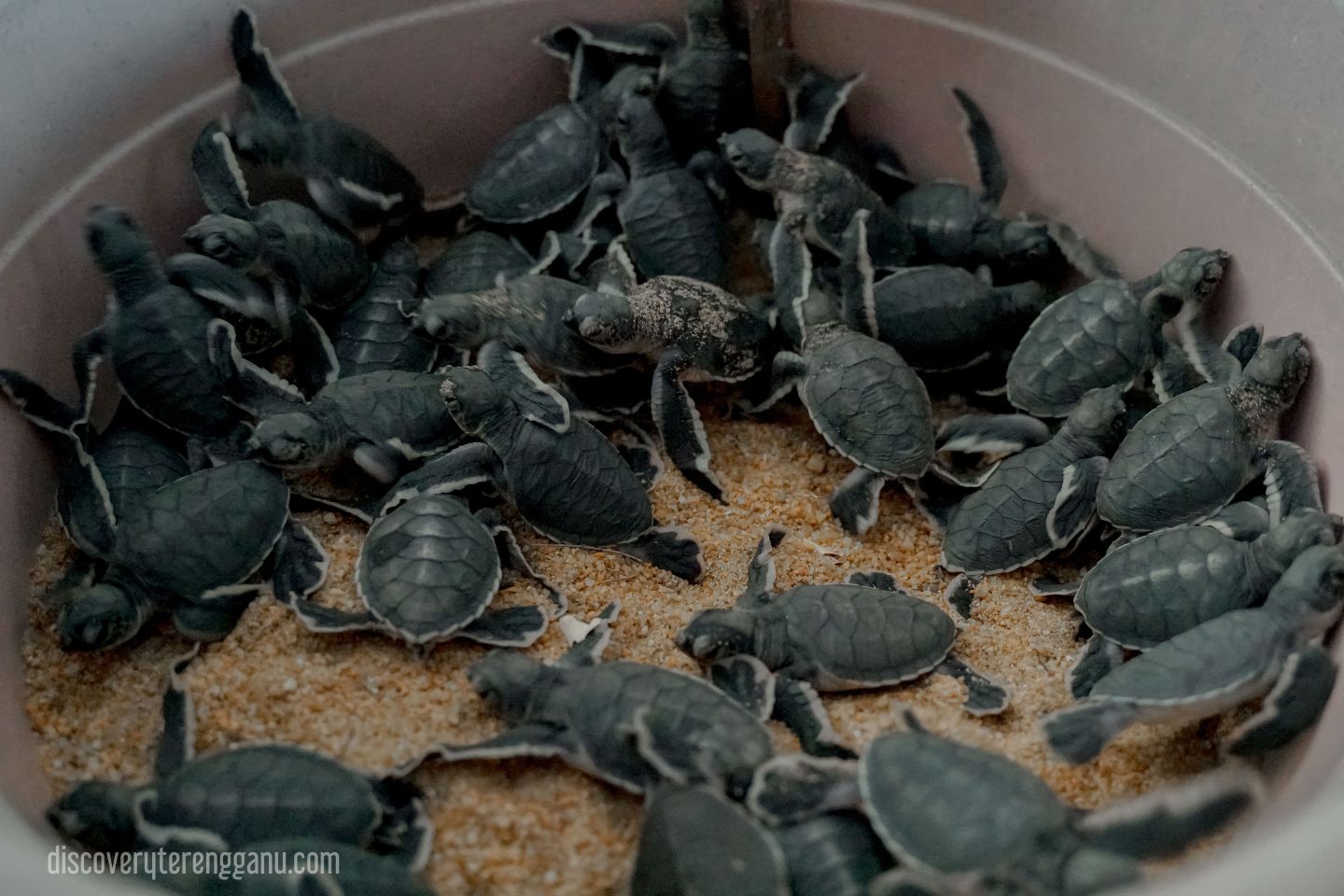
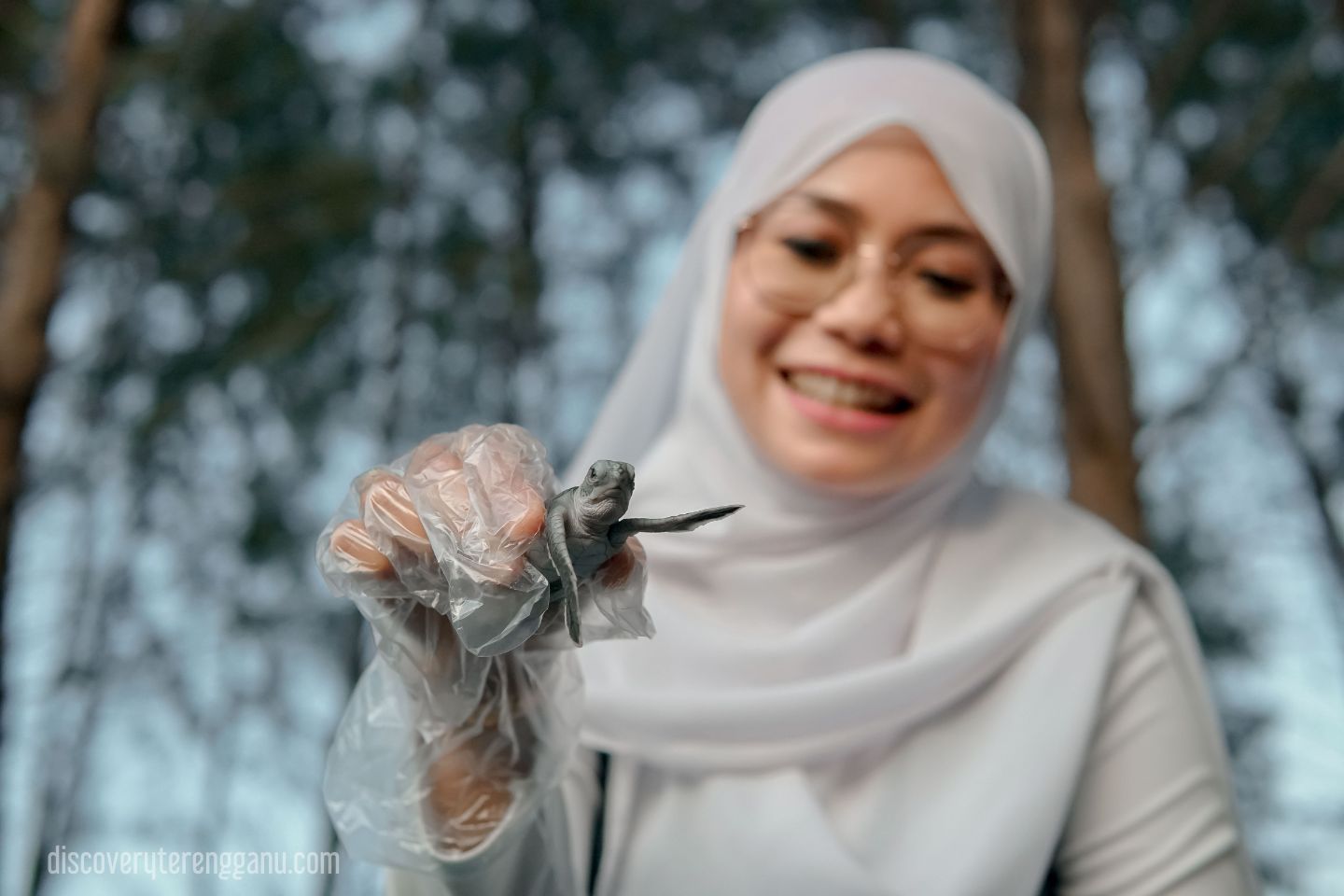
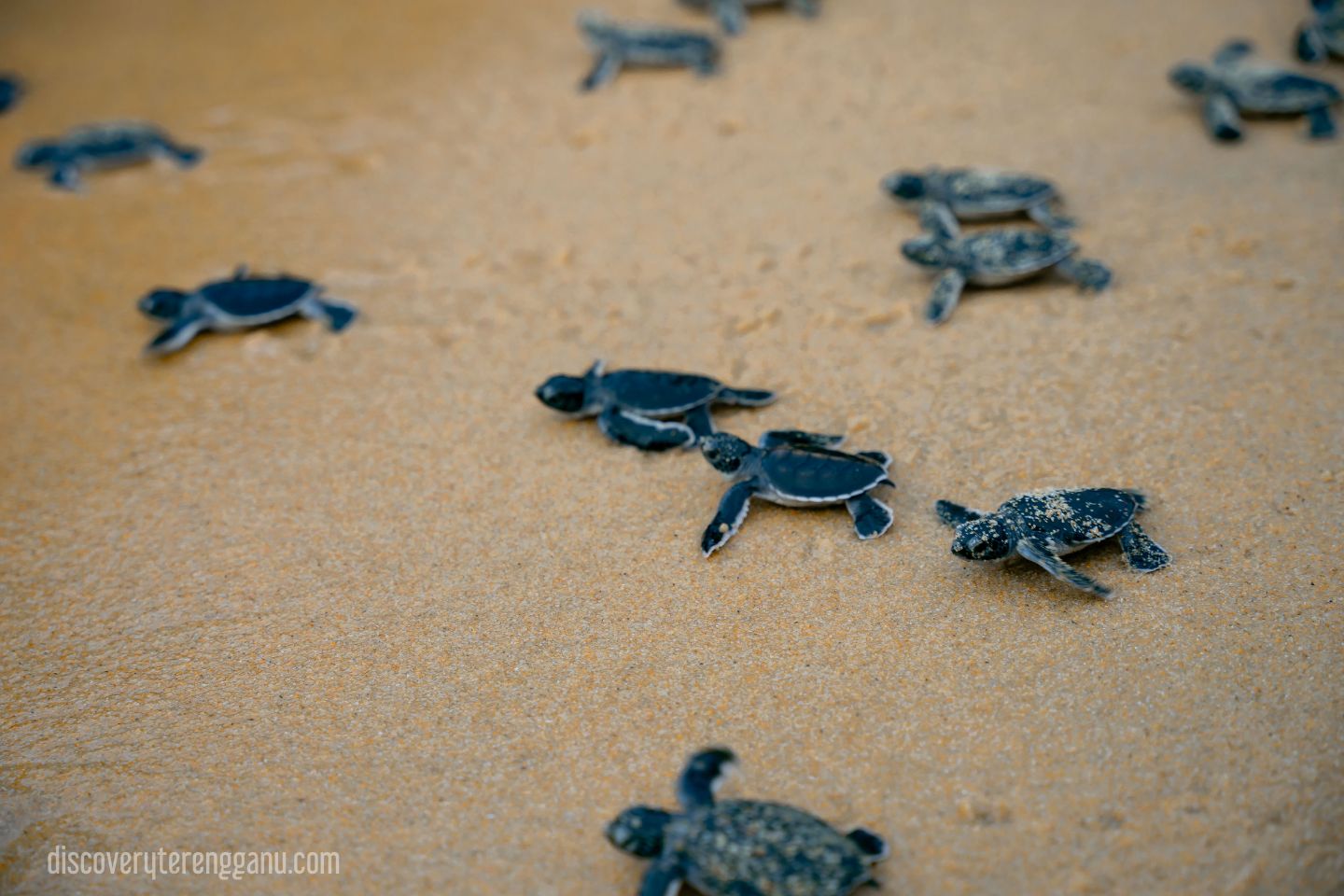
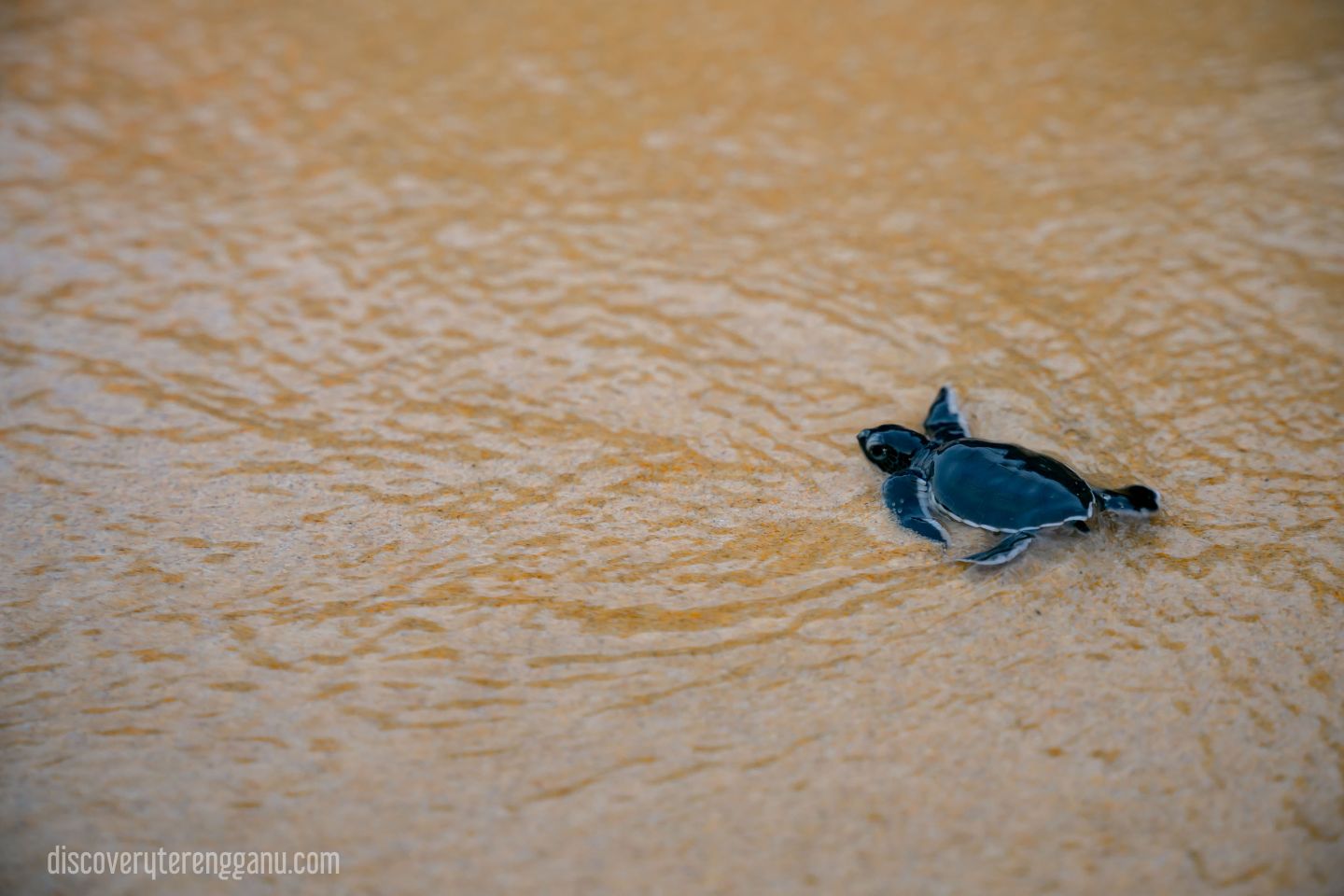
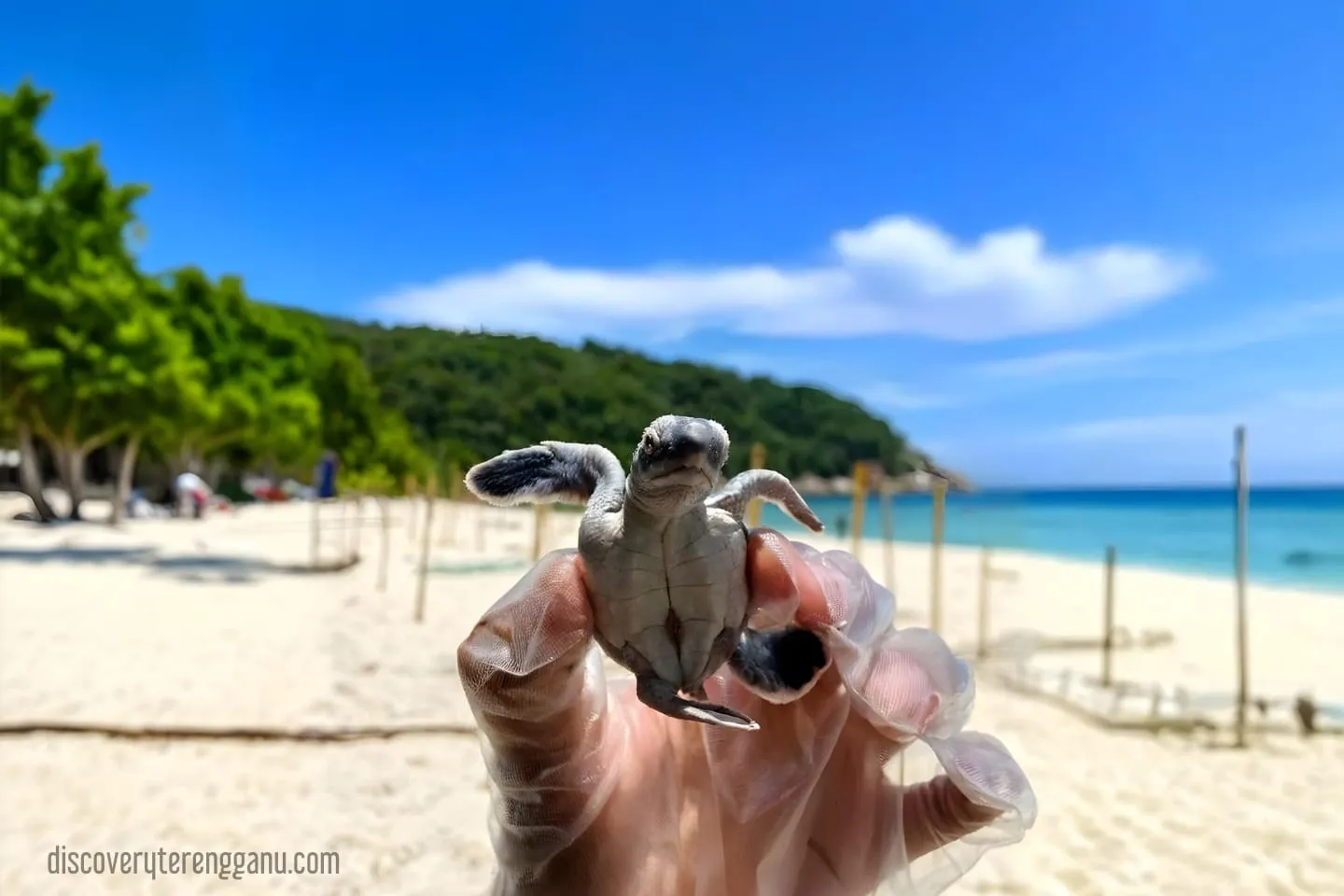
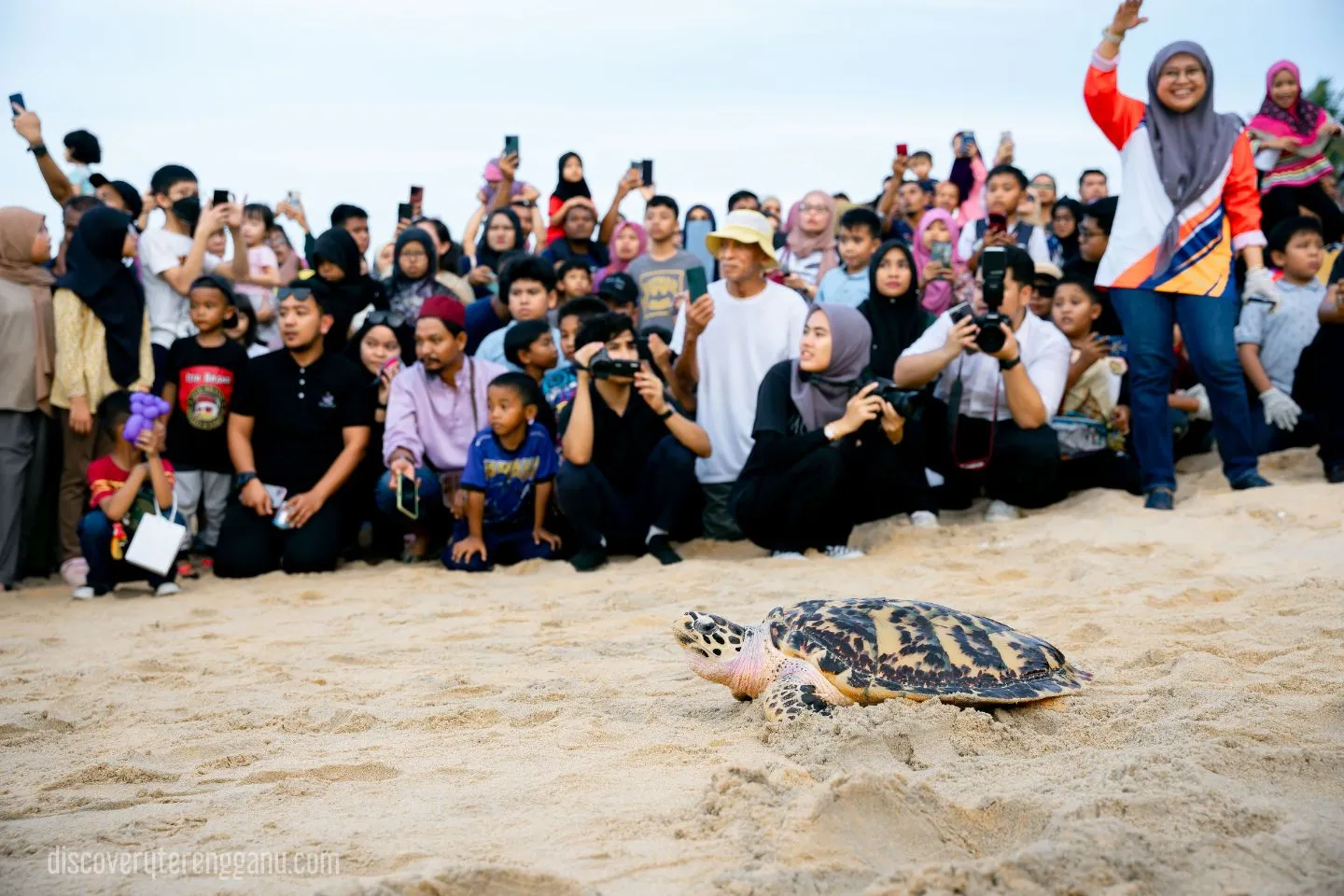
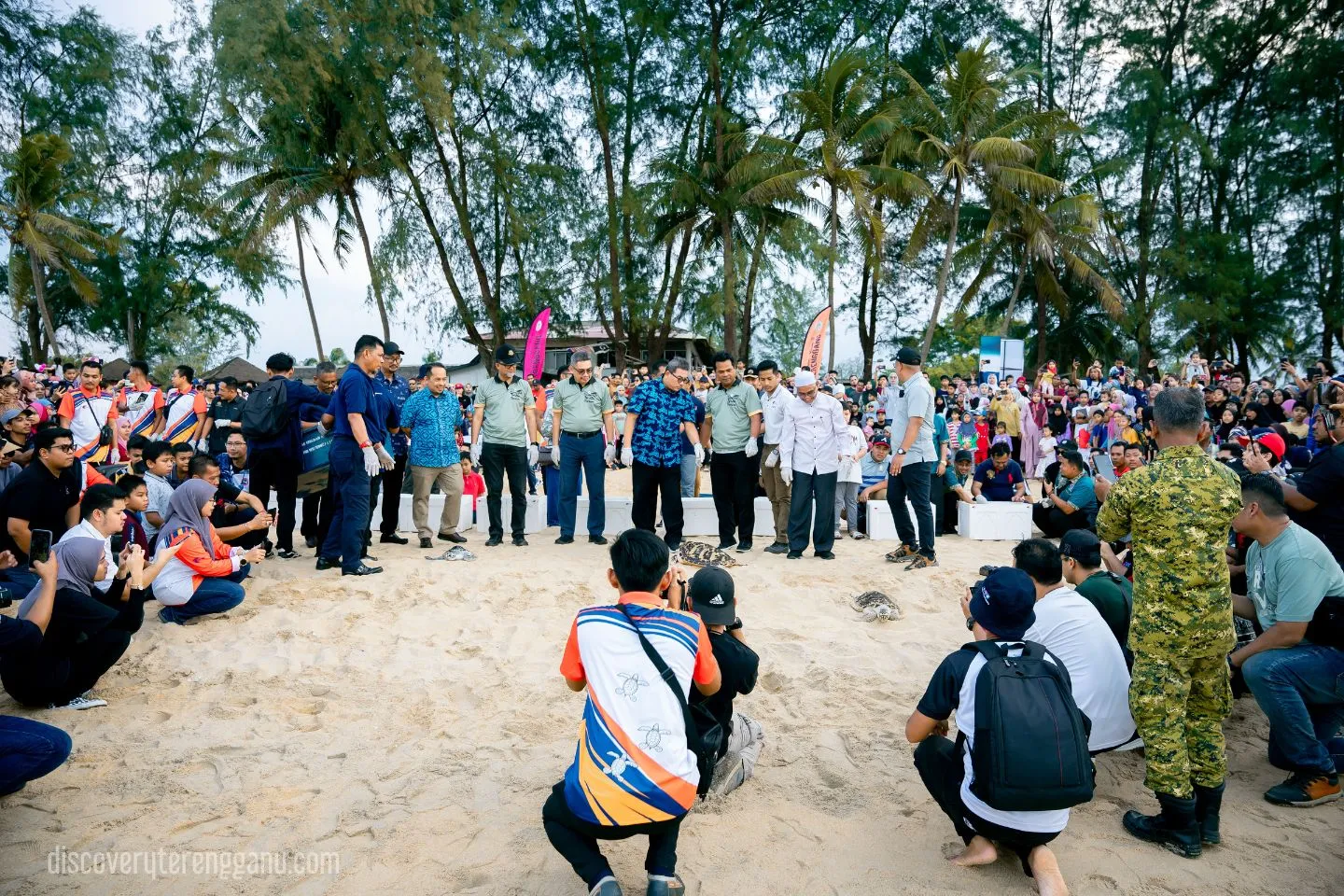
Four turtle species come ashore on Terengganu's beaches. This is the story of the marine treasure that has become a symbol of the state, from Rantau Abang to Redang Island.
Turtles are an important symbol of the state of Terengganu and one of the nation's priceless treasures. Their presence not only represents the beauty of nature but also highlights the importance of marine life conservation.
It is no wonder that Terengganu is known around the world for beaches that are a major site for turtles to come ashore and lay their eggs.
From Rantau Abang Beach, famous since long ago, to beautiful islands such as Redang Island, turtles have made Terengganu a key stopover destination.
This natural phenomenon has made the state a magnet for visitors who want to witness for themselves the wonder of turtles coming ashore.

Video: [INFOGRAFIK] Turtle Species in Malaysia — credit to the video owner Astro AWANI.
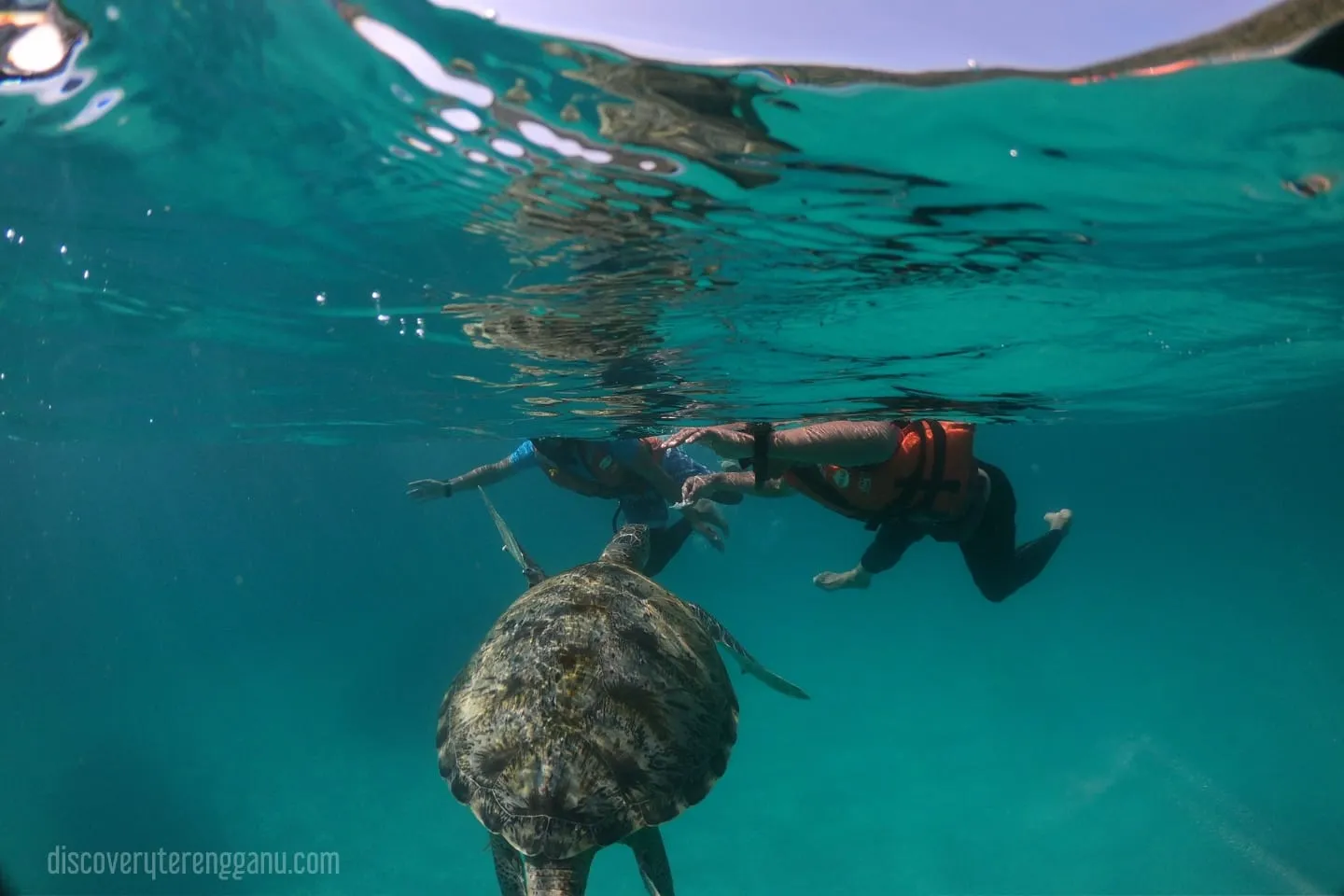
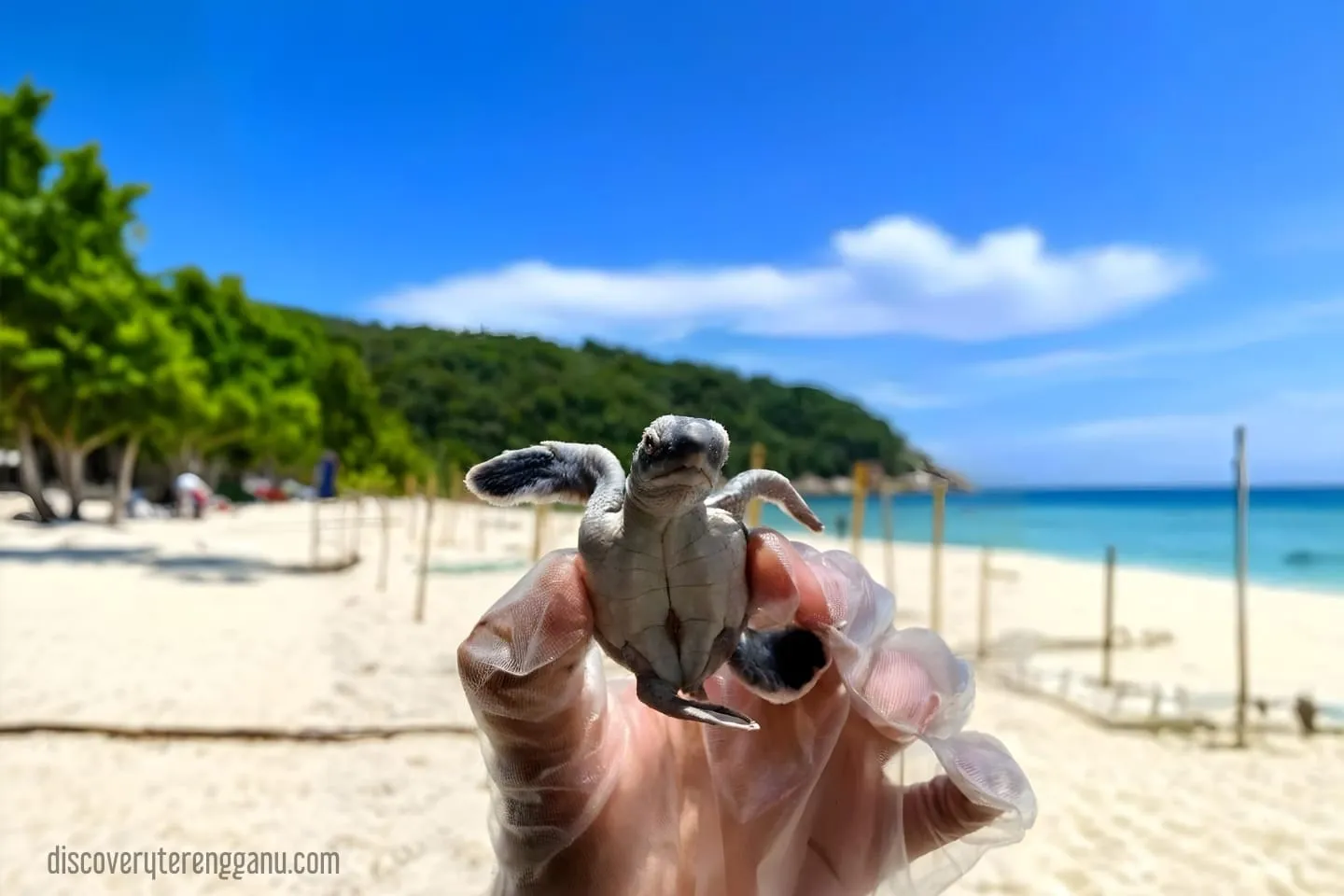
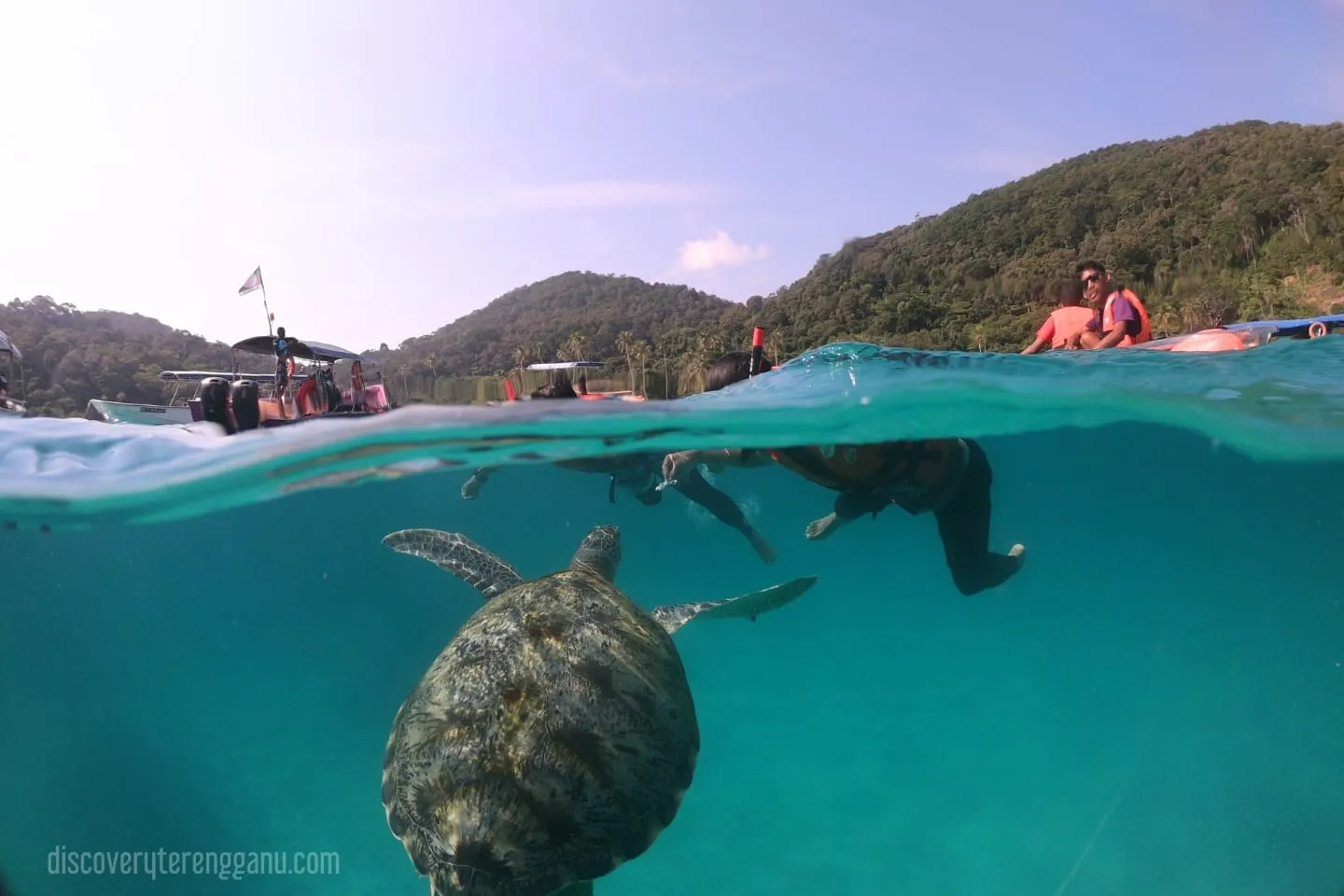
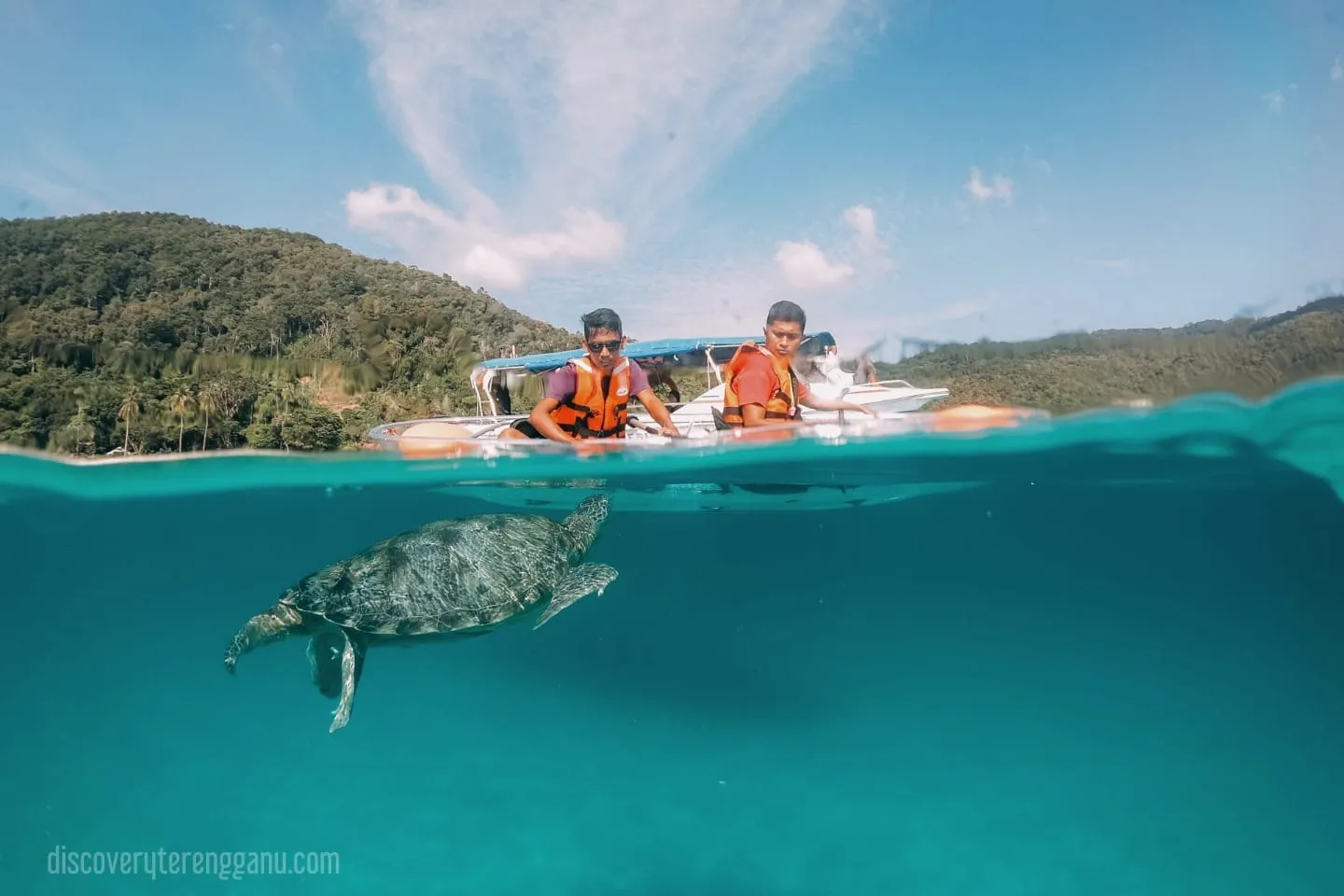
Redang Island is among the most active turtle nesting sites in Terengganu. Its clear waters also make it easy for visitors to watch turtles swimming freely in their natural habitat.
For this reason, every visit to these beaches and islands should be made with great responsibility so that turtles continue to return comfortably every season.
Turtles have natural qualities that make them a highly valuable natural treasure. One of their unique traits is their long maturation period of between 20 and 50 years before they are ready to lay eggs.
Even more interesting, turtles are known for the phenomenon of natal homing that is, the migration back to the place where they hatched to lay their own eggs. Every season, females return to the same beach, making the coastline a vital location in their life cycle.
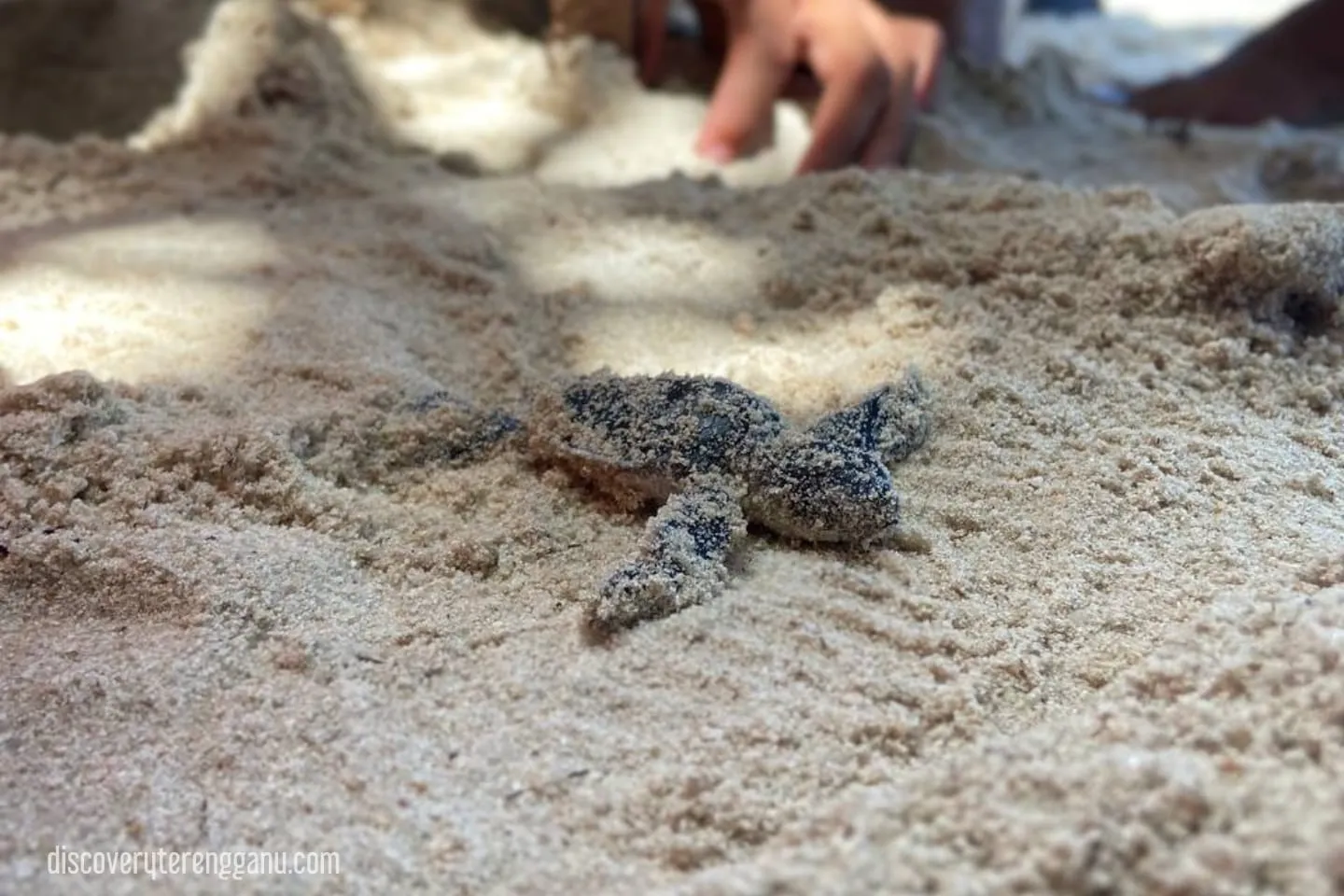
Besides their migratory journeys, turtles are also unique in how the sex of their hatchlings is determined. Sand temperature plays an important role, with higher temperatures tending to produce females and lower temperatures producing males.
Sex differences can also be identified in adult turtles, as males have longer tails than females. Interestingly, females are very loyal to their nesting sites, usually choosing areas near old nests to ensure the survival of future generations.
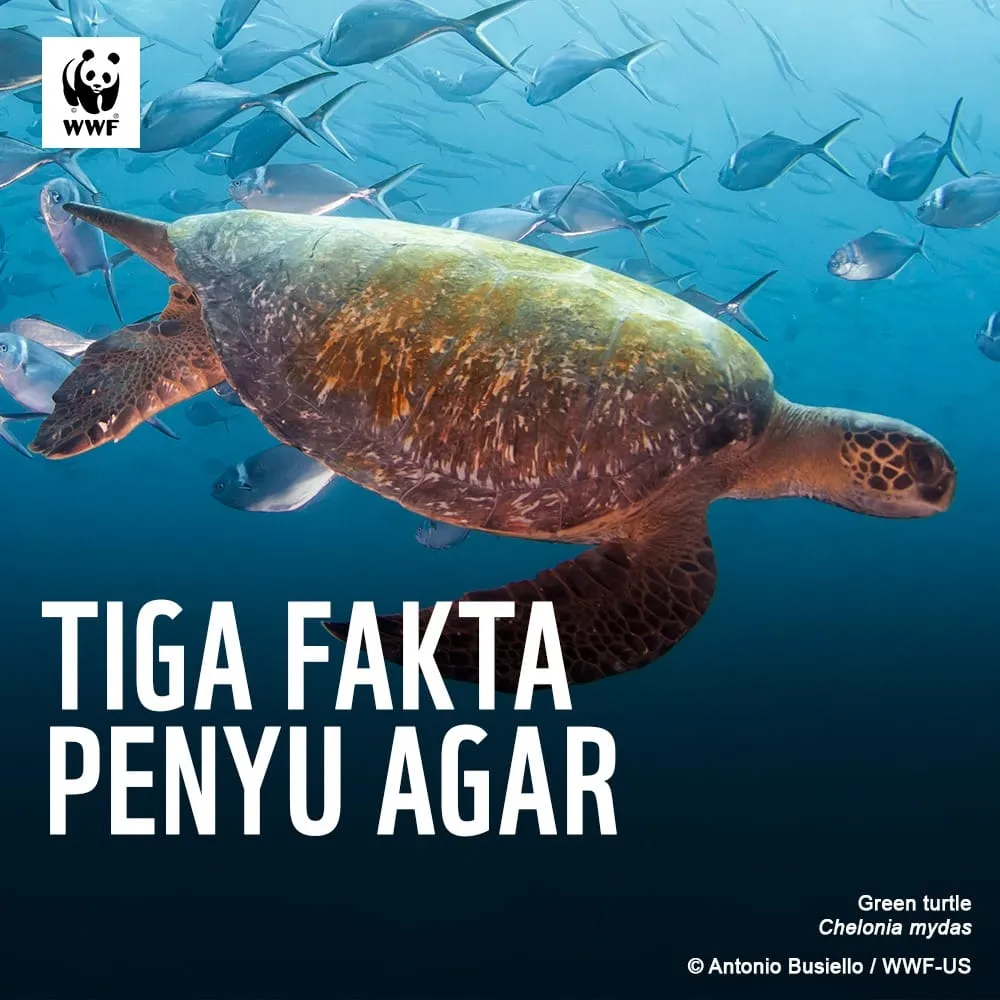
Chelonia mydas
Green Turtle. The species that nests most often on Terengganu's beaches.
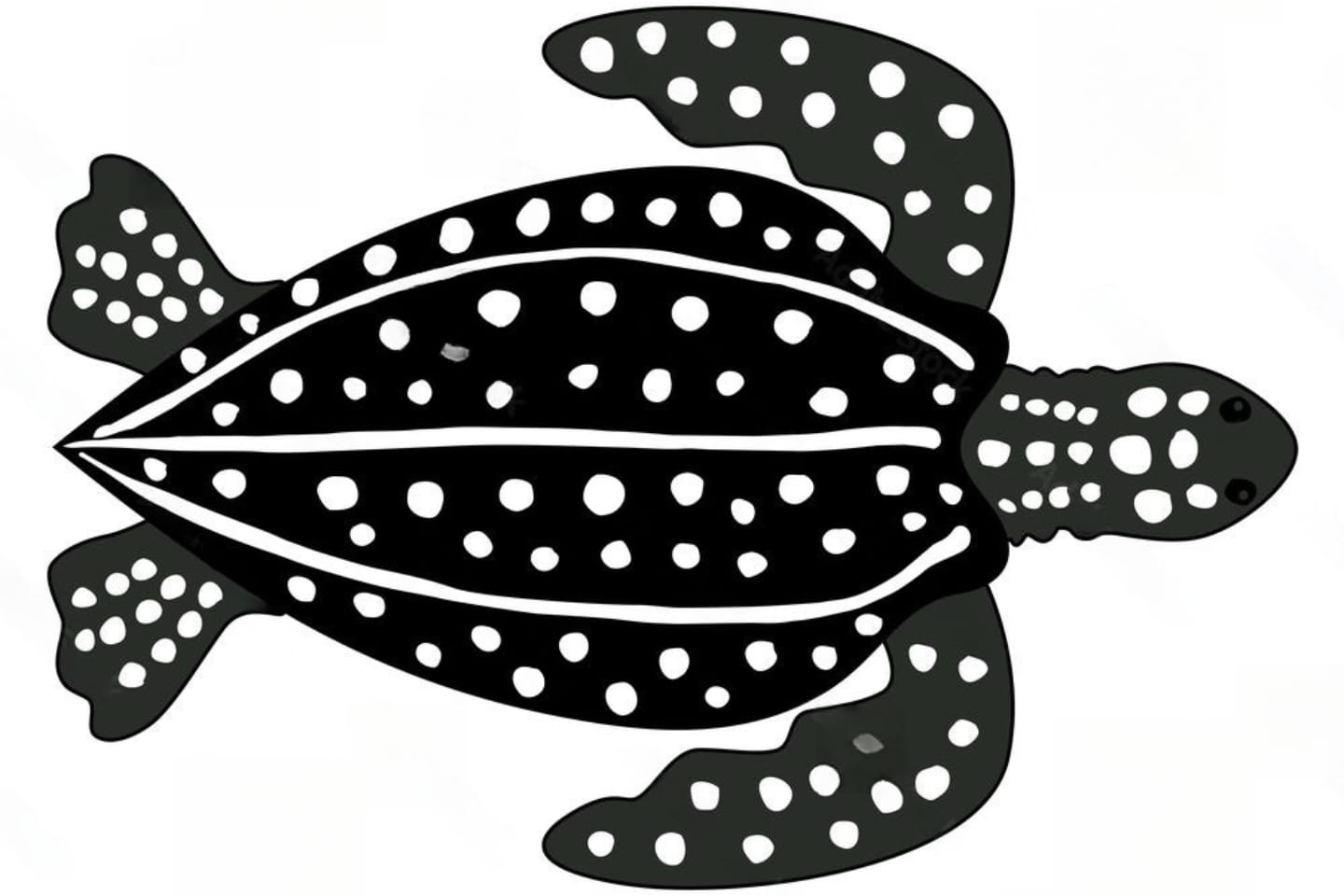
Dermochelys coriacea
Leatherback Turtle. The largest turtle in the world.
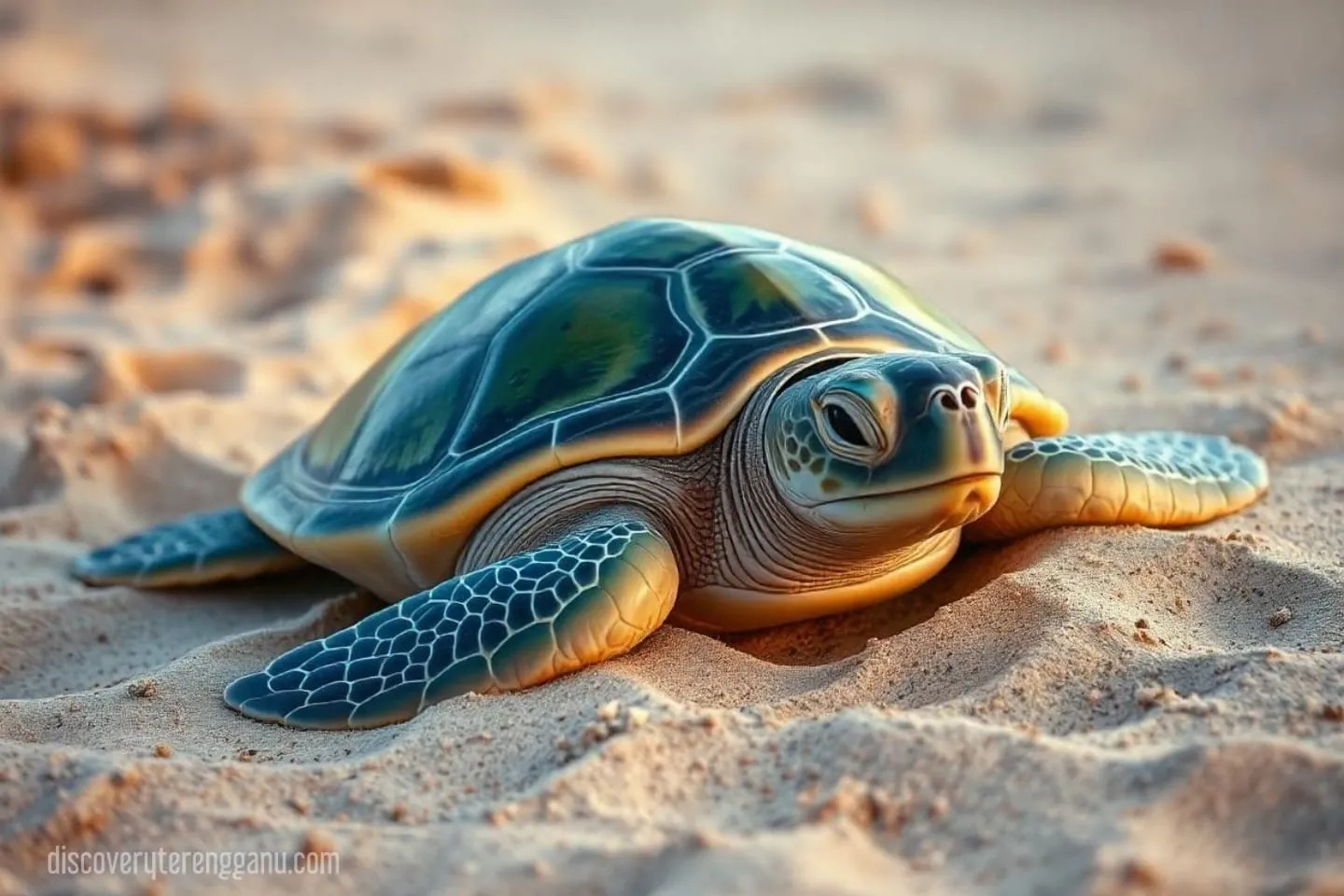
Lepidochelys olivacea
Olive Ridley Turtle. Known for the arribadas phenomenon.
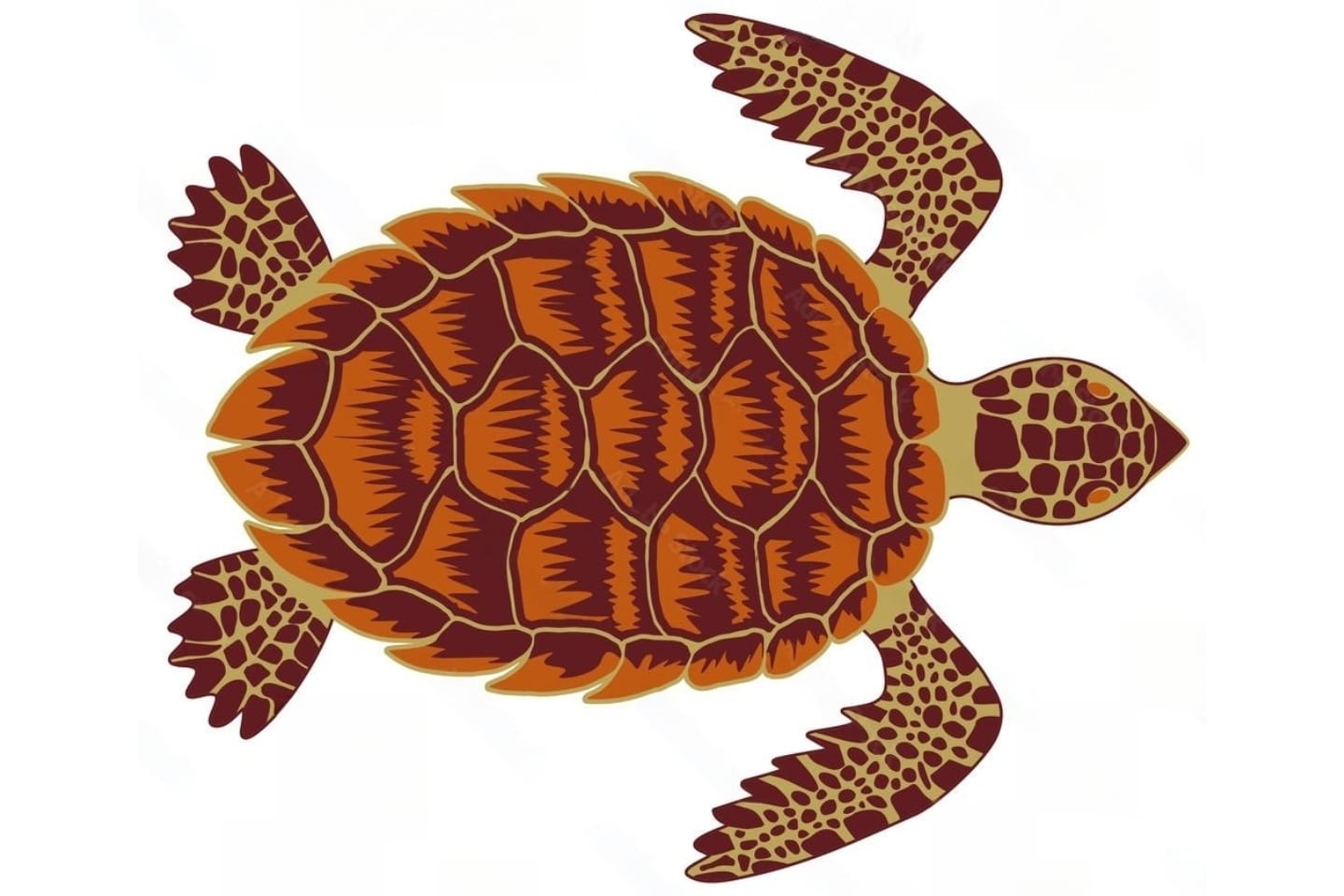
Eretmochelys imbricata
Hawksbill Turtle. Considered the most beautiful turtle.
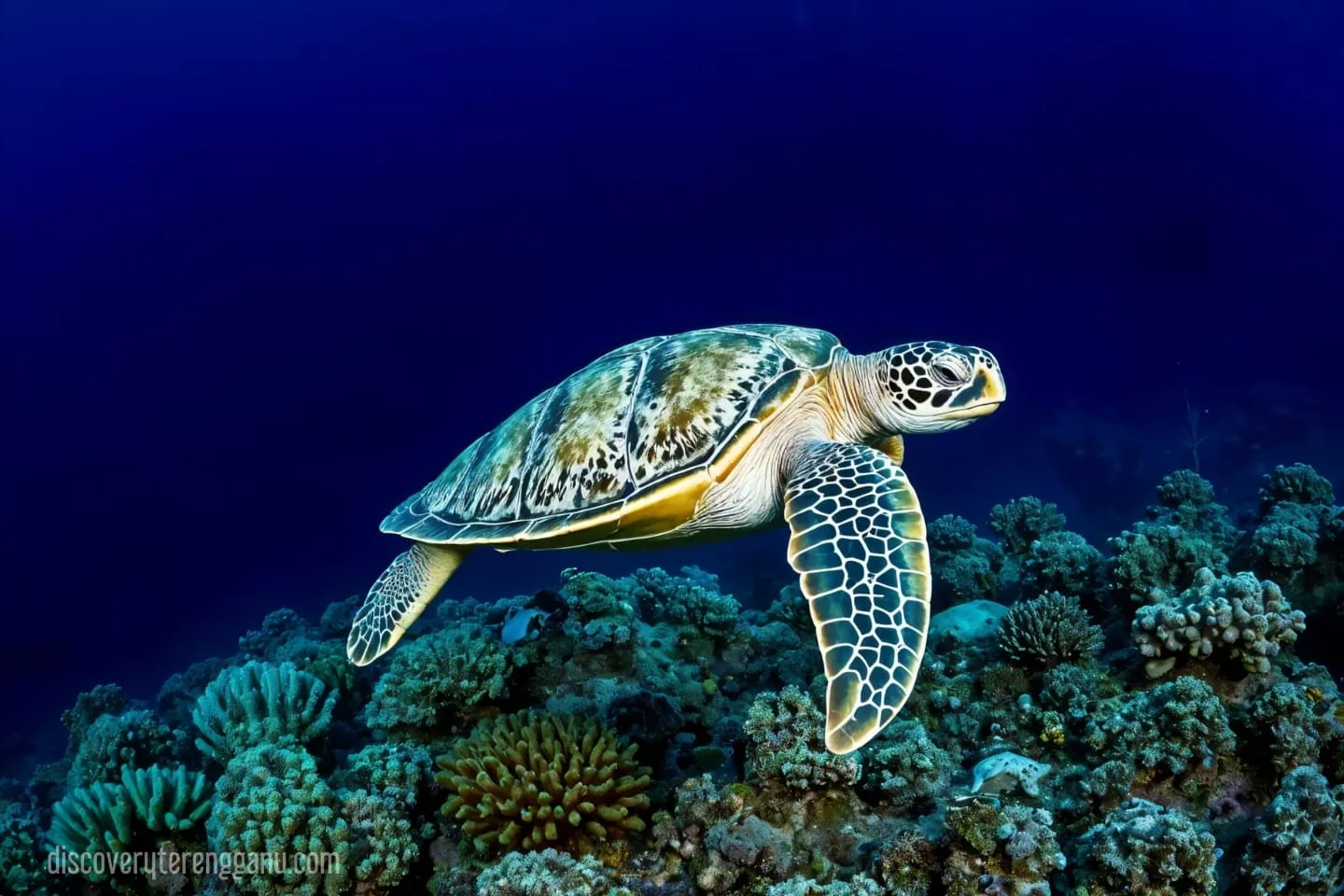
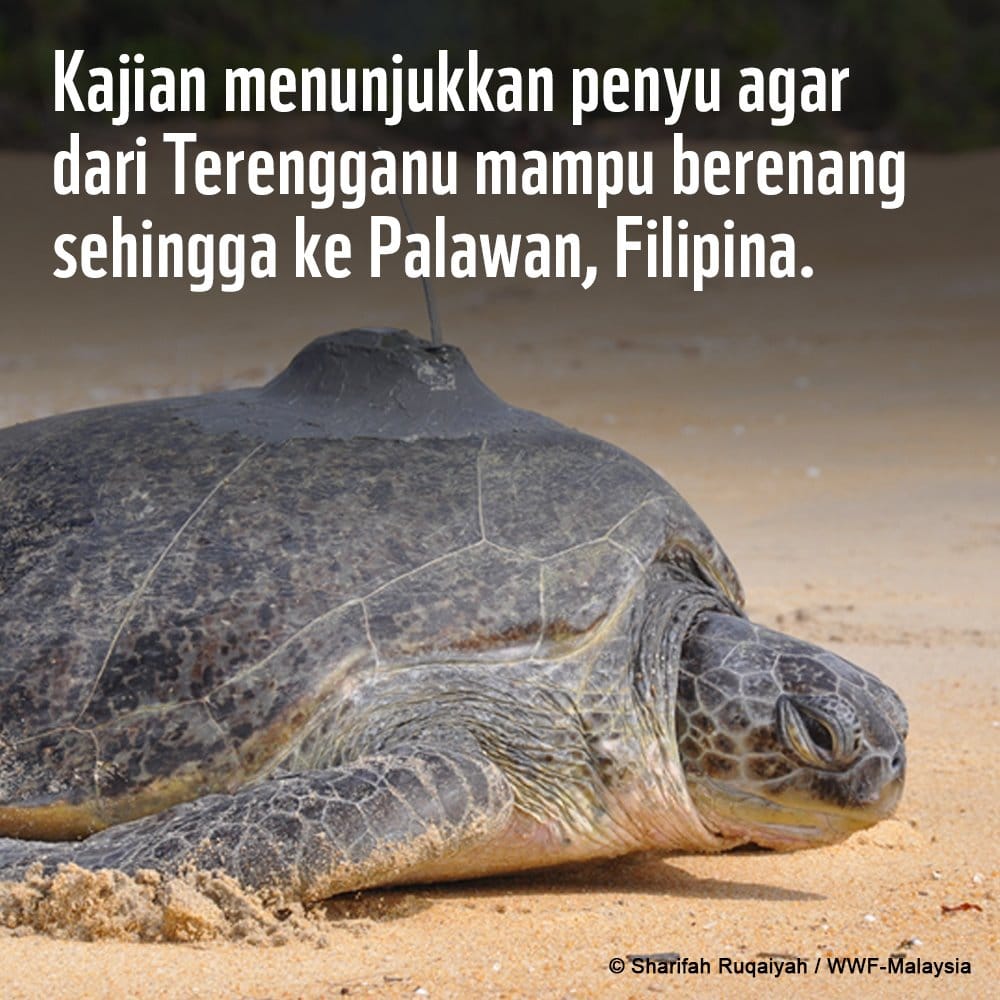
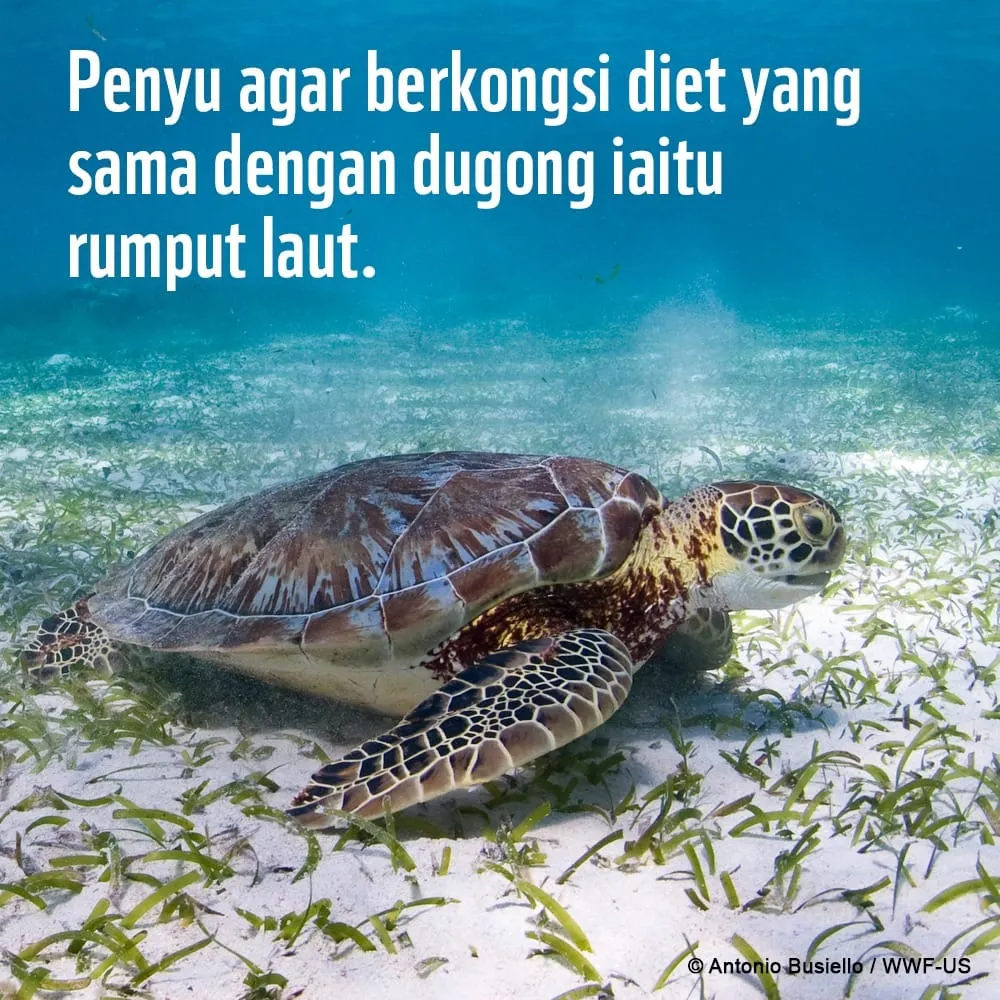
The Green Turtle is the species that nests most often on Terengganu's beaches, particularly on Redang Island. Green Turtles are believed to help improve the health of seagrass and the surrounding microhabitats.
They graze on the upper part of the seagrass blades without disturbing the roots, which helps the seagrass grow faster and healthier. Their nesting season runs from March to September.
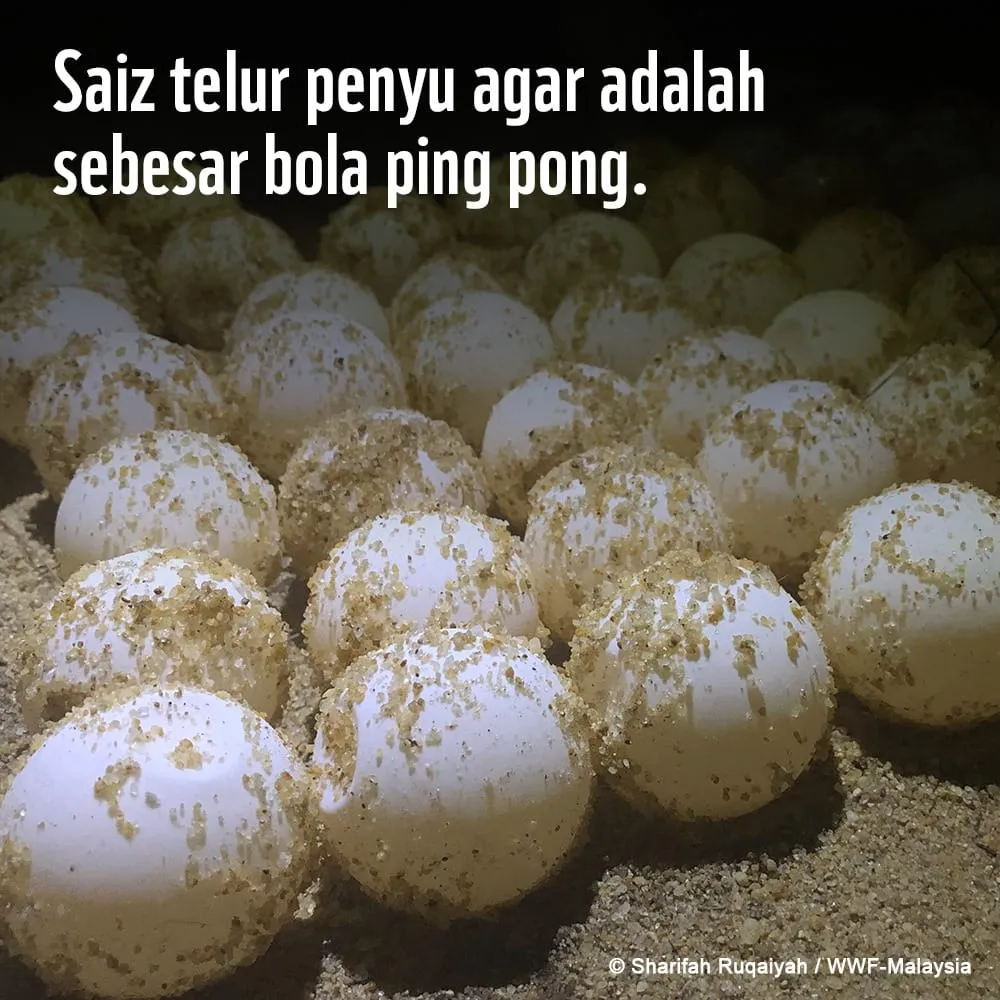
Green Turtles nest 3 to 5 times each season, with an average of around 115 eggs per nest. The eggs need about 2 months of incubation before hatching. Females prefer to nest on open sandy beaches.
Green Turtles reach maturity at around 25 to 35 years of age and are estimated to live for at least 70 years. Hatchlings spend time in the open ocean before returning to coastal habitats as adults.
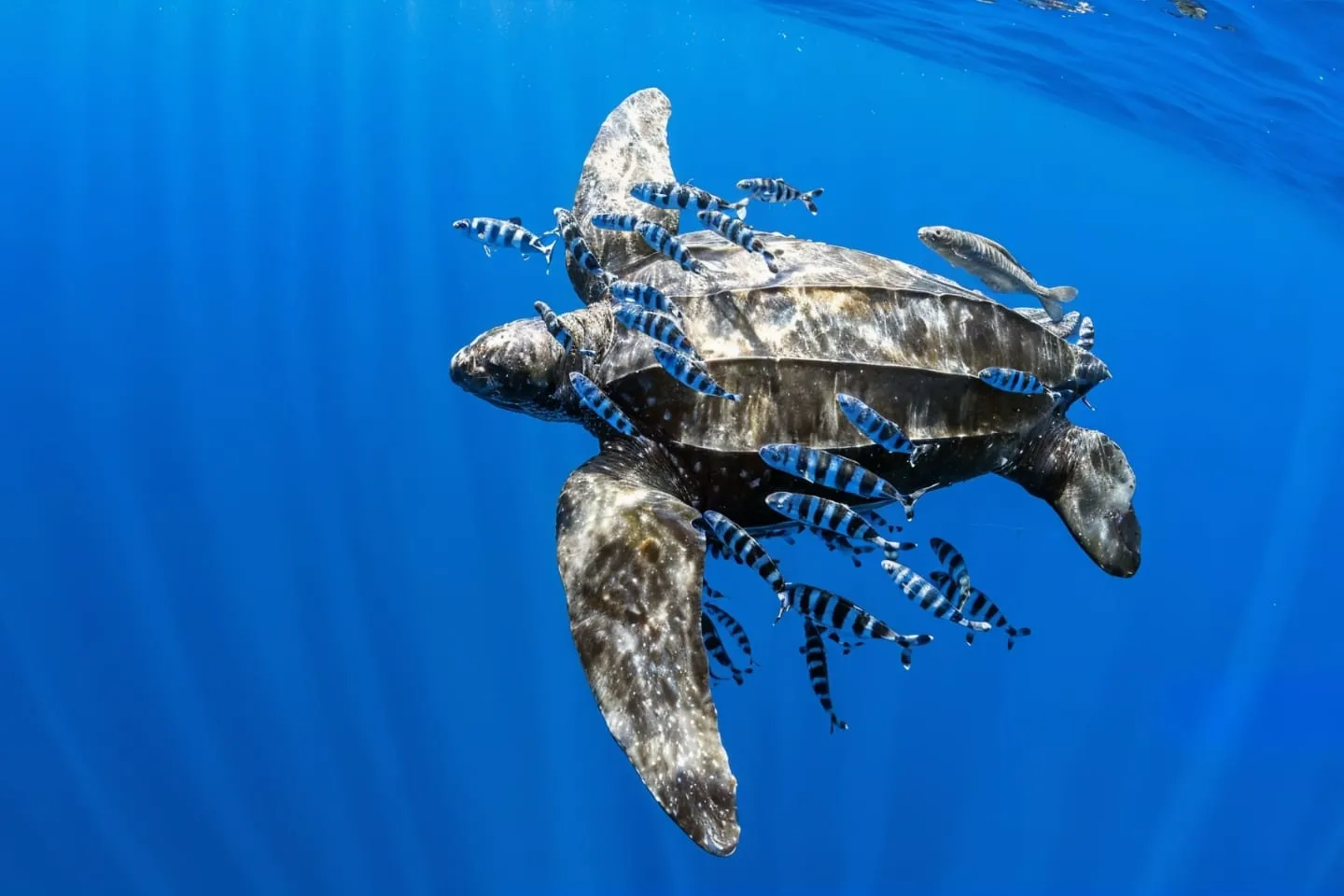
Rantau Abang, Terengganu was once famous as a place to see the Leatherback Turtle, the largest turtle in the world, said to be as big as a Kancil car, with a length of up to 8 feet and a weight of as much as 900 kg.
The Leatherback Turtle is the oldest turtle species, having existed for more than 150 million years and survived the extinction of the dinosaurs, but it now faces threats from humans. Its soft and unique shell makes it special.
Leatherback Turtles grow faster than hard-shelled turtles and are expected to live for around 45 to 50 years or more. They reach maturity at 9 to 20 years of age. Females nest on tropical beaches every 2 to 4 years, at night. They lay around 100 eggs per nest, and the eggs hatch after 2 months.
This turtle migrates over long distances and can swim more than 10,000 miles a year. It can dive to depths of up to 4,000 feet for 85 minutes and feeds on prey such as jellyfish using its sharp jaws and the spines in its mouth.
Olive Ridley Turtles nest in groups in a phenomenon known as arribadas, in which thousands of females lay their eggs simultaneously. This phenomenon is said to be influenced by changes in the weather, the lunar cycle and the tides.
This turtle lives mainly in the open ocean (pelagic) but can also be found in continental coastal areas, bays and river estuaries.
Olive Ridley Turtles reach sexual maturity at around 15 years of age. Although less common in Terengganu, this turtle can still be seen on certain stretches of coast.
Olive Ridley Turtles nest en masse in arribadas, in which thousands of females lay their eggs simultaneously over a few days or weeks. Each season, they nest 1 to 3 times with around 100 eggs per nest, which hatch after an incubation period of 2 months.
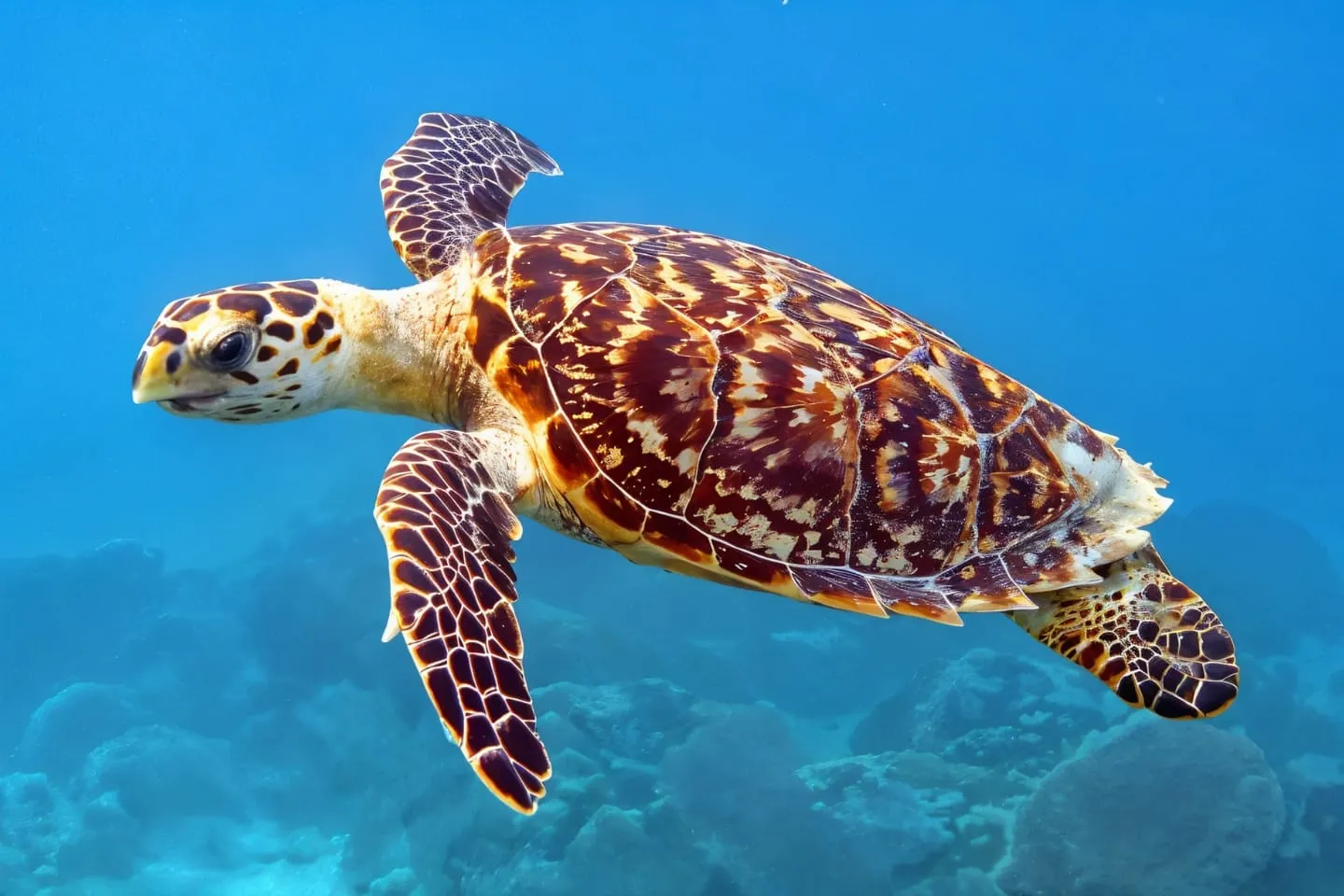
Hawksbill Turtles mature at 20 to 35 years of age and are expected to live for 50 to 60 years. Their population has declined by more than 80% over the past century due to the trade in their beautiful shells for jewellery and decorative items.
This turtle nests 3 to 5 times in a season, with each nest holding up to 200 eggs. The eggs hatch after 2 months of incubation, and females usually choose vegetated beaches to nest in the shade.
The Hawksbill Turtle has a tapered head and a sharp beak like an eagle's. This makes it easy for it to find food in the crevices of coral reefs, and it feeds almost entirely on sea sponges.
Considered the most beautiful turtle because of its colourful shell, the Hawksbill Turtle lives on coral reefs, rocky areas, lagoons, mangrove forests, oceanic islands and shallow coastal waters in the tropics.
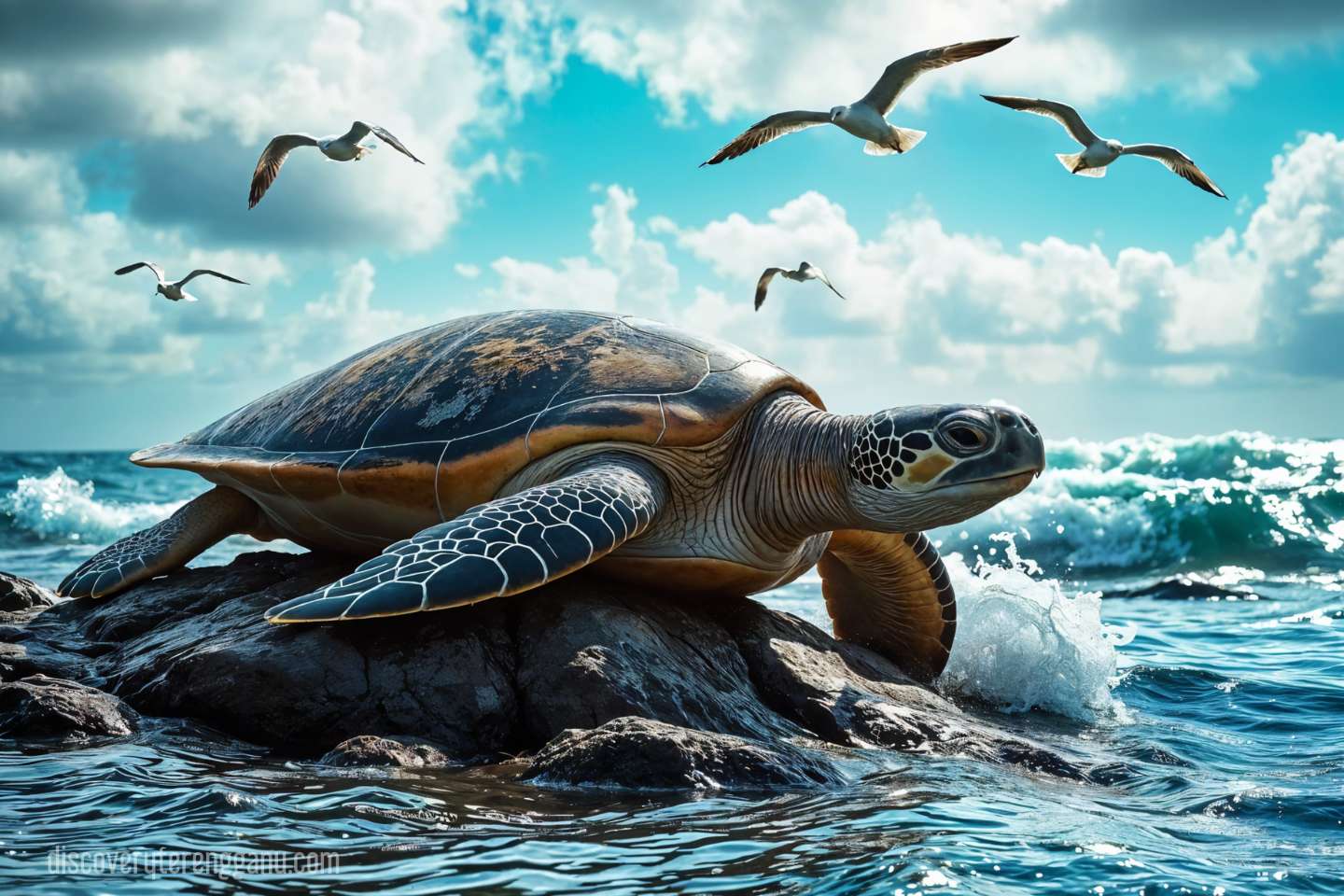
Although turtles are an amazing marine species, they now face a range of threats that affect their survival. Among the main factors are marine pollution, accidental capture in fishing gear (bycatch), as well as uncontrolled tourism activities in coastal areas.
More worryingly, tree felling and coastal development have disrupted the turtles' natural habitat, leaving fewer and fewer nesting sites from year to year.
The Leatherback Turtle is among the most threatened turtle species in Terengganu, as its habitat is frequently disturbed and it faces the problem of illegal egg collection. Although laws have been enforced to prohibit the sale of turtle eggs, demand within the community remains high, posing a serious threat to the survival of this species.
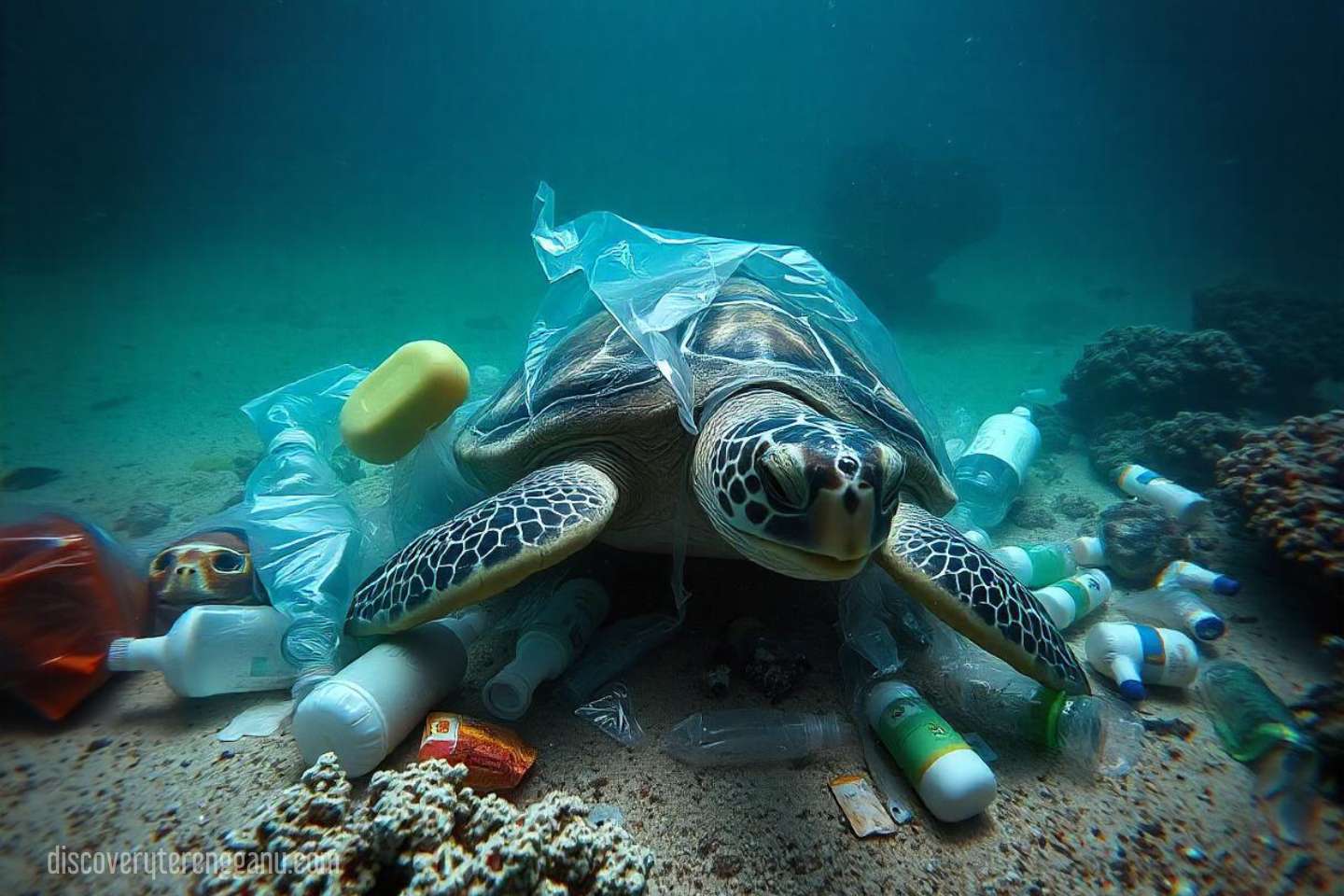
Plastic waste and chemical pollution threaten turtle habitats, as turtles often become entangled in plastic or swallow it, mistaking it for food.
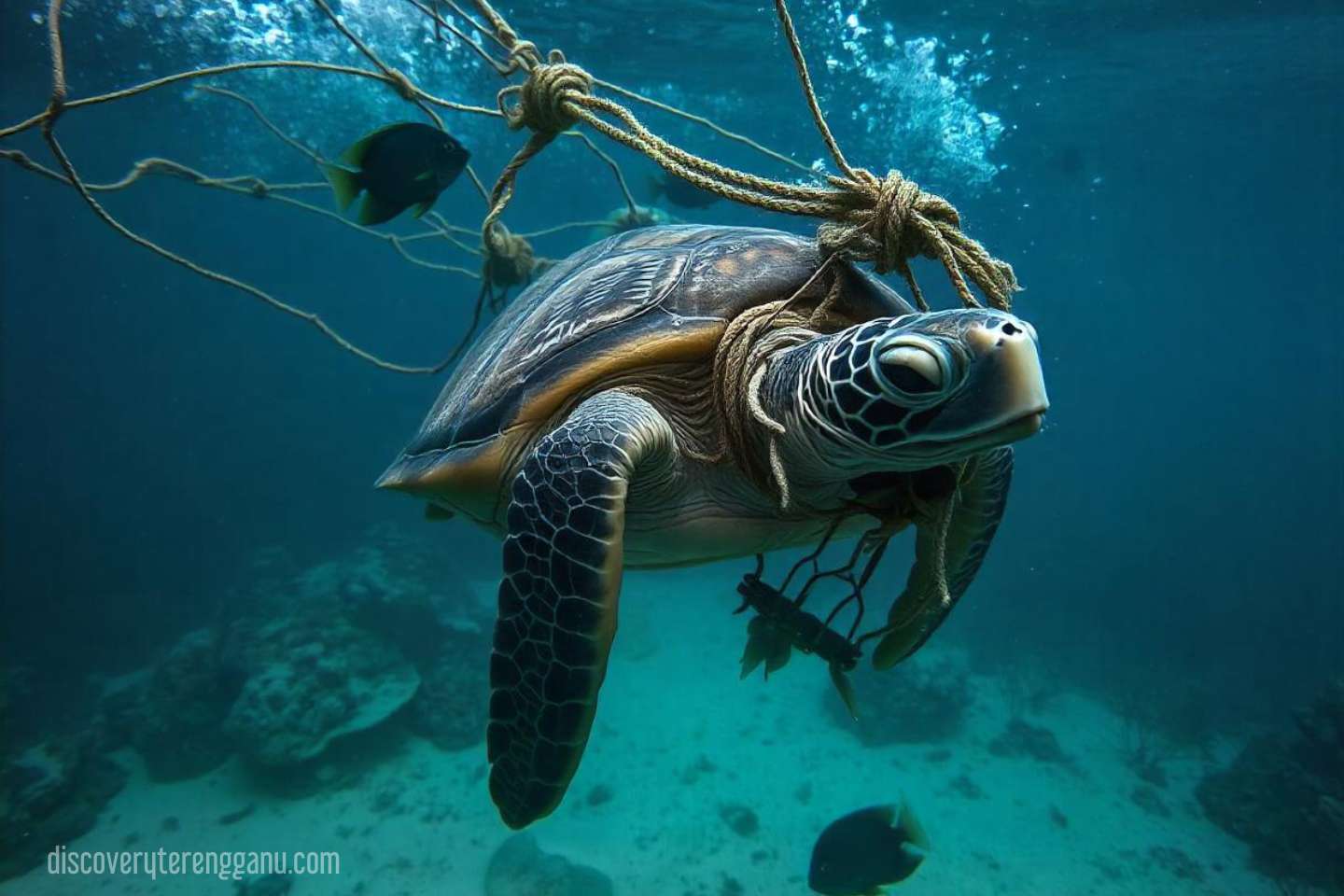
Turtles are often caught in fishing nets or struck by fishing gear, which can cause serious injury or death.
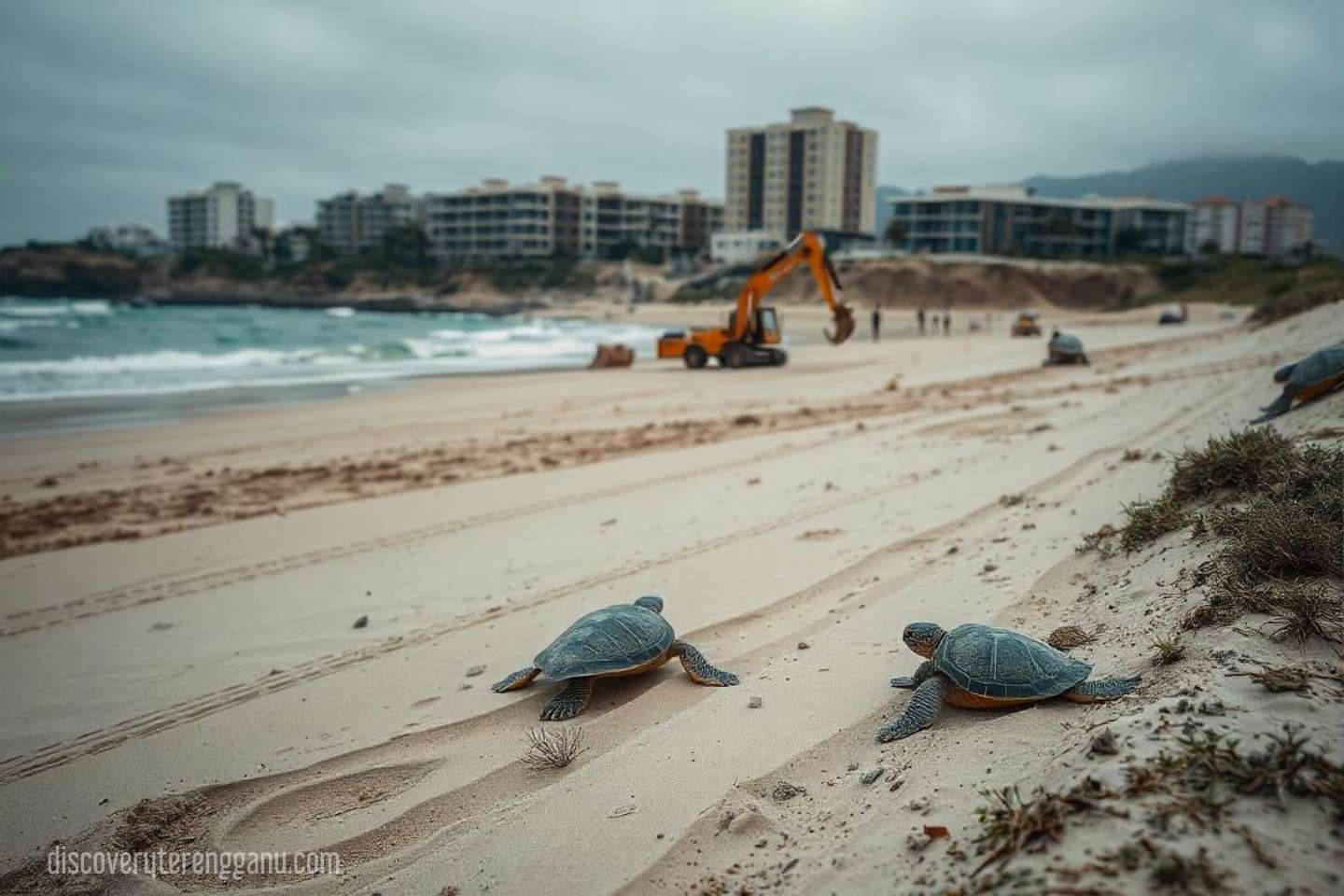
Development of coastal areas for tourism and housing destroys turtle nesting habitats and disrupts their natural breeding cycle.
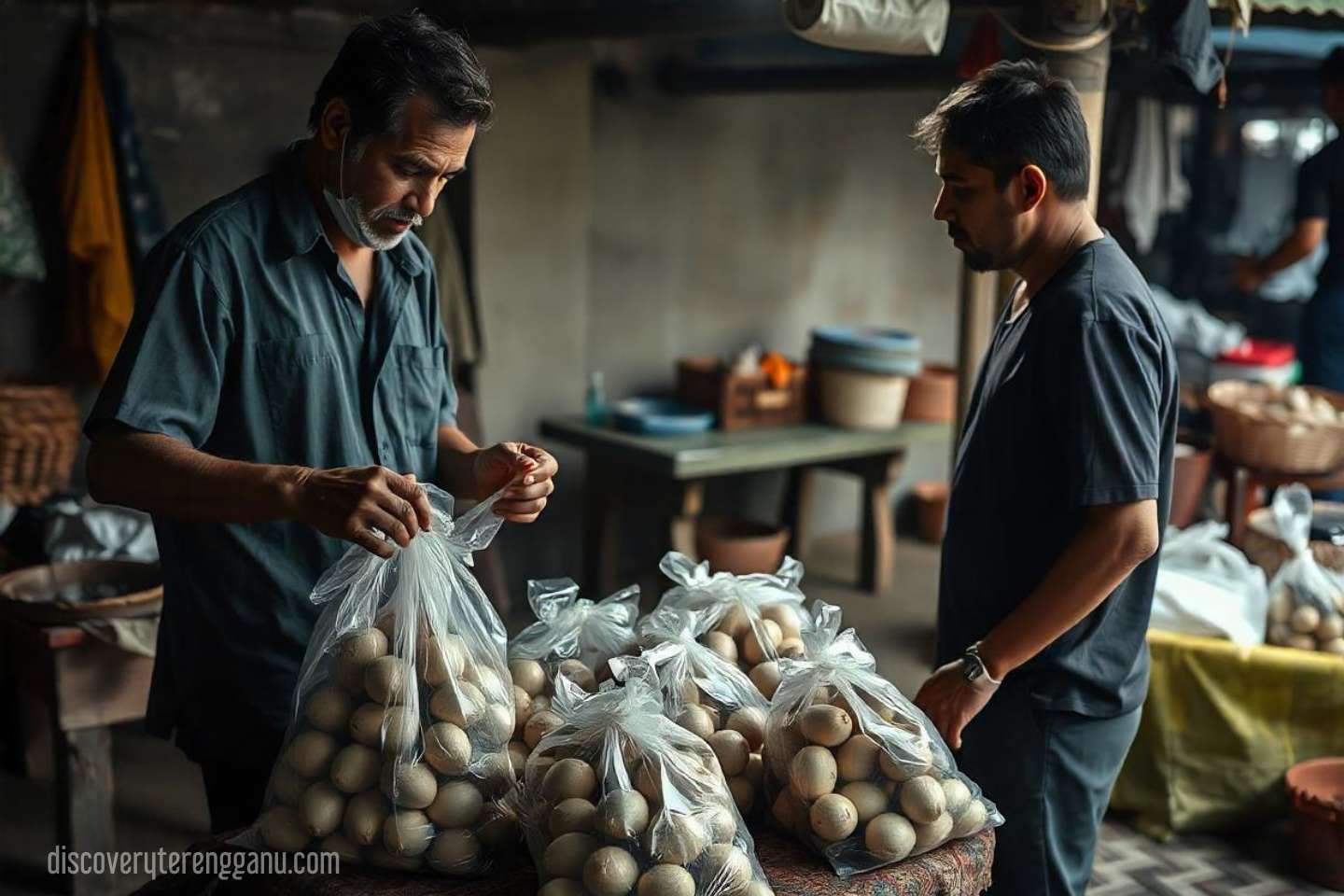
Although it is prohibited, turtle eggs are still sold illegally and regarded as an exotic food, reducing the chances of turtles continuing to breed.

Video: Thanks to the MCO, Turtles Return to Batu Buruk Beach — credit to the video owner ML Studios.
During the Movement Control Order (MCO), the absence of people on the beaches gave turtles the space to return to their original habitats, including Batu Buruk Beach in Kuala Terengganu.
This phenomenon proves that when human disturbance is reduced, turtles are bolder about coming ashore and laying their eggs as they did in the past.
This situation underlines how important it is to preserve beach ecosystems and control human activity to ensure turtles continue to live, breed and thrive safely on Terengganu's beaches.
The Terengganu government, together with non-governmental organisations (NGOs) and local communities, has carried out various conservation programmes to protect turtle species.
Turtle eggs are moved to safe hatcheries to increase hatching rates and protect the eggs from predators.
Information centres and educational programmes in tourist areas raise visitors' awareness of the importance of protecting turtle habitats.
Key beaches such as Rantau Abang and Redang Island are monitored during the nesting season to prevent disturbance by visitors and development that could threaten the turtles' breeding process.

Plastic waste in the sea and on beaches must be reduced, as turtles often swallow plastic, mistaking it for food, which can be fatal. Regular beach clean-ups can help reduce this risk.
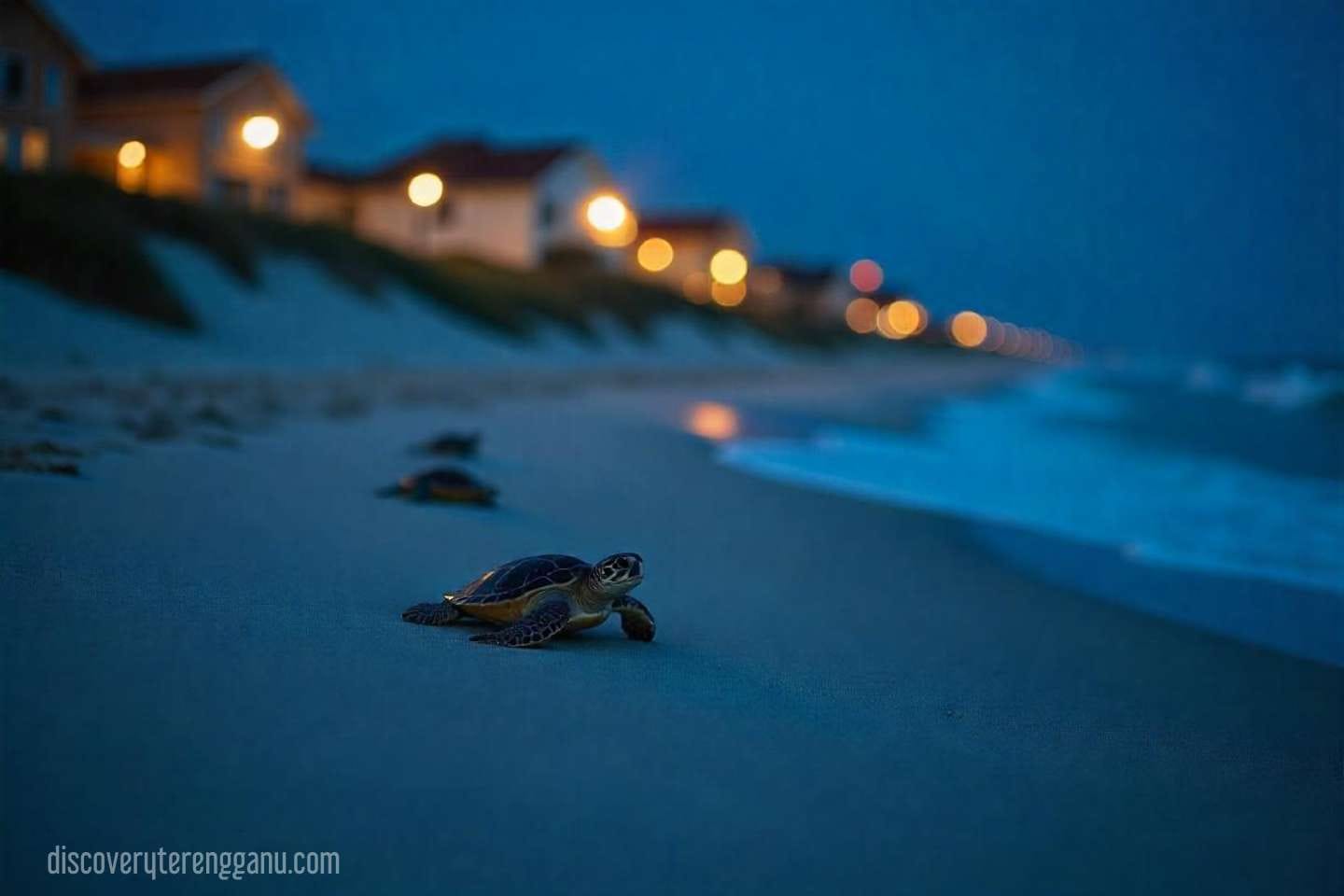
Artificial light around beaches can confuse newly hatched turtles. Reducing lighting at night during the nesting season helps them head safely to the sea.
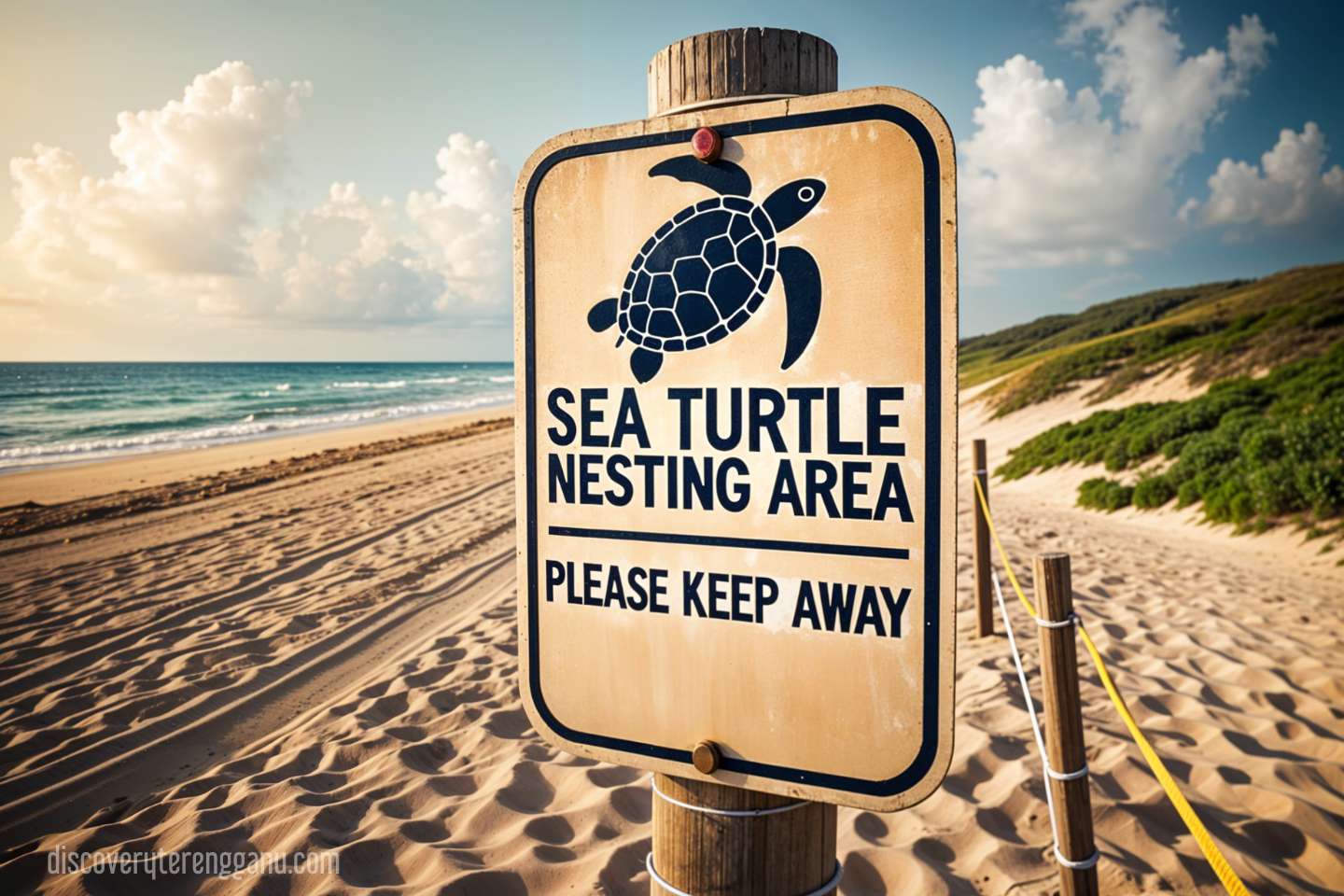
Beaches where turtles come ashore to nest must be protected from development that could damage their habitat. This includes protecting beaches from excessive tourism activity, especially during the turtle nesting season.
These initiatives are an important step in ensuring that turtles remain safe and their habitats protected in Terengganu.
Located in Kerteh, this centre is run by WWF Malaysia together with the government and Petronas. It focuses on the conservation of the Green Turtle and the Hawksbill Turtle.
View Location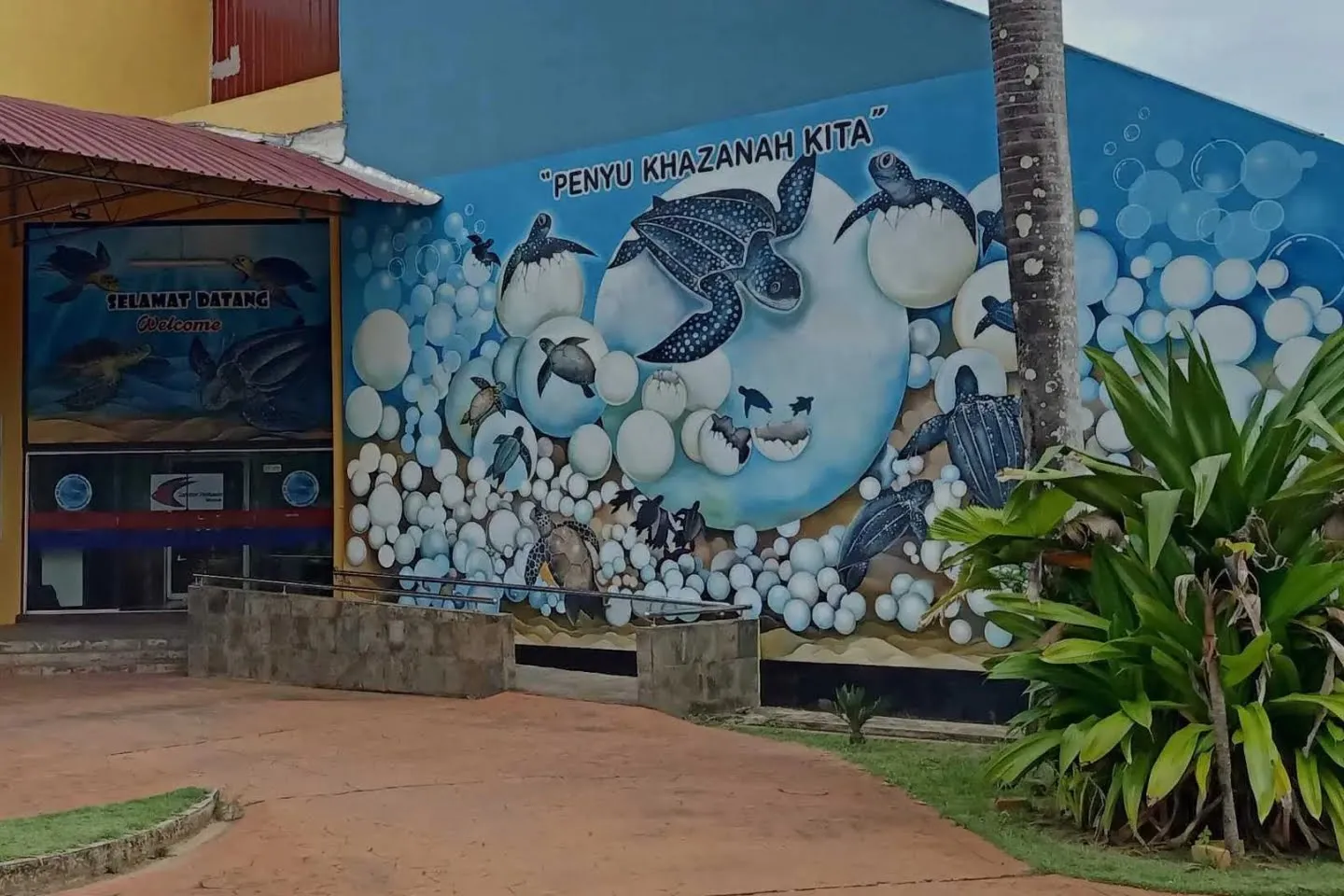
Rantau Abang is renowned as a historic turtle hatching area in Terengganu. This centre plays an important role in the conservation of the Leatherback Turtle.
View LocationTurtles are no ordinary animals. They are an extremely precious natural heritage.
However, turtle numbers are falling due to pollution, development and human activity. Conservation efforts must therefore be strengthened so that turtles remain a symbol of the state's pride and can be passed on to the next generation.
An initiative by Resorts World Kijal in collaboration with the Terengganu State Fisheries Office. Tap to play the video.
The highlight event of the Terengganu Turtle Tourism Promotion Campaign. Tap to play the video.
Turtles in Terengganu not only add to the state's tourism appeal but are also part of an important marine ecosystem. Their unique traits, from their long maturation period to their ability to return to their natal beaches, make them a species to be cherished.
Let us therefore work together to protect and preserve these turtle species so that future generations will also have the chance to witness the beauty of turtles on Terengganu's beaches.
Make Terengganu a sustainable destination for turtles, because protecting nature is our shared responsibility.
The east wind brings the news,
The rolling waves, a lovely sight,
The turtle, emblem of our beloved land,
A natural heritage that lasts forever.
Help spread awareness about turtle conservation in Terengganu.