




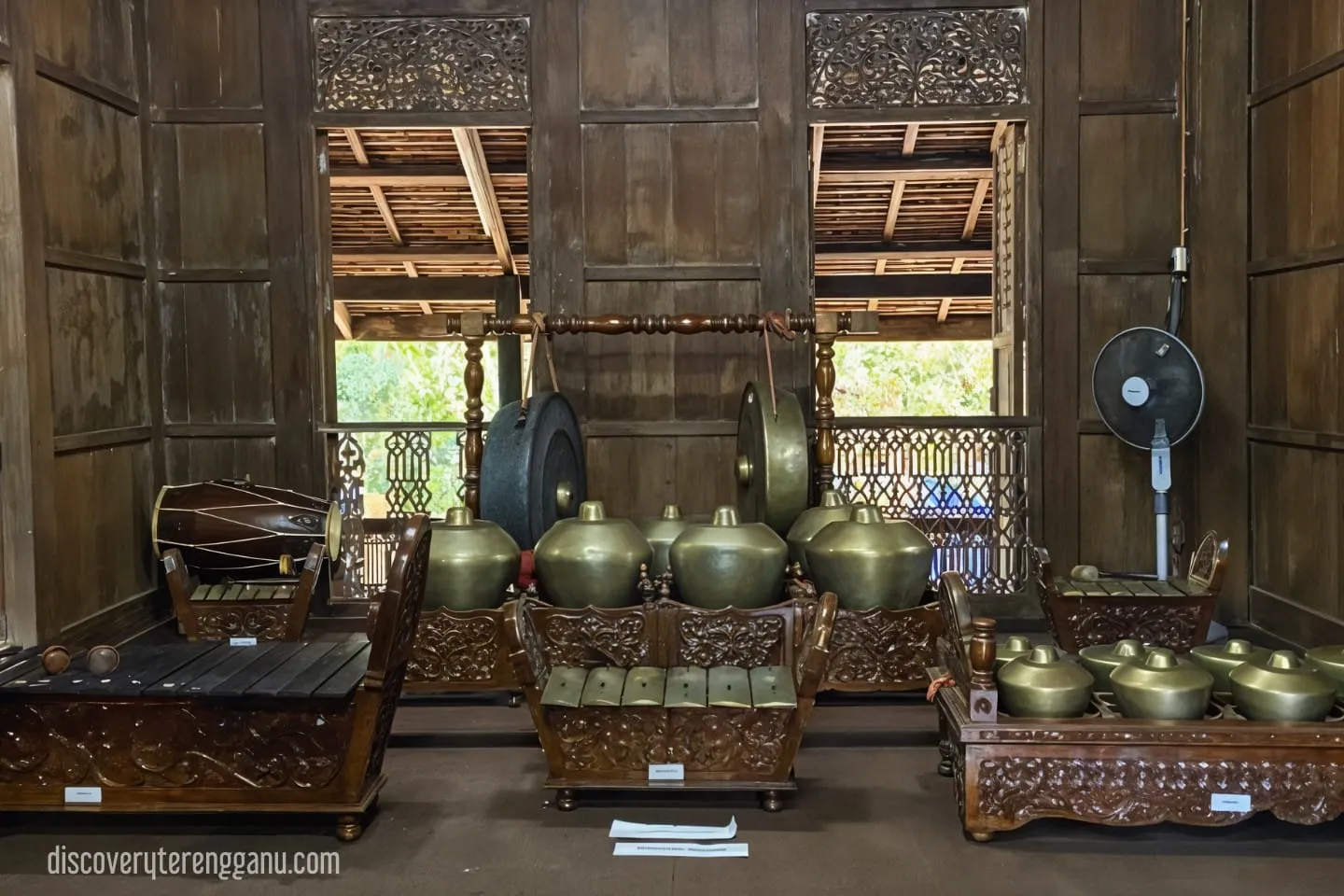
Imagine the jingling of metal blending with the ring of a large gong, forming a beautiful rhythm that evokes the timeless beauty of traditional art. This is the magic of gamelan, a musical ensemble that not only brings festive occasions to life but is also the pulse of Malay cultural heritage. From the palaces of Terengganu to modern performances, gamelan remains a symbol of artistic refinement and national identity. Let us appreciate the uniqueness of this traditional musical instrument, so full of history and beauty, connecting us with cultural roots that are so rich and meaningful.
YouTube: ML Studios
The word gamelan comes from the Javanese language, with “gamel” meaning a striking tool, and “bergamel” meaning to play a musical instrument by striking or beating it. Across the Malay Archipelago, gamelan has developed in many regions, including Madura, South Sumatra, Bali and the Malay Peninsula, under different terms such as “gong gamelan” and “tabuhan.”
In the Malay Peninsula, the term gamelan is used specifically for percussion instruments, excluding bowed or wind instruments. Gamelan music is played with a variety of instruments such as bonang, gambang, gong, gendang, and saron, producing a beautiful and enchanting harmony.
Gamelan Terengganu carries influences from Riau-Lingga and entered the state via Johor and Pahang around the 1800s. The development of gamelan in Terengganu is closely linked to royal ties. Sultan Zainal Abidin III, who was captivated by gamelan during his marriage to Tengku Long, brought gamelan instruments and musicians from Riau to Terengganu.
In 1913, relations between Terengganu and Pahang were restored through the marriage of Sultan Sulaiman Badrul Alam Shah to Tengku Ampuan Mariam. Efforts to revive gamelan continued when Tengku Ampuan Mariam brought a gamelan set from Pahang to Terengganu and trained local musicians.
The history of gamelan Terengganu reached its peak in 1936, when the state succeeded in acquiring its own gamelan set from Bali. Sultan Sulaiman and Tengku Ampuan Mariam actively developed this art form, composing as many as 95 gamelan pieces, 60 of which were accompanied by dance.

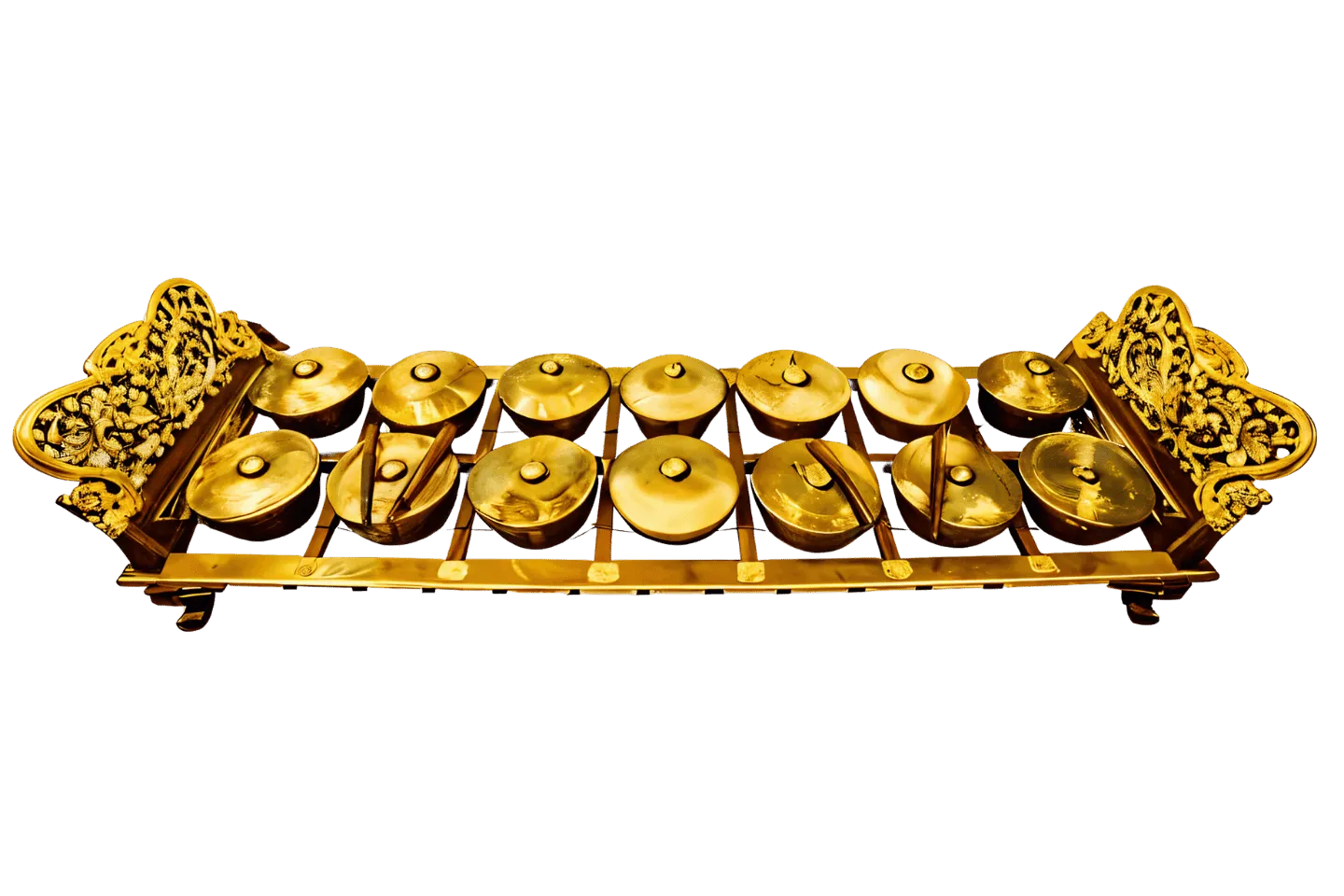
Small gongs arranged in two rows that produce harmonious melodies. The small gongs are struck using two cloth-wrapped mallets. The right mallet strikes the gongs on the right, while the left mallet strikes the gongs on the left. The striking usually begins from the left, following the rhythm of the piece.
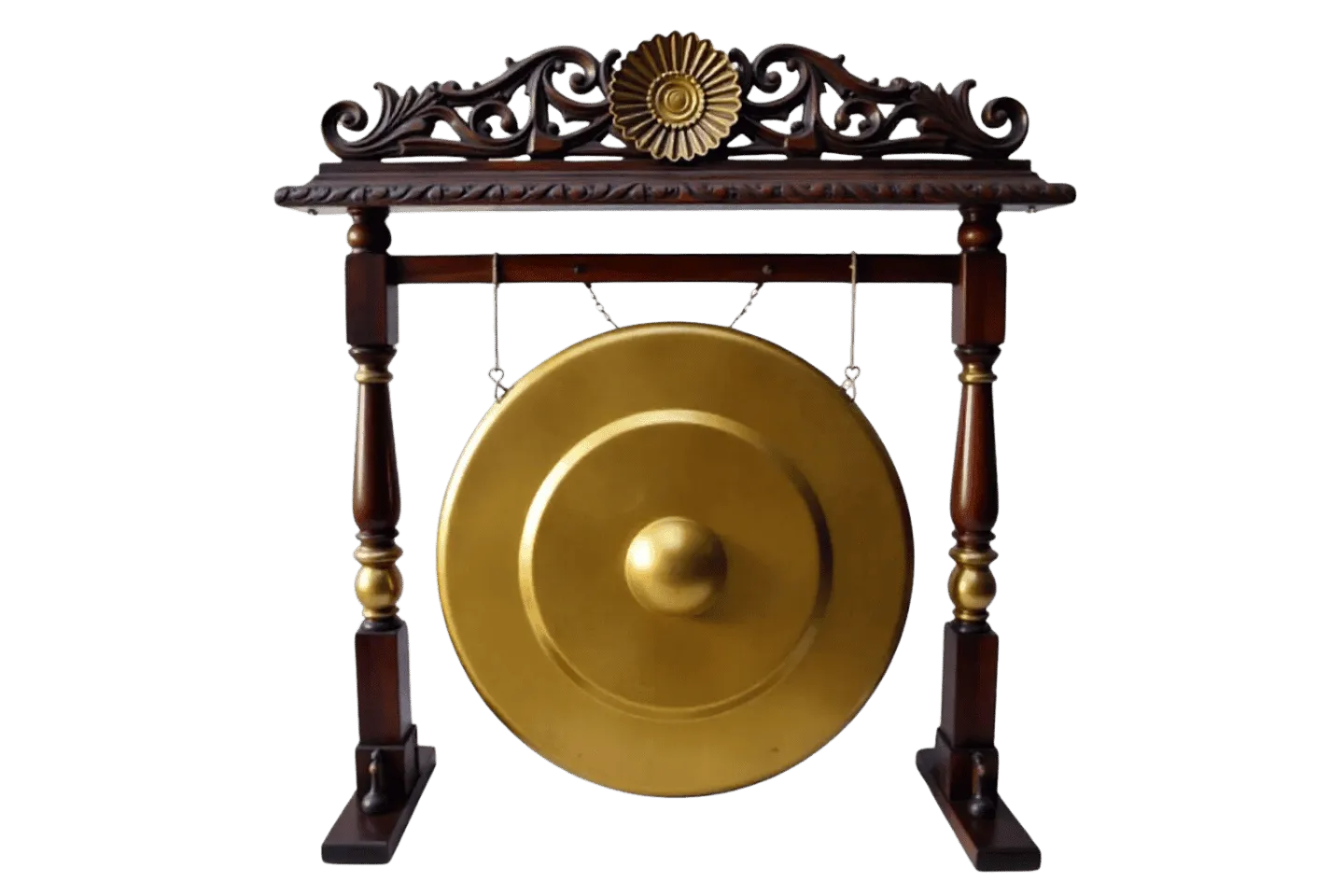
The large gong is the dominant instrument in gamelan, regarded as the "soul" of the performance's rhythm. It is struck with a mallet wrapped in thick cloth to produce a deep, resonant sound. Its role includes marking the rhythm and closing melodic phrases, creating a dramatic effect.
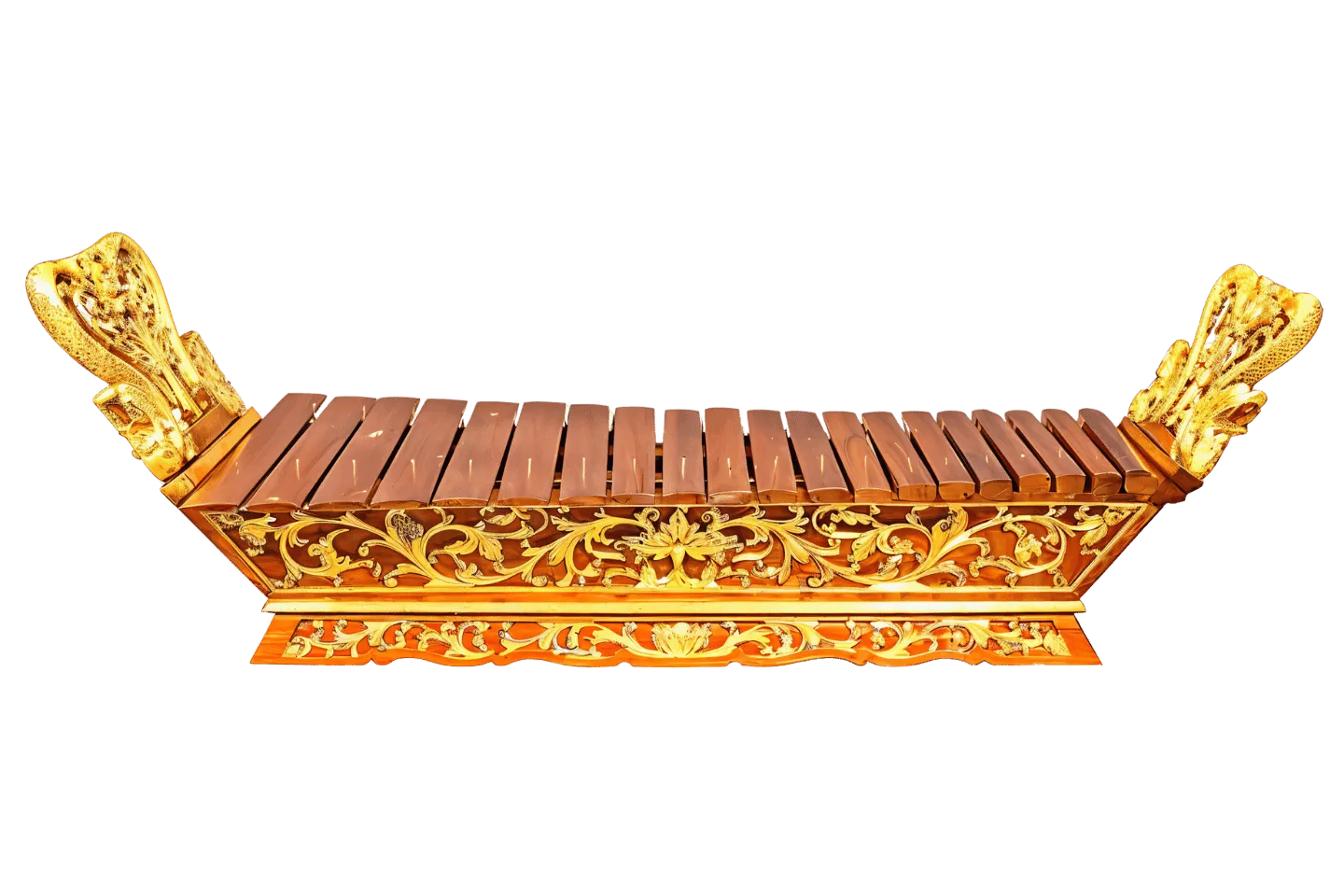
A xylophone-like wooden instrument that produces a melodious sound. The wooden bars are struck with soft mallets, producing gentle, rhythmic melodic tones. The gambang is often played at a steady tempo to provide a supporting melody.

An instrument with metal bars that produces the basic melody.The metal bars are struck with a wooden mallet. The player must press the bar with the left hand after striking it to prevent overlapping sounds.
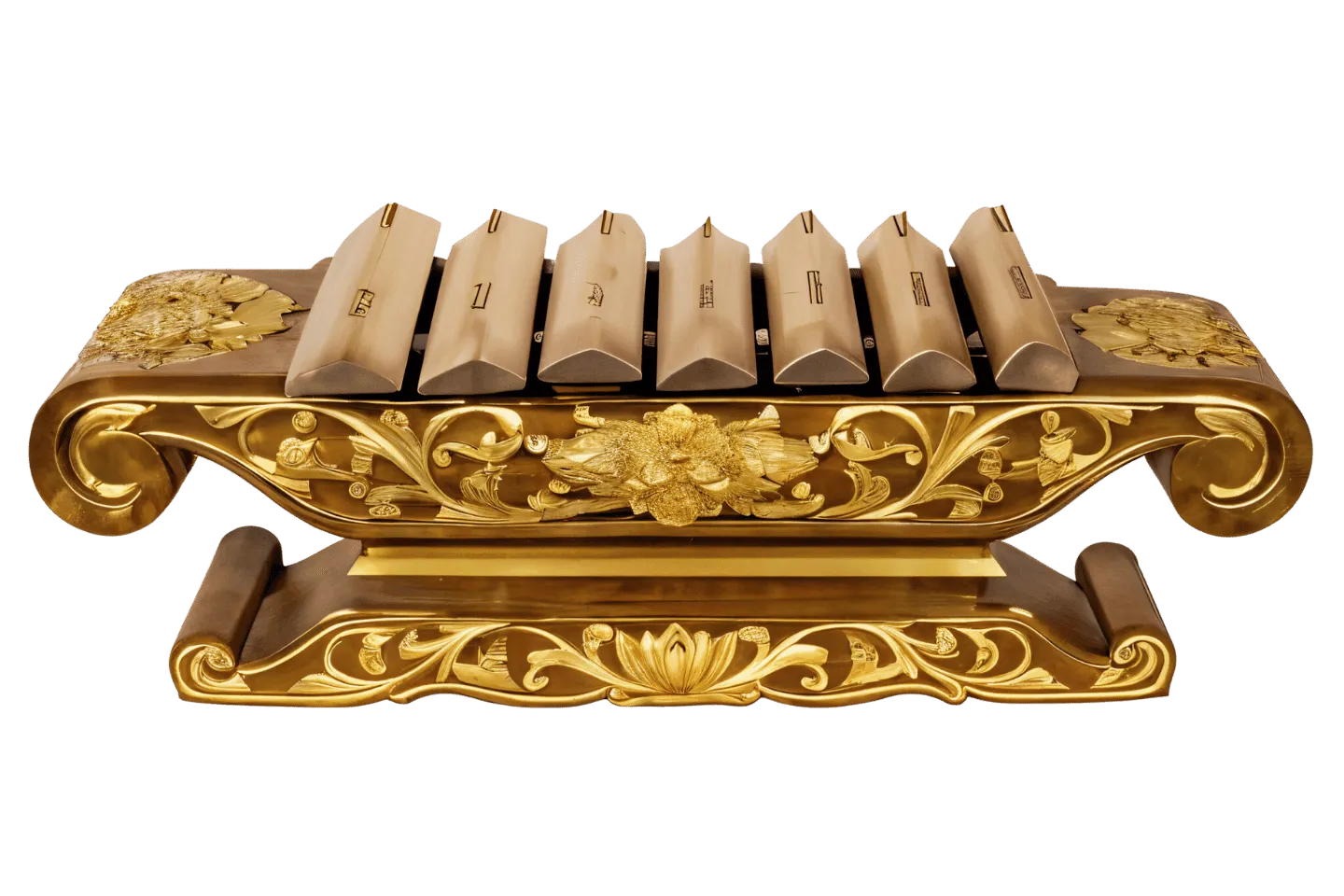
A smaller version of the Saron Barun, producing high notes for additional melody. It is played delicately with a wooden mallet, supporting the main melody, with the bar pressed after each strike to ensure a clear sound.
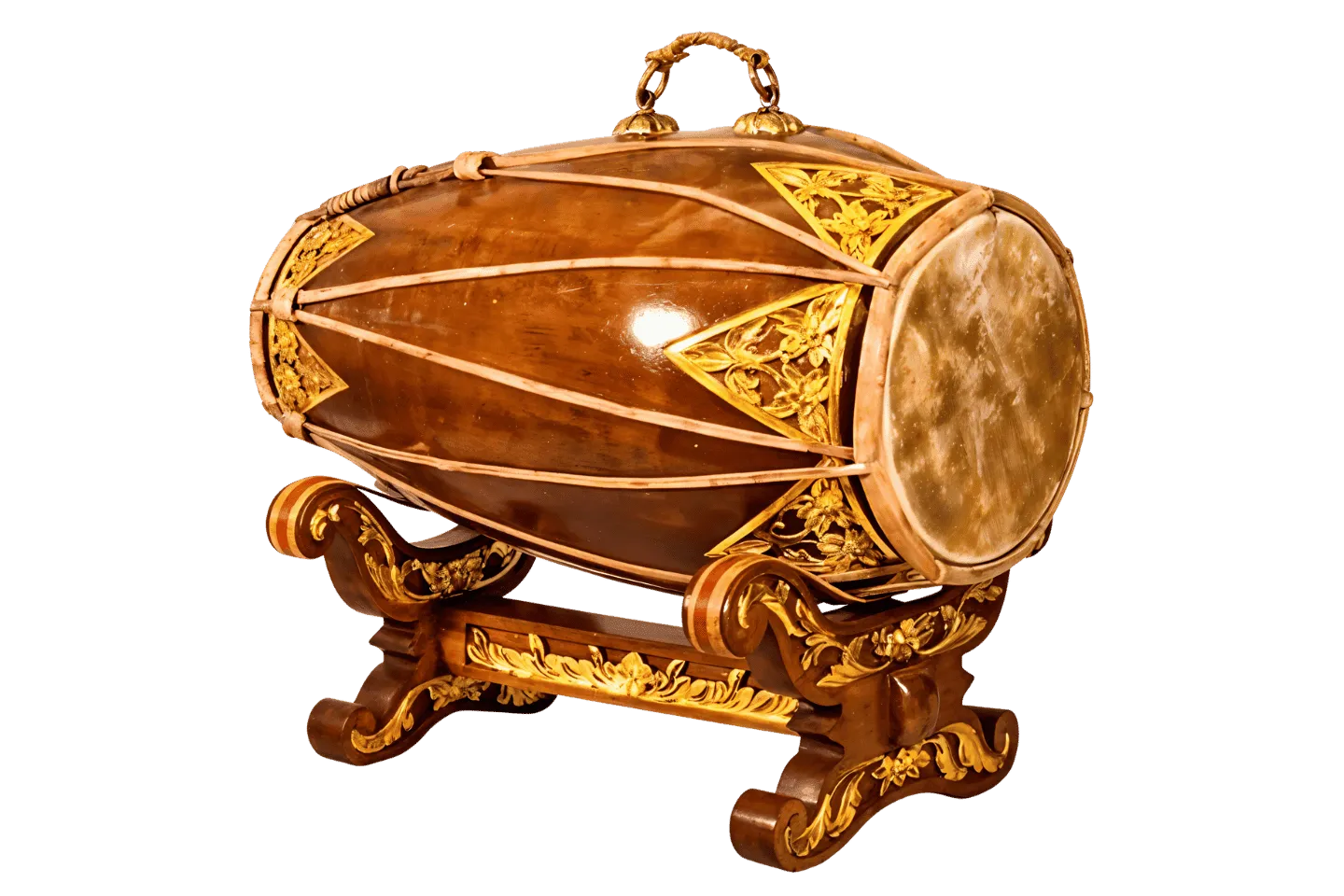
A traditional drum that controls the tempo of the ensemble. It is struck with both hands to produce tempo and rhythm. The technique involves various strikes on different parts of the drumhead to vary the sound.
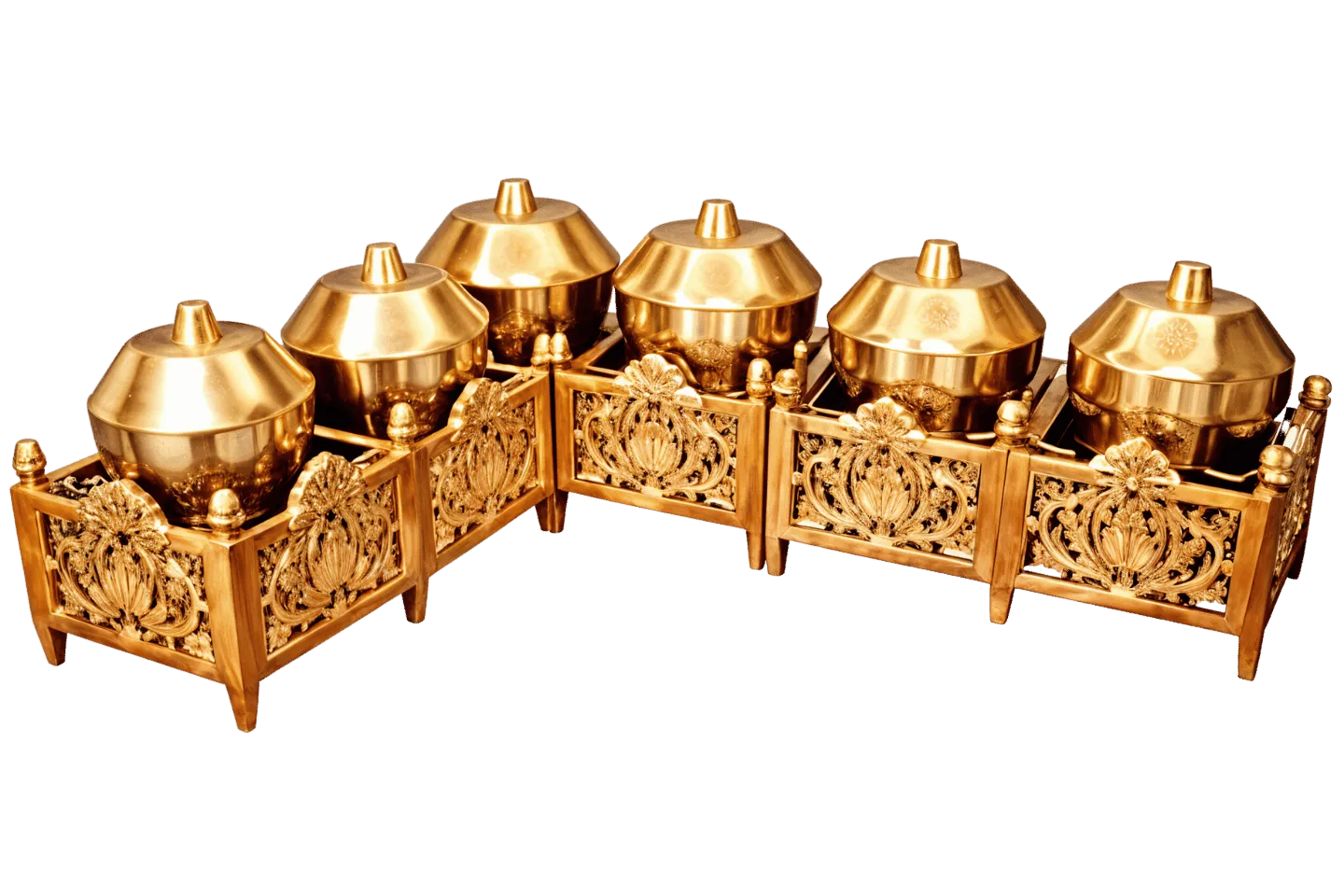
A medium-sized gong that produces a soft, resonant sound, adding depth to the gamelan melody. It is struck slowly with a small mallet following the rhythm of the piece, while the player sits in a relaxed position.
Gamelan music is often accompanied by a traditional dance performed by female dancers. In the time of Sultan Sulaiman, the gamelan dance was performed only at the palace for certain occasions. Gamelan dancers wear traditional costumes adorned with “saboh” cloth and a crown with ornaments such as “Gandek,” “Gerak Gempa,” and “Tajuk Asoka,” adding an element of beauty and artistic refinement.
Gamelan Terengganu continued to flourish until 1942, before the activity came to a halt because of the Second World War. The original gamelan set from Terengganu was returned to Pahang in 1973 and is now on display at the Pahang Museum in Pekan.
However, efforts to preserve gamelan as a heritage art form have been continued by various parties. Gamelan performances can now be seen at cultural events, weddings and arts festivals, ensuring that this art form lives on and is appreciated by future generations.
In Terengganu, gamelan is often played at official functions, weddings and cultural ceremonies. It also accompanies traditional dances such as the Ulek Mayang Dance and the Joget Gamelan Dance. The uniqueness of gamelan Terengganu lies in its adaptation and the influence of local culture, which sets it apart from the gamelan of Indonesia.
Various efforts have been made to preserve and develop the art of gamelan in Malaysia. Educational institutions, arts groups and cultural bodies actively organise workshops, performances and studies on gamelan. These efforts are important to ensure that this traditional musical heritage lives on and is passed down to future generations.
Gamelan is not merely a musical instrument, but a cultural heritage that reflects the identity and beauty of Malay art. With a rich history and a uniqueness all its own, gamelan continues to captivate listeners and audiences, making it a priceless cultural asset. Efforts to preserve and promote gamelan must continue to be stepped up so that this art form remains relevant in the modern age.
If you would like to experience the beauty of gamelan, attend a traditional gamelan performance or visit a museum that displays these musical instruments. Enjoy this captivating cultural experience for yourself!

Visit Kampung Budaya Terengganu, a unique destination showcasing Malay artistic heritage, culture and traditions. Enjoy gamelan performances, the art of woodcarving, weaving and an immersive journey into Terengganu's history, in a setting full of natural beauty.
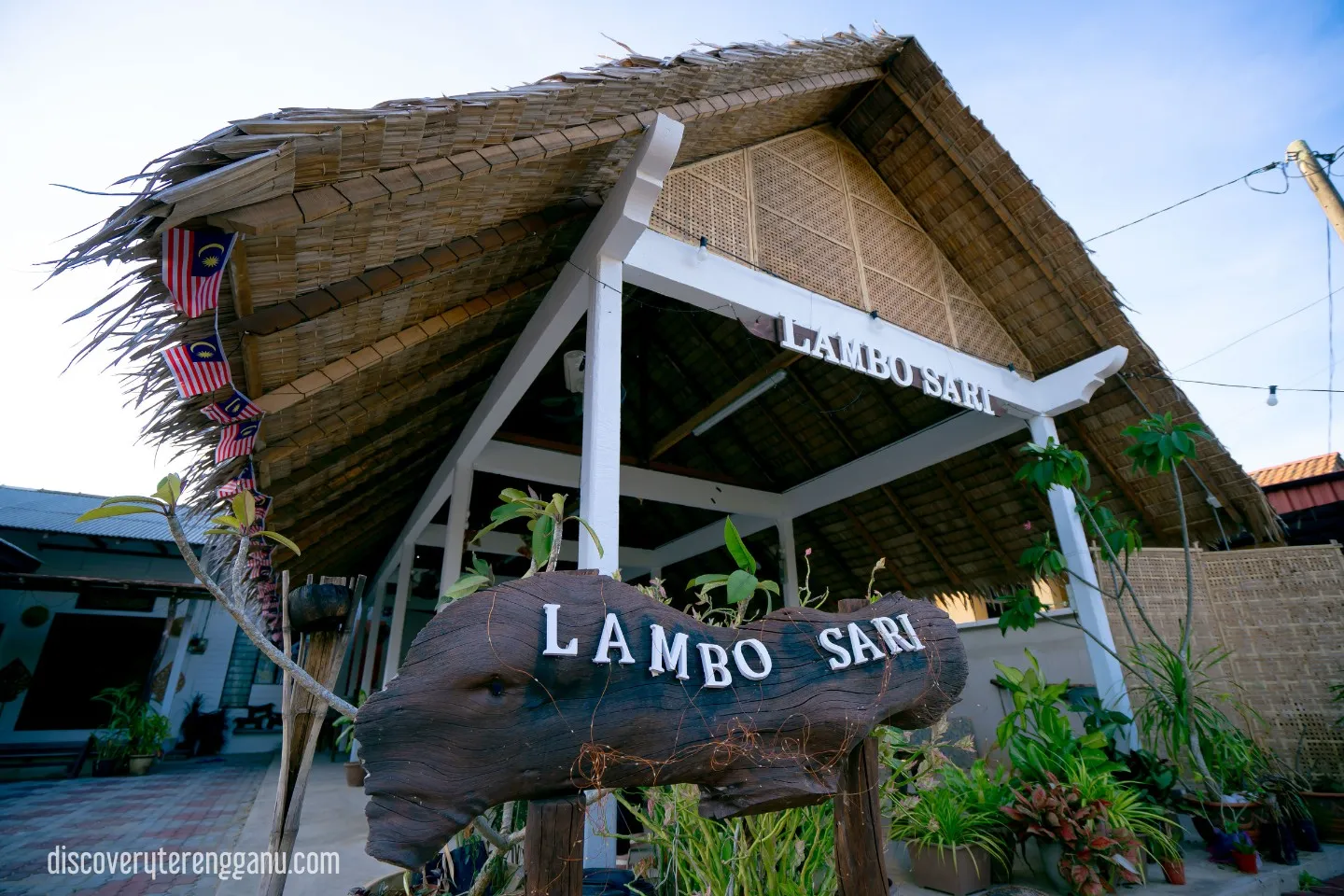
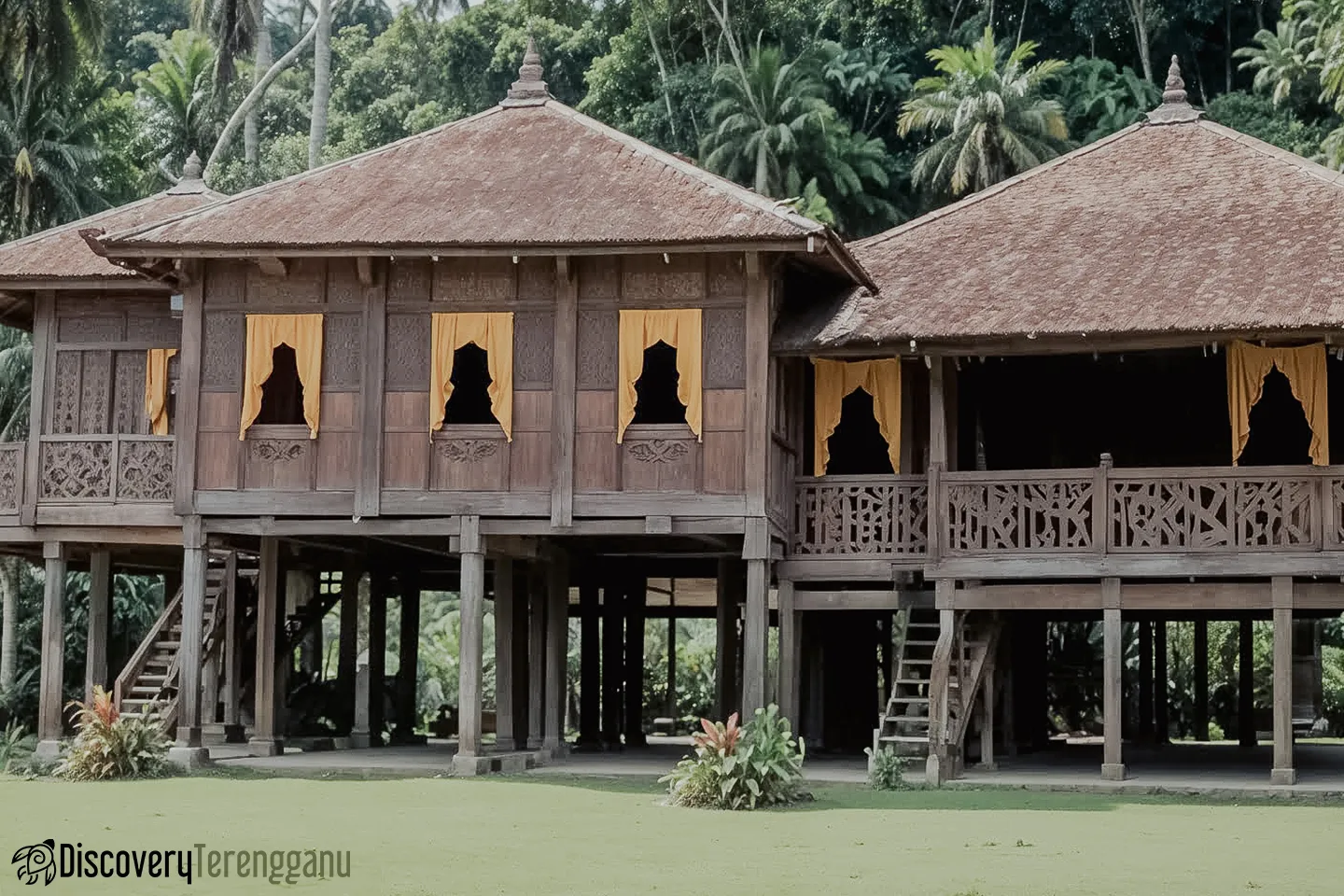
Discover the uniqueness of Lambo Sari, a fascinating icon of traditional Terengganu Malay architecture. Enjoy an authentic cultural experience with a classic design that reflects the cultural history, beauty and richness of the local heritage.
@discoveryterengganu The first-ever Konsert Gamelan Cilik 2023 has come to a close. The concert, held at Kampung Budaya Terengganu, featured 80 gamelan musicians and dancers.
♬ original sound - discoveryterengganu